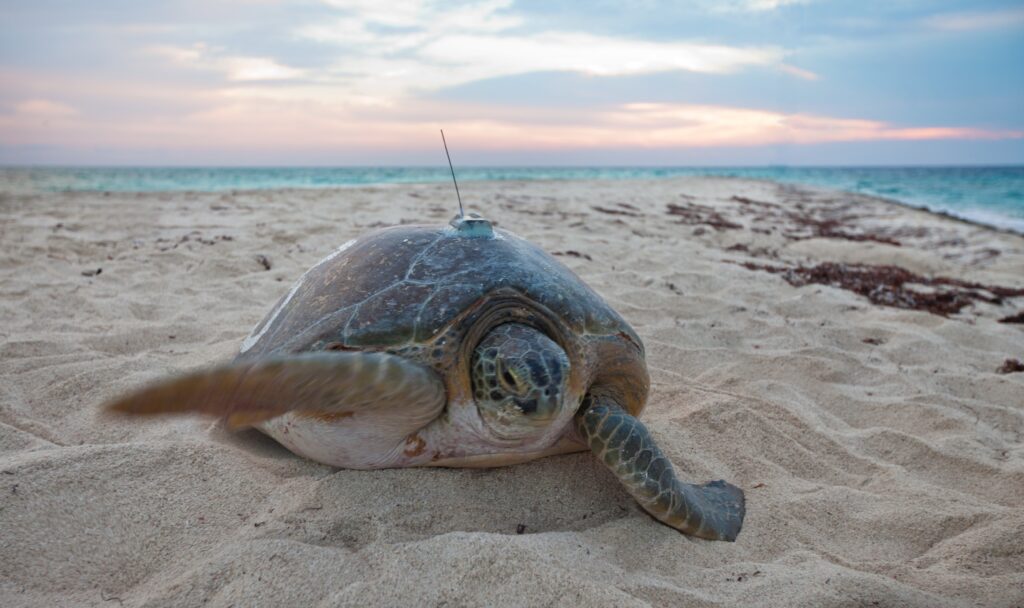
Juno Beach, Fla. – Staff at the Loggerhead Marinelife Center released a resilient adult female Kemp’s ridley sea turtle named Amelie into the Atlantic Ocean after months of intensive care. The three-limbed survivor now travels under constant watch from satellite tags, part of a pioneering collaboration with the Smithsonian Conservation Biology Institute. Researchers aim to uncover how amputee turtles adapt to life in the wild, especially as Amelie carries developing eggs that could bolster the species.
A Predator’s Wound Sparks a Race Against Time
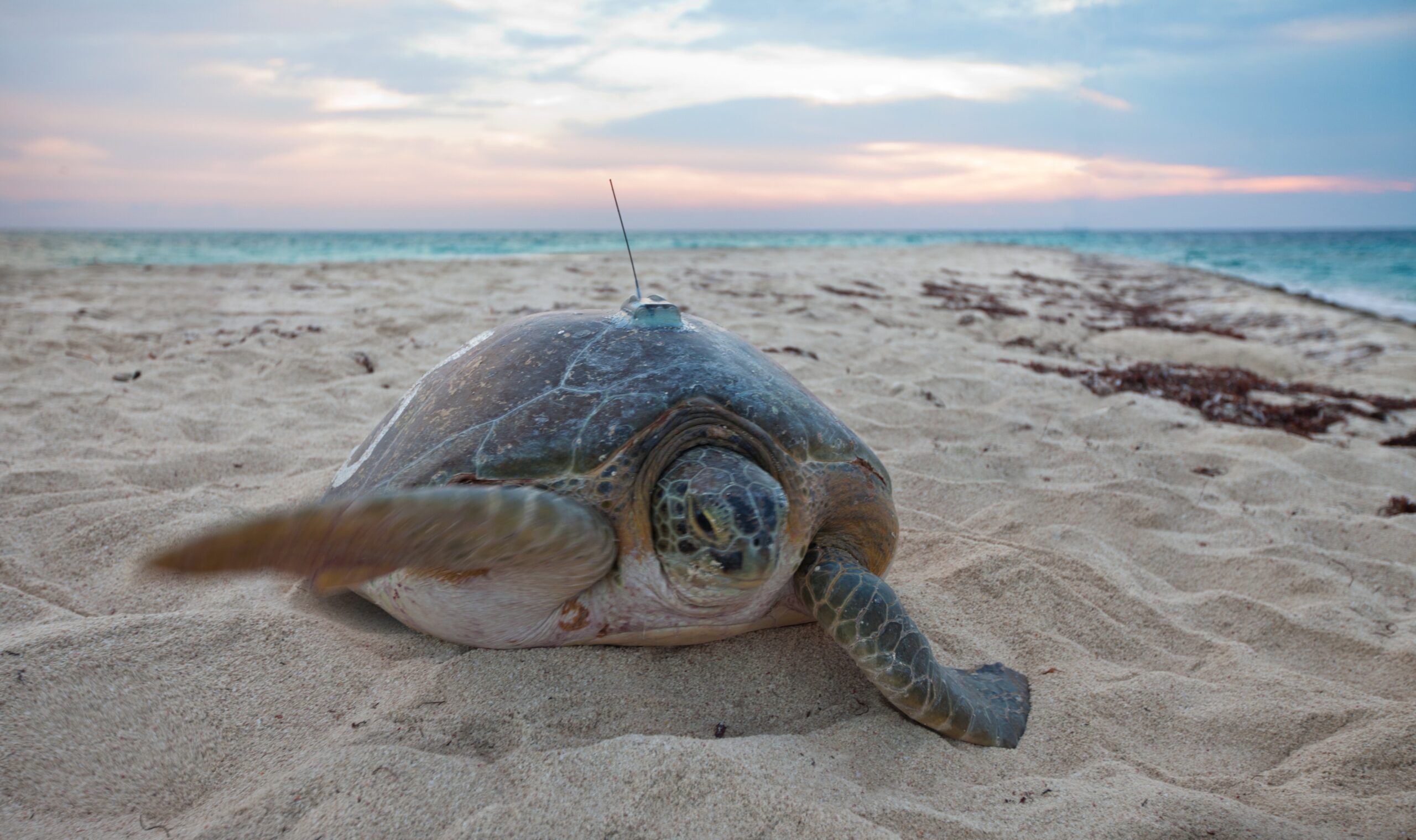
A Predator’s Wound Sparks a Race Against Time (Image Credits: Upload.wikimedia.org)
Amelie stranded in February 2026 near Port St. Lucie, Florida, after suffering severe predator wounds to her right front flipper. The Inwater Research Group rescued her and rushed the 66-centimeter, 37.2-kilogram turtle to the Loggerhead Marinelife Center. Veterinarians suspected a shark attack, a common threat in coastal waters.
Her treatment proved challenging. Surgeons performed debridement to clean the damaged flipper, which ultimately required amputation. She battled pneumonia, received antibiotics, and needed a feeding tube when she refused food. Weeks of wound care and monitoring followed until her condition stabilized.
Emotional Release Marks New Beginnings
On March 25, 2026, veterinarians transported Amelie to Juno Beach for release. Onlookers gathered as she paused for 30 seconds on the sand before paddling into the surf. The moment capped seven weeks of dedicated rehabilitation.
Before departure, staff glued a lightweight satellite tag to her shell. An ultrasound revealed she was developing eggs, heightening the stakes for her survival. Researchers hoped this gravid status would reveal nesting behaviors in amputees.
High-Tech Eyes in the Ocean
The tracking technology relies on a saltwater switch in the tag. It activates only when Amelie surfaces to breathe, sending location data to satellites. Positions update online after a 24-hour delay to protect the animals from disturbance. As of late March 2026, Amelie had covered 35.4 miles at an average speed of 0.8 miles per hour over two days of data.
This system provides invaluable insights into dive patterns and migration routes. Sarah Hirsch, the center’s research director, explained the goal: to understand how these turtles forage and travel post-release.
- Surface detection triggers data transmission for precise locations.
- Delayed updates ensure ethical monitoring.
- Real-time dive profiles reveal foraging depths.
- Migration paths inform conservation strategies.
- Long-term survival rates guide rehab protocols.
Building Knowledge from Survivor Stories
Amelie represents the fourth amputee tracked by the Loggerhead team. Earlier patient Pyari, another three-limbed Kemp’s ridley, swam nearly 700 miles since her January release. Sightings of amputees on nesting beaches confirm their potential for success.
“We’ve seen them on our nesting beaches, but we want to understand their dive behaviors and migrations,” Hirsch noted. Andy Dehart, the center’s president and CEO, emphasized the rarity of Kemp’s ridleys on Florida’s Atlantic coast, typically a Gulf of Mexico stronghold. These efforts illuminate resilience in the rarest sea turtle species.
Hirsch reflected on the rewards: “They’ve been through a lot… to see them contribute to the population is really rewarding.”
Why These Tracks Matter for Conservation
Kemp’s ridley turtles face mounting pressures from habitat loss, bycatch, and predation. Data from Amelie and her peers could refine release techniques and protected zones. The Loggerhead-Smithsonian partnership sets a model for global rehab programs.
Key Takeaways
- Amputee turtles like Amelie demonstrate remarkable adaptability post-rehab.
- Satellite tags offer a window into unseen ocean lives.
- Gravid females like Amelie hold promise for species recovery.
As Amelie charts her course, her story underscores nature’s tenacity. Each ping from the Atlantic reinforces hope for endangered marine life. What do you think about these tracking efforts? Tell us in the comments.