
There’s something almost eerie about how we never seem to grow out of dinosaurs. Kids obsess over them, adults still click on every new T. rex thumbnail, and streaming platforms quietly know that a dinosaur documentary will usually punch above its weight. It is not just nostalgia or cool monster vibes; there is a deep, ancient pull here that runs all the way back to flickering torchlight on cave walls.
When you look at a modern CGI sauropod lumbering across your TV and then think of a Paleolithic hunter painting bison on stone, the gap feels strangely small. Both scenes are about staring at huge, dangerous animals from a safe distance and trying to make sense of them. That emotional echo across tens of thousands of years is exactly where science starts to explain why dinosaur documentaries keep winning the ratings game while other nature shows quietly fall behind.
Our brains are hardwired to fixate on big, dangerous animals
Imagine walking out of a forest clearing and seeing an elephant-sized predator in front of you. Your brain would not politely ask for more data; it would slam every alarm button it has. That same neural circuitry still lives in us today, even though most of us only meet predators as pixels. Dinosaurs slot perfectly into that system: giant, toothy, powerful bodies that switch on ancient survival hardware, even when we consciously know they are long gone.
Psychologists talk a lot about how attention is not neutral; we are biased toward threats, movement, and big bodies long before we are consciously aware of anything. Dinosaur documentaries hack that bias ruthlessly. A lion hunting a gazelle grabs your attention, sure, but a multi-ton carnivore taking down a massive herbivore overrides everything else in your mental inbox. Other natural history content has to earn your attention; dinosaurs get it for free.
Prehistoric creatures feel like monsters, but with scientific permission
There is a reason dinosaur documentaries often feel just a step away from horror or epic fantasy. You get shadows, roars, chases, and dramatic lighting, all framed like a creature feature. The twist is that your rational mind gives you a free pass to enjoy it, because these are not invented monsters from a script; they are based on fossils, measurements, and real geological timelines. It is like getting the thrill of a scary movie, but wrapped in the cozy blanket of science.
That mix is weirdly powerful. With a fictional monster, part of you always thinks it is pure make‑believe. With dinosaurs, you know that something very close to what you are seeing once walked around on the same planet you are standing on. It blurs the line between fantasy and reality in a way other natural history formats rarely do. A documentary about jellyfish can be beautiful, but a documentary about a towering theropod feels like nature plus myth, rolled into one.
Uncertainty lets storytellers turn science into suspense
Dinosaurs live in a sweet spot between known and unknown. We have bones, trackways, and sophisticated simulations, but we are still debating colors, exact behaviors, and social lives. That uncertainty is rocket fuel for storytelling. Filmmakers can take real data and then fill in the gaps with well‑argued possibilities, turning each scene into a kind of scientific what‑if that feels both grounded and mysterious.
Compare that to a documentary about lions, where we already have thousands of hours of footage covering most predictable behaviors. With dinosaurs, every hunting strategy, mating display, or herd migration is a chance to say, this is our best current guess. That conditional tone does something subtle to your brain: you stay curious, because you know there is room for surprise, revision, and new discoveries. The narrative never quite closes, and that open door keeps people coming back for more.
Dinosaur timelines make our own existence feel fragile and profound
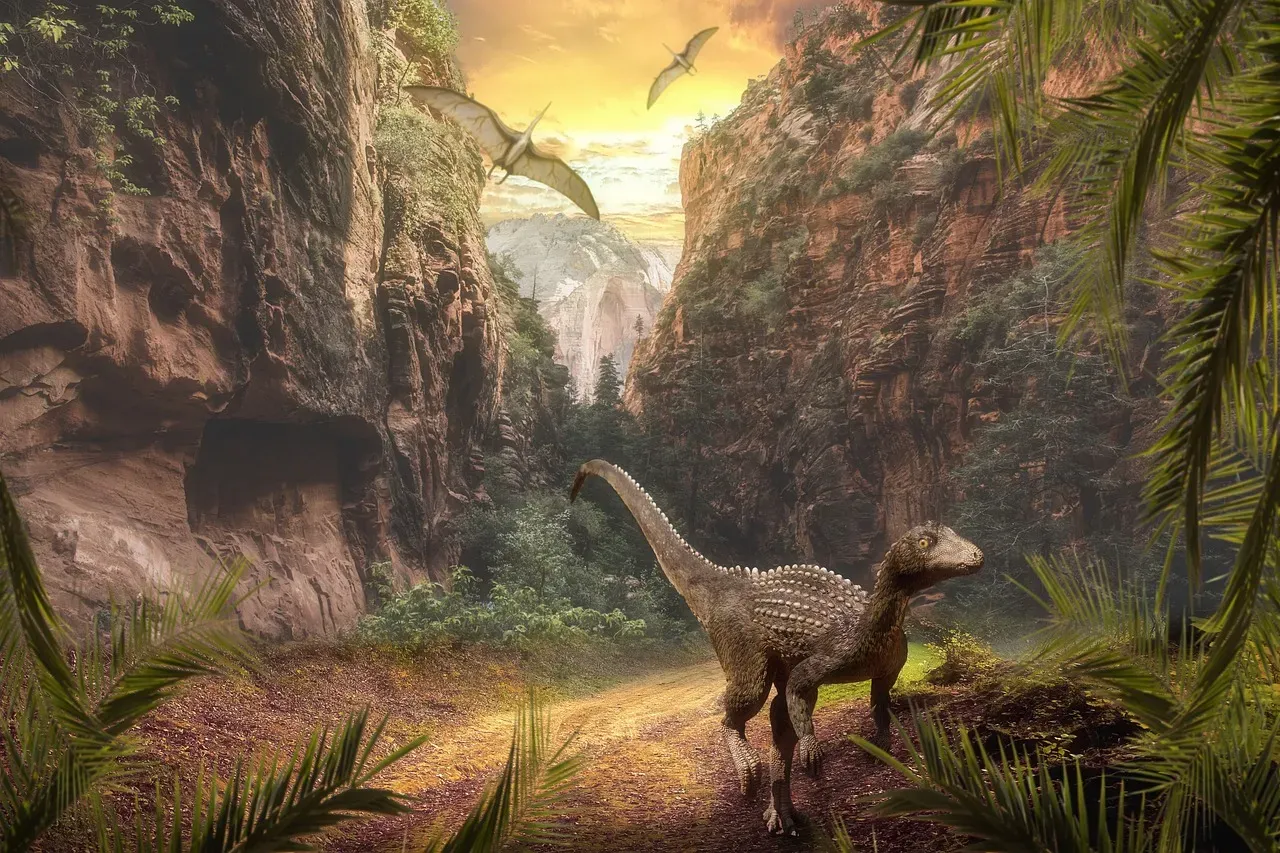
When a documentary casually mentions that these animals ruled the planet for tens of millions of years and then vanished, it quietly rewires your sense of scale. Human history suddenly shrinks down to a thin line on an enormous timeline, and that can feel both humbling and unsettling. Dinosaurs are not just big animals; they are reminders that dominance on Earth is temporary, and extinction is always on the table.
Other nature documentaries may hint at fragility through climate change or endangered species, but dinosaurs show the endgame in one brutal, clean cut: an entire world reset. Watching them thrive and then disappear makes you think differently about our own cities and technologies, as if everything we know is built on a thin, unstable ledge. That quiet existential punch is one reason dinosaurs do not just entertain; they stick in your head long after the credits roll.
We love seeing the invisible made visible with cutting‑edge tech
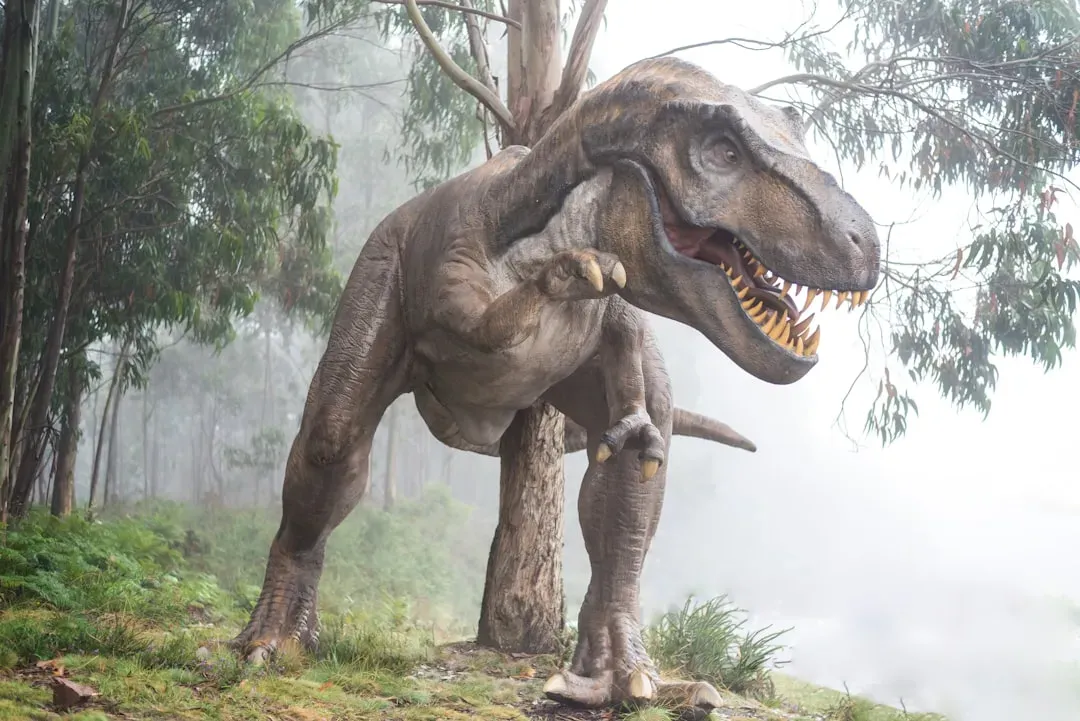
Dinosaur documentaries are perfect showcases for new technology, and viewers feel that intuitively. High‑resolution CGI, motion capture, advanced sound design, and even AI‑assisted reconstructions all combine to resurrect creatures we will never truly see. There is something deeply satisfying about watching raw fossil scans morph into a living, breathing animal right in front of your eyes; it feels like time travel powered by math and rendering farms.
By contrast, a documentary about present‑day animals has less room to reinvent what you see. A lion will always look like a lion, even in sharper 8K. But a dinosaur can look dramatically different as science and tech evolve, which creates a sense of novelty each time a new series drops. You are not just watching animals; you are watching our current best version of the past, updated like a software patch on the story of life.
Dinosaur stories echo ancient cave art in modern form
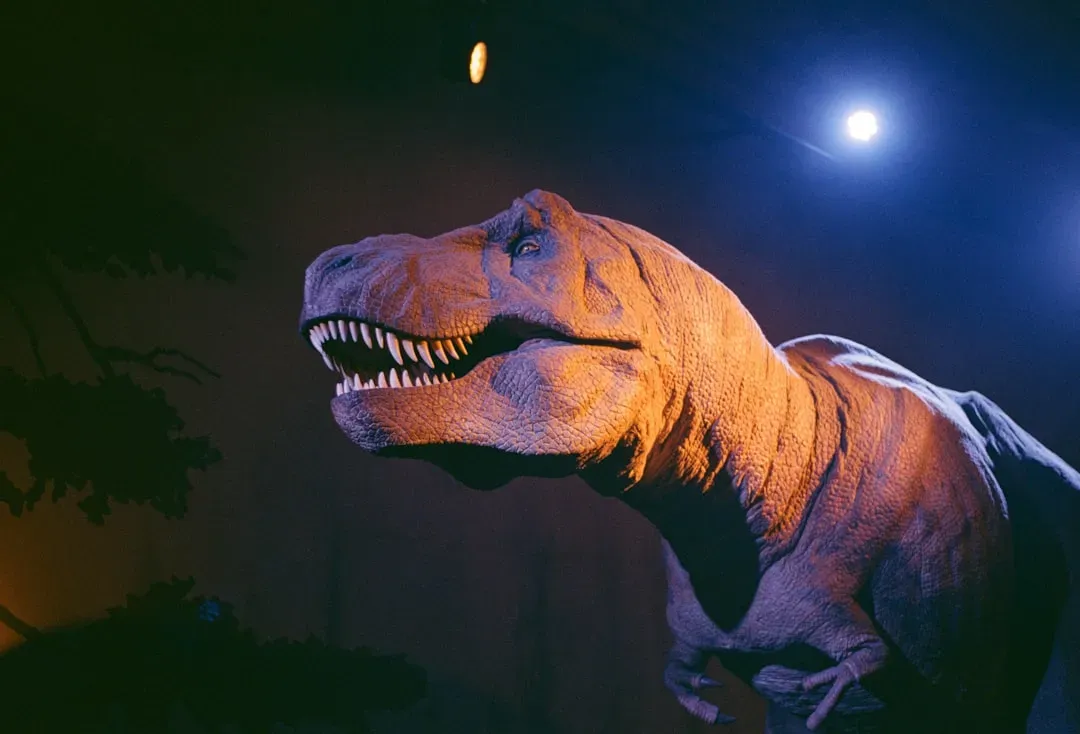
When early humans painted animals on cave walls, they were not just documenting dinner. They were expressing awe, fear, dependence, and maybe even a sense of spiritual connection. Dinosaur documentaries hit many of the same emotional notes, just with streaming platforms instead of stone. We gather around the glowing screen the way our ancestors gathered around a fire, sharing stories about huge beasts that define what it means to survive in a dangerous world.
It is not a stretch to see today’s slow‑motion shots of a charging ceratopsian as the digital descendant of those ochre bison and mammoths. Both are attempts to freeze power, movement, and danger in a form we can stare at safely. That continuity is part of why these programs feel so strangely familiar. Without realizing it, we are participating in the same ritual attention our species has offered to large animals for tens of thousands of years, just with better soundtracks and rendering.
Dinosaurs sit right at the intersection of childhood wonder and adult curiosity
Ask a group of adults when they first got interested in science, and dinosaurs show up embarrassingly often as the gateway drug. For kids, dinosaurs are pure wonder: giant lizards with spikes and claws that stomp through playrooms and picture books. For adults, the same creatures become questions about evolution, climate shifts, mass extinctions, and deep time. Dinosaur documentaries cleverly speak both languages at once, pulling in whole families instead of narrow age bands.
That cross‑generational appeal is rare in natural history formats. A show about coral reefs might grab parents who love travel and photography, while a series on insects could fascinate niche enthusiasts. Dinosaurs, though, are universal in a way very few real animals manage to be. A single beautifully produced episode can satisfy a child’s hunger for spectacle and an adult’s craving for explanation, which is exactly the combination you need for consistently strong performance in an on‑demand world.
Conclusion: Dinosaur dominance on screen is not an accident
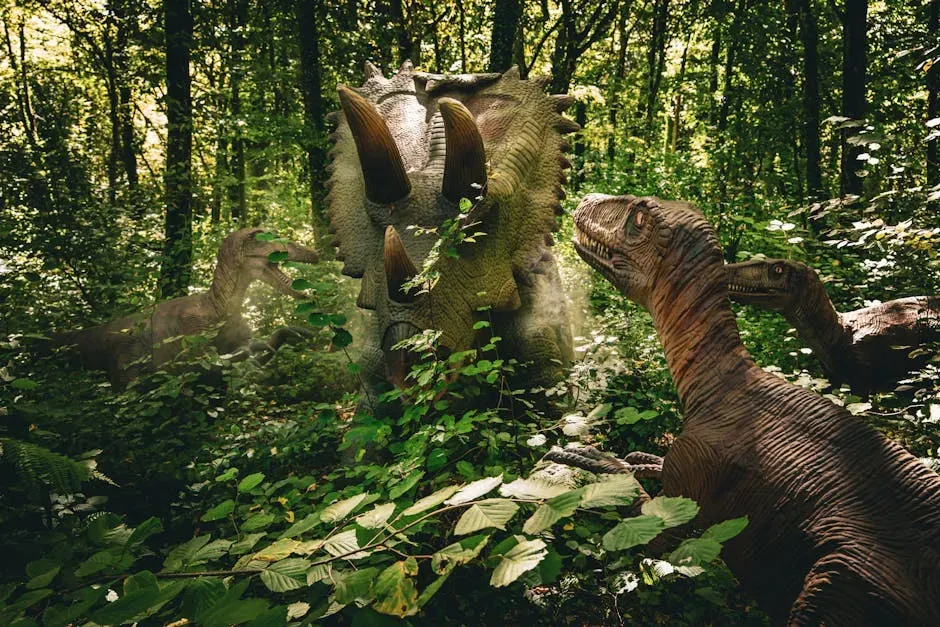
If you strip away the CGI, narration, and streaming menus, dinosaur documentaries are basically our species doing what it has always done: staring at giant animals, telling stories about them, and trying to understand what they mean for us. From hardwired attention to threat, to the thrill of monster‑like creatures with scientific legitimacy, to the existential jolt of mass extinction, dinosaurs tick boxes that ordinary nature programming can only partly reach. They are entertainment, yes, but they are also mirrors, showing us how fragile and curious we really are.
My own view is that dinosaur documentaries will keep outperforming as long as they lean into that mix of awe, science, and unease, instead of pretending they are just cool animal shows with extra teeth. They are at their best when they admit they are tapping something primal, the same instinct that once turned rock walls into galleries of wild beasts. In that sense, every big dinosaur hit is not a trend; it is a return. The question is not why we keep watching them, but whether we were ever really capable of looking away – did you honestly expect anything else?