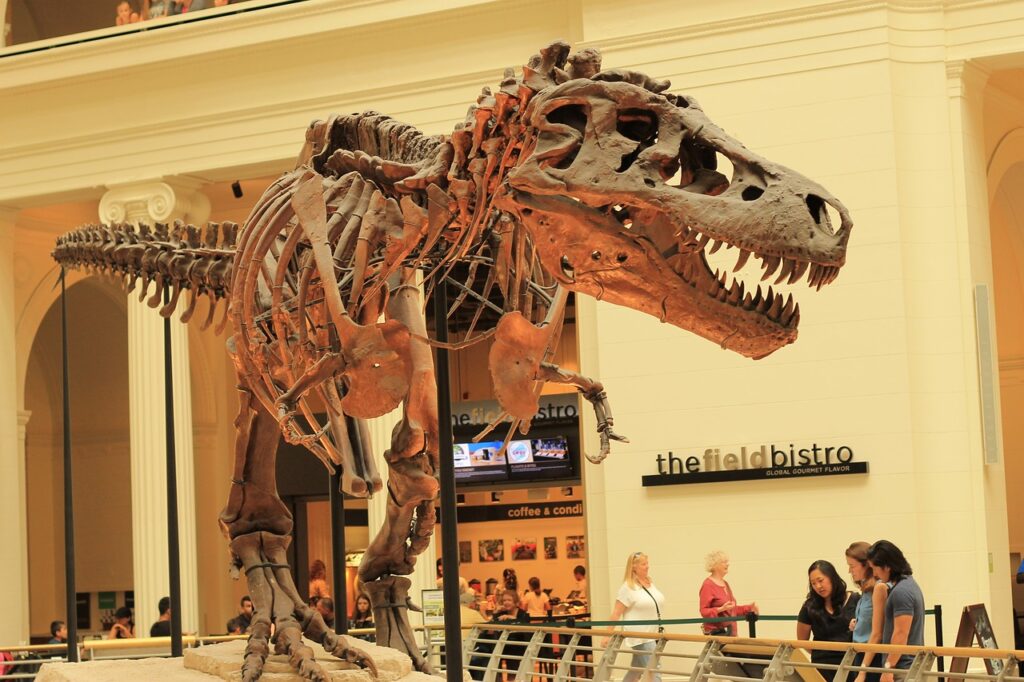
Imagine the very first noise ever heard on dry land that was not wind, water, or cracking rock, but an animal. It probably was not a roar, a song, or anything you’d recognize as a call. More likely, it was an awkward little click, rasp, or wheeze that happened completely by accident – and yet it helped set the stage for birdsong, frog choruses, and every shout you’ve ever heard at a concert.
What makes this story wild is that the earliest land sounds were probably side effects of bodies designed for something else: breathing, walking, or even just keeping balance in shallow water. When you look at the fossils and what modern animals can do with similar anatomy, you end up with a surprisingly strange soundtrack for early life on land – full of grunts, pops, and vibrations that no one was “meant” to hear at first, but that evolution eventually turned into communication.
The quiet Earth before animals found their voice
For most of Earth’s history, land was eerily quiet compared to today. Before plants and animals really took over, the main sounds would have been wind howling over bare rock, the crack of lightning, and distant waves crashing on early shorelines. There were no insects buzzing, no frogs calling at dusk, and definitely no birds greeting the morning with song.
Even once the first plants crawled onto land and forests began to spread, the silence would have been striking. Plants rustle, but they do not shout. Early land plants had no reason to produce the kind of sudden, patterned noises we associate with life now. So when animals eventually staggered out of the water and onto mudflats and primitive forests, any accidental sound they made would have stood out in that acoustic emptiness like a firework in a night sky.
From water to air: why “talking” on land is surprisingly hard
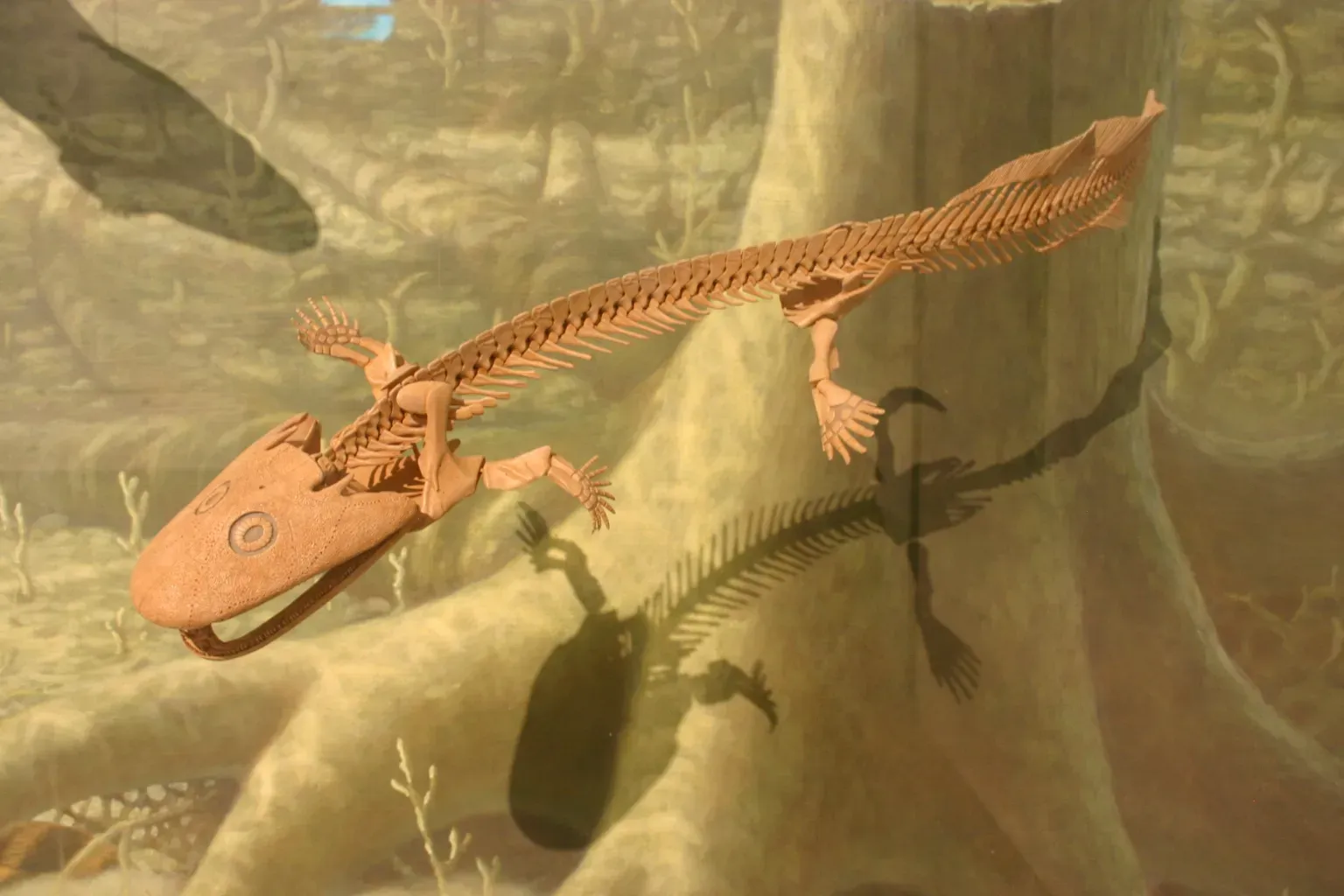
Sound travels very differently in air than it does in water, and that matters a lot for how animals make and hear it. In water, vibrations move easily through the dense medium, and many fish can sense them with simple structures along their bodies. On land, however, air is thinner, so vibrations lose energy quickly, and you need more specialized machinery to both produce and detect sound effectively.
Early land animals – especially the first tetrapods, which were basically fish with limbs – did not evolve on purpose to call across open air. Their skulls, throats, and ears were tuned to a watery world. So when they started clambering onto land, any sound they produced was likely a clumsy by-product: a gasp through a moist throat, a slap of a tail on mud, or a vibration passing through bone that just happened to leak into the surrounding air. “Communication” was not the original goal; staying alive in a new, harsh environment was.
The earliest sound-makers: not roaring reptiles, but awkward early tetrapods
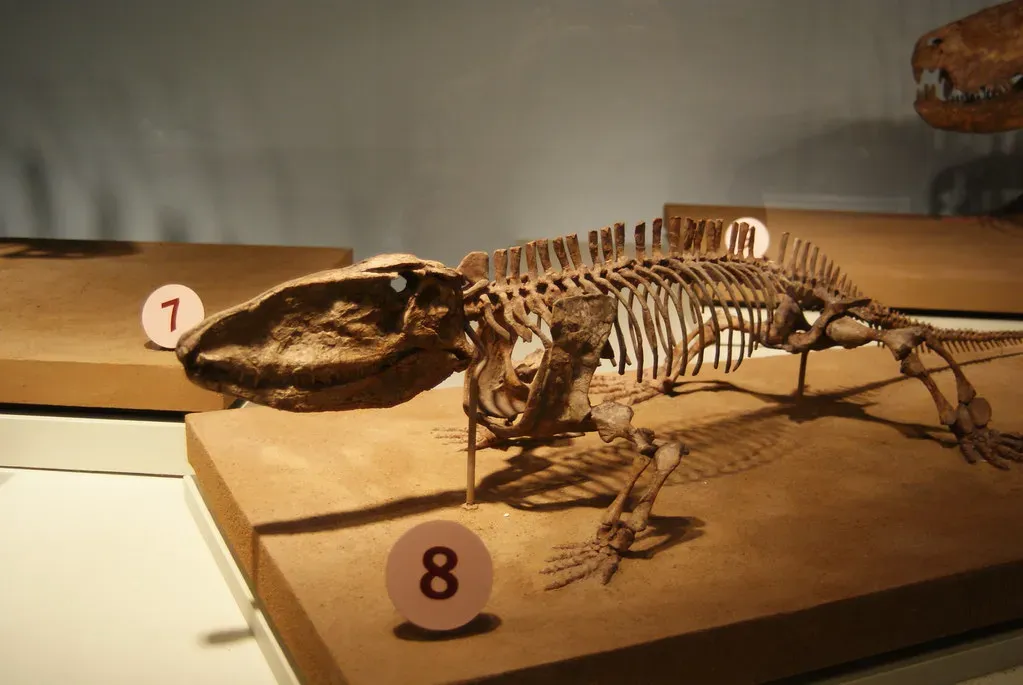
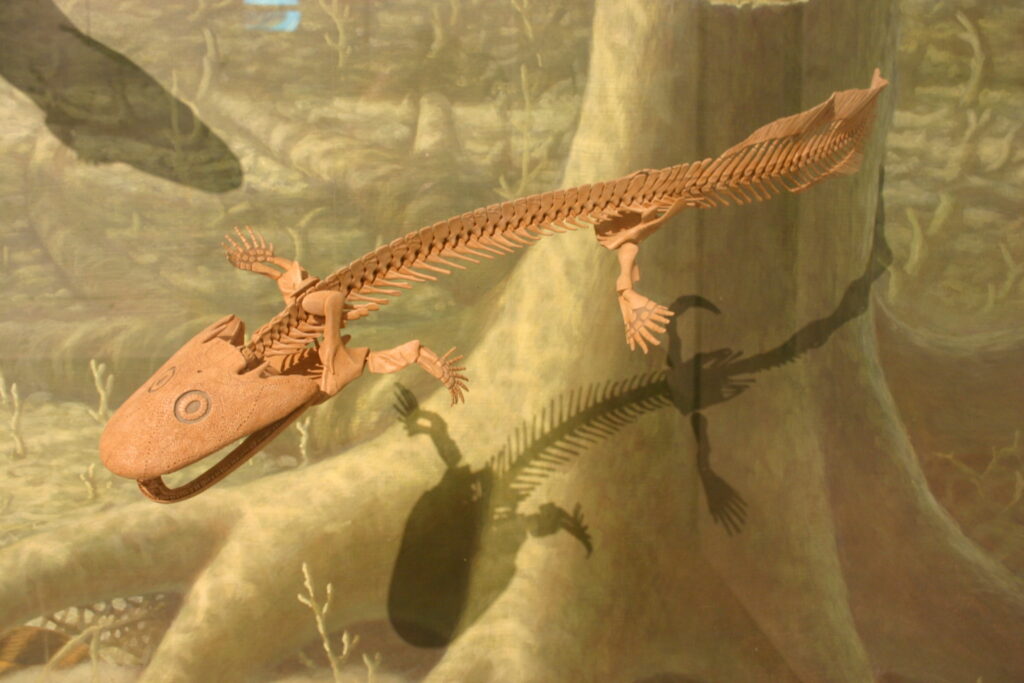
When scientists talk about the first animals to make sounds on land, they are usually thinking of early tetrapods, the ancestors of amphibians, reptiles, birds, and mammals. These were creatures that still looked a bit like large fish with stout limbs, prowling shallow swamps around the late Devonian and Carboniferous periods. Their bodies were in the middle of a major redesign: fins were becoming legs, and skull bones were being rearranged in ways that would later become important for hearing and vocalizing.
What is fascinating is that these early tetrapods probably did not have “voice boxes” in the way we think of them today. Instead, parts of their skulls and throats that originally evolved for breathing or pressure regulation may have started to vibrate under certain conditions. A forced exhalation, a sudden body movement, or even a defensive reaction could have created short, harsh noises in air – more like a cough, snort, or hiss than any kind of deliberate call.
Accidental sounds: grunts, hisses, and clicks born from breathing and movement
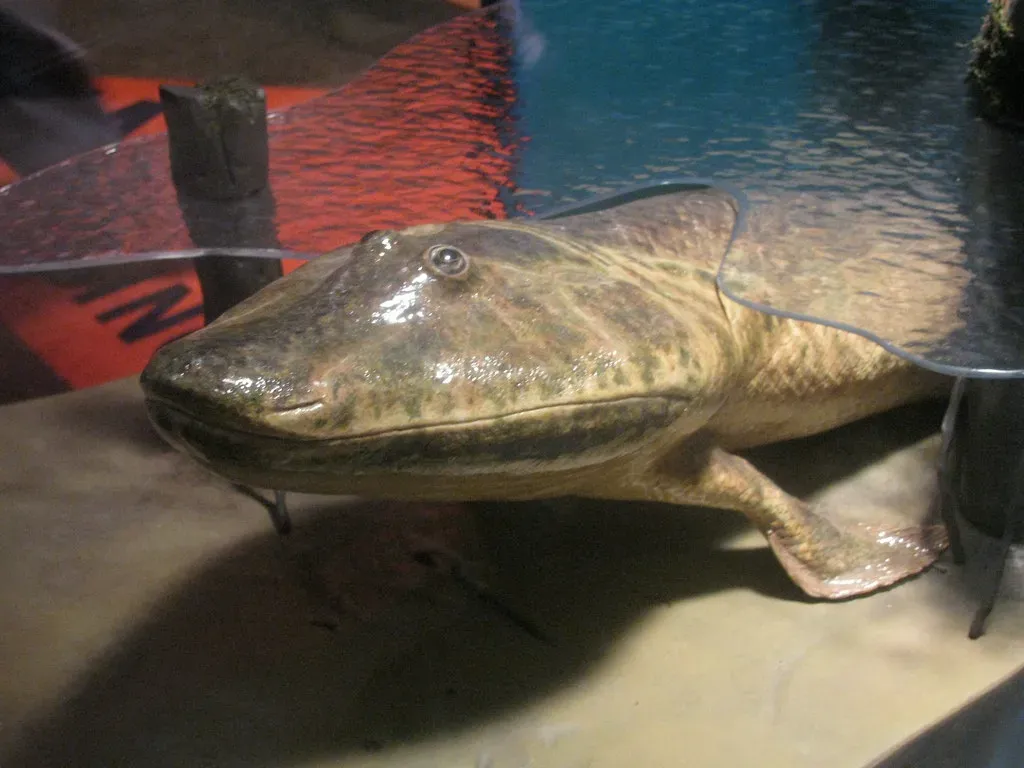
One of the strongest ideas in modern evolutionary biology is that complex features often start out as accidents or side effects. The first noises on land fit this pattern perfectly. When an animal pushes air out of its lungs, lets it leak past folds of tissue, or slams part of its body onto the ground, it can create sound without trying to “speak.” Early land vertebrates were suddenly pushing air in and out of lungs in a dry environment, and that alone opened the door to accidental grunts, wheezes, and huffs.
On top of that, movement can be noisy in ways that evolution later finds useful. Think of a lizard’s tail thump, a frog’s body hitting the water, or even the drumming of a woodpecker today. For early tetrapods, the slap of a heavy body on wet soil, the sharp snap of jaws, or the rasp of rough skin against plant stems could have doubled as unintentionally meaningful sounds. If those noises occasionally startled predators or caught the attention of potential mates, natural selection had something new to work with.
Strange early sounds: what did they actually “sound like”?
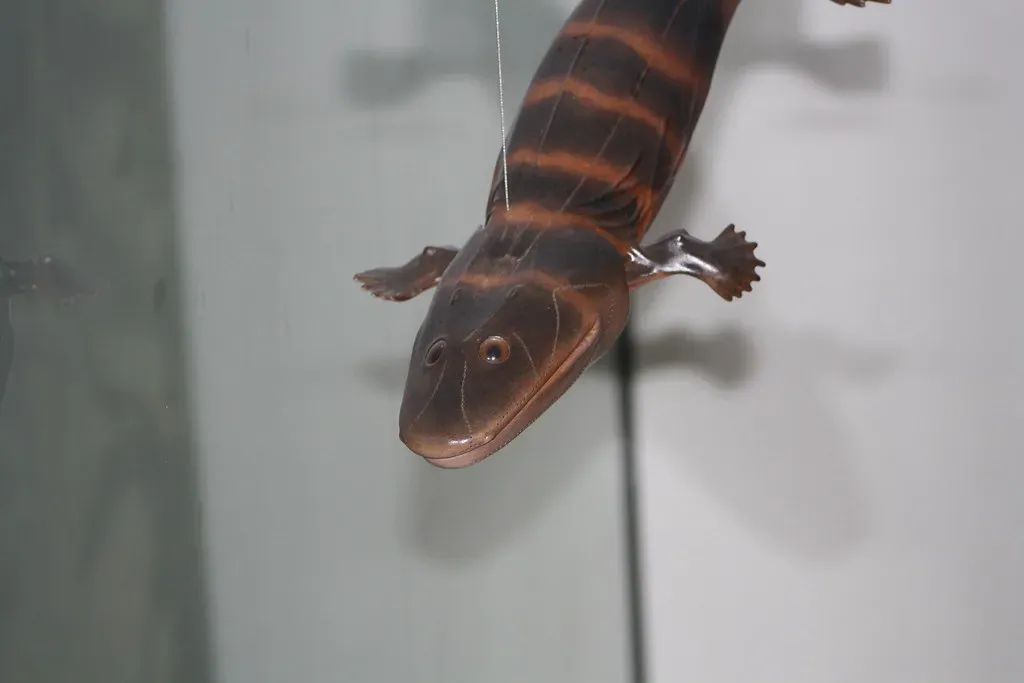
We will never have a recording of the first animal noises on land, but we can make educated guesses by looking at modern animals that still use relatively simple sound systems. Think of the short, dry croaks of some primitive frogs, the breathy hisses of reptiles, or the low, non-musical grunts many animals produce when they exhale sharply. These are not melodic songs; they are rough, functional sounds driven mostly by airflow and basic tissue vibration, and the first land sounds were likely in this same family.
Some early noises might not have even been “voices” in the usual sense, but weird mechanical sounds. Bones vibrating when struck, armor-like scales scraping together, or even air sacs inflating and deflating could have created unsettling pops or booms. If you could time-travel and stand in a Devonian swamp at dusk, you probably would not hear anything like modern birdsong. Instead, you might catch scattered hisses, dull thuds, and occasional guttural coughs echoing across the mist – more like a broken machine testing its parts than a well-tuned chorus.
How accidental noises turned into real communication

The key evolutionary twist is that once a noise exists, it can start to mean something. If a startled grunt from one animal makes nearby animals freeze and avoid danger, that sound has just acquired a function. Over countless generations, individuals that produce clearer, more consistent versions of that noise might survive more often, and the anatomy that creates it gets subtly refined. What began as a messy accident slowly becomes a shaped tool for signaling.
Researchers see this pattern over and over in living species: a movement that once had a purely physical purpose picks up a communication role. A quick exhale used to clear the lungs can become a warning bark. A body vibration used for balance can become a mating drum. The first land animals would not have understood any of this, of course. But if certain grunts, clicks, or body slaps helped them find mates or avoid predators, those odd little sounds were more likely to stick around and evolve into deliberate “messages.”
The strange path from primitive noises to complex voices
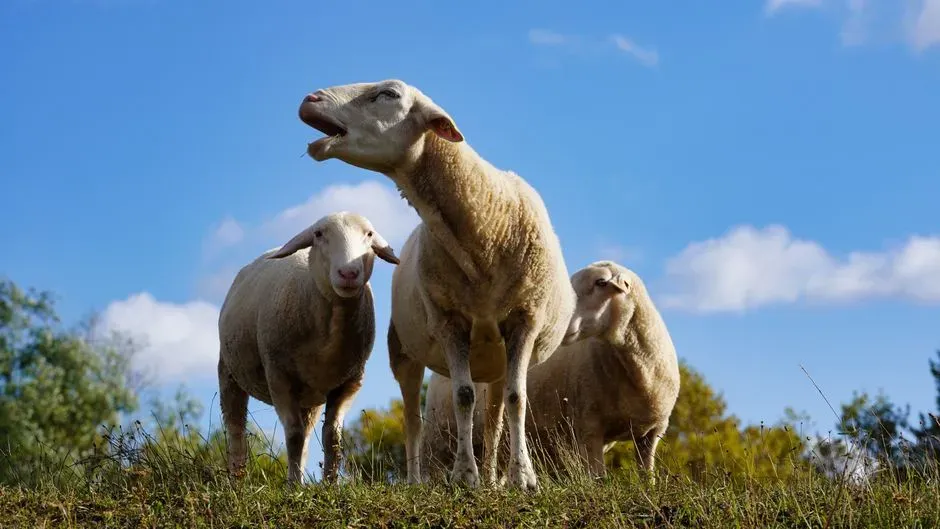
Over time, those early, crude sounds opened the door for the incredible diversity of acoustic signals we see today. In some lineages, tissue in the throat became more flexible and controllable, eventually forming structures like vocal cords or syrinxes that can produce finely tuned tones. In others, animals leaned into body-based noises: insects evolved intricate stridulation systems, birds incorporated wing and tail feathers that whistle, and some mammals even use chest or nasal cavities as resonant chambers.
The path was anything but straightforward. There were likely many dead ends – lineages that relied on simple hisses and thumps and never went further. Yet taken together, these experiments in sound show how evolution can take a clumsy accident and, over hundreds of millions of years, refine it into everything from a frog’s croak to human speech. The truly strange part is that all those complex voices trace back, ultimately, to a world where a single unplanned noise in the quiet air was enough to change everything.
What this ancient noise tells us about ourselves

When you think about it, every word you say is riding on the same basic physics as those first accidental grunts. You force air out of your lungs, past vibrating tissue, shaped by a mouth and tongue that originally evolved for eating and breathing. Our ability to deliver poetry, arguments, lullabies, and jokes is layered on top of a system that almost certainly started as a crude survival machine, not a communication platform.
That is why I find this story almost uncomfortably humbling: the human voice – something we attach so much identity and meaning to – may be the far-off descendant of a panicked exhale in a prehistoric swamp. It suggests that meaning in biology often comes after the mechanics, not before. Next time you hear a frog croak or a crow rasp overhead, it is worth wondering: is that sound any less strange, any less accidental at its core, than whatever noise first broke the silence of ancient land?