Devon Island, Nunavut – Scientists have revealed a nearly complete skeleton of a hornless rhinoceros that roamed the High Arctic 23 million years ago. This extraordinary find, dubbed the “frosty rhino,” pushes the known range of ancient rhinos far beyond previous limits. Preserved in the sediments of an ancient lake, the fossil offers fresh clues about mammal migrations across ancient land bridges.
A Prize from Haughton Crater
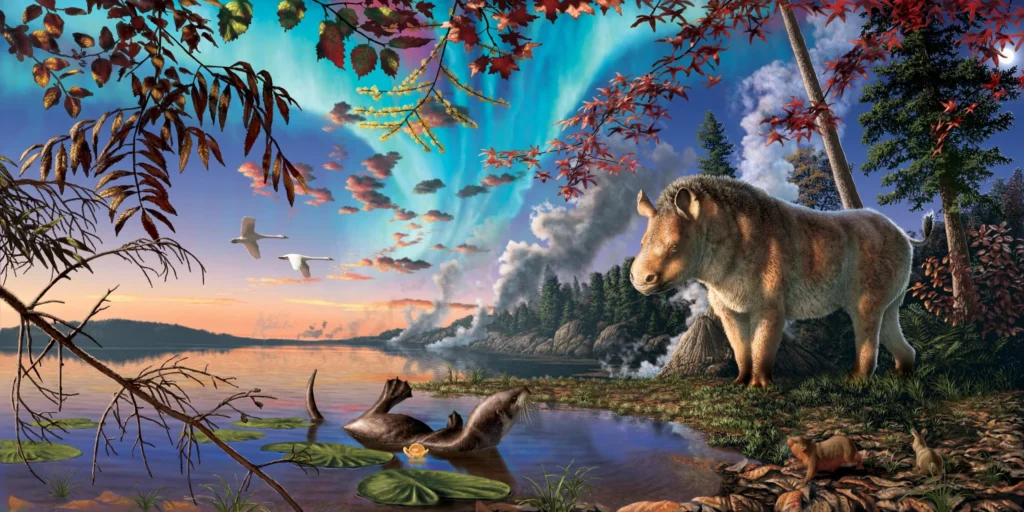
A Prize from Haughton Crater (Image Credits: Reddit)
Paleontologists first spotted bones from this rhino in 1986 within Haughton Crater, a vast impact site on Devon Island. The late Mary Dawson, a curator at the Carnegie Museum of Natural History, collected initial specimens during an expedition. Later trips in the 2000s, led by researchers from the Canadian Museum of Nature, uncovered more remains scattered over a small area.
Assembled, the skeleton proved remarkably intact – about 75 percent complete, with bones in three-dimensional preservation and minimal mineralization. Such condition stands out for fossils of this age. Teeth, jawbones, and cranial fragments provided clear identification markers. Marisa Gilbert, a paleobiologist at the museum, noted the rarity: “About 75% of the skeleton was discovered, which is incredibly complete for a fossil.”
Portrait of Epiaceratherium itjilik
Researchers named the species Epiaceratherium itjilik, placing it within an ancient rhino genus. The animal measured roughly the size of a modern Indian rhinoceros – slender and hornless, likely an adult based on tooth wear. Its narrow snout suited browsing leaves from trees and shrubs in a forested setting.
The species name “itjilik” draws from Inuktitut, meaning “frosty” or “frost,” to evoke its icy discovery site. An Inuit elder, Jarloo Kiguktak from Grise Fiord, suggested the term after joining fossil hunts. Lead author Danielle Fraser highlighted the contrast with today’s five rhino species: “In the past they were found in Europe and North America, with more than 50 species known from the fossil record.”
- Hornless build, unlike many relatives.
- Size akin to Indian rhino, around 2 meters at shoulder.
- Four toes per foot, adapted for varied terrain.
- Leaf-eating diet, inferred from dental structure.
- Possible fur coverage for harsh winters.
Life in a Temperate Arctic Forest
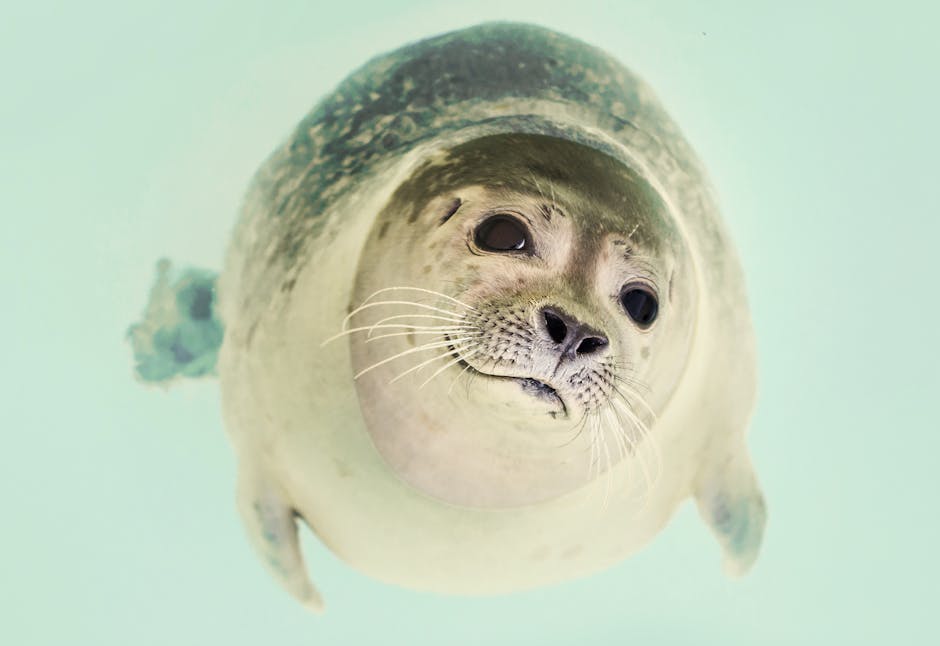
Twenty-three million years ago, during the Early Miocene, Haughton Crater held a lake ringed by temperate forests of birch, larch, pine, and spruce. Fossil plants confirmed a mild climate, akin to modern southern Ontario. The rhino shared this habitat with otter-like mammals, rabbits, swans, and the seal ancestor Puijila darwini.
Summers brought warmth and light, while winters delivered snow and polar darkness. Cryoturbation – repeated freezing and thawing – later exposed the bones from deep sediments. This preservation stemmed from the lake’s calm waters, shielding remains from decay.
Reshaping Rhino Migration History
Epiaceratherium itjilik marks the northernmost rhino species identified, linking closely to European kin from millions of years prior. Analysis of 57 rhino taxa updated the family tree, revealing prolonged use of the North Atlantic Land Bridge via Greenland. Earlier estimates pegged this route’s viability at 56 million years ago; the fossil suggests viability into the Miocene.
Such dispersals likely involved island-hopping or seasonal sea ice. The Arctic emerges as a key hub for mammal evolution, yielding surprises like ancient proteins from the rhino’s enamel. Fraser emphasized: “Our reconstructions of rhino evolution show that the North Atlantic played a much more important role in their evolution than previously thought.”
Key Takeaways
- Northernmost rhino fossil extends range into High Arctic.
- Supports longer North Atlantic Land Bridge use for migrations.
- Highlights Arctic’s role in ancient mammal diversification.
This frosty rhino not only expands the map of prehistoric life but also underscores the Arctic’s untapped fossil wealth. As climate shifts expose more remains, future finds promise deeper insights into our planet’s dynamic past. What do you think about this ancient migrant’s journey? Tell us in the comments.