Researchers have identified a formidable predator from Africa’s distant past, a crocodile species that ruled the waterways millions of years ago. This discovery sheds light on the perilous environment faced by early human relatives. Named in honor of a famous fossil, the creature highlights the intense ecological pressures of that era.
A Giant Among Predators Emerges from the Past
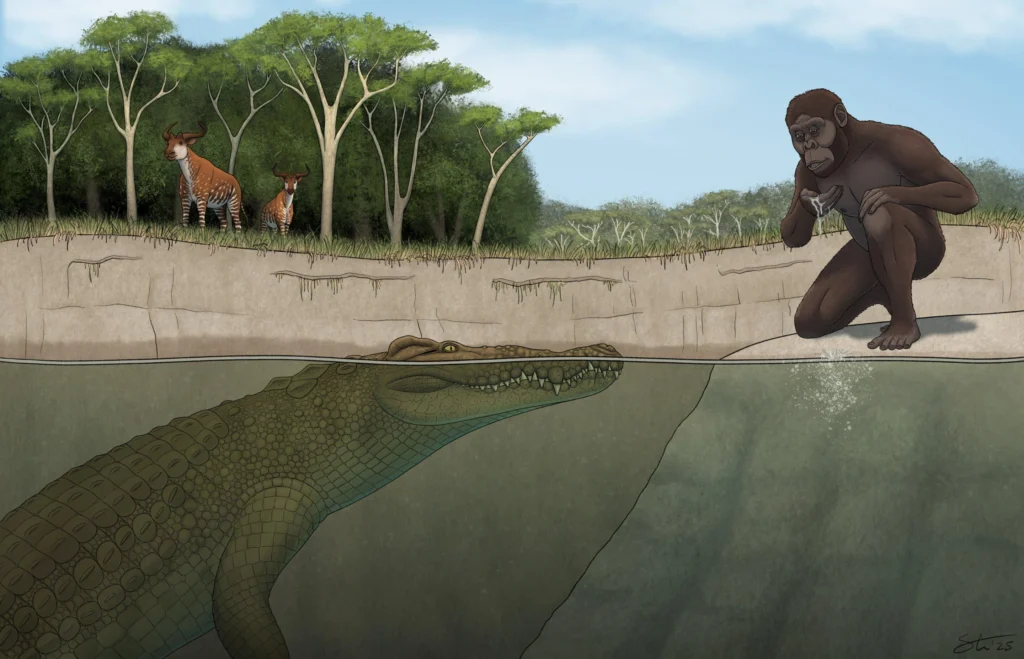
A Giant Among Predators Emerges from the Past (Image Credits: Reddit)
Standing out as the apex hunter in its watery domain, Crocodylus lucivenator reached impressive lengths of up to 3.5 to 4.5 meters. Scientists determined that this reptile preyed on the largest available food sources, positioning it at the top of the food chain. Its robust build and powerful jaws made it a dominant force in the lakes where it thrived.
The species inhabited African lakes approximately 3 to 3.4 million years ago. Fossils revealed adaptations suited for ambushing large prey in shallow waters. This predator’s presence altered how experts view the balance of power in prehistoric ecosystems.
The Discovery That Rewrites Ancient Encounters
A team from the University of Iowa unearthed the fossils that led to this breakthrough classification. Detailed analysis of the remains confirmed the crocodile’s unique traits, distinguishing it from other known species. The find occurred amid ongoing excavations in fossil-rich African sites.
Researchers named it Crocodylus lucivenator, translating to “Lucy’s hunter.” This moniker references the renowned Australopithecus afarensis fossil known as Lucy, who lived in a similar timeframe and region. The naming underscores potential predator-prey dynamics between the crocodile and early hominins.
Physical Power and Hunting Strategies
Crocodylus lucivenator boasted a formidable physique, with estimates placing its body at lengths rivaling modern large crocodiles. Its skull and limb bones indicated strength for tackling substantial quarry. Such features equipped it perfectly for the lake environments it called home.
Evidence suggests it employed stealthy ambush tactics, lurking beneath the surface before striking. This method proved effective against unwary animals venturing near water. The crocodile’s size ensured few rivals challenged its supremacy in those habitats.
Implications for Early Human Survival
As the largest predator around, Crocodylus lucivenator likely influenced the behavior of nearby species, including human ancestors. Lucy’s kind, navigating the same landscapes, would have faced constant threats from such aquatic giants. This revelation prompts reevaluation of migration patterns and water avoidance among early hominins.
Paleontologists now consider how these encounters shaped evolutionary paths. The crocodile’s dominance highlighted the multifaceted dangers of prehistoric life. Ongoing studies aim to uncover more about these interactions through additional fossil evidence.
- Length: 3.5 to 4.5 meters, making it the ecosystem’s top hunter.
- Habitat: African lakes, 3 to 3.4 million years ago.
- Name origin: “Lucy’s hunter,” linking to Australopithecus afarensis.
- Role: Ambush predator targeting large prey, including potential hominins.
- Discovery: Credited to University of Iowa researchers.
Key Takeaways
- Crocodylus lucivenator ruled as the premier lake predator millions of years ago.
- Its size and strategy posed real dangers to early human relatives like Lucy.
- The find enhances understanding of ancient African ecosystems.
This ancient crocodile reminds us of the fierce world our ancestors endured, where every water source carried hidden risks. The discovery invites deeper exploration into how such predators molded human evolution. What do you think about it? Tell us in the comments.