
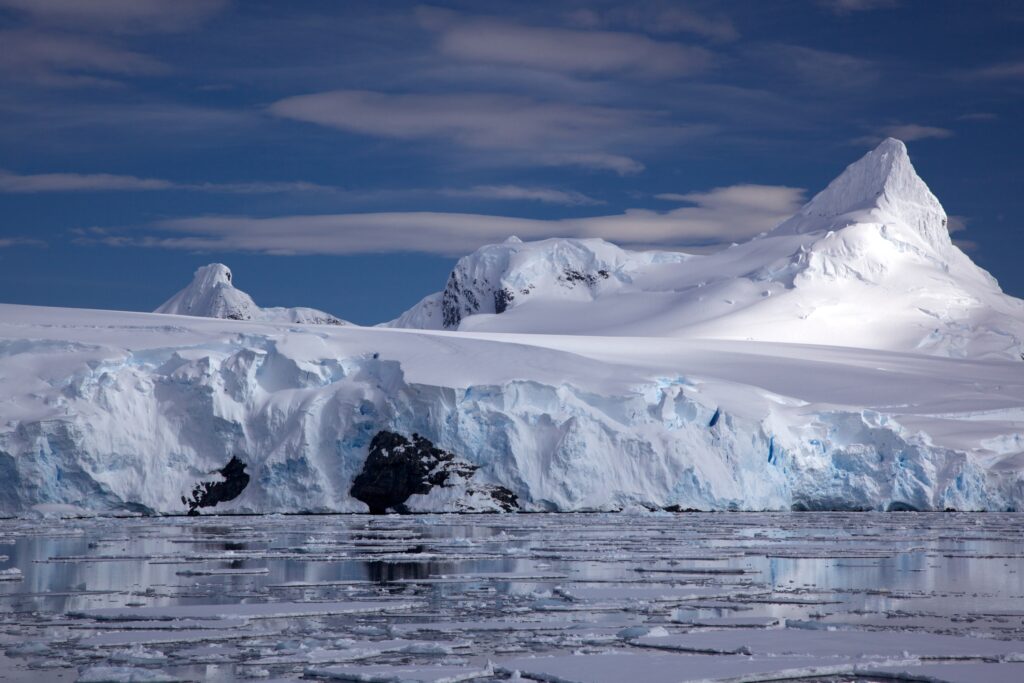
It is hard to imagine that the coldest, windiest, driest continent on Earth was once a place where rivers flowed through green valleys and dinosaurs wandered under leafy canopies. Yet that is exactly what the rocks, fossils, and buried sediments of Antarctica keep telling scientists over and over again. Beneath all that ice is a hidden story of warmth, life, and slow-motion catastrophe written across hundreds of millions of years.
When I first learned that Antarctica used to have forests, it honestly felt like being told the Sahara was once an ocean. It forces you to rethink what you think you know about the planet and how stable it is. Our modern maps feel permanent, but they are really just one freeze-frame from a very long, wild movie in which continents slide around, climates flip, and worlds that feel eternal can vanish.
Antarctica Was Not Always at the Bottom of the World
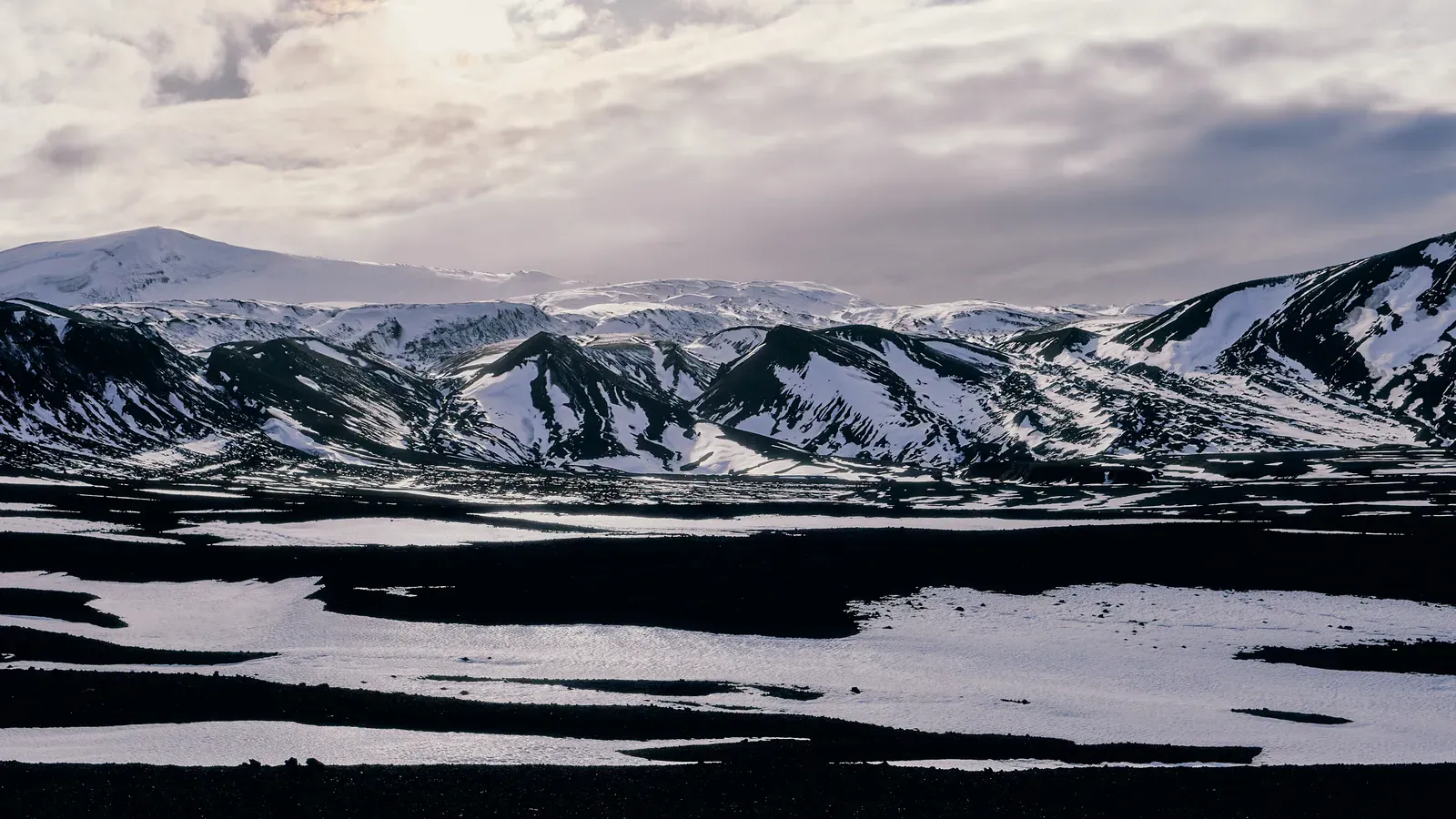
Here is the first mind-bender: Antarctica is only in Antarctica by accident. The landmass we now call Antarctica did not start its life parked over the South Pole as a frozen wasteland. Hundreds of millions of years ago, it was stitched into the supercontinent Gondwana alongside what are now South America, Africa, India, Australia, and the Arabian Peninsula, and large swaths of it sat in far milder latitudes.
As plate tectonics slowly rearranged the planet, pieces of Gondwana broke off and drifted, and Antarctica was carried farther and farther south. This was not a fast, dramatic crash but a crawl, roughly the speed at which human fingernails grow. Over tens of millions of years, that tiny speed added up until Antarctica was effectively parked over the South Pole, where its climate would be reshaped by darkness, cold, and ice.
Fossil Forests and Ancient Rivers Buried Under the Ice
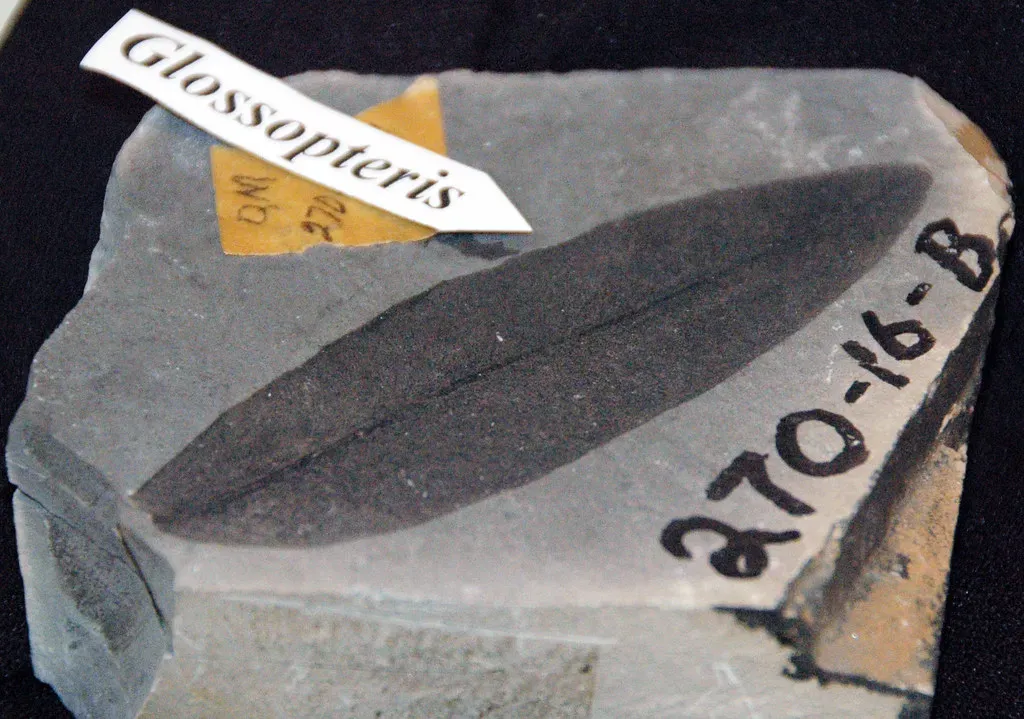
One of the most surprising discoveries to come out of Antarctic fieldwork is the presence of fossilized forests and river systems in places that today are brutally cold and lifeless. In parts of the Transantarctic Mountains and on the Antarctic Peninsula, researchers have found ancient tree trunks, leaves, and pollen grains preserved in rock layers that formed when the continent was still lush. These remains show that dense forests once covered landscapes that are now locked under kilometers of ice.
Geologists have also identified sedimentary rocks that bear the clear fingerprints of rivers and floodplains: cross-bedded sandstones shaped by flowing water, mudstones with ripple marks, and deposits that look like the leftovers of ancient deltas. Together, these clues paint a vivid picture of a continent crisscrossed by streams and rivers, draining into shallow seas and inland basins rather than sitting lifeless beneath an ice sheet.
Dinosaurs and Other Strange Creatures of the Southern Continent
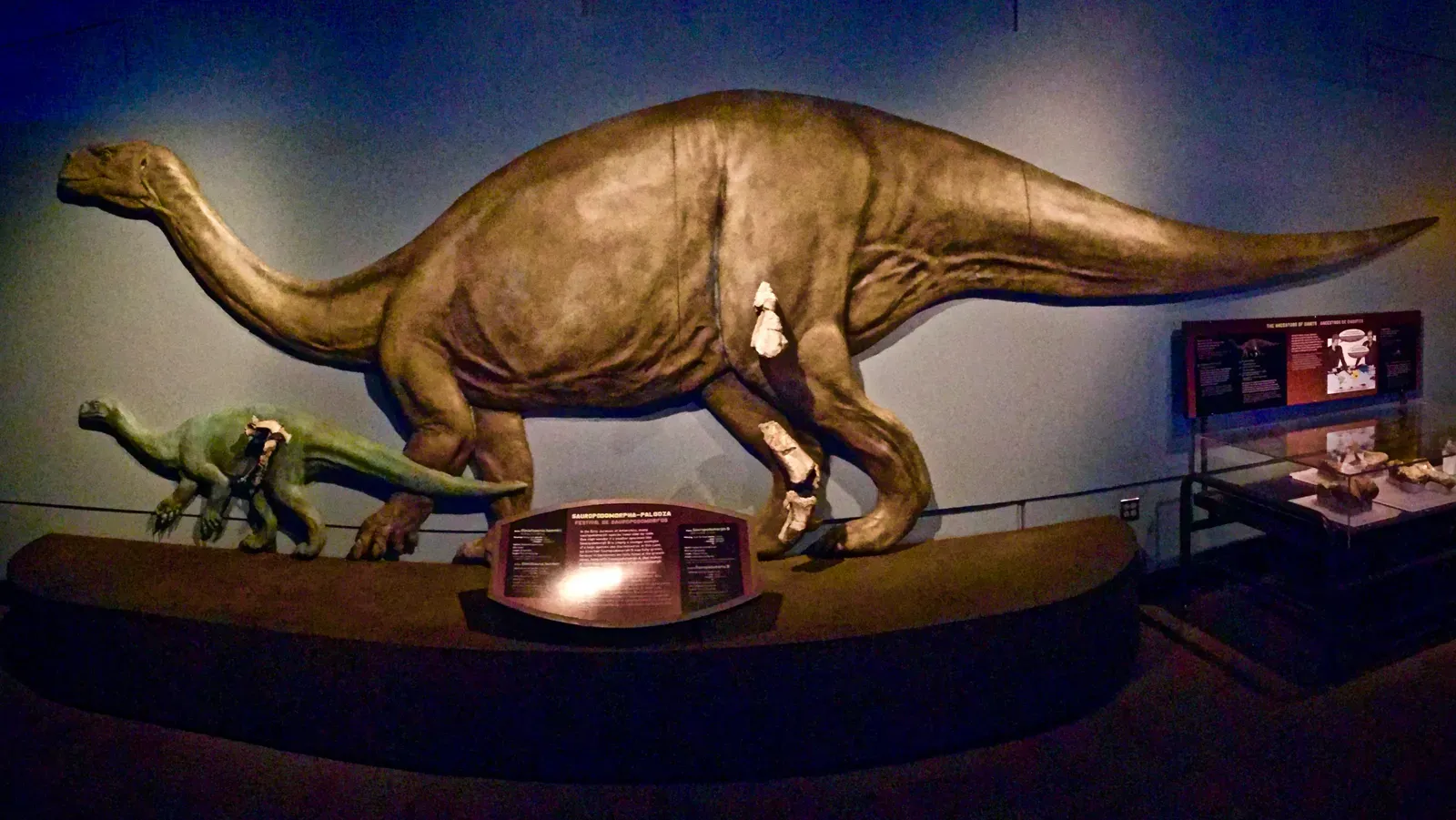
It turns out that dinosaurs did not just roam the classic postcard landscapes of North America and Asia; some lived in what is now Antarctica as well. Fossil digs have uncovered remains of large plant-eating dinosaurs, carnivorous species, and smaller, more agile animals that walked this southern world when it was part of Gondwana. Alongside them lived early mammals, amphibians, and marine reptiles that hunted in nearby seas, making ancient Antarctica a fully functioning ecosystem rather than a side note.
Even more intriguing, some of these Antarctic dinosaurs likely had to deal with long polar nights and extended seasons of low light, even if the climate was comparatively mild. That means they were adapted not just to warmth but to weird, extreme light cycles that would challenge many modern animals. The idea of dinosaurs trudging through gloomy, months-long twilights in a forested polar landscape is one of those images that makes deep time feel strangely close and unsettling.
From Greenhouse World to Icy Desert: How the Climate Flipped
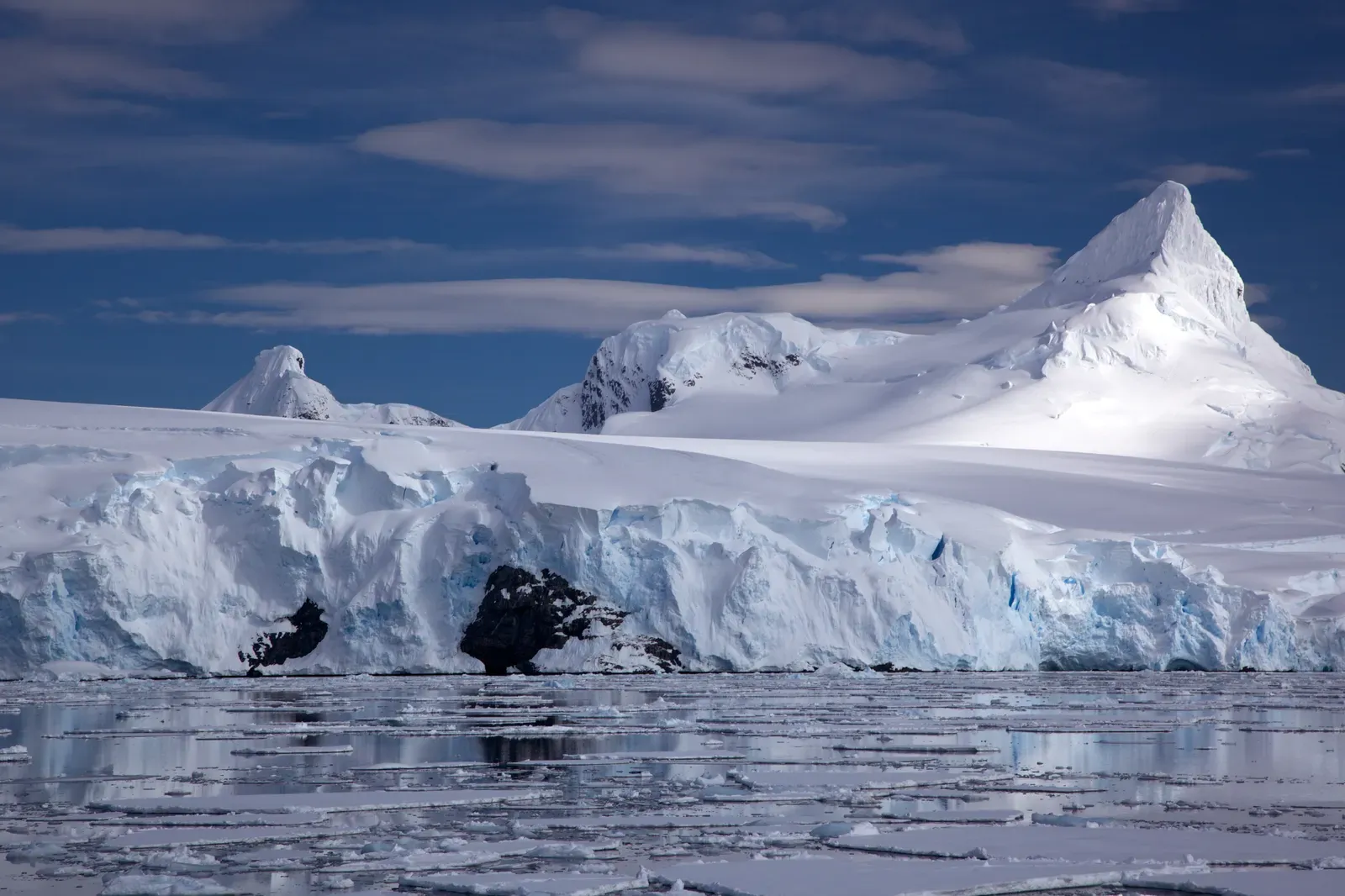
So how do you go from rivers, forests, and dinosaurs to an icebound desert where almost nothing can survive on land? The answer lies in a long, messy shift from a greenhouse Earth to an icehouse Earth. As continents drifted, ocean currents changed, mountain ranges rose, and the atmosphere’s greenhouse gas levels fell, the global climate slowly cooled. Antarctica, sitting ever closer to the South Pole, was hit hardest by those changes.
Eventually, conditions crossed a kind of tipping point where ice sheets could form and persist year-round. Once that happened, the ice itself helped lock in the cold by reflecting a huge amount of sunlight back into space, reinforcing the chill. Over millions of years, this feedback loop transformed a once-green continent into the stark, white, hostile environment we see today, with only tiny pockets of life clinging to exposed rock and the surrounding ocean.
The Role of Continental Drift and the Birth of the Southern Ocean
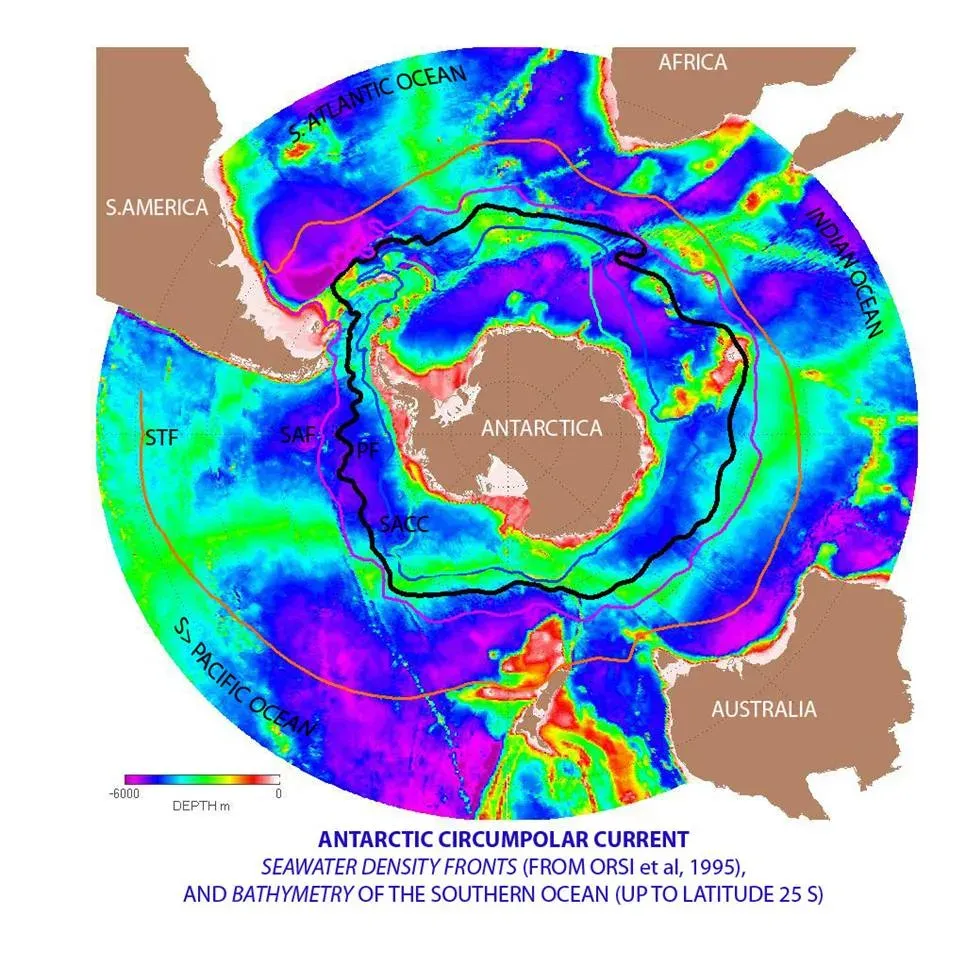
Continental drift did not just move Antarctica south; it also changed how the oceans work around it. As South America and Australia pulled away, a deep-water passage eventually formed all the way around the continent. This allowed a powerful current, the Antarctic Circumpolar Current, to circulate freely around Antarctica, effectively wrapping it in a cold-water barrier that isolates it from warmer waters to the north.
This ring of water is one of the main reasons Antarctica is so cold today. The current acts like a liquid fortress, blocking heat and helping maintain a frigid, stable climate over the continent. Without that circular flow of icy water, Antarctica might not be nearly as deeply frozen as it is now, and its ice sheets could have evolved in a very different way.
What the Hidden Past of Antarctica Reveals About Earth’s Future
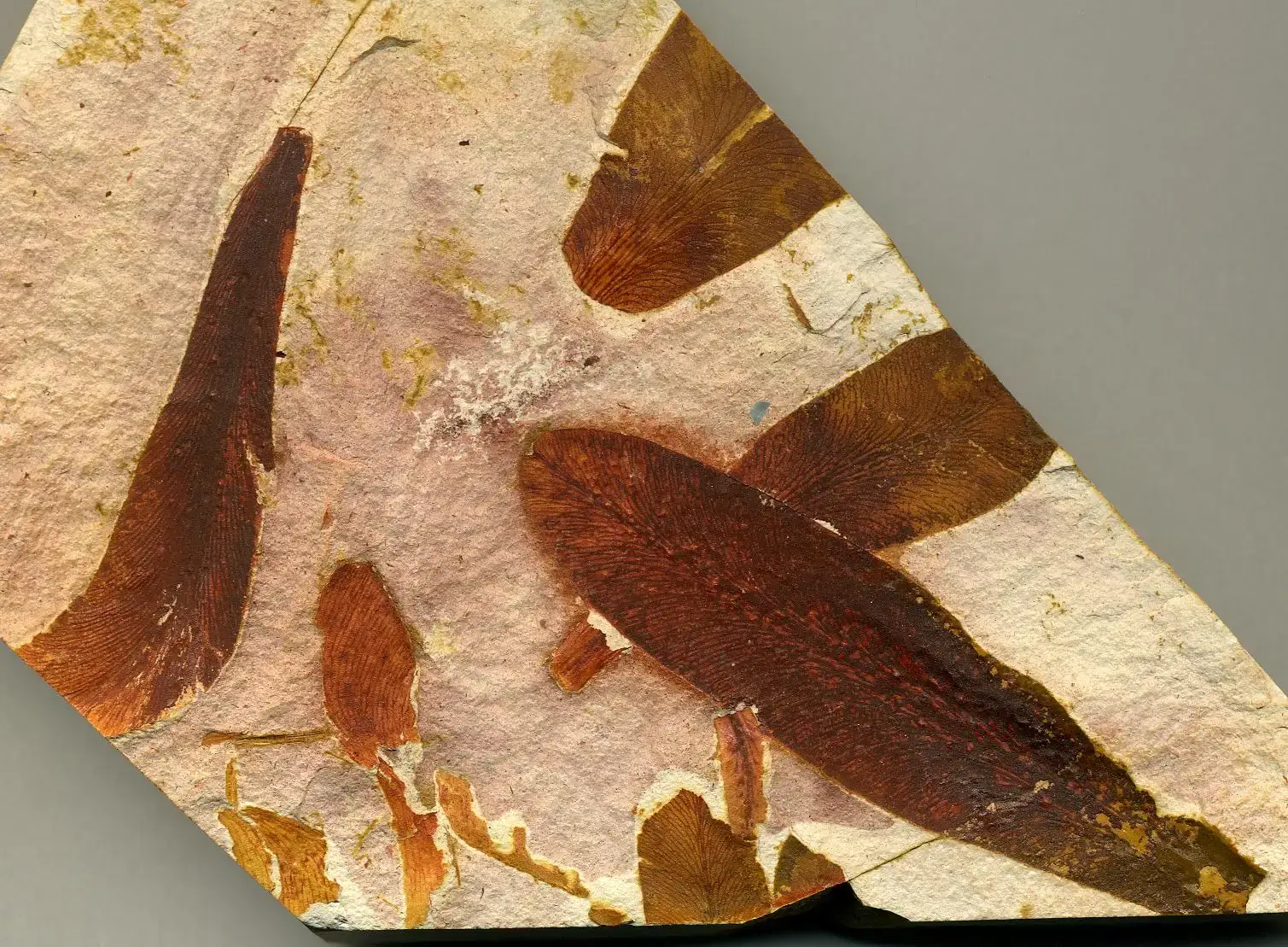
All of this ancient history is not just a fun dinosaur story; it is a blunt reminder that climate and continents are not fixed at all. The fossil forests, river beds, and dinosaur bones of Antarctica prove that even the harshest environments can swing to the other extreme given enough time and the right push. Earth’s climate has flipped between warmer and colder modes over and over, and Antarctica has been a key player and a sensitive indicator throughout those shifts.
What worries many scientists today is that we are now pushing the system in the opposite direction, and we are doing it far faster than the slow drift of continents or natural changes in greenhouse gases. The ice sheets of Antarctica, which took millions of years to build, are starting to show signs of thinning, retreating, and destabilizing in response to modern warming. The fact that this continent was once ice-free is a reminder that its ice is not guaranteed to stay put forever.
Why This Ancient Warm Antarctica Should Matter to You
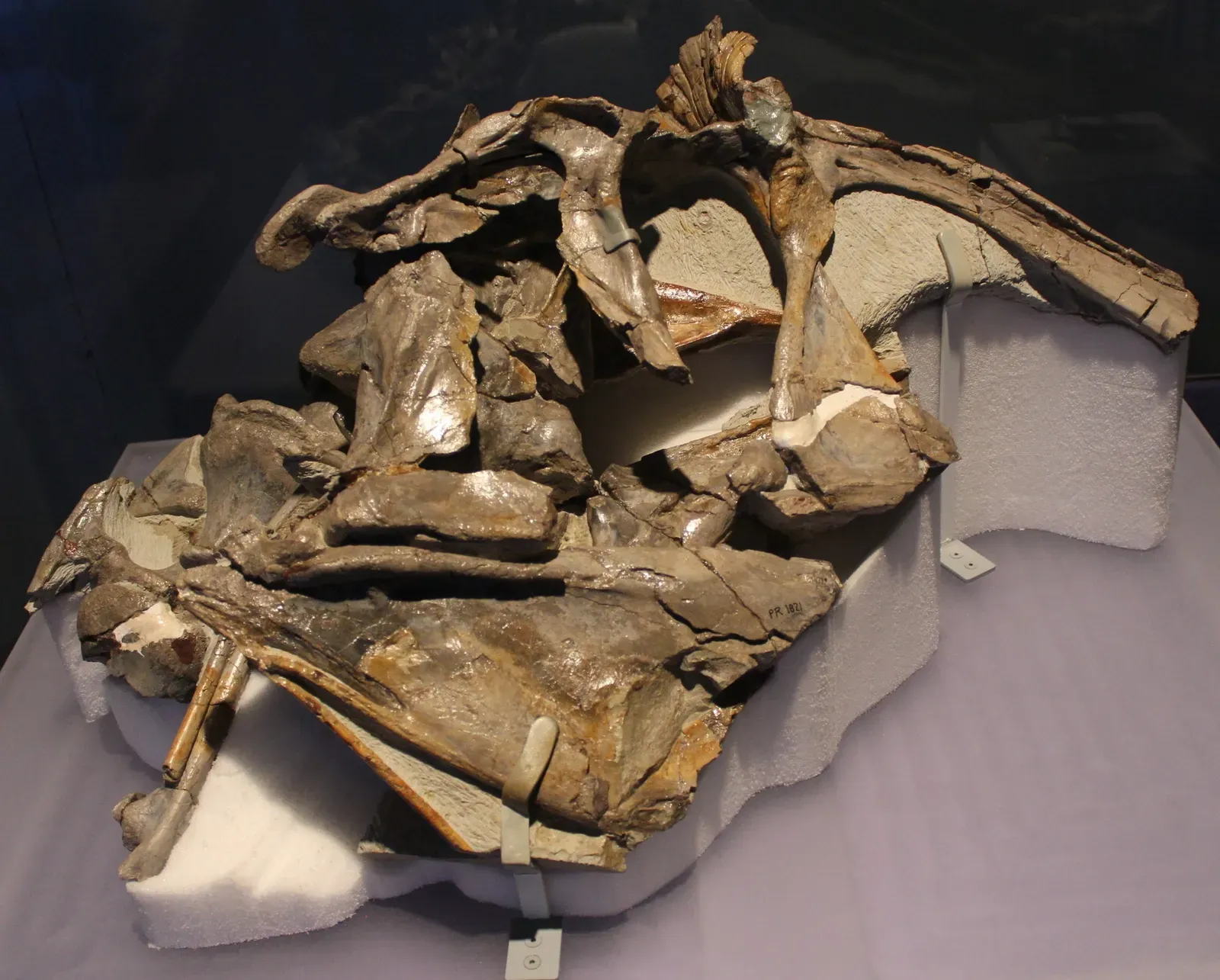
It might be tempting to treat this as a cool piece of trivia and move on, but the story of a forested, dinosaur-filled Antarctica hits uncomfortably close to our current moment. It shows that the line between a frozen world and a warm one is not as thick as we might like to believe. The same basic physics that allowed greenhouse conditions and mild polar climates in the distant past are still at work today, only now humans are adding an extra shove.
Personally, I find it both awe-inspiring and a little unsettling that the continent we think of as the symbol of unbreakable cold has already lived an entirely different life. The fossils whisper that Antarctica can switch identities if the climate tips far enough, given enough time. That should make us ask hard questions about what kind of planet we are nudging toward and whether we are comfortable gambling with ice sheets that hold enough water to redraw every coastline on Earth.
Conclusion: A Frozen Warning Written in Stone
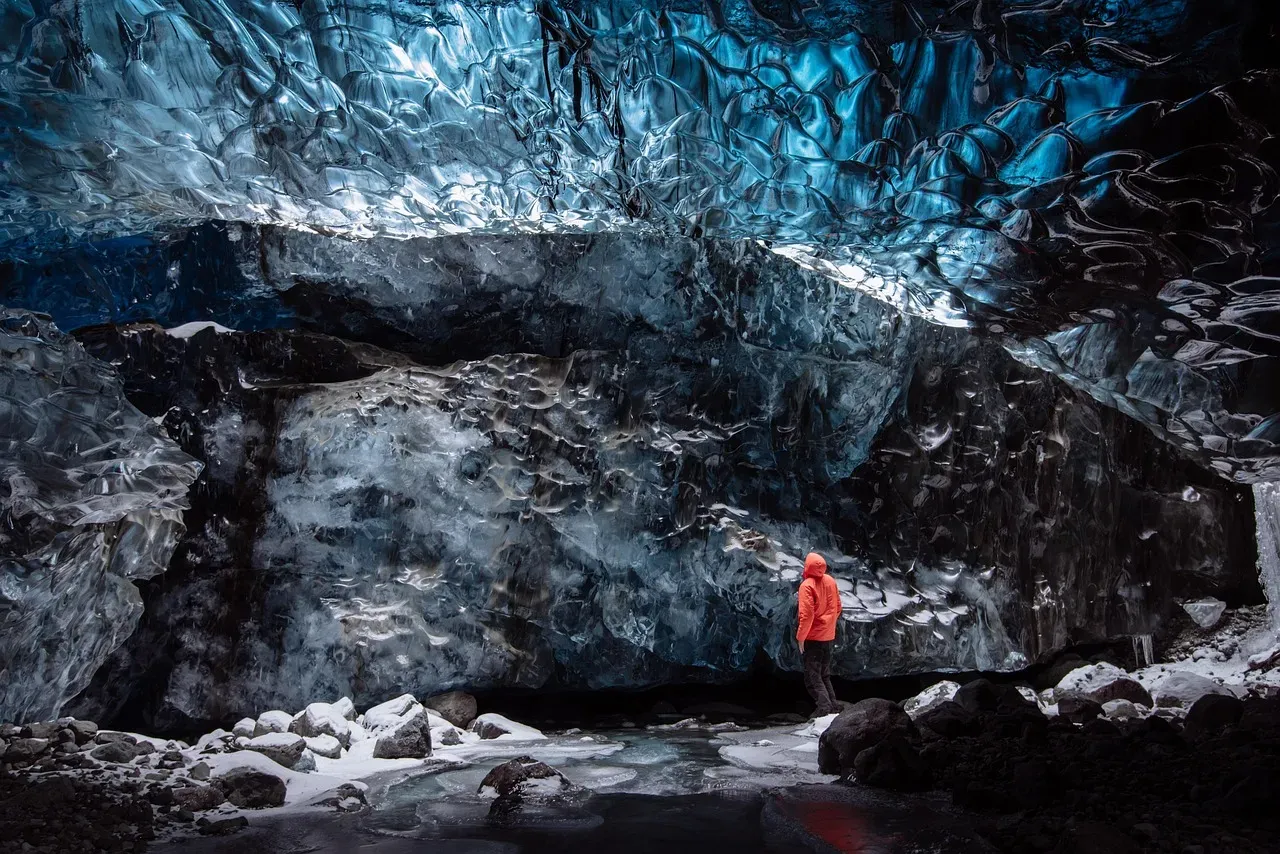
To me, the most striking thing about Antarctica’s lost rivers, forests, and dinosaurs is not just that they existed, but that we mostly forgot they were even possible. Once you accept that the coldest place on Earth used to be green, full of running water and giant animals, it becomes impossible to pretend that today’s climate is permanent or safe by default. The continent’s buried past feels like a warning label printed in rock: this world can and will change, and it does not need our permission.
In that sense, Antarctica is not just a frozen wilderness at the edge of the map; it is a loud, inconvenient argument against complacency. Its deep history tells us that if we keep pushing the climate hard enough, the ice that defines it today may become just another chapter in a long story of upheaval, with consequences that spill far beyond the Southern Ocean. The real question is whether we treat that story as a curiosity from prehistory or as a mirror held up to our future – what do you think it should be?