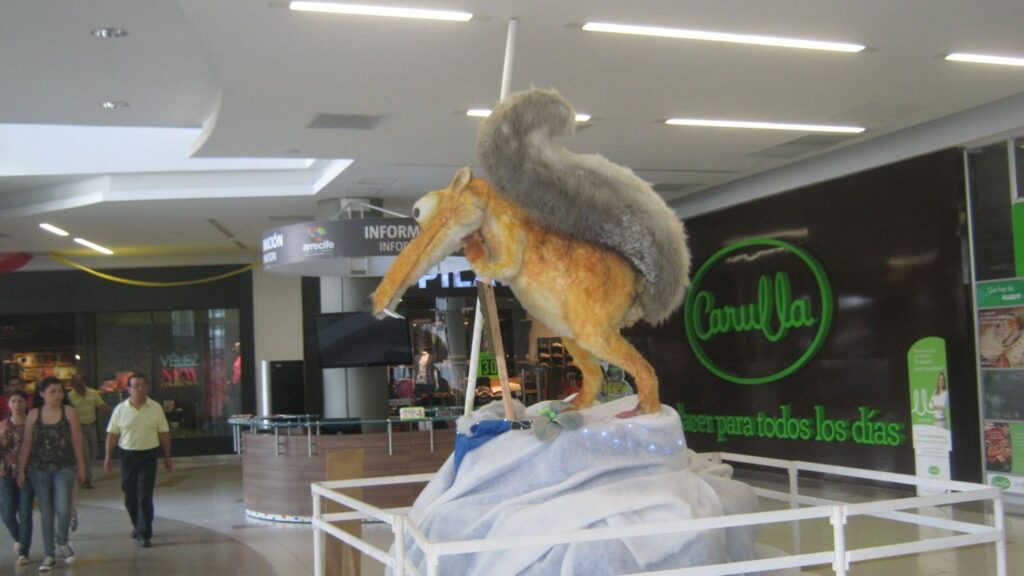
If you have ever watched Scrat from the Ice Age movies spiral into chaos over a single acorn, you probably felt two things at once: he’s hilarious, and he’s completely doomed. There’s something uncomfortably familiar about that frantic little sabertooth squirrel hurling continents around for a snack he never actually enjoys. It is cartoon slapstick, sure, but it also lands as a weirdly accurate mirror of how humans chase some of the most pointless goals in history.
In recent years, a mix of behavioral scientists, evolutionary biologists, and even climate researchers have casually used Scrat as a kind of unofficial mascot for wasted effort and unintended consequences. They do not publish peer‑reviewed papers about him, but they do use the character to explain real concepts: evolutionary traps, sunk cost fallacies, maladaptive behavior, and runaway feedback loops. Once you see Scrat that way, it becomes hard not to line him up next to very real, very human obsessions that consumed lifetimes, fortunes, and sometimes entire civilizations – and still ended up nowhere.
The science of obsession: why Scrat never lets go
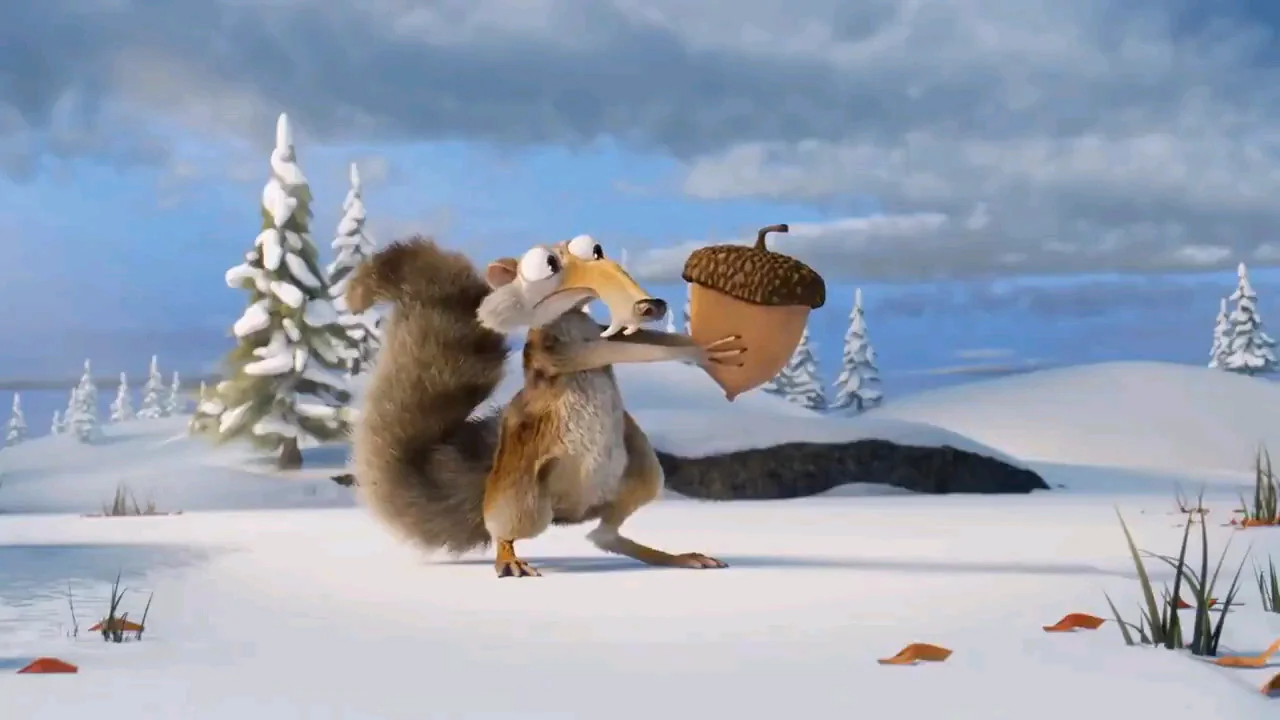
The wild thing about Scrat is that his behavior is scientifically plausible, just dialed up to cartoon intensity. In biology, animals often get locked into what researchers call evolutionary traps, where an instinct that once helped survival becomes harmful in a new environment. Scrat’s relentless drive to grab and store an acorn reflects a real survival behavior in small mammals, but the context has shifted; instead of avoiding starvation, his obsession casually disrupts tectonic plates and triggers cataclysms. The instinct is ancient, the world has changed, and he has absolutely no off switch.
Psychologically, Scrat is a walking example of the sunk cost fallacy. Once he has invested time, energy, and pain into chasing the acorn, giving up becomes unthinkable, even when the risk is obviously catastrophic. Humans do this all the time with failing projects, toxic jobs, and doomed investments: we keep going because we have already gone so far. I see echoes of Scrat whenever someone says they cannot leave a dead‑end career because they already put years of education into it. The acorn is not just a nut; it is identity, status, and the illusion that the next attempt will finally make it all feel worthwhile.
From nuts to nukes: when small goals create massive unintended damage
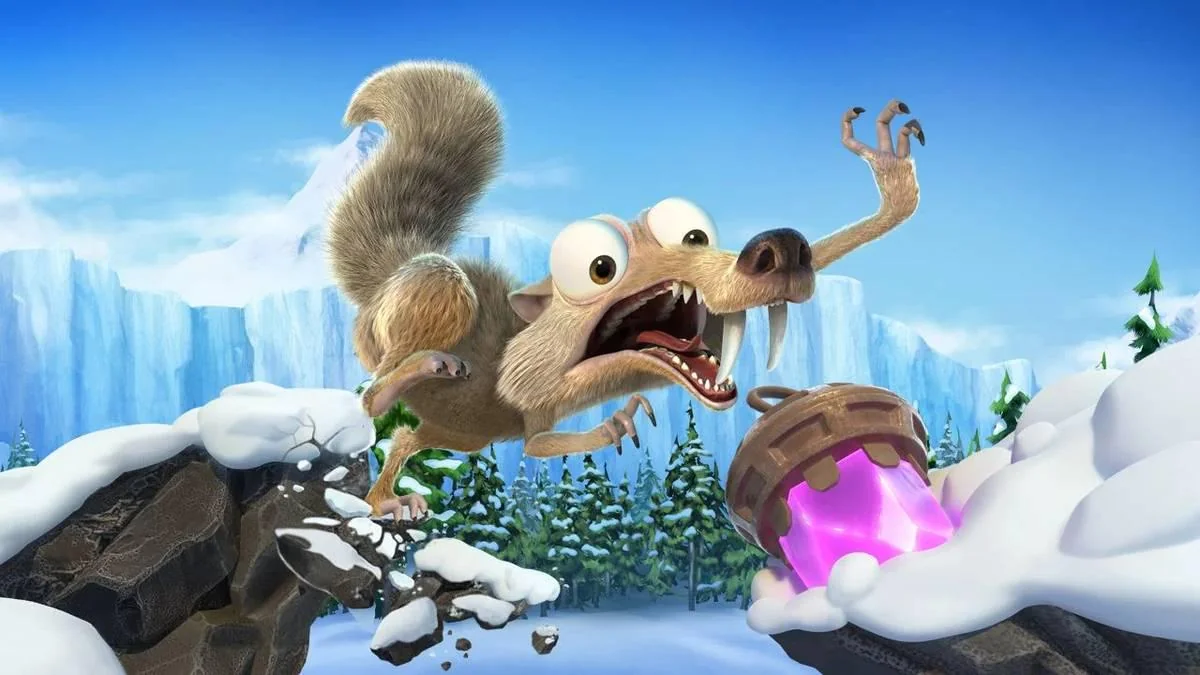
One of the running jokes in Ice Age is that Scrat’s tiny personal goal – holding on to a single acorn – keeps colliding with planetary systems. In one scene, he cracks the ground and helps set off massive ice shifts; in another, his chaos reaches out into space. It is funny until you realize that history is full of small, tightly focused goals that spiraled into consequences no one planned for. Scientists sometimes talk about this as a problem of complex systems: you push in one corner, and the entire structure rearranges itself in ways that are hard to predict.
Think about projects that began as narrowly defined technical challenges and ended up transforming geopolitics and daily life in ways their original designers never seriously mapped out, like the race for more powerful weapons or the drive to maximize fossil fuel extraction. The initial aim was simple and concrete – win a war, grow an economy, outcompete a rival – but the ripple effects altered climate systems, international stability, and how safe people feel in their own cities. Scrat drilling his acorn into the ice is the cartoon version of that pattern: focus so intensely on one small metric that you forget the rest of the world exists, until it literally cracks open under your feet.
Glorious wastes of effort: how history specializes in losing battles
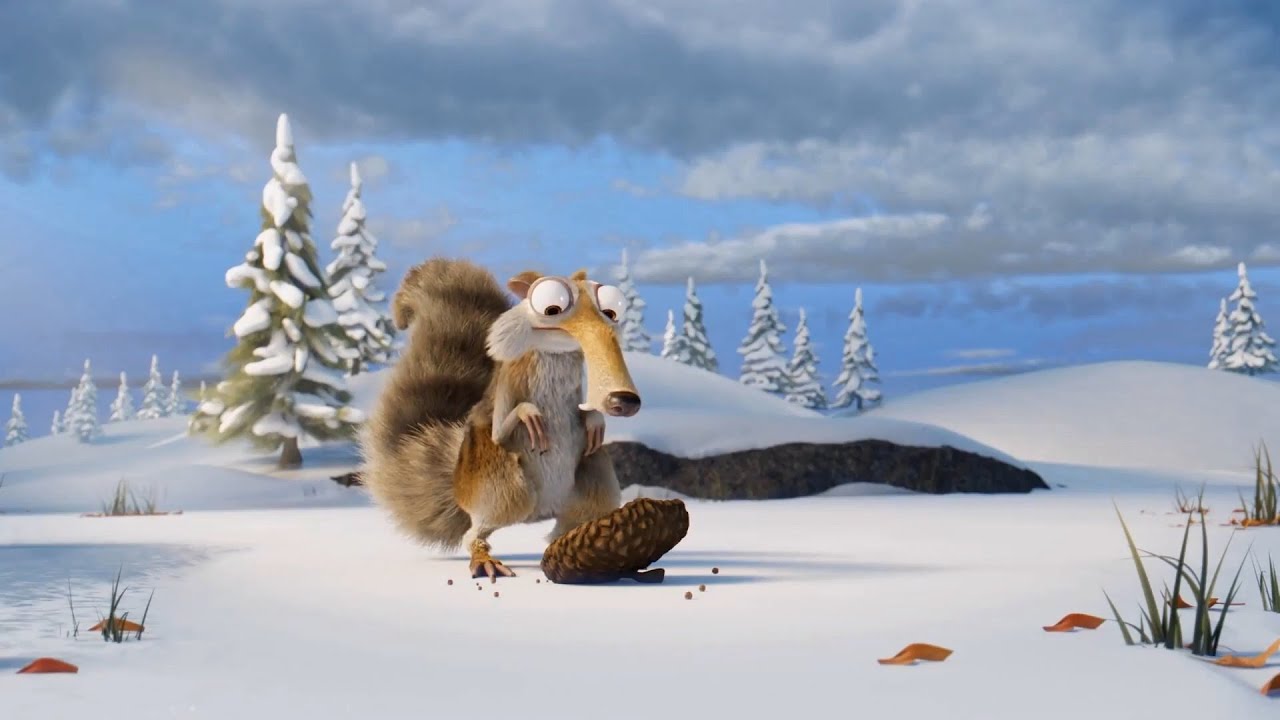
Scrat’s entire existence is a losing streak, which makes him an oddly good mascot for some of the grandest futile endeavors humans have ever attempted. History is crowded with projects that consumed vast resources but ultimately failed at their primary goal: monumental walls that did not stop invasions, lavish palaces that bankrupted kingdoms, or obsessive quests for resources and mythical routes that never quite delivered. The emotional core is always the same: leaders and societies doubling down on a story that this next campaign, this next expedition, this next treaty will finally secure the acorn.
Modern researchers often unpack these episodes as case studies in overconfidence, poor feedback loops, and ideological rigidity. Once enough prestige, money, and identity get tangled up in a goal, stepping back starts to feel like humiliation instead of wisdom. I remember visiting an abandoned megaproject site as a kid – half‑finished concrete shells, rusting cranes, no clear purpose anymore – and thinking it looked exactly like the aftermath of one of Scrat’s disasters. The acorn had vanished, the dream was gone, but the ruins of the chase were still sitting there, quietly mocking everyone who believed it was inevitable progress.
Why we relate to Scrat: the brain chemistry of chasing the unattainable
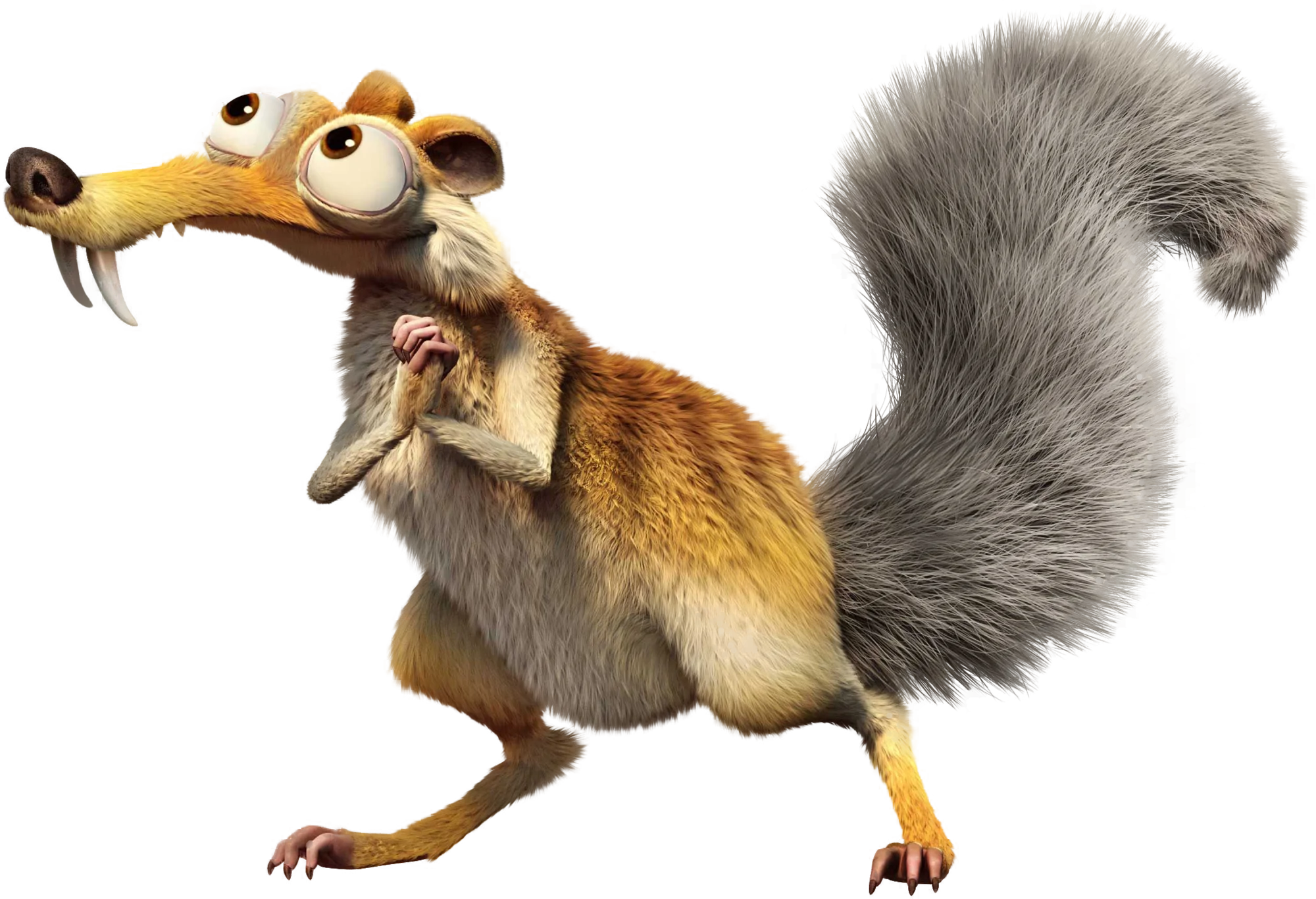
Part of why Scrat is so uncomfortably relatable is that our brains are wired to overvalue the chase. Neuroscientists have shown that anticipation and uncertainty light up reward circuits more intensely than predictable satisfaction. In plain terms, your brain often gets more excited about maybe getting the thing than actually having it. Scrat never really eats the acorn, and in a strange way, that keeps the story going; once you finally get what you want, the dopamine spike fades, and you are left looking for the next hit.
On a smaller scale, you can see this in everyday habits: refreshing social apps just in case there is something new, grinding for digital rewards in games, or endlessly tweaking a project that never feels finished. On a larger scale, it shows up in career ladder‑climbing and personal branding, where there is always another title or follower milestone waiting just out of reach. I catch myself doing this with work goals sometimes, promising that I will relax after the next milestone, then immediately shifting the target. Scrat’s absurd, slapstick suffering is just the cartoonized version of a very familiar mental loop: almost there, almost there, almost there – until you realize you have spent years hanging off a cliff for something that never arrives.
Scrat vs science: what actual researchers say his world gets right and wrong
When scientists and science communicators talk about Ice Age and Scrat, they usually admit the obvious: the timeline and the physics are a mess. Different prehistoric species are jammed together in ways that never happened, and Scrat’s acorn antics do not literally drive continental drift or cosmic events. Yet, some researchers use that exaggeration on purpose when they explain ideas like feedback loops, climate tipping points, and evolutionary behavior. They lean into the absurdity as a way to make abstract systems feel emotionally graspable, especially for kids and non‑specialists.
From an evolutionary and ecological standpoint, Scrat represents a mashup of traits from real animals – cache‑hoarding rodents, hyper‑vigilant prey species, and the sheer desperation of survival in harsh climates. The acorn is biologically plausible as a crucial food source, even if the scale of destruction is not. That blend of reality and nonsense actually mirrors how popular culture handles science more broadly: enough truth to resonate, enough fantasy to entertain. When researchers jokingly call Scrat one of history’s most futile characters, they are not making a literal historical ranking; they are using him as a shorthand for how easily a survival mechanism can tip into pure self‑sabotage when the environment shifts faster than instincts can keep up.
What Scrat teaches us about stopping before we break the ice

If there is one uncomfortable lesson buried under all of Scrat’s slapstick, it is this: not every acorn is worth the crater it leaves behind. In real life, we rarely get the cinematic clarity of watching a single action split glaciers or tilt planets, but the pattern is similar in slow motion. We pour energy into goals that once made sense – chasing status symbols, propping up outdated industries, defending institutions that no longer serve people – and then act shocked when cracks start showing in social, economic, or environmental systems. Scrat makes those cracks visible in seconds; our world hides them behind quarterly reports and polite speeches.
My own opinion is that Scrat’s obsession earns its place alongside history’s most futile endeavors precisely because it never questions itself. That is the real danger, not the acorn itself but the refusal to ask whether the chase still makes sense. If anything, we should treat Scrat less as a harmless cartoon gag and more as a warning label for our own fixations. The next time you find yourself throwing good time after bad, hanging off a metaphorical cliff for a prize that keeps slipping away, it might be worth asking: is this my acorn moment, and do I really want to be the one who cracks the ice for it?