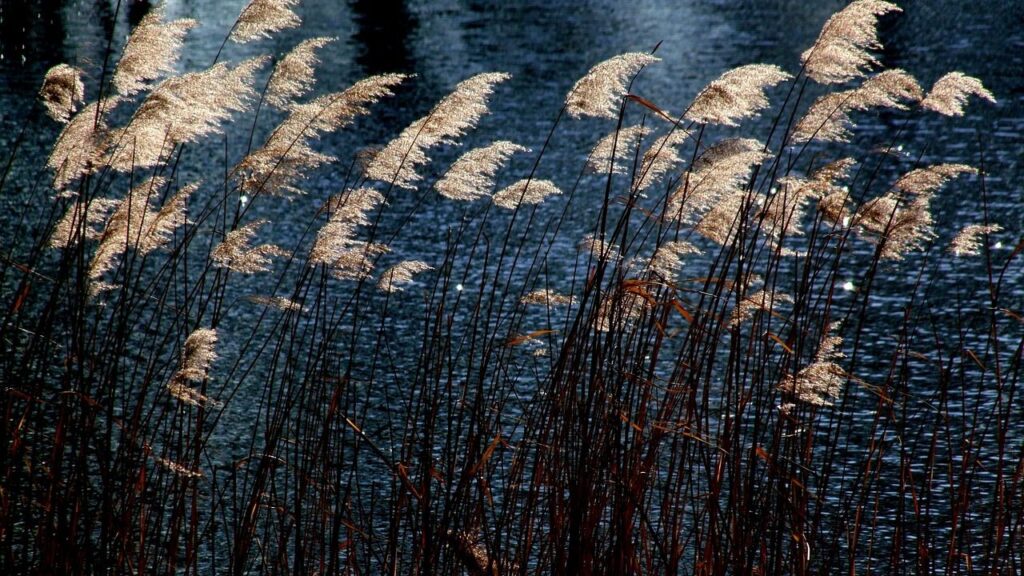
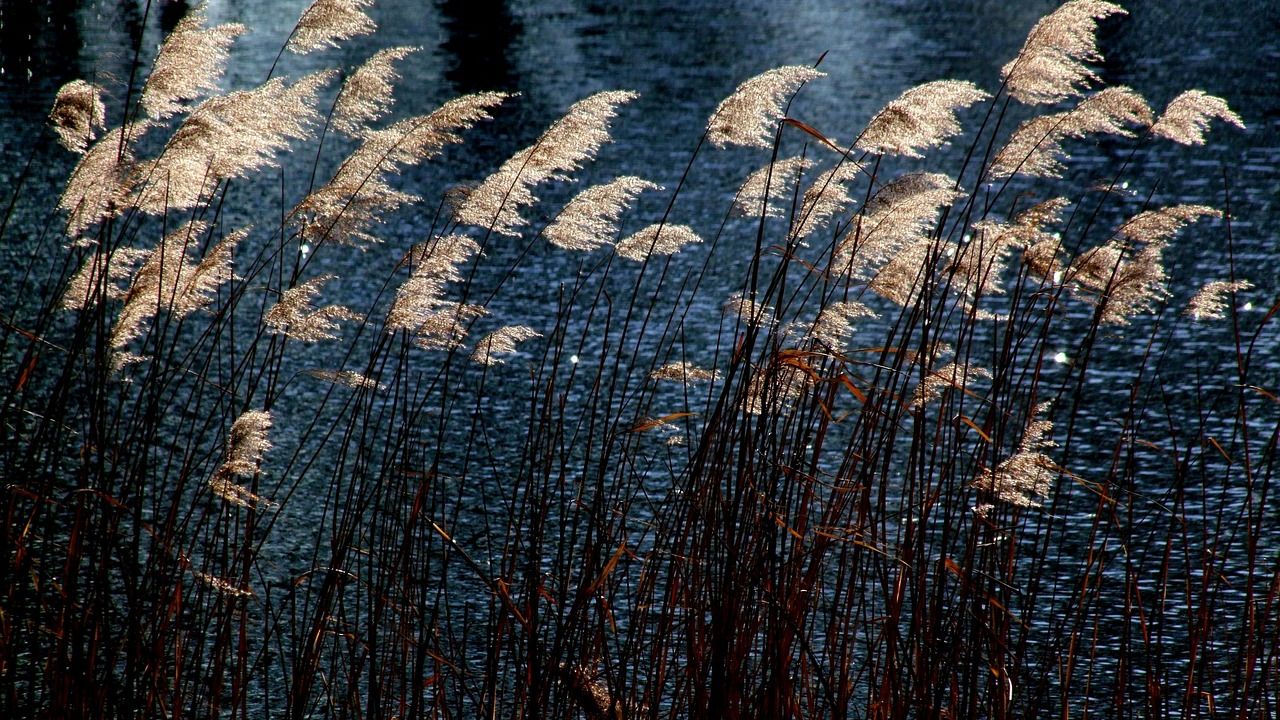
Seagrass found to produce new genetic individuals rather than clone itself, offering hope for 'underwater meadows' – Image for illustrative purposes only (Image credits: Pixabay)
Along the coasts of Western Australia, vast underwater meadows of seagrass quietly support entire marine ecosystems. These plants filter water, store carbon, and shelter fish, turtles, and dugongs. Until recently, scientists knew little about how one key species actually reproduces, leaving conservation efforts without a clear path forward.
Hidden Reproduction in Plain Sight
Researchers at Murdoch University turned their attention to Amphibolis antarctica, a viviparous seagrass that develops seedlings while still attached to the parent plant. This process resembles live birth in animals more than the seed dispersal seen in most terrestrial plants. The team suspected sexual reproduction was at work, yet confirmation required careful observation both in the field and in controlled tanks.
Scuba divers collected male and female shoots from two meadows during spring. In laboratory seawater tanks, seedlings formed only when male and female plants shared the same environment. Female shoots isolated from males grew normally but produced no offspring. Field monitoring showed pollen release followed by fertilization, with the first seedlings appearing roughly 110 days later.
Proof of New Genetic Individuals
Microscopic examination confirmed the process. Pollen tubes grew toward the ovary, embryos developed, and 70 percent of female flowers ultimately produced seedlings. These young plants carry genetic material from both parents rather than identical copies of a single clone. Such diversity equips meadows to withstand disease outbreaks, marine heatwaves, and shifting ocean conditions far better than uniform clonal stands.
Professor Jennifer Verduin, lead author of the study published in Frontiers in Conservation Science, noted the practical value. “Seedlings emerge after underwater pollination and fertilization,” she said. “That means the drifting seedlings seen in the ocean aren’t just copies of the parent plant, they are new genetic individuals.”
Practical Steps for Meadow Recovery
The findings open a straightforward restoration route. Free-floating seedlings can be collected without harming existing meadows and replanted in suitable areas. This approach avoids the risks of transplanting fragments from a single genetic source, which could leave new beds vulnerable to future stresses.
Verduin emphasized broader protection measures. Restoration projects should draw from multiple local patches and safeguard conditions that support flowering and pollination. Simple actions such as avoiding dredging or anchoring in key zones can help maintain the full reproductive cycle.
Why Genetic Variety Matters Now
Seagrass meadows deliver measurable benefits: nursery habitat for fisheries, sediment stabilization that curbs coastal erosion, and long-term carbon storage in their sediments. When genetic diversity declines, these services weaken. The new evidence shows that supporting natural sexual reproduction strengthens resilience across entire ecosystems.
Healthy meadows ultimately support clearer waters, more stable coastlines, and thriving marine life. Protecting the processes that generate new genetic individuals offers one of the most direct ways to secure those gains for the future.