Whitley Bay – A young seal pup dodged a potentially fatal encounter with discarded fishing gear on St Mary’s Island. Volunteers spotted the animal at a seal haul-out, its neck ensnared in netting that threatened to tighten further. Conservation teams acted swiftly once conditions allowed access, underscoring the quiet hazards lurking in coastal waters.
Swift Action at the Haul-Out
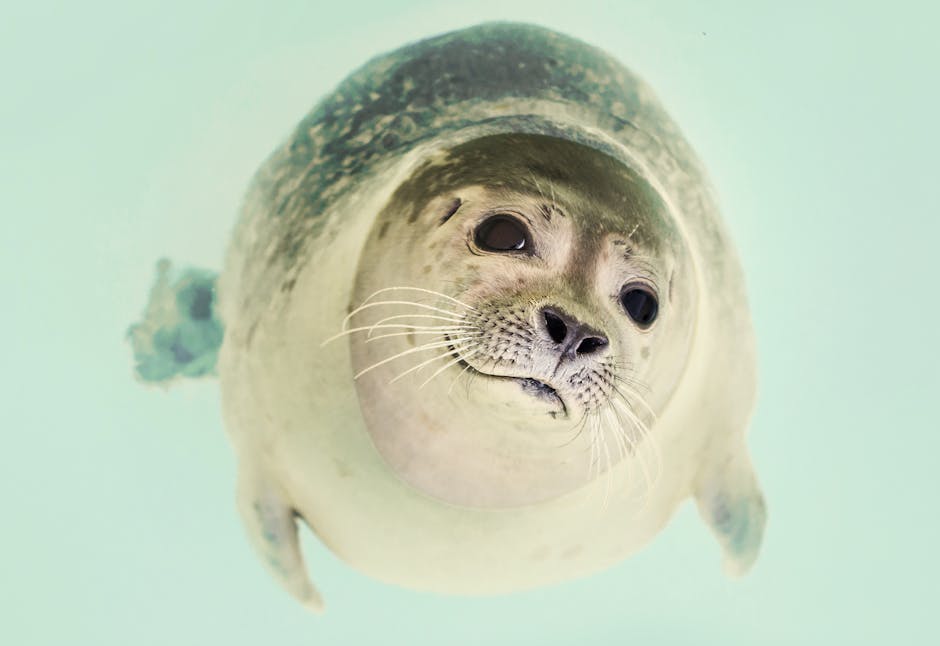
Swift Action at the Haul-Out (Image Credits: Pexels)
The pup, roughly 3.3 feet long and a couple of months old, drew attention from a vigilant volunteer patrolling the island. Teams from the St Mary’s Island Wildlife Conservation Society monitored the situation closely. They held off until the incoming tide provided safe passage across rocks, avoiding disturbance to nearby seals that might have plunged into dangerous waters.
Once alongside the feisty pup, rescuers carefully cut away the strong netting. The animal showed no lasting harm, having become trapped only recently. It soon scampered back toward the sea, a testament to the precision of the operation.
Ghost Gear: A Persistent Marine Menace
Discarded fishing nets, known as ghost gear, continue to claim lives long after fishermen abandon them. These remnants drift with currents, ensnaring wildlife in remote areas. Globally, estimates place lost gear at 500,000 to one million tons annually, comprising up to 10 percent of marine litter.
In UK waters, such equipment poses ongoing risks to coastal ecosystems. Nets retain their lethality for years, slicing into flesh or restricting movement. The St Mary’s incident served as a stark reminder of how everyday fishing losses amplify into ecological threats.
Seals’ Curiosity Fuels Vulnerability
Young seals often investigate novel objects like netting or plastic rings during play or foraging. This inquisitive nature turns harmless debris into traps. Entanglement around the neck, as seen here, can lead to strangulation or starvation if undetected.
- Neck constriction prevents breathing and feeding.
- Dragging gear exhausts the animal over time.
- Infections develop from cuts in sensitive skin.
- Predator avoidance becomes impossible.
- Mobility loss strands pups far from safety.
The conservation society reported frequent encounters with injured seals from similar causes. Prompt intervention remains crucial, as delays often prove irreversible.
Community Efforts Combat the Threat
Local groups like the St Mary’s Island Wildlife Conservation Society lead regular patrols and clean-ups along North East England coasts. Volunteers remove debris before it drifts offshore. Broader initiatives urge fishermen to report losses and adopt gear-marking practices.
National campaigns highlight beach cleans and diver-led retrievals from seabeds. Such actions mitigate ghost gear’s spread, protecting species beyond seals. Partnerships with authorities ensure safe handling during rescues.
| Challenge | Solution |
|---|---|
| Remote access to haul-outs | Tide-timed approaches |
| Strong, hidden netting | Specialized cutting tools |
| Disturbing seal colonies | Experienced handlers |
These strategies have freed numerous animals, though vigilance persists.
Key Takeaways
- Early detection prevents ghost gear fatalities.
- Volunteer monitoring saves lives at key sites.
- Reducing lost gear protects entire marine food webs.
This rescue reinforced a vital truth: small actions on shore ripple into ocean preservation. Discarded nets claim countless victims yearly, but community resolve offers hope.[6] What steps can locals take to curb ghost gear in your area? Share your thoughts in the comments.