Virginia – A three-year-old female North Atlantic right whale stranded on a remote barrier island off the Eastern Shore, representing the second confirmed death for the critically endangered species this year.
Swift Succession of Losses Strikes the Species
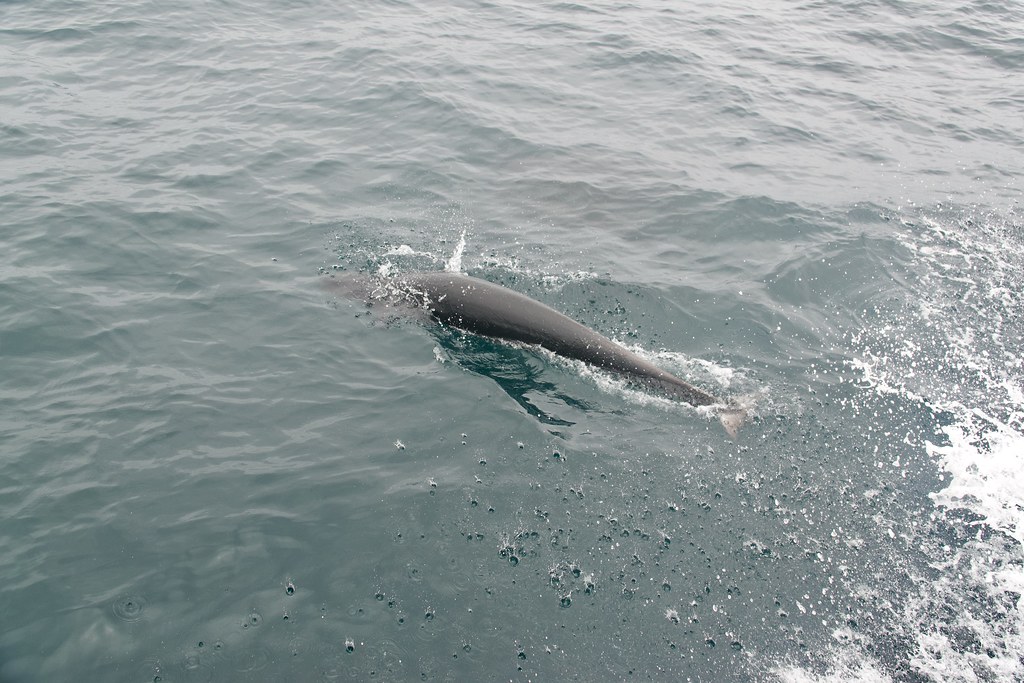
Swift Succession of Losses Strikes the Species (Image Credits: Flickr)
Biologists discovered the carcass on February 10, prompting swift identification by experts at the New England Aquarium. The whale turned out to be the 2023 calf of a known female named Porcia, catalog number 3293. This marked a heartbreaking milestone for Porcia, who previously lost two other calves. Less than two weeks earlier, on January 27, another right whale named Division, a four-year-old male catalog number 5217, washed ashore off North Carolina. NOAA Fisheries determined Division died from severe injuries sustained in fishing gear entanglement.
These back-to-back deaths heightened concerns among scientists tracking the population. The Virginia Aquarium & Marine Science Center first reported the Virginia stranding to federal authorities. Officials now plan a necropsy despite the remote location, though the cause remains undetermined.
A Precarious Population on the Brink
North Atlantic right whales number around 380 individuals worldwide, including just 70 breeding females. The species faced near extinction by the 1920s after centuries of whaling, rebounding slightly post-1935 ban before recent sharp declines. An ongoing Unusual Mortality Event declared by NOAA in 2017 has claimed 43 confirmed deaths to date, including this latest case.
Each loss carries outsized impact in such a small group. Conservationists emphasized that young whales like this female represent future breeding potential. The species’ slow reproduction – females birth one calf every three to five years – compounds the crisis.
Primary Threats Driving Mortality
Ship strikes and entanglements in fishing gear dominate as human-related killers. Right whales swim slowly near the surface, their dark bodies and lack of dorsal fins make them hard to spot from vessels. Ropes from lobster and crab pots often ensnare mouths, fins, or tails, leading to starvation, infection, or exhaustion.
- Ship strikes: High-speed collisions cause blunt trauma, especially in busy shipping lanes.
- Fishing gear entanglements: Accounted for Division’s death; slows whales, prevents feeding.
- Historical whaling: Reduced numbers from over 20,000 pre-1900 to under 100 by 1930s.
- Climate impacts: Shift prey distribution, forcing whales into riskier areas.
- Low reproduction: Only 70 breeding females limit recovery.
NOAA and groups like Oceana track these incidents closely. Division’s entanglement began off Georgia in December 2025.
Calls Grow for Stronger Protections
Scientists and organizations urged immediate action following the strandings. Environment Virginia’s state director described the losses as devastating, pushing for reduced entanglements and strikes. NOAA maintains health updates on its site, detailing each case.
The New England Aquarium highlighted the whale’s prior sighting in Cape Cod Bay in 2023. Efforts include gear modifications and vessel speed limits, yet mortality persists. Conservation groups advocate expanded measures to avert extinction.
Key Takeaways
- Two right whale deaths in early 2026 underscore the Unusual Mortality Event’s toll.
- Population hovers at 380, with ship strikes and entanglements as top killers.
- Urgent need for fishing gear reforms and shipping regulations to save the species.
These tragedies signal a critical juncture for North Atlantic right whales, where every individual counts toward survival. Stronger safeguards could turn the tide before numbers dwindle further. What do you think about these ongoing losses? Tell us in the comments.