Northeastern Kenya endured one of its most punishing dry spells recently, with failed rainy seasons leaving pastoralists desperate and their herds starving.
Livestock Losses Signal Imminent Human Catastrophe
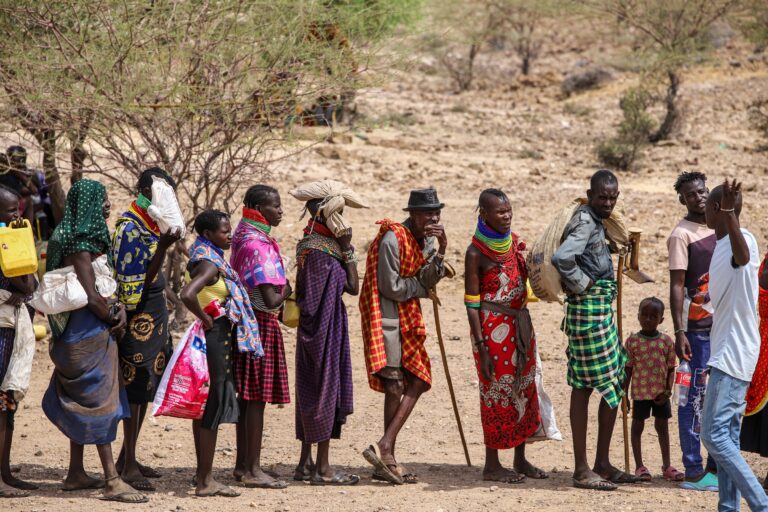
Livestock Losses Signal Imminent Human Catastrophe (Image Credits: Imgs.mongabay.com)
Emaciated cattle and goats collapsed across arid landscapes near the Somali border, marking the onset of a broader crisis. In Mandera County, residents reported entire herds wiped out after months without rain.
Cattle-keeping communities, long reliant on animals for milk and income, watched helplessly as animals trekked up to 150 kilometers for water only to die en route. Bishar Mohamed lost nearly all 170 of his goats during such a journey, forcing him to burn the carcasses in distant fields to ward off disease and scavengers.
National authorities classified Mandera at “alarm” status, the highest drought phase, due to critical water shortages. Over 25,000 livestock perished in the county alone by late January.
Over Two Million Grapple with Food Insecurity
Drought conditions afflicted 10 counties, pushing more than two million people into acute hunger. The United Nations noted that northeastern pastoralists suffered most, as livestock deaths stripped families of their primary nutrition source.
Children bore the brunt, arriving at clinics like Banissa Hospital severely malnourished. A 32-month-old girl weighed just 4.5 kilograms upon admission, while others relapsed after returning to homes without milk or food.
Hospital nutritionist Khalid Ahmed Wethow explained that youngsters depended on camel and goat milk, now unavailable. Enrollment at local schools plummeted by half as families migrated in search of pasture.
Drought Spreads Beyond Traditional Hotspots
The crisis extended south to Kajiado County, where Maasai herder Maria Katanga lost over 100 cattle and 300 goats since August. Remaining animals produced no milk, forcing distress sales at rock-bottom prices – a cow fetching 5,000 shillings instead of 60,000.
Local administrator Lemaiyan Samuel Kureko described this drought as the worst in memory, with herders venturing into Tanzania for resources. Competition for water and grazing heightened conflict risks, according to the National Drought Management Authority.
- Mandera: Alarm phase, mass livestock deaths, child wasting.
- Kajiado: Emaciated herds, plummeting livestock values.
- Turkana: Families dig wells in dry pans, queue for aid.
- Broader Horn: Affects Somalia, Ethiopia, Tanzania.
Failed Rains and Regional Echoes
Four consecutive wet seasons failed across the Horn of Africa, with October-December marking the driest since 1981 in eastern Kenya. This echoed the 2020-2023 period, when millions of animals died before aid averted famine in Somalia.
Government and Red Cross ramped up water trucking and cash aid to 130,000 households in northern counties, though southern areas like Kajiado received none. Forecasts predicted below-average March-May rains, prolonging the ordeal.
Key Takeaways
- Over 2 million Kenyans face hunger; livestock deaths exceed 25,000 in Mandera alone.
- Malnutrition surges among children; aid stocks dwindle amid global cuts.
- Drought phases hit “alarm” in northeast; herders migrate amid conflict risks.
As animals perished first, residents like 60-year-old Bishar Maalim Mohammed warned, “Our children are the next ones who are going to die.”[2] This unfolding tragedy underscores the urgent need for sustained relief in Kenya’s drought-prone regions. What steps should the international community take next? Share your thoughts in the comments.