Kathmandu, Nepal — With parliamentary elections set for March 5, 2026, the high-altitude Sherpa villages of Khumbu near Sagarmatha stayed calm, detached from the rallies and posters energizing urban Nepal.
Winter Silence Masks Growing Perils
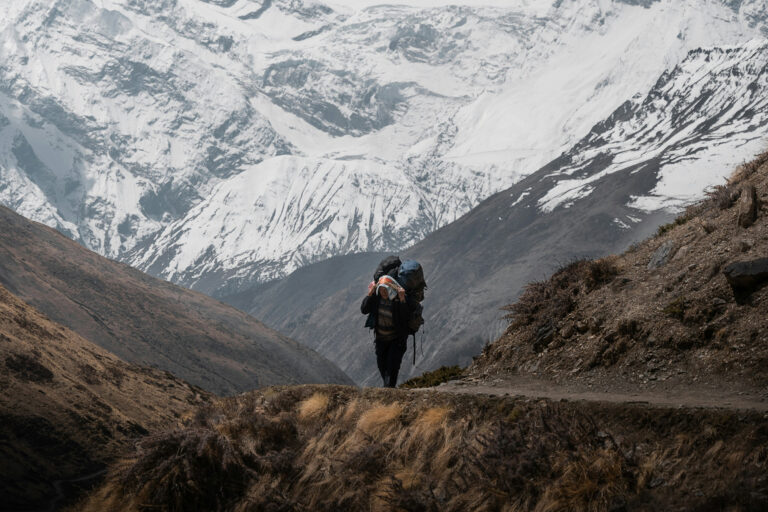
Winter Silence Masks Growing Perils (Image Credits: Imgs.mongabay.com)
Harsh winters and seasonal migration emptied hamlets like Namche Bazaar, Lukla, and Pangboche, leaving trails quiet under thinning snow. Residents such as Sonam Sherpa from Lukla noted that most families relocated to Kathmandu, prompting candidates to campaign there instead. Upper Khumbu saw few rallies, as efforts targeted lower Solu areas with steadier populations. This dynamic reduced political engagement in the Everest heartland.
Mingma Sherpa, a Namche hotelier and Youth Club president, observed that politicians offered only brief visits amid the rugged terrain. Solukhumbu district, spanning 2.3% of Nepal’s land, held just one seat in the 275-member lower house. In contrast, Kathmandu claimed 10 seats despite covering only 0.6% of the area. Such disparities amplified the voices of denser populations over remote ones.
Erratic Weather Signals Deeper Crisis
Lodge operator Ang Norbu Sherpa in Pangboche reported no proper snowfall this season, alongside erratic rainfall that disrupted patterns. Pasang Gyalzen Sherpa, chair of Khumbu Pasang Lhamu Rural Municipality Ward 5, recalled recent glacier incidents, including floods that ravaged Thame village from a glacial lake outburst. These events echoed broader Himalayan shifts documented in the IPCC’s sixth assessment report.
Elevation-dependent warming accelerated temperature rises at high altitudes, hastening glacier retreat and heightening avalanche risks. Changing snow and monsoon cycles threatened water supplies downstream. Sonam Sherpa lamented that locals discussed these changes privately, while candidates emphasized roads and power. Disaster readiness strained local resources, with scant aid from central or provincial levels.
Infrastructure Dominates Campaign Pitches
Voters prioritized tangible gains like motorable roads linking Lukla’s airport to networks, though many resisted further paving to preserve trekking allure. Micro-hydro plants supplied electricity, but national grid ties faced hurdles in Sagarmatha National Park. Water filtration served Namche and Pangboche, yet peak-season demand overwhelmed supplies as just 30% of residents lingered through winter.
Nepali Congress contender Prakash Singh Karki stressed roads, clean water, health care, and schools as core demands in mountains. Rastriya Swatantra Party’s Rishi Dhan Thulung Rai advocated reallocating mountaineering royalties—40% federal, 30% provincial, 30% local—to fund development and ecology. Current splits gave 50% to the federal government, 25% each to provinces and locals. Everest climbers paid $15,000 in 2026 fees, generating $4.5 million in 2024 alone, yet reinvestment lagged for adaptation.
| Peak | 2026 Climbing Fee |
|---|---|
| Everest | $15,000 |
| Lhotse | $3,000 |
| Ama Dablam | $1,000 |
Revenue Mismatch Fuels Frustration
Helicopter overuse stirred concerns, with locals citing terrain damage and dubious rescues despite regulatory pushes. Pasang Gyalzen noted climate projects often relied on NGOs, urging national initiatives. Water expert Anoushka Pandey critiqued imported Western strategies mismatched to Nepal’s context, noting climate burdens fell on low-voter remote spots.
Former tourism minister Yankila Sherpa called sustainable tourism talk mere speeches, as the nation overlooked impacts. Mingma Sherpa warned that chasing funds over resilience could erode culture, environment, and tourism foundations. Solukhumbu tallied 104,851 residents per 2021 census, with Khumbu’s Pasanglhamu holding 8,720—58.9% Sherpa—and 6,133 voters.
Key Takeaways
- Sherpa migration shrinks local voter pools, sidelining climate in favor of infrastructure pitches.
- Glacier floods and absent snow underscore IPCC-backed risks unmet by policy.
- Mountaineering millions demand smarter royalty shares for adaptation amid park constraints.
As polls near, Khumbu’s Sherpas balanced immediate needs against existential threats, revealing a electoral gap that could reshape their storied homeland. What steps should Nepal take to amplify mountain voices on climate? Share your views in the comments.