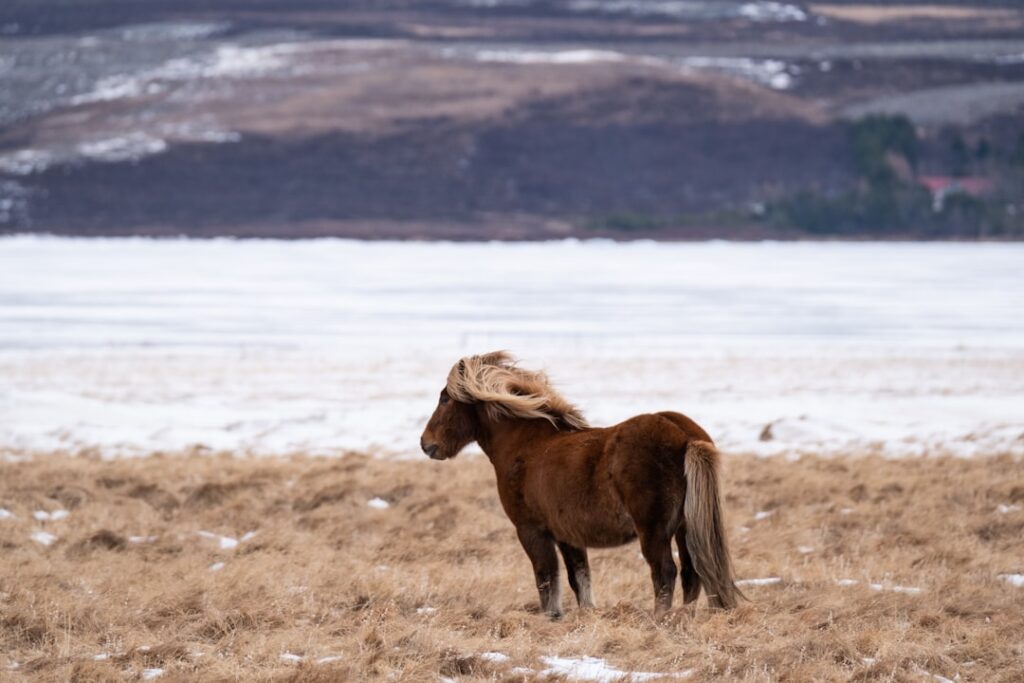
Drenched Shetland ponies sought refuge in sheds during recent downpours, only to emerge transformed with coats puffed up and radiant.
Bred for the Brutal North
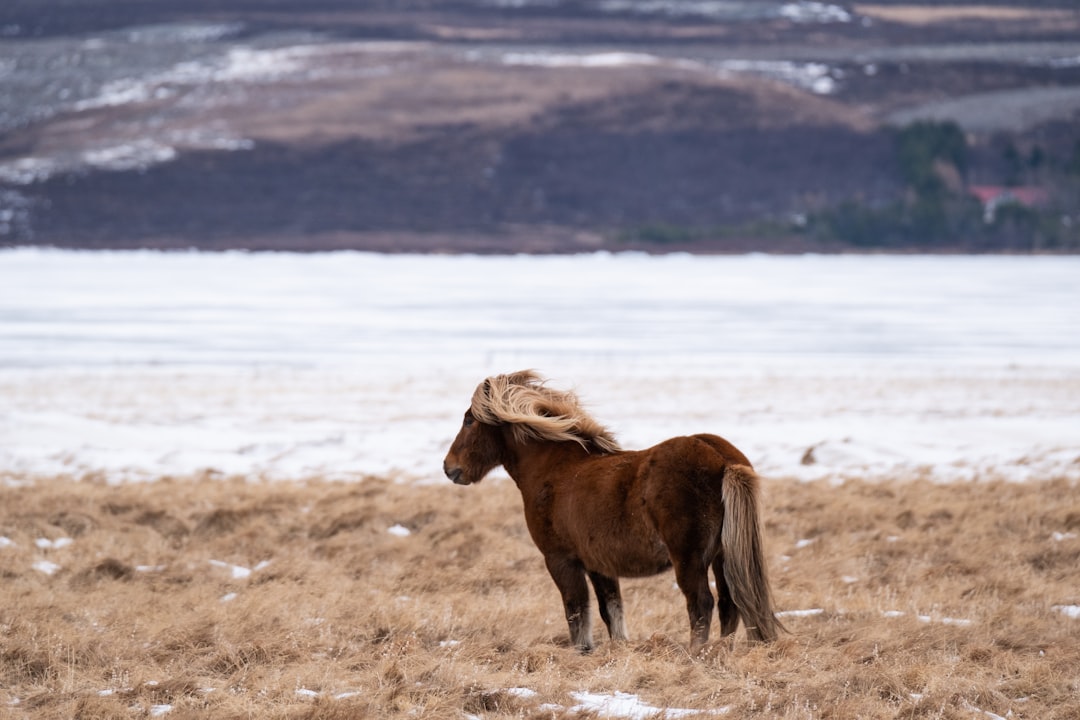
Bred for the Brutal North (Image Credits: Unsplash)
Shetland ponies originated in the stormy Shetland Islands off Scotland, where relentless wind, rain, and cold forged their legendary toughness. Experts note these equines prefer chilly, damp climates over heat, a trait that sets them apart from more delicate breeds.
Their compact bodies minimize heat loss, while an innate hardiness allows them to thrive outdoors year-round. Owners often observed ponies playing energetically in snow, unfazed by subzero temperatures. This resilience turned heads when wet-weather sightings showed the ponies drying off swiftly, their fur expanding into a plush barrier against the elements.
The Double-Layered Coat Marvel
A Shetland pony’s winter coat features two distinct layers: a soft undercoat that traps body heat like a natural duvet and a longer, oily outer layer that repels water. Rain beads up and rolls off, keeping the skin beneath dry even during prolonged storms.
After a soaking, the coat fluffs dramatically as it dries, restoring insulation that rivals any blanket. Natural oils preserve this waterproofing, and snowflakes often sit unmelted atop the fur, proof of its superior warmth retention. Over-grooming strips these oils, so handlers brush lightly to maintain the coat’s protective power.
Essential Winter Care Routines
Shelter remains crucial, even for these stalwarts – open-fronted sheds block wind and driving rain, allowing ponies to huddle and dry naturally. Icy troughs demand daily checks; owners break ice or use insulated buckets to ensure steady hydration, as ponies drink more fibrous hay diets generate internal heat through fermentation.
Blankets prove unnecessary for healthy adults, but elderly or ill ponies benefit from breathable options during extreme wet spells. Here’s a quick guide to key practices:
- Provide unlimited hay spread across fields to mimic foraging and fuel body heat.
- Rotate pastures to avoid mud fever from prolonged wet ground.
- Check legs daily for cracks or irritation after rain exposure.
- Grit icy paths to prevent slips around shelters.
- Observe for shivering, a rare sign they need extra forage or wind protection.
Serene Moments Amid the Chill
Winter transforms Shetland ponies into living emblems of calm endurance, their fluffy forms inviting quiet reflection. Brief glimpses of them shaking off moisture and bounding playfully offer instant serenity, much like a fleeting meditation on nature’s design.
Videos capture ponies frolicking in fresh snow or nuzzling icy patches, highlighting their joy in harsh conditions. Such scenes remind observers of simple mindfulness: pause, breathe, appreciate resilience.
| Factor | Natural Coat Benefit | When to Intervene |
|---|---|---|
| Water Resistance | Sheds rain/snow | Prolonged soaking without shelter |
| Insulation | Air-trapping fluff | Clipped or senior ponies |
| Maintenance | Self-drying | Mud fever signs |
Key Takeaways
- Shetland ponies’ dual coats excel in ice and rain, keeping them dry and warm naturally.
- Prioritize shelter, hay, and water over rugs for optimal health.
- These hardy animals inspire winter wonder – perfect for a mindful pause.
Shetland ponies embody winter’s tough beauty, rebounding from soggy days into fluffy icons of strength. What winter animal moments bring you peace? Share in the comments.