Dolpo region, Nepal — High in the remote alpine meadows of western Nepal, generations of herders have relied on yaks for survival, transport, and cultural identity. These resilient animals, both wild and domesticated, now confront mounting pressures from a warming climate that disrupts their habitats and the livelihoods dependent on them. Traditional practices face erosion as environmental changes compound economic hardships in one of the country’s most isolated districts.
A Herder’s Tale of Diminishing Numbers
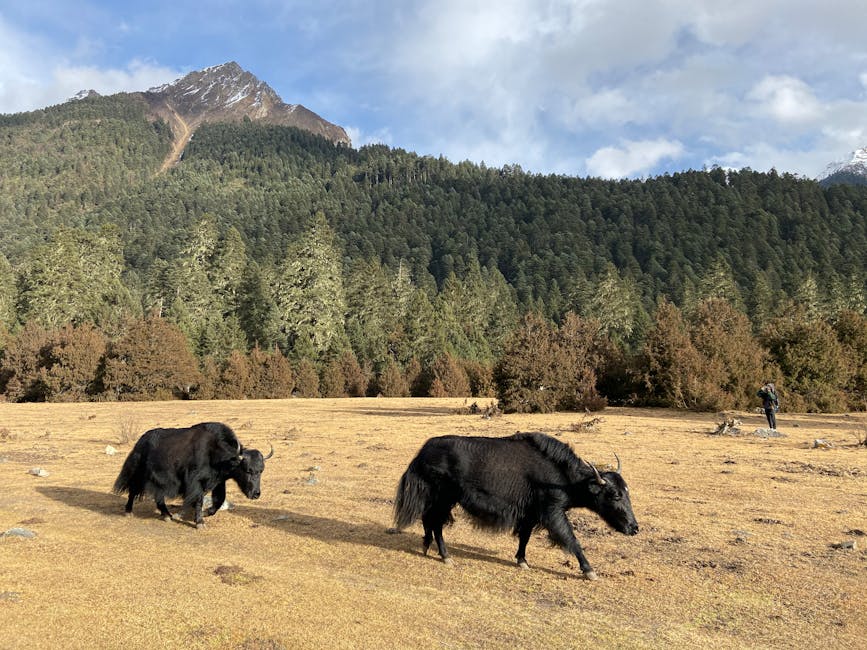
A Herder’s Tale of Diminishing Numbers (Image Credits: Pexels)
Local herders in Dolpa district report sharp declines in their yak populations over recent years. Families that once managed dozens of animals now tend to just a handful, driven by escalating challenges in rearing them. One 24-year-old resident of Vijer village recalled how her childhood involved roaming vast pastures with large herds, a practice that has transformed dramatically.
Sales of livestock to neighboring areas like Mustang have become common as costs rise and available pastureland, known as kharka, proves insufficient. Labor shortages exacerbate the issue, with young people departing for urban centers or foreign jobs. Nepal’s 2021 census highlighted this trend, documenting a net migration loss of over half a million in mountain regions.
Climate’s Grip on High-Altitude Ecosystems
Warming temperatures reshape the Himalayan highlands, altering water flows and vegetation patterns critical to yak grazing. Organizations like the International Centre for Integrated Mountain Development note shifts in moisture timing that impact soil carbon and plant growth. Wetlands dry out, heightening fire risks, while glacier instability threatens submergence of nearby rangelands.
These changes reduce forage availability, forcing herders to adapt rotational grazing based on ancestral knowledge now strained by unpredictable conditions. Researchers link potential food source alterations to declines in animal welfare and output, though direct causation requires further study. Heat stress poses a particular vulnerability, given yaks’ narrow comfort range around 5-13°C.
Wild Yaks on the Edge of Extinction
Wild yaks, distinct from their domesticated kin, persist in fragmented groups across remote zones, with global estimates below 10,000 according to IUCN assessments. Sightings remain rare in areas like Upper Humla and Dolpa, signaling habitat pressures. Overlapping ranges with domestic herds risk hybridization, diluting unique high-altitude adaptations essential for survival.
Human activities compound threats: overcollection of yartsa gunbu, a fungus vital to their diet, depletes resources in untouched terrains. Experts warn that crossbred offspring often prove aggressive and hard to manage, sometimes rejoining wild groups and endangering birthing mothers. “Wild yaks are rare and carry a unique genetic makeup,” observed a veterinarian from Nepal’s Department of Livestock Services.
Economic and Health Hurdles Mount
Diseases strike more frequently, demanding arduous treks for veterinary aid in isolated locales. Insurance falls short, deterring claims amid lethal outbreaks. Border closures since the COVID-19 pandemic blocked access to Chinese grazing lands and markets for wool and cheese, prompting switches to year-round grazers like goats and sheep.
Limited demand and transport costs hinder product sales, while youth exodus erodes herding expertise. Here’s a breakdown of key pressures:
- Rising feed and care expenses outpace returns.
- Degraded rangelands limit herd sizes.
- Disease vectors expand with warmer conditions.
- Market access remains poor for specialty goods.
- Labor gaps from migration disrupt operations.
These factors drive a broader shift away from yak-centric livelihoods.
Conservation Calls for Community Action
Veterinarians and researchers advocate integrating local wisdom into protection strategies. Establishing refuges to separate wild populations from livestock could safeguard genetics and habitats. Ph.D. candidate Naresh Kusi emphasized national-level initiatives to counter multifaceted risks.
Herders’ rotational practices offer a model for sustainable management, yet demand reinforcement against encroaching threats. Collaborative efforts might revive traditions while bolstering resilience.
Key Takeaways
- Climate alters water, vegetation, and fire risks, shrinking yak pastures.
- Hybridization endangers wild yaks’ genetic integrity.
- Socioeconomic shifts accelerate herding decline, but community knowledge endures.
Nepal’s yaks embody the fragility of highland life amid global warming, urging swift adaptations to preserve both species and cultures. What steps should communities take next? Share your thoughts in the comments.