Central and South America – Sloths’ seemingly cheerful expressions have made them irresistible to tourists, yet this charm fuels a ruthless illegal trade across borders.
99% Mortality: The Hidden Cost of a Quick Photo
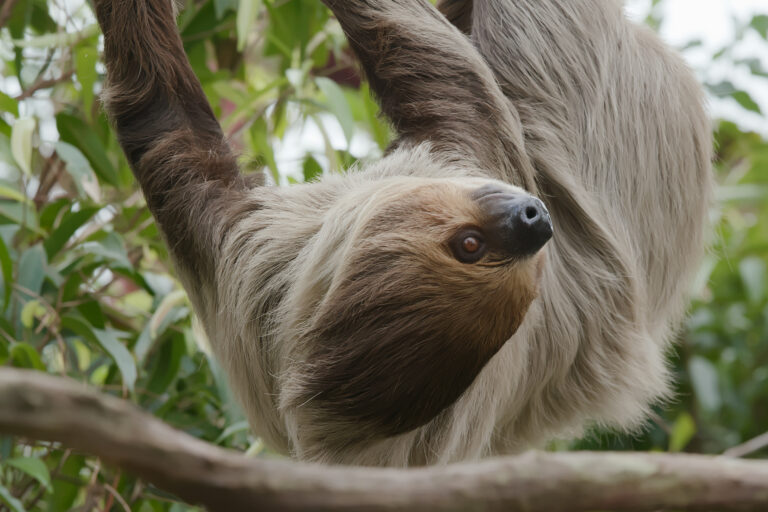
99% Mortality: The Hidden Cost of a Quick Photo (Image Credits: Imgs.mongabay.com)
Sloths endure extreme distress when handlers pass them among crowds for selfies, a practice that condemns most to death. Wildlife expert Neil D’Cruze observed, “That ‘smile’ hides immense suffering. These animals undergo extreme stress when they are handled, confined or exposed to noisy crowds.” Traffickers target baby sloths, often killing mothers in the process, while the young suffer from hunger, thirst, and separation trauma upon rescue.
Nocturnal creatures that sleep 15 to 20 hours daily face relentless disruption in tourist spots. In markets like Peru’s Belén in Iquitos or Brazil’s Manaus, sloths serve as photo props tied to trees. Rescuers in Colombia’s Medellín report up to 120 sloths saved annually, many arriving crying for lost mothers. This exploitation has turned a once-overlooked mammal into a prime target.
The Vast Trafficking Web Spanning Continents
Illegal trade claims tens of thousands of sloths yearly, with routes from Colombia, Brazil, and Peru extending to the United States, Europe, Asia, and the Middle East. In Colombia alone, one trafficker captured around 10,000 sloths over decades, smuggling them to Panama, Costa Rica, and beyond. Brazilian centers seized 111 Linné’s two-toed sloths between 2020 and 2025.
Population declines compound the crisis; Hoffmann’s two-toed sloth numbers in Brazil fell 28% over 42 years. U.S. imports doubled in a decade, peaking in 2020 with over 1,000 wild-caught sloths entering via Miami, mostly for commercial petting zoos. Demand surges from social media trends and lax enforcement in remote forest areas.
Governments Rally with Landmark Protections
Brazil, Costa Rica, and Panama led a pivotal push at the CITES CoP20 summit in Uzbekistan last December, securing Appendix II listing for Linné’s and Hoffmann’s two-toed sloths. This requires permits proving trade does not harm wild populations, curbing exports for selfies and pets.
Enforcement yields results. Just days ago, Costa Rican authorities rescued five sloths alongside a tapir in a northern anti-trafficking raid. Awareness campaigns in Colombia reduced local trafficking post-2015 arrests, though challenges persist on tourist-heavy coasts. Nádia de Moraes-Barros of Freeland Brasil noted rising seizures in the Amazon.
Why Selfies Harm: A Closer Look
Tourist interactions disrupt sloths’ fragile biology, from inverted tree living to weekly ground descents for waste. Here are key dangers:
- Handling causes scratches, bites, and disease transmission to humans and vice versa.
- Lack of sleep leads to physical decline; 80-90% of trafficked sloths perish en route.
- Captivity prevents breeding; diets mismatch wild folivore needs.
- Mothers killed, orphans unlikely to survive without milk.
- Deforestation already fragments habitats, amplifying trade impacts.
Conservation groups like the Sloth Conservation Foundation urge viewing from afar to starve the trade.
Key Takeaways
- CITES Appendix II marks a vital shield, but local enforcement remains crucial.
- 80-90% trafficking mortality underscores selfies’ true price.
- Tourists hold power: Skip encounters to protect sloths’ forests homes.
Stricter rules offer hope, yet sloths’ fate hinges on curbing tourism’s dark side before populations vanish. Deforestation looms largest, but ending selfie demand could halt the slide. How will you contribute to their survival? Tell us in the comments.