When most people imagine dinosaurs, they picture solitary, thundering giants roaming vast prehistoric landscapes in total isolation. That image, honestly, could not be further from what the fossil record is increasingly telling us. These ancient creatures were, in many cases, far more connected to one another than we ever gave them credit for.
New discoveries are rewriting the story of dinosaur life from the ground up. You might be shocked to learn that some species formed structured communities, raised their young together, and even returned to the same nesting spots year after year. So let’s dive into the fascinating and somewhat mind-blowing world of dinosaur social life.
The Oldest Evidence of Herding Goes Back Further Than You Think
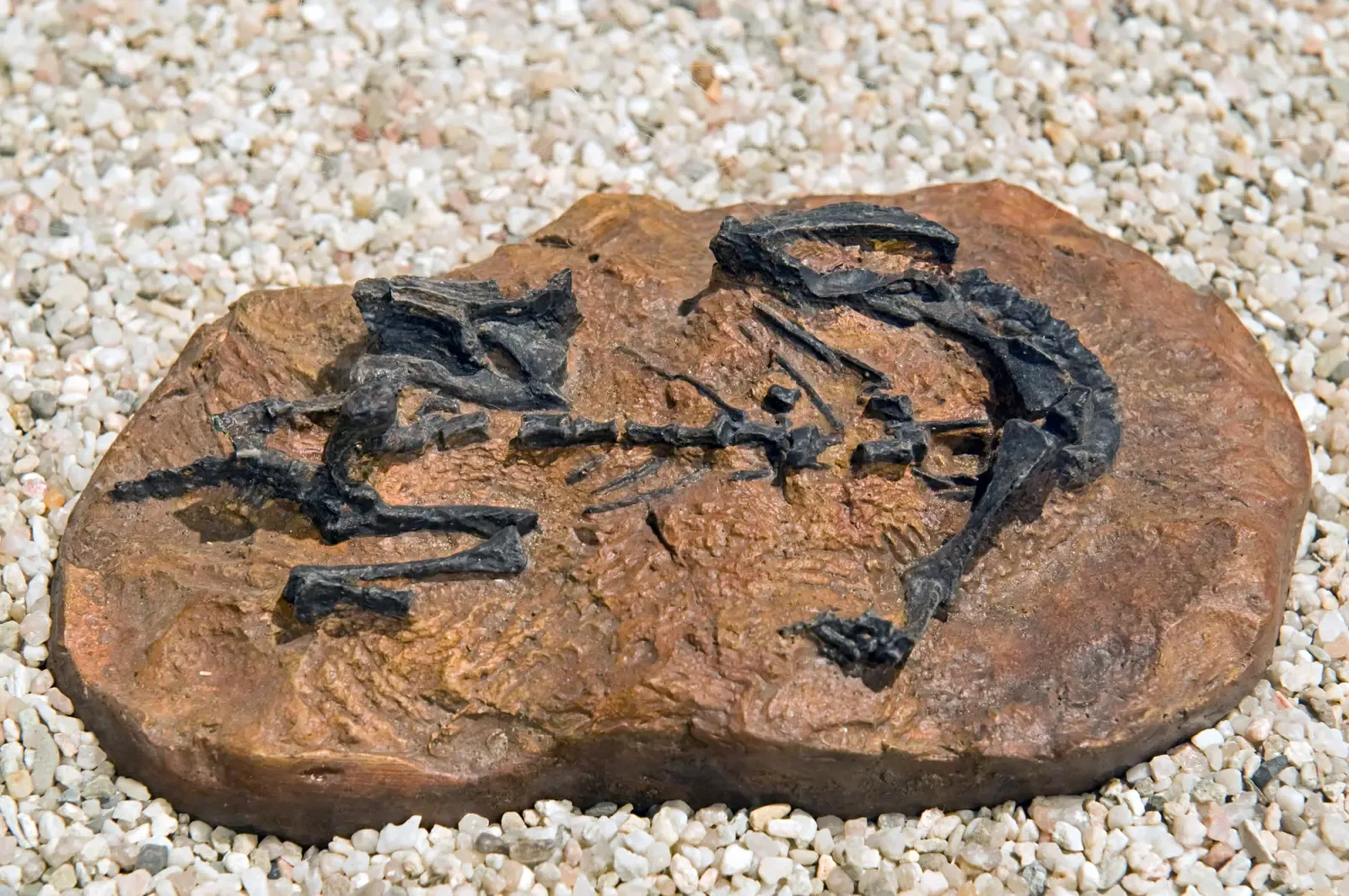
If you assumed that dinosaur social behavior was a relatively late evolutionary development, get ready to be surprised. Researchers from MIT, Argentina, and South Africa say Mussaurus patagonicus may have lived in herds as early as 193 million years ago, which is 40 million years earlier than other records of dinosaur herding. That is not a small gap. That is roughly twice the span of time between us and the last non-avian dinosaurs.
An exceptional fossil occurrence from Patagonia includes over 100 eggs and skeletal specimens of 80 individuals of the early sauropodomorph Mussaurus patagonicus, ranging from embryos to fully-grown adults, with most specimens found in a restricted area, with some articulated skeletons grouped in clusters of individuals of approximately the same age. Think about that. You are essentially looking at an ancient neighborhood, frozen in time.
Age-Segregated Groups: Dinosaurs Organized Like Modern Animals
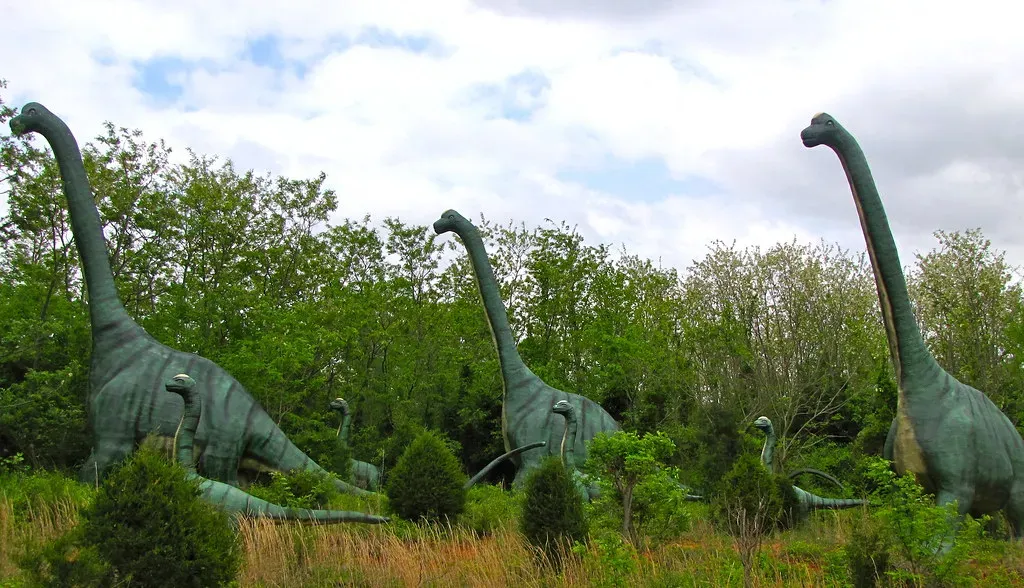
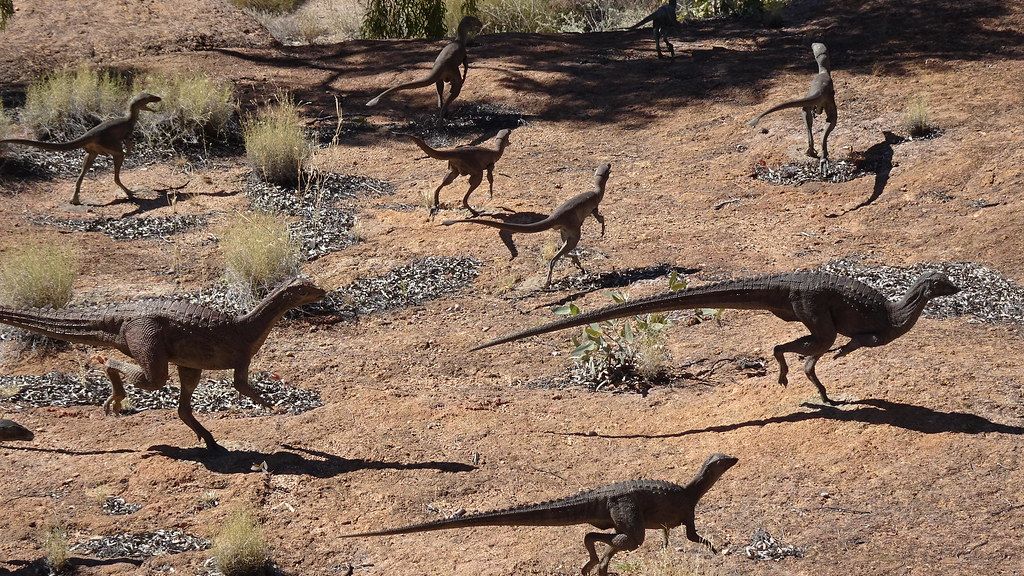
Here’s the thing that genuinely floors most people. These dinosaurs did not just hang around together randomly. The researchers observed that the fossils were grouped by age: dinosaur eggs and hatchlings were found in one area, while skeletons of juveniles were grouped in a nearby location. Remains of adult dinosaurs were found alone or in pairs throughout the field site. That is an organized, structured community, not a random pile of bones.
This “age segregation” is believed to be a strong sign of a complex, herd-like social structure. The dinosaurs likely worked as a community, laying their eggs in a common nesting ground. Juveniles congregated in “schools,” while adults roamed and foraged for the herd. It is almost like a prehistoric village, with the elders foraging while the youngsters stayed close together for safety.
Maiasaura: The Dinosaur That Rewrote the Parenting Rulebook
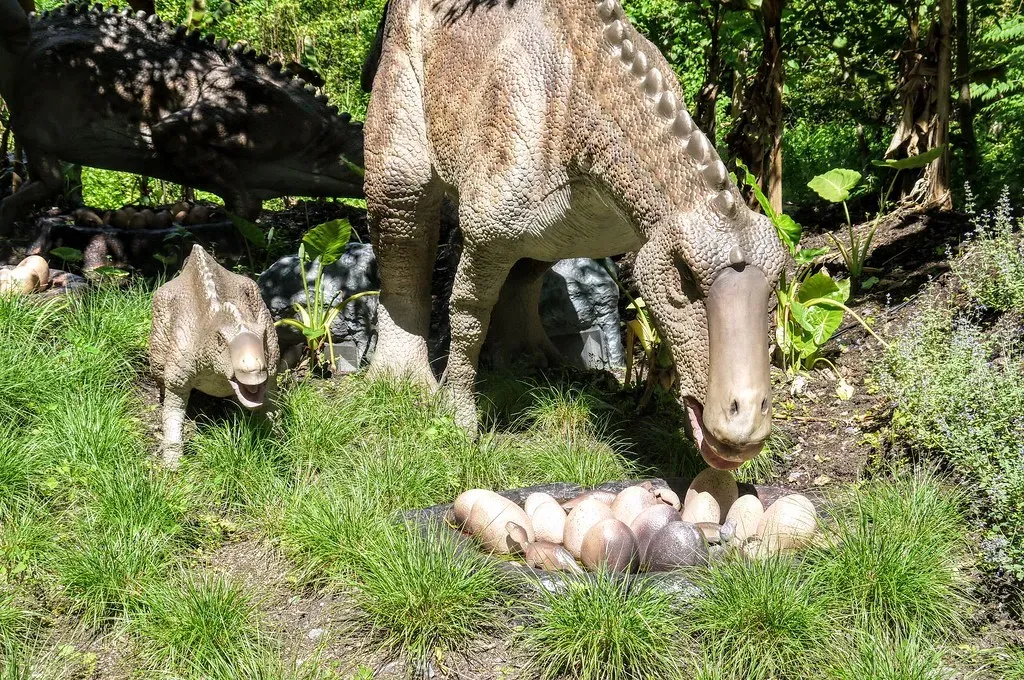
Few dinosaur discoveries have shaken the scientific world quite as hard as Maiasaura. Prior to these finds, dinosaurs were widely portrayed as solitary, cold-blooded reptiles with minimal parental care and limited social complexity. Maiasaura shattered this paradigm by providing irrefutable evidence of sophisticated reproductive strategies and social behaviors more reminiscent of birds than reptiles. The name itself says it all. It literally means “good mother lizard.”
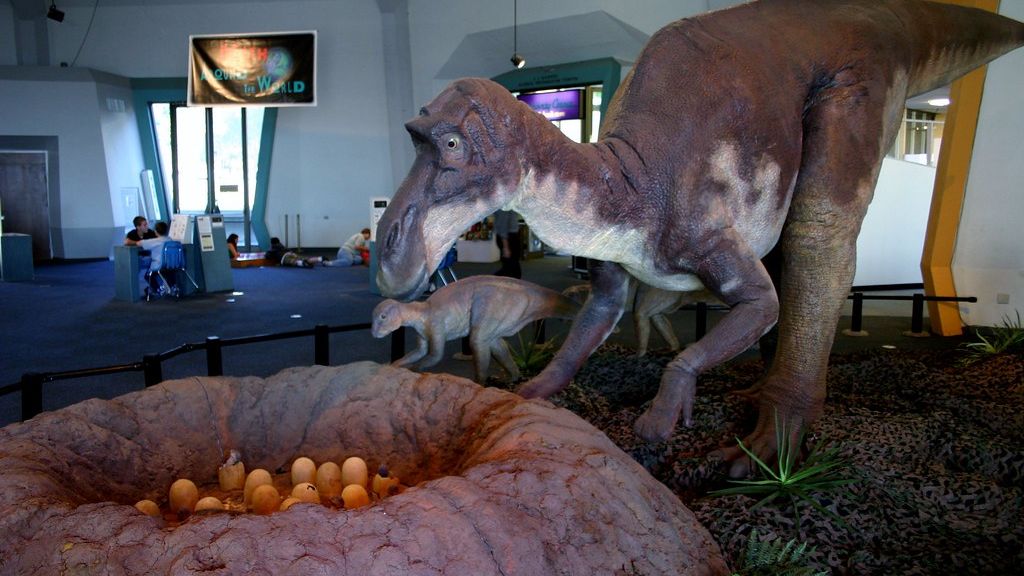
The Maiasaura’s nesting colonies also indicate a social structure that involved multiple adults working together to raise the young. This level of cooperative care is quite rare in the animal kingdom, further highlighting the advanced parental behavior exhibited by these dinosaurs. The discovery of trampled eggshells and plant matter in the nests suggests that the Maiasaura parents may have fed and cared for their young before they were old enough to leave the nest. Let that sink in. Parents feeding babies in a nest. Sound familiar?
Colonial Nesting and Site Fidelity: Returning Home Year After Year
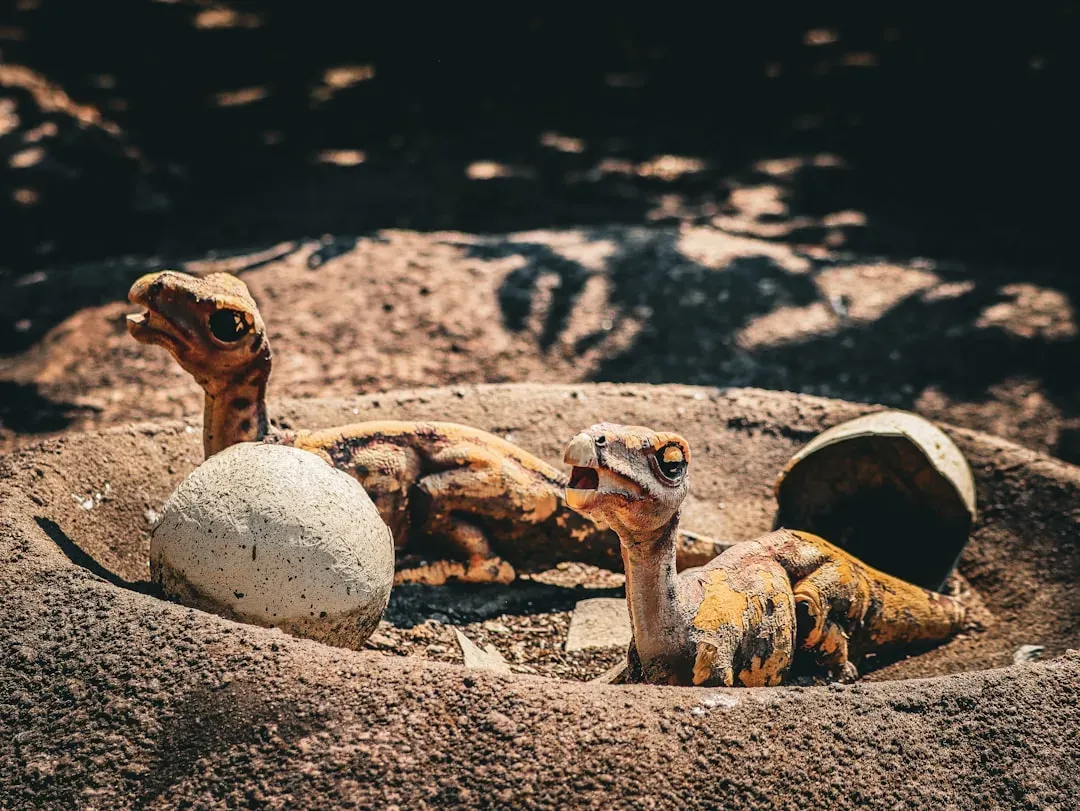
Horner and colleagues found evidence that adult Maiasaura dinosaurs returned to the same nesting spot year after year, showing enough intelligence to remember the place and appreciate its favorable character, whether access to food or safety. The researchers interpreted the configuration of their nests layer upon layer through the rock as evidence the dinosaurs kept returning to the same place, called nest-site fidelity. This is the kind of behavior you see in modern albatrosses and sea turtles. In dinosaurs. From 76 million years ago.
Their nests in the ground were spaced about seven meters apart, suggesting that like modern communally nesting birds, they liked to be close but not so close that they would bite and bicker. I find that detail almost endearing. Even 76 million years ago, nobody wanted their neighbors too far in, but not too close either. Nests and eggs numbering from dozens to thousands are preserved at sites that were possibly used for thousands of years by the same evolving populations of dinosaurs.
Trackways and Mixed-Species Herds: Stranger Than Fiction
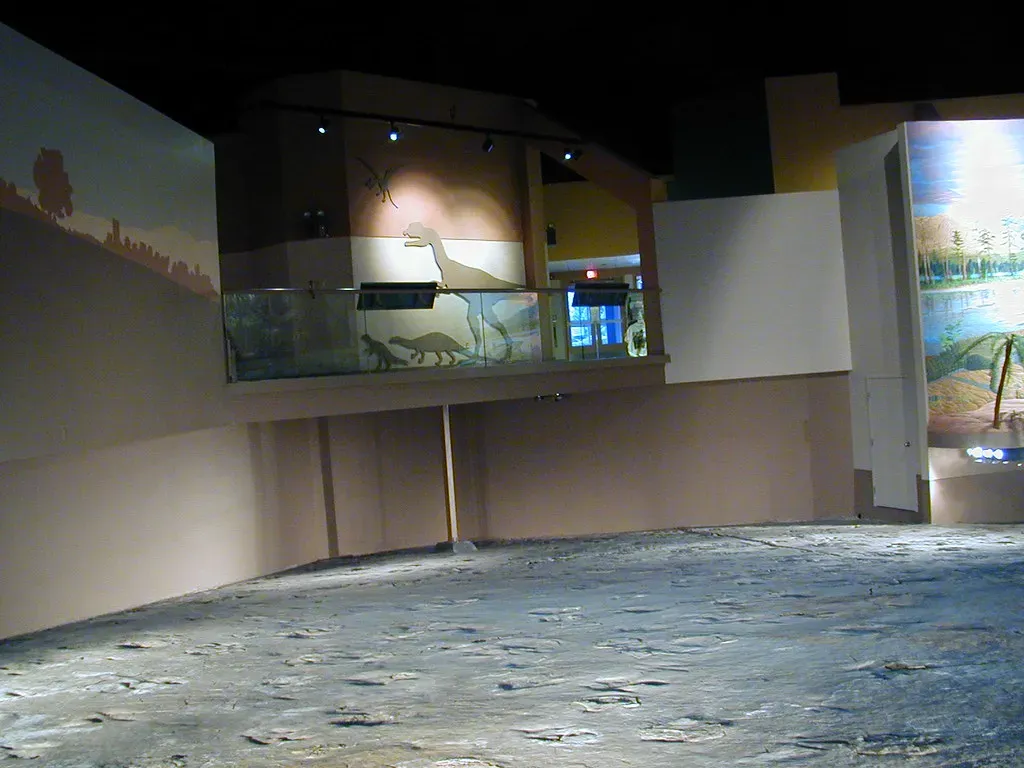
You might think herding behavior among dinosaurs was simple enough. Same species, traveling together. But the fossil record keeps pushing things further. The presence of other dinosaur footprints among the ceratopsians has led researchers to believe that certain trackways could show the first evidence of mixed-species herding behavior in dinosaurs. This discovery, made at Dinosaur Provincial Park in Canada, is genuinely extraordinary.
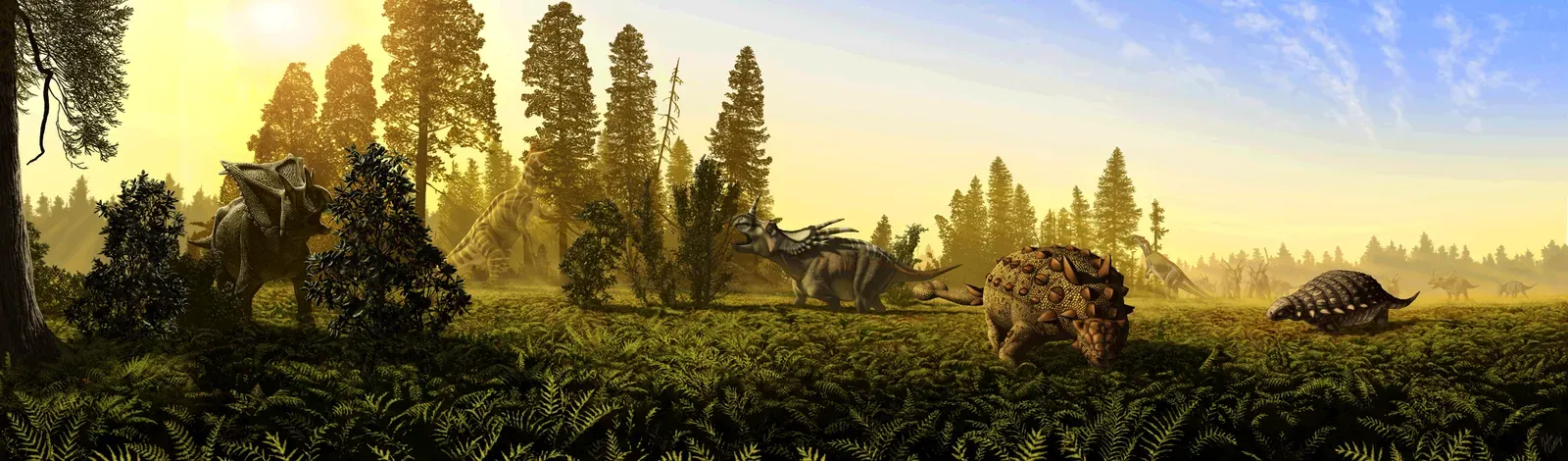
This would have been similar to how modern wildebeest and zebras travel together across the African plains. The presence of two T. rex footprints also raises the prospect that multispecies herding may have been a defense strategy against common apex predators. So you have horned dinosaurs and armored dinosaurs potentially moving together, while a pair of Tyrannosaurus rex shadows them from the side. That is not just social behavior. That is an ecosystem-level drama playing out in footprints.
The Pack Hunting Debate: Deinonychus and the Question of Cooperation
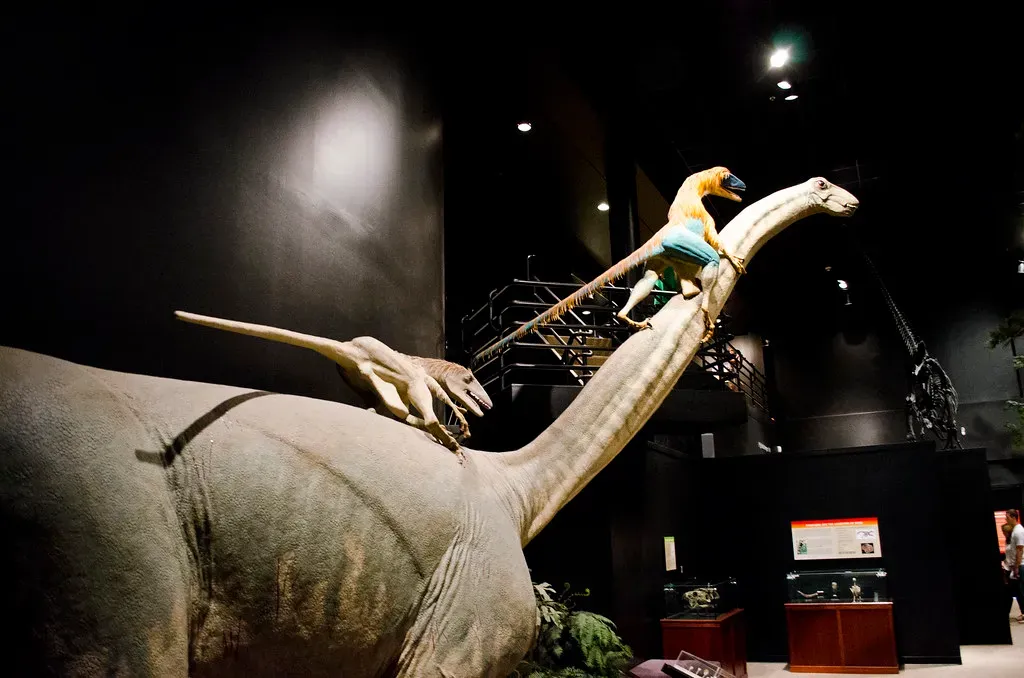
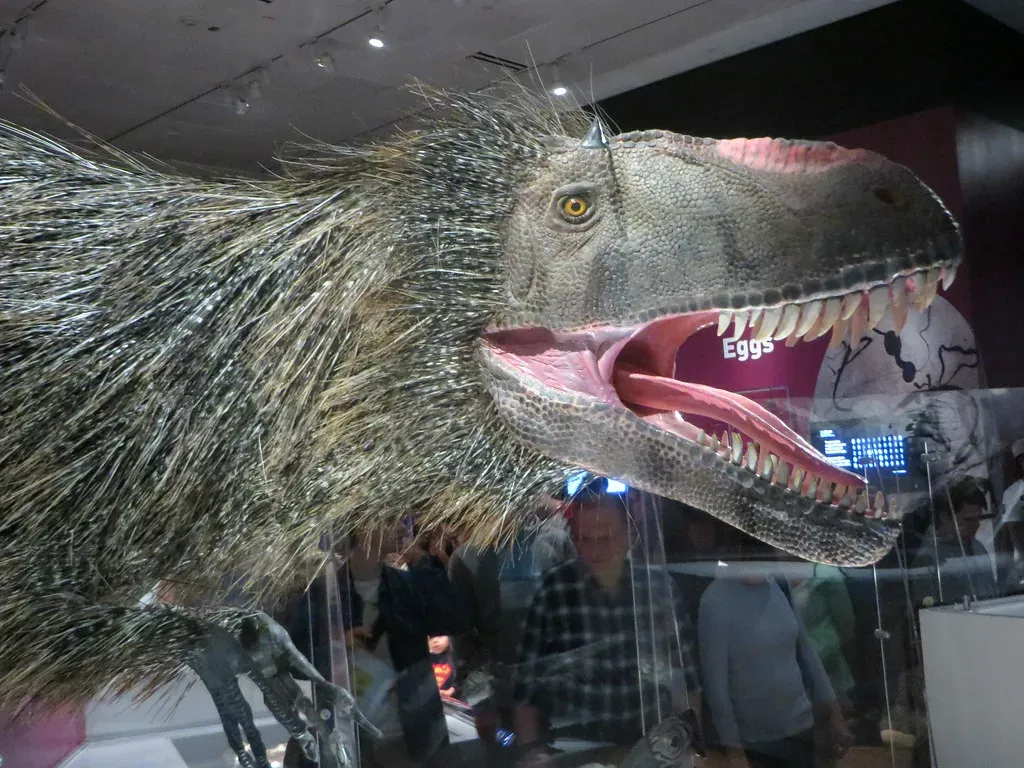
If you have seen Jurassic Park, you already have a strong opinion about raptor hunting. The real science, though, is more nuanced and arguably more fascinating. The perception of the pack-hunting raptor is one of the most prevalent speculative examples of social behavior in dinosaurs. This hypothesis was first proposed to explain the occurrence of multiple individuals of Deinonychus mixed with the larger prey species Tenontosaurus. A single Deinonychus, weighing approximately 70 to 100 kg, could not be envisioned as capable of dispatching a one-ton Tenontosaurus alone.
Still, the picture gets complicated fast. An analysis of the fossilized teeth of Deinonychus antirrhopus adds to the growing evidence that this and other raptors were not complex social hunters by modern mammalian standards. It’s hard to say for sure, but the truth may be somewhere in the middle. Deinonychus may have gathered around prey in chaotic groups, like modern crocodilians or large lizards such as Komodo dragons, which do not form social units. Fascinating, messy, and very much unresolved.
Social Behavior as an Evolutionary Advantage
Why would dinosaurs evolve complex social structures in the first place? The answer, it turns out, may lie in pure survival mathematics. The authors speculate that the evolution of complex social behavior among sauropodomorphs may have coincided with increases in body size that occurred between 227 and 208 million years ago. Meeting the increased energy requirements associated with larger body sizes may have required them to coordinate their behaviors and form herds in order to forage over large distances. Think of it like carpooling, but for foraging across a Jurassic landscape.
Congregating into herds may have evolved for defense, for migratory purposes, or to provide protection for young. Those same pressures that push modern buffalo into vast herds on the African savanna were operating on dinosaurs hundreds of millions of years earlier. The complex social behavior in early dinosaurs observed in this research lines up with other fossil evidence that dinosaurs were more bird-like than crocodilian-like. It is likely they all had feathers from the start, while evidence shows dinosaurs and their relatives were warm-blooded creatures. The social animal, it seems, is an ancient and deeply successful design.
Conclusion: The Social Lives of Dinosaurs Were Just Getting Started
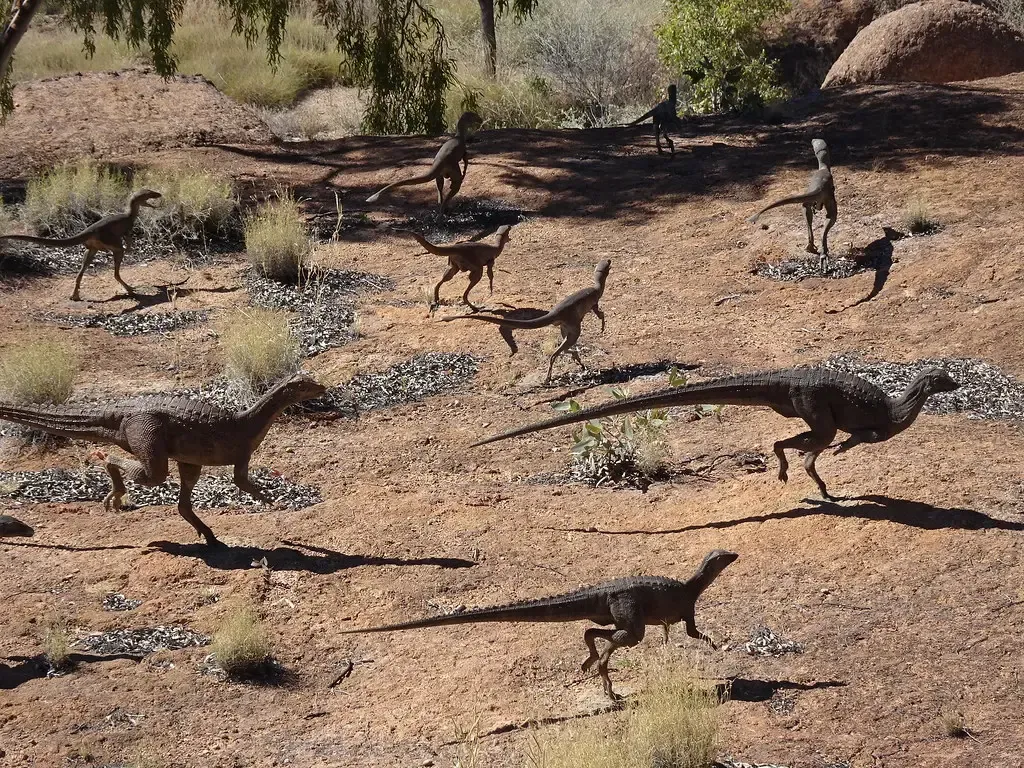
The old image of dinosaurs as dim, solitary, and instinct-driven creatures has been thoroughly dismantled by decades of careful fossil work. You now know that some of these animals nested in communities, raised their young cooperatively, remembered their home territories, and quite possibly traveled across ancient landscapes in organized, age-divided herds. Most research conducted since the 1970s has indicated that dinosaurs were active animals with elevated metabolisms and numerous adaptations for social interaction.
Every new trackway, every fossilized nesting colony, every clutch of eggs with embryos still inside adds another layer to a portrait we are only beginning to truly understand. The deeper we dig, the more these ancient beings look less like monsters and more like extraordinarily successful social animals with lives that were, in their own way, richly complex. What surprises you most about the social world of dinosaurs? Leave your thoughts in the comments below.