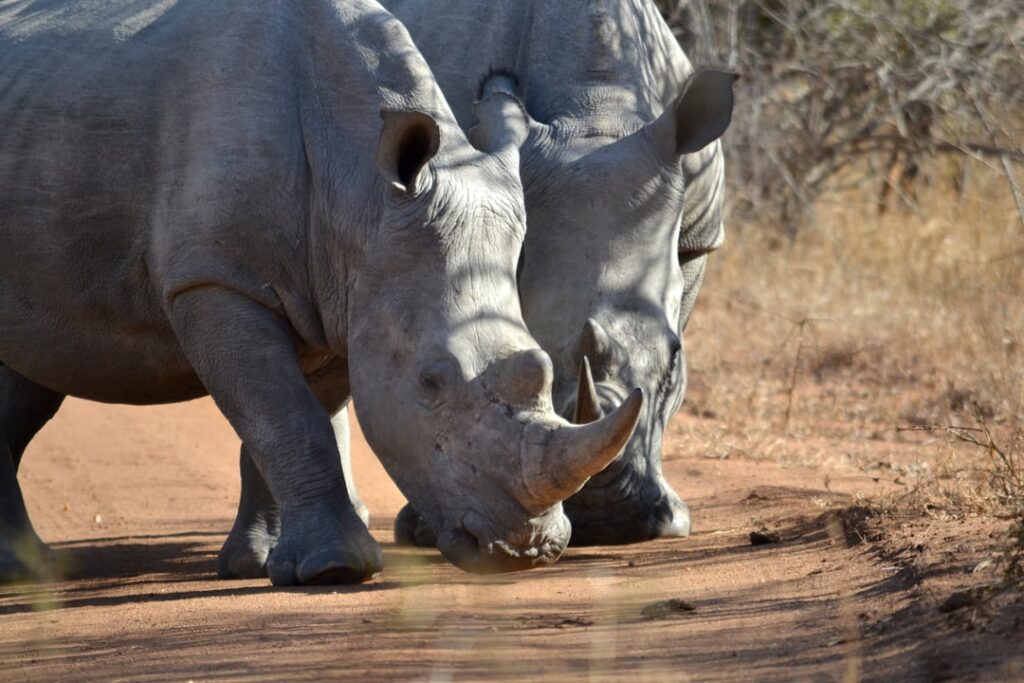
South Africa – Environment Minister Willie Aucamp recently endorsed scientific assessments that endorse the resumption of rhino trophy exports, signaling a clear break from the restrictive measures enacted by his predecessor. This development emerged from updated non-detriment findings required under the Convention on International Trade in Endangered Species (CITES). Private landowners, who steward large rhino populations, stand to benefit as the policy emphasizes economic incentives for conservation. The shift arrives amid a noted decline in rhino poaching, prompting debate over trade’s role in safeguarding the species.
Reversing Course on Trophy Trade Freeze
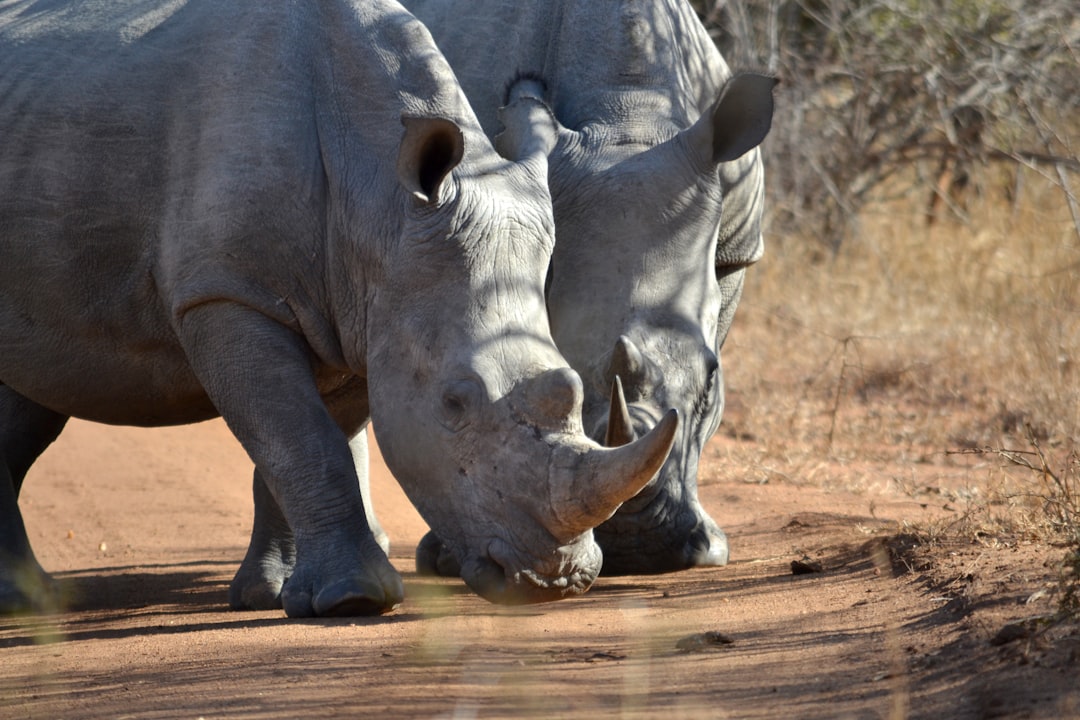
Reversing Course on Trophy Trade Freeze (Image Credits: Unsplash)
The previous administration under Minister Dion George halted new CITES export quotas in September 2025 for species including black rhinos, elephants, and leopards. George cited insufficient scientific backing, legislative gaps, and potential reputational damage as reasons for the freeze, which had persisted since 2021 amid ongoing court challenges. No fresh quotas emerged during his tenure, frustrating hunting organizations and ranchers who argued the pause drove business to neighboring countries.
Aucamp’s Department of Forestry, Fisheries and the Environment acted swiftly after his appointment in late 2025. Officials published new non-detriment findings in a government gazette, concluding that controlled trade poses minimal threat to rhino survival. These assessments, signed by the minister himself, justify issuing permits for hunting trophies and live animal exports. The document highlights how high protection costs burden private reserves, where most rhinos reside.
Economic Incentives Fuel Conservation Push
South Africa’s wildlife policy long championed “sustainable use,” encapsulated in the mantra that if wildlife generates revenue, it endures. Proponents contend regulated trophy hunting funds anti-poaching efforts and habitat maintenance on private lands. Recent data showed rhino poaching dropped 16 percent in 2025, with 352 animals lost compared to prior years – a trend Aucamp attributed to intensified enforcement.
The new findings assert that CITES bans on rhino horn trade have harmed populations by removing financial motivations for protection. Private custodians, facing steep security expenses, could recoup costs through legal exports. Hunting groups welcomed the change, estimating millions of rands in lost revenue from the freeze. This approach contrasts with global prohibitions, positioning South Africa as a leader in market-driven conservation.
Key Quotas and Species Under Scrutiny
Proposed export limits target specific high-profile animals. Officials outlined quotas for the 2026/27 period, focusing on surplus populations from managed hunting areas.
| Species | Proposed Trophy Exports |
|---|---|
| Elephants | 150 (yielding 300 tusks) |
| Black Rhinos | 12 |
| Leopards | 11 |
Additional species like lions, giraffes, cheetahs, and various antelopes received similar endorsements, though with cautions for vulnerable ones. Black rhinos, listed as critically endangered, warranted a precautionary stance. The quotas aim to prevent overexploitation while supporting ranching economies. Critics questioned the data supporting these numbers, particularly for cheetahs lacking a national management plan.
Conservationists Raise Alarms Over Risks
Wildlife advocates expressed deep reservations about the rapid policy reversal. Dr. Audrey Delsink of Humane World for Animals South Africa described the findings as “concerning” and riddled with contradictions, especially for critically endangered species like leatherback turtles and striped hyenas. Taylor Tench from the Environmental Investigation Agency warned that legal trade could spur demand and enable poaching syndicates to launder illicit horns.
- Cheetah trophies deemed non-detrimental despite IUCN vulnerable status.
- Southern white rhino exports questioned amid population declines.
- Elephant hunts risk disrupting family structures, per CITES guidelines.
- Parrots and small antelopes flagged for high survival threats.
Dr. Mark Jones of the Born Free Foundation urged zero quotas for several species, arguing insufficient evidence links trade bans to conservation failures. Supporters countered that pauses under George crippled the industry without curbing poaching. The debate underscores tensions between utilization and strict protection.
- New non-detriment findings reverse a four-year trophy export freeze.
- Rhino poaching fell 16% in 2025, bolstering trade advocates’ claims.
- Quotas prioritize economic benefits on private lands amid global bans.
This policy pivot tests whether commerce can coexist with conservation in a poaching hotspot. As permits roll out, monitoring will prove crucial to avoid unintended consequences. South Africa’s rhinos hang in the balance of this high-stakes experiment. What do you think about trade as a conservation tool? Tell us in the comments.