South Africa’s recent reinstatement of export quotas for hunting trophies from black rhinos, elephants, and leopards has reignited longstanding debates on conservation ethics, scientific rigor, and policy consistency.
Ministerial Switch Sparks Immediate Policy Reversal
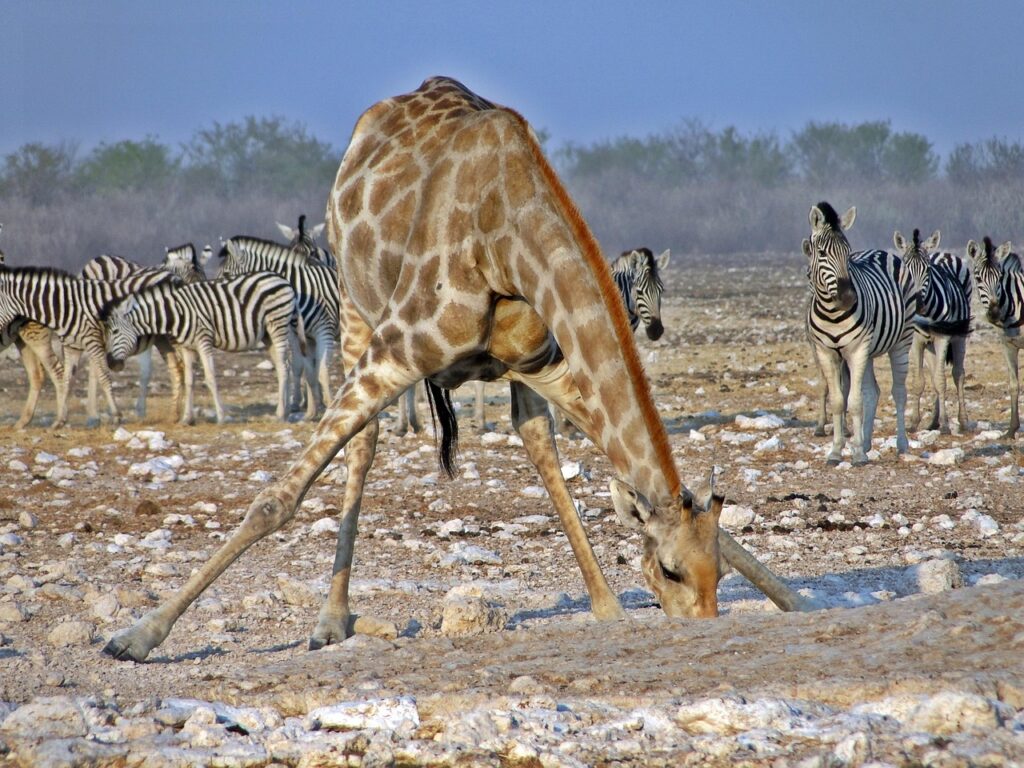
South Africa – New Trophy Quotas Revive Clashes Over Wildlife Management (Image Credits: Pixabay)
Former Environment Minister Dion George refrained from issuing new quotas amid ongoing court cases and regulatory reviews, a stance that shifted abruptly with his successor’s arrival.
New Minister Willie Aucamp gazetted the quotas last week, targeting 2026 and 2027, just weeks after taking office in December 2025. George highlighted the lack of change in underlying factors, stating, “The environment didn’t change. The data didn’t change. The court processes didn’t change… The only thing that changed was the minister.”
This rapid pivot has prompted public consultation, set to close 30 days after publication, as stakeholders weigh the implications for endangered species.
Details of the Controversial Allocations
The quotas permit exports of 300 elephant tusks annually, sourced from no more than 150 mature bulls on private land, despite a national population of around 43,680 elephants growing at 5.5% yearly.
Black rhino trophies number 12 per year, drawn from South Africa’s share of roughly 2,000 of the world’s critically endangered black rhinos, while leopards face a limit of 11 trophies from select zones in provinces like KwaZulu-Natal and Limpopo. These align with CITES guidelines but lack recent site-specific assessments, such as a Non-Detrimental Finding for leopards unchanged since 2015.
| Species | Annual Quota (2026-2027) | Key Restrictions |
|---|---|---|
| Elephant | 300 tusks (≤150 animals) | Mature bulls on private land |
| Black Rhino | 12 trophies | Adult males per CITES |
| Leopard | 11 trophies | Males ≥7 years in 11 zones |
Conservationists Challenge the Science
Experts question the quotas’ ecological foundation, noting that national population figures mask vulnerabilities in hunting areas like private reserves near Kruger National Park.
Removing prime breeding bulls could disrupt elephant herds and reduce tusk sizes over time, according to research from Elephants Alive, which urges accounting for illegal killings and natural mortality. An anonymous wildlife specialist described the process as “not evidence-based,” arguing it prioritizes theoretical limits over local realities.
Helena Kriel of Baby Rhino Rescue called the black rhino inclusion “an outrage,” emphasizing that every life matters with only 30% of global black rhinos in South Africa.
Governance Questions Dominate the Discourse
Critics view the quotas as a political nod to the hunting sector, which claims revenue supports habitat conservation on private lands.
Yet the Department of Forestry, Fisheries and the Environment maintains compliance with CITES and national laws, focusing on sustainable off-takes. Groups like the NSPCA and Humane Society for Animals continue to review the proposals amid concerns over transparency.
- Quotas mechanically apply CITES maxima without property-level data.
- Open systems like Greater Kruger complicate population tracking.
- Hunting bans in national parks shift pressure to adjacent private areas.
- Public input period offers a chance for revisions.
- Policy flipped solely due to ministerial change, per former leader.
- Quotas target private lands but ignore cumulative threats.
- Consultation closes soon – stakeholder voices could influence outcomes.
The quotas underscore tensions between economic incentives and protective imperatives in South Africa’s wildlife sector, where governance stability remains elusive. As consultation unfolds, the balance between hunting revenue and species security hangs in the balance – what role should science play in these decisions? Share your views in the comments.