South Africa – The nation’s sole permitted shark fishing vessel, the Zanette, remains under scrutiny as the Department of Forestry, Fisheries and the Environment weighs potential suspension or revocation of its permit. Officials initiated the review after reports surfaced of repeated violations, including onboard processing of endangered sharks. Marine biologists who documented the infractions highlighted risks to already vulnerable species populations. The case underscores ongoing tensions in managing South Africa’s limited demersal shark fishery.
Shocking Onboard Observations Spark Alert
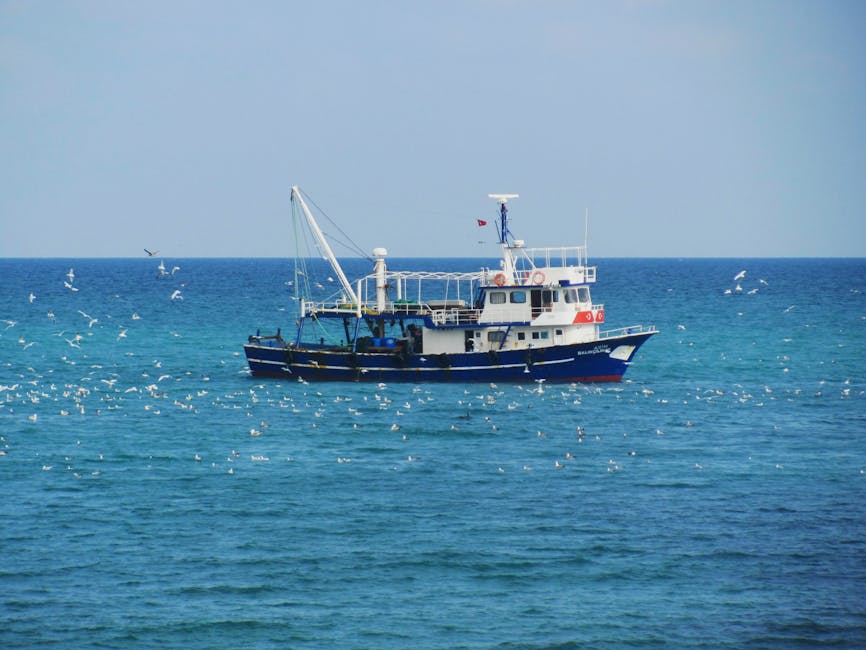
Shocking Onboard Observations Spark Alert (Image Credits: Pexels)
On June 17, 2025, marine biologist Enrico Gennari and his students spotted the Zanette near Mossel Bay while conducting research. They approached within 50 meters and captured photographs and drone footage revealing crew members cutting off shark heads and fins at sea. Bins overflowed with discarded parts on the deck, a direct breach of regulations requiring sharks to be landed whole for inspection.
Gennari also noted failures to deploy mandatory tori lines designed to deter seabirds and evidence of undersized sharks below the 70-centimeter minimum. He promptly reported the incidents to authorities, describing the 30-minute encounter as deeply troubling. The skipper, Marius Verwey, admitted to some processing but faced only a modest fine of 2,500 rand, about $145. A local DFFE inspector called for criminal probes into Verwey’s actions, labeling them unlawful.
Permit Rules Designed to Protect Vulnerable Stocks
The Zanette holds the exclusive permit for South Africa’s demersal shark longline fishery, targeting smoothhound sharks and soupfin sharks alongside skates and rays. Conditions mandate landing fish intact to verify sizes, species, and compliance, with strict slot limits from 70 to 130 centimeters. Prohibited species include sevengill, hammerhead, mako, blue, and oceanic whitetip sharks. Vessels must use bird-scaring lines and implement observer programs, though enforcement has lagged.
Despite these safeguards, the fishery operates without hard catch limits, relying on total allowable effort. Previous license reductions from six to one stemmed from similar breaches by others. The Zanette’s operator, Gqeberha-based Fisherman Fresh, continues operations from its home port while the probe lingers.
| Key Permit Violations Observed | Description |
|---|---|
| Head and fin removal | Crew processed sharks at sea, filling bins with parts instead of landing whole. |
| Undersized catch | Sharks below 70 cm minimum length retained. |
| Bird scaring failure | Tori lines not properly deployed, risking seabird bycatch. |
Endangered Sharks at the Heart of the Controversy
Smoothhound sharks, classified as endangered on the IUCN Red List, have declined 30% since the 1990s in South African waters. Soupfin sharks fare worse, listed as critically endangered with biomass reduced by 87% since the 1920s and ongoing overexploitation. Both species play vital ecological roles: smoothhounds control seabed nutrients, while soupfins prey on fish and invertebrates, supporting larger predators like great whites.
In November 2025, international trade in these sharks faced new hurdles with their addition to CITES Appendix II. Annual shark catches in South Africa exceed 1,000 tons, much exported, but bycatch in other fisheries adds unmonitored pressure. Critics argue the Zanette’s actions exacerbate declines in these slow-reproducing species.
- Smoothhound: Forages on crustaceans and mollusks, maintaining ocean floor health.
- Soupfin: Targets squid and crabs, linking mid-level food chains.
- Bycatch risks: Discards from trawlers harm unidentified protected sharks.
- CITES impact: Requires proof of non-detrimental trade.
Protected Area Incursions Fuel Debate
Satellite tracking from Global Fishing Watch flagged the Zanette in the Garden Route Marine Protected Area four times after the October 2025 report: thrice on November 13 and once on January 12, 2026. Zigzag patterns suggested active fishing, not transit. Department spokesperson Zolile Nqayi countered that vessel monitoring systems showed no entry, citing a near-miss on November 11.
This dispute highlights enforcement gaps in a vast operational range with limited resources. Prior holders like the White Rose faced hefty fines for MPA fishing yet persisted until permits expired. As of early 2026, DFFE promised updates to the permit holder but has shared none publicly.
Experts Urge Decisive Action
Former Fisheries Minister Dion George emphasized that ocean health hinges on sea law enforcement. Gennari pressed the department to act, noting citizens and officers had fulfilled their roles. The minor fine drew criticism for inadequacy against ecological stakes.
Electronic monitoring trials show promise but falter on species identification. With the vessel still active five months post-announcement, pressure mounts for transparency and stronger measures to safeguard marine resources.
Key Takeaways
- The Zanette remains South Africa’s only shark longliner amid a pending permit review.
- Violations threaten endangered smoothhound and critically endangered soupfin sharks.
- Enforcement challenges persist, including disputed MPA entries and weak monitoring.
This saga tests South Africa’s commitment to sustainable fisheries. Strong resolution could rebuild trust and protect vital ocean predators. What steps should authorities take next? Share your views in the comments.