South Africa – Parliament moved forward with reforms to dismantle the captive lion industry after a select committee secured unanimous backing from provinces, placing immediate pressure on the newly appointed environment minister.
Parliament Secures Groundbreaking Consensus
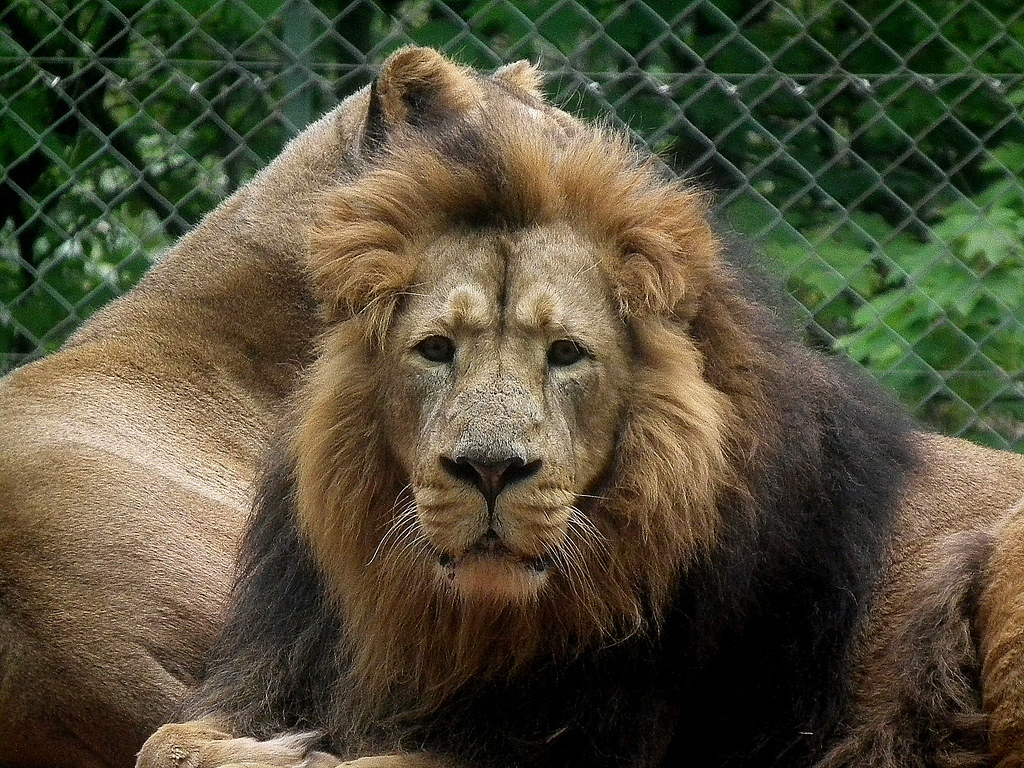
Parliament Secures Groundbreaking Consensus (Image Credits: Flickr)
A select committee within the National Council of Provinces adopted a pivotal report that endorses amendments to the Threatened or Protected Species regulations. This decision highlighted an unusual level of agreement among provincial representatives. Provinces including Free State, Gauteng, KwaZulu-Natal, Limpopo, and Mpumalanga all formally supported the measures. Such alignment stands out in South Africa’s often divided environmental debates, where economic interests frequently clash with conservation goals.
The report’s approval carries substantial influence because of this broad endorsement. It complicates any efforts to delay or weaken the proposals at higher levels. Lawmakers emphasized the need for careful planning around economic fallout and enforcement challenges.
Core Reforms Target Lion Facilities
The amendments mandate that authorities consider the wellbeing of listed species in decision-making. They explicitly prohibit the creation of new captive breeding facilities, commercial exhibition sites, or rehabilitation centers for African lions, with exceptions only for genuine sanctuaries. These changes stem from the Draft Lion Prohibition Notice under the National Environmental Management: Biodiversity Act.
Committee members raised pointed questions about timelines for implementation, potential job losses, and consultations with labor and trade departments. They also stressed the importance of strategies to curb illegal activities after closures. Key concerns included monitoring in remote rural areas and strengthening controls at ports and borders.
- Prohibition on new breeding facilities
- Ban on commercial exhibitions
- Limits on rehabilitation sites except sanctuaries
- Emphasis on species wellbeing standards
Spotlight on a Controversial Sector
South Africa hosts between 8,000 and 12,000 lions in captive operations, drawing international condemnation for practices such as canned hunting, cub petting, and exports of lion skeletons. Previous reviews, including high-level panels on wildlife and lion breeding, recommended shutting down or overhauling the industry. Despite the outcry, it sustains roughly 2,000 jobs, mostly low-skilled positions in rural communities.
The National Environmental Management: Biodiversity Act defines animal wellbeing as “the holistic circumstances and conditions of an animal, which are conducive to its physical, physiological and mental health and quality of life, including the ability to cope with its environment.” This standard now underpins the reforms, though the industry has challenged it legally.
New Leadership Enters a Policy Minefield
Willie Aucamp recently replaced Dion George as Forestry, Fisheries and Environment Minister. George pursued reform-minded approaches, but Aucamp maintains ties to wildlife stakeholders and promptly reissued quotas for hunting elephants, black rhinos, and leopards. Supporters view these as data-driven management, while critics question their scientific and ethical foundations.
Aucamp now confronts a test: backing the lion phase-out risks alienating industry backers, yet opposing a provincially endorsed plan invites backlash from conservation groups and global watchers. Observers anticipate signals through procedural steps or public statements in the near term.
Key Takeaways
- Unanimous provincial support strengthens the reform package against executive interference.
- Reforms prioritize lion wellbeing and ban new facilities, addressing long-standing abuses.
- The new minister’s industry links heighten uncertainty over implementation.
The push to end captive lion operations marks a potential turning point for South Africa’s wildlife governance, balancing ethical standards against rural livelihoods. Success hinges on robust transition plans and enforcement. As the policy unfolds, it could redefine the nation’s approach to conservation amid global scrutiny. What are your thoughts on this shift? Share in the comments.