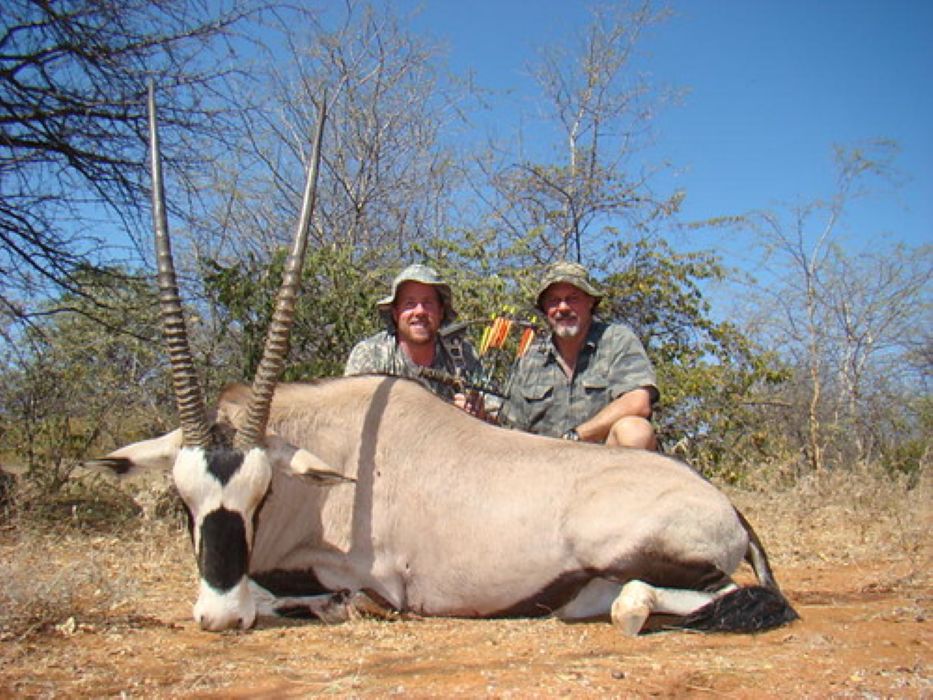
South Africa – Hunting statistics from the country reveal a troubling scale of wildlife deaths that challenge claims of conservation through bullets.
Numbers That Challenge the Narrative
South Africa’s Trophy Hunting: Statistics Unmask Industrial Wildlife Extraction (Image Credits: )
Statistics on trophy hunting in South Africa laid bare an operation far removed from sustainable practices. Officials reported figures that pointed to thousands of animals felled annually, primarily for high-value trophies. This volume suggested not a balanced approach to wildlife management, but a systematic harvest driven by demand.
Analysts examined these data and concluded they documented extraction on an industrial level. Rather than easing pressure on endangered species, the hunts amplified mortality rates. Local wildlife populations faced intensified threats as quotas allowed for large-scale culling.
The Conservation Myth in Trophy Hunting
Proponents long argued that trophy hunting funded protection efforts and supported rural economies. Revenue from permits and hunts supposedly flowed back into anti-poaching and habitat preservation. Yet, the latest statistics contradicted this story.
Examiners found that funds often benefited a select few operators rather than broad conservation initiatives. Communities near reserves saw minimal gains, while elite hunters pursued prestige kills. This disconnect highlighted how the model prioritized short-term profits over long-term species survival.
A Global Elite’s Playground
Trophy hunting emerged as a luxury pursuit for wealthy international clients. High fees for permits targeting iconic species like rhinos and elephants drew criticism for catering to a narrow market. South Africa’s statistics showed a surge in such hunts, fueling accusations of commodification.
Critics pointed out that this industry served global affluent adventurers, not local needs. The data exposed a system where wildlife became trophies for the few, sidelining people-centered alternatives like eco-tourism. Dependence on foreign hunters risked instability if tastes shifted abroad.
Key Concerns for Wildlife and Policy
The hunting figures raised alarms about population declines in key species. Regulators faced pressure to reassess quotas amid evidence of over-exploitation. Alternatives such as community-led sanctuaries gained traction as more ethical paths forward.
Stakeholders called for transparency in how statistics were compiled and quotas set. Greater oversight could ensure hunts aligned with genuine conservation goals. Still, the prevailing data urged a pivot away from bullet-based models.
- High annual kill tallies exceed sustainable levels for many species.
- Revenue distribution favors private outfitters over communities.
- International demand drives quotas, ignoring local ecological limits.
- Shift to non-lethal tourism could yield steadier benefits.
- Stricter reporting would expose true impacts on populations.
Key Takeaways
- Statistics depict trophy hunting as market-led extraction, not conservation.
- Elite clients dominate, with limited local benefits.
- Policy reforms must prioritize wildlife sustainability over hunts.
In South Africa, these hunting statistics compel a reckoning: true conservation demands more than revenue from rifles. Communities and ecosystems deserve models that protect rather than profit from slaughter. For deeper insights, see the full analysis at Conservation Action. What do you think about trophy hunting’s role in conservation? Tell us in the comments.