Rescuers in South Australia dismantled a massive animal hoarding operation in 2020, saving 111 creatures from dire conditions in a single dilapidated home.
A Shocking Discovery Unfolds
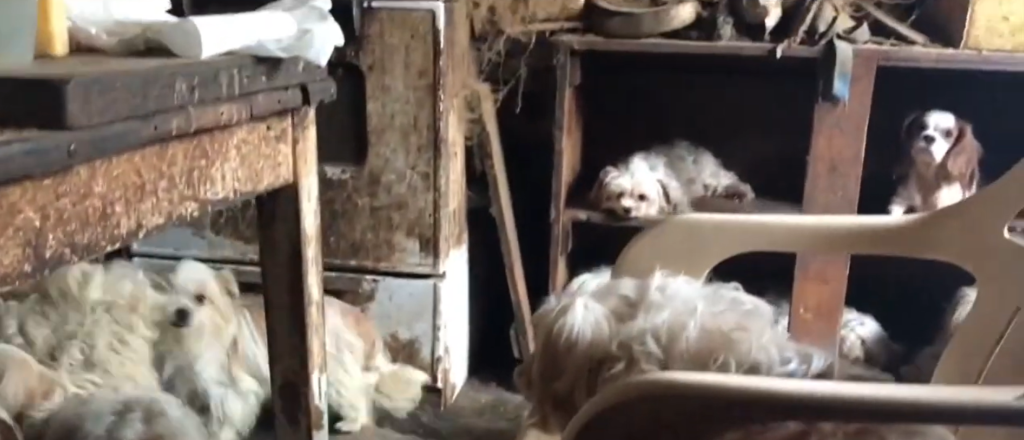
A Shocking Discovery Unfolds (Image Credits: Youtube)
Inspectors from RSPCA South Australia entered the property after receiving troubling reports from neighbors. They confronted a scene of overwhelming neglect: floors coated in dirt, benchtops caked with grime, and heavy cobwebs draping every corner. Animals huddled in fear, some crammed into cupboards, shelves, and stacked crates amid the clutter. Puppies trembled in kitchen hideaways, while others sought refuge wherever they could. The scale stunned even seasoned rescuers, who described the home as a “house of horrors.”
This initial visit marked the beginning of a multi-stage operation. Authorities had monitored the site prior to entry, prompted by community concerns. The environment had clearly deteriorated over time, exacerbating the animals’ suffering.
The Scale of the Rescue Effort
On the first sweep, teams removed 80 animals, including 65 dogs and 11 cats or kittens. A possum and a magpie joined the group transported to safety. Handlers moved with caution to minimize stress on the frightened creatures. Veterinary assessments followed immediately, revealing widespread health issues tied to the unsanitary conditions. Subsequent visits secured the remaining animals, pushing the total to 111.
Kangaroos numbered 11 among the later rescues, confined to a suburban back patio. Sheep and additional birds also required extraction. Coordination proved essential, as the mix of species demanded specialized handling. RSPCA South Australia led the charge, later transferring some natives to partner organizations.
Conditions That Demanded Urgent Action
Nearly every animal needed medical intervention upon arrival at facilities. Minor treatments addressed immediate concerns, while others underwent extensive procedures. Prolonged exposure to filth had weakened their immune systems and caused injuries. Frightened behaviors persisted initially, with many hiding even in clean spaces. The hoarding setup prevented proper care, turning the home into a trap of deprivation.
Rescuers noted the psychological toll as well. Animals adjusted slowly to gentle handling after months or years of stress. This case highlighted how hoarding escalates, overwhelming both residents and creatures involved.
Rehabilitation and Paths Forward
| Animal Type | Number Rescued |
|---|---|
| Dogs | 65 |
| Cats/Kittens | 11 |
| Kangaroos | 11 |
| Others (possum, magpie, birds, sheep) | 24 |
Recovery efforts yielded strong results. Veterinary teams stabilized the group, paving the way for new beginnings. Officials rehomed 90 animals, primarily dogs and cats, into suitable environments. Another 16, mostly native species and birds, moved to specialized care providers. Kangaroos found homes that respected their natural needs. RSPCA South Australia called the effort an “incredible outcome.”
A few animals required ongoing support tailored to their conditions. The operation underscored the value of thorough planning and community vigilance. Full details appear in the RSPCA report.
Key Takeaways
- 111 animals rescued in total, spanning dogs, cats, kangaroos, and natives.
- 90 successfully rehomed; 16 transferred for expert care.
- Nearly all received vital veterinary treatment post-rescue.
This rescue demonstrated how swift intervention transforms tragedy into hope. Early reporting from concerned citizens proved pivotal. What steps can communities take to prevent such cases? Share your thoughts in the comments.