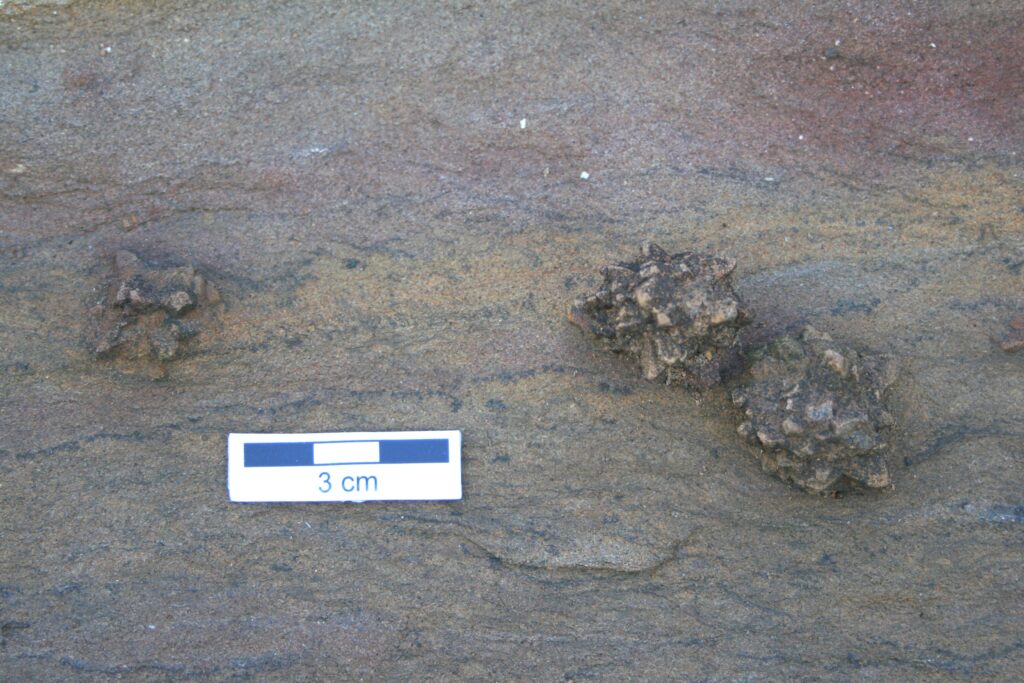
Geologists examining rocks from the Doushantuo Formation in South China discovered evidence of a significant cooling episode during the early Ediacaran Period. These findings, centered on peculiar mineral structures known as glendonites, point to near-freezing ocean conditions around 609 to 551 million years ago. The discovery reshapes understanding of climate fluctuations following the intense Cryogenian glaciations.
Decoding the Secrets of Glendonites
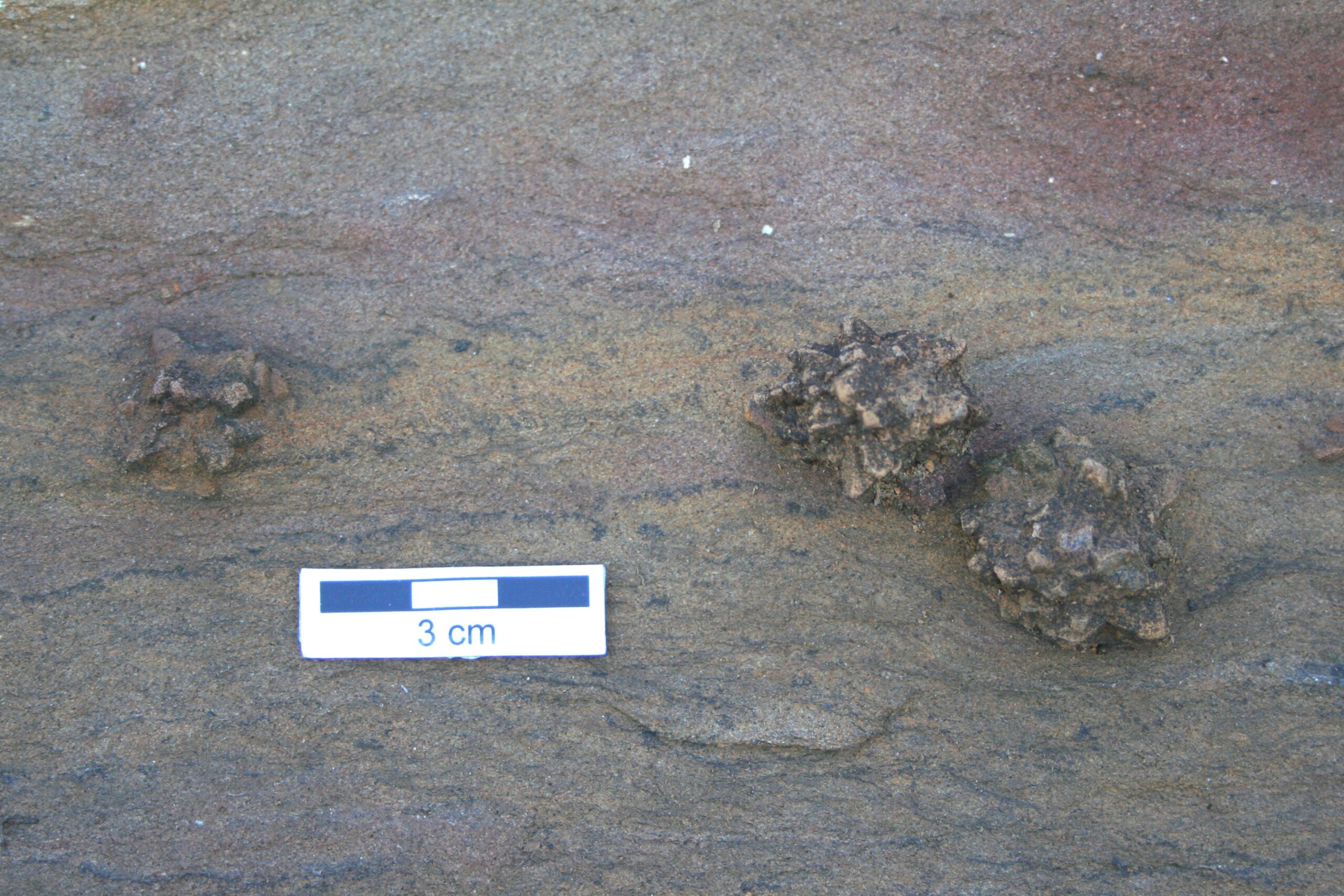
Decoding the Secrets of Glendonites (Image Credits: Upload.wikimedia.org)
Glendonites form when ikaite, a rare hydrated calcium carbonate mineral, transforms into calcite while preserving its original crystal shape. Ikaite precipitates only in near-freezing waters, typically below 8°C, often in marine settings rich in alkalinity and inhibited from forming more stable carbonates. This pseudomorph serves as a reliable indicator of cold seafloor temperatures.
Researchers identified these structures in silicified or calcitic forms within ancient sediments. Their stellate clusters, sometimes rimmed by silica, match patterns seen in younger Phanerozoic deposits. Such features demand specific conditions beyond mere cold: elevated phosphate levels and anoxic pore waters played key roles.
Tracing Glendonites Across the Doushantuo Formation
The initial report emerged from inner-shelf deposits at Zhangcunping, on the northern flank of the Huangling anticline in Hubei Province. Further surveys expanded the record to additional sites, confirming a broad yet selective presence. Glendonites appeared consistently in the lower to middle parts of the formation but skipped prominent sections like Jiulongwan.
Specific locales included the Bailu section near Zhangcunping, drill core YD-4 in the Changyang area south of the anticline, and drill core HJZK in the Huji area, about 110 kilometers distant. These spanned inner-shelf and intrashelf basin environments on the Yangtze Block’s passive margin. The pattern underscored regional prevalence tempered by local geology.
- Zhangcunping (Bailu section): Silicified glendonites in inner-shelf facies.
- YD-4 core (Changyang): Calcite-replaced clusters tied to EP1 interval.
- HJZK core (Huji): Multiple occurrences in black shales and dolostones.
- Absent: Jiulongwan and some outer-shelf sites.
Stratigraphic Ties and Precise Timing
Glendonites aligned with the upper phase of the positive carbon isotope excursion EP1 in the Doushantuo Formation. This layer preceded negative excursions EN2 and EN3, the latter akin to the global Shuram event dated around 575 million years ago. Host rocks featured phosphorites, black shales, and dolostones, hallmarks of the formation’s basal units.
Dating placed the features between approximately 609 and 551 million years ago, post-Marinoan deglaciation but before major Late Ediacaran events. Detrital zircons from nearby horizons yielded ages under 612 million years, reinforcing the early Ediacaran slot. The formation itself, spanning 635 to 551 million years, capped Marinoan tillites and hosted early microfossils amid post-glacial transgression.
Conditions That Fostered Ancient Cold Indicators
Cold temperatures drove ikaite growth, but phosphate enrichment and anoxic bottom waters ensured preservation as glendonites. Pore fluids, likely sulfidic, supported anaerobic oxidation of methane or organics, yielding the structures’ highly negative δ¹³C values down to -37‰. These geochemical signatures distinguished them from ambient sediments.
The Doushantuo’s inner-shelf lagoons, with low oxygen and high salinity, amplified these effects. Researchers noted that while climate set the cold stage, local factors like redox state and nutrient levels dictated spotty distribution. This interplay mirrored modern cold-seep analogs in polar seas.
Reshaping Views on Ediacaran Climate Dynamics
The glendonites marked a regional cooling pulse after Cryogenian ice ages thawed, challenging notions of uniform post-glacial warmth. This chill, potentially overlapping the distant Gaskiers glaciation around 580 million years ago, highlighted volatility in early Ediacaran oceans. It preceded the Shuram excursion’s carbon perturbations, linking climate to biogeochemical cycles.
Such evidence predicts similar finds elsewhere in coeval strata worldwide. The Yangtze Block’s record thus offers a window into transient cold snaps amid life’s prelude to the Cambrian Explosion. Future drilling may clarify if this cooling influenced nascent multicellular evolution in the formation’s famed microfossil beds.
Key Takeaways
- Glendonites indicate near-freezing seafloor conditions ~609–551 Ma in South China.
- Wide distribution reflects regional cold plus local phosphate/anoxia.
- Event predates Shuram excursion, signaling early Ediacaran climate swings.
These ancient minerals remind us that Earth’s climate has long swung between extremes, even in deep time. What insights might similar proxies reveal about today’s rapid changes? Tell us in the comments.