Intense demand for songbirds in Southeast Asia has placed lesser-known species known as “master birds” at risk of secondary extinctions, researchers report. These birds serve as vocal coaches for prized competitors in elaborate singing contests but rarely grace the stages themselves. A recent study highlights how this indirect pressure from the pet trade threatens wild populations, particularly in Indonesia.
Master Birds: Unsung Heroes of Songbird Competitions
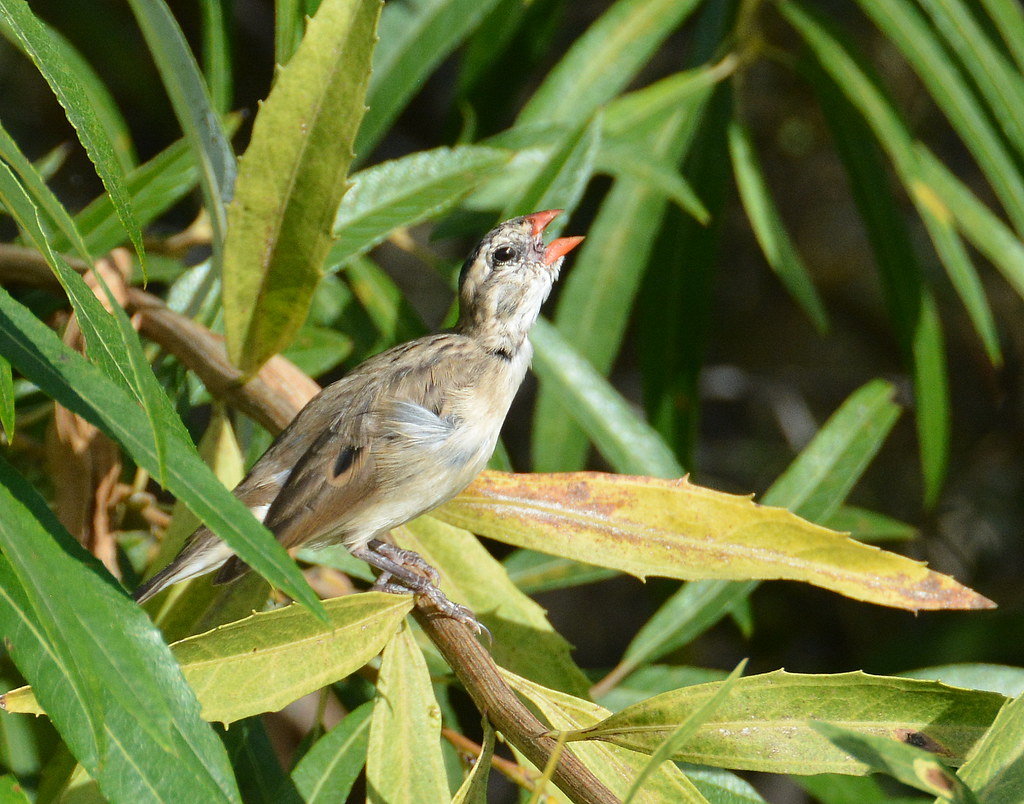
Master Birds: Unsung Heroes of Songbird Competitions (Image Credits: Flickr)
Competitors in Southeast Asian songbird contests vie for glory based on song duration, rhythm, volume, and showmanship. Prize money has surged in recent years, intensifying the drive for superior performances. Owners cage master birds nearby to impart specific calls and boost the confidence of their entrants through proximity and perceived energy transfer.
These trainers possess unique vocal qualities that competition birds, such as the white-rumped shama, mimic over time. Unlike flashy contestants, master birds remain out of the spotlight yet fuel the trade’s expansion. Vincent Nijman, lead author of the study, noted that master birds teach elements of their songs to competitors across the region.
Crested Jayshrikes: A Prime Example of Trade Pressure
Researchers surveyed markets across Indonesia from 2011 to 2025, documenting sales of crested jayshrikes (Platylophus galericulatus) in Sumatra, Borneo, Java, Bali, Lombok, and Sulawesi. They estimated 900 to 1,100 of these birds sold annually at physical markets, with no captive breeding operations observed. Indonesia listed the species as protected in 2018, yet open trade persisted without decline.
Once common in Java’s forests during the 1990s, crested jayshrikes have grown scarce there. Demand favors the brown subspecies for its superior calls. Classified as Near Threatened on the IUCN Red List since 2019, the bird now faces heightened risks from unchecked harvesting.
Secondary Extinctions: A Hidden Crisis
Secondary extinctions occur when trade indirectly decimates non-target species like master birds. Nijman described the phenomenon as “an extinction under the radar,” driven by escalating competition demands. Similar patterns threaten other masters, amplifying losses in already fragile ecosystems.
The Javan green magpie, critically endangered, and the rufous-fronted laughingthrush, endangered, serve comparable roles. Gray-cheeked and brown-cheeked bulbuls also appear in markets as trainers. These declines compound direct threats to headline species, eroding biodiversity across Indonesia.
- Crested jayshrike: Near Threatened, openly traded post-2018 protection.
- Javan green magpie: Critically Endangered, used as master.
- Rufous-fronted laughingthrush: Endangered, vocal trainer.
- Gray-cheeked bulbul: Emerging trade target.
- Brown-cheeked bulbul: Sought for song variety.
Pathways to Protection and Recovery
Experts urge immediate enforcement of existing laws to close illegal markets. Chris Shepherd, a senior conservationist, emphasized Indonesia’s role as Southeast Asia’s largest bird trader and the need to safeguard overlooked species. Education campaigns could target trappers and buyers, highlighting trade impacts.
Alternative livelihoods, such as ecotourism, offer promise for former trappers. Jonas Bruslund of the Copenhagen Zoo stressed shifting focus from business to conservation. Nijman called for urgent action to avert secondary extinctions: “Effective enforcement of existing laws and shutting down the open trade in crested jayshrikes is needed urgently.”
Key Takeaways
- Master birds enable complex songs in competitions but suffer indirect overharvesting.
- Annual trade in crested jayshrikes exceeds 900 birds despite protections.
- Enforcement, education, and alternatives are essential to halt declines.
As songbird trade persists, the fate of these vital species hangs in the balance. Stronger measures could preserve Southeast Asia’s avian symphony for future generations. What steps should governments prioritize to protect these hidden victims? Share your thoughts in the comments.