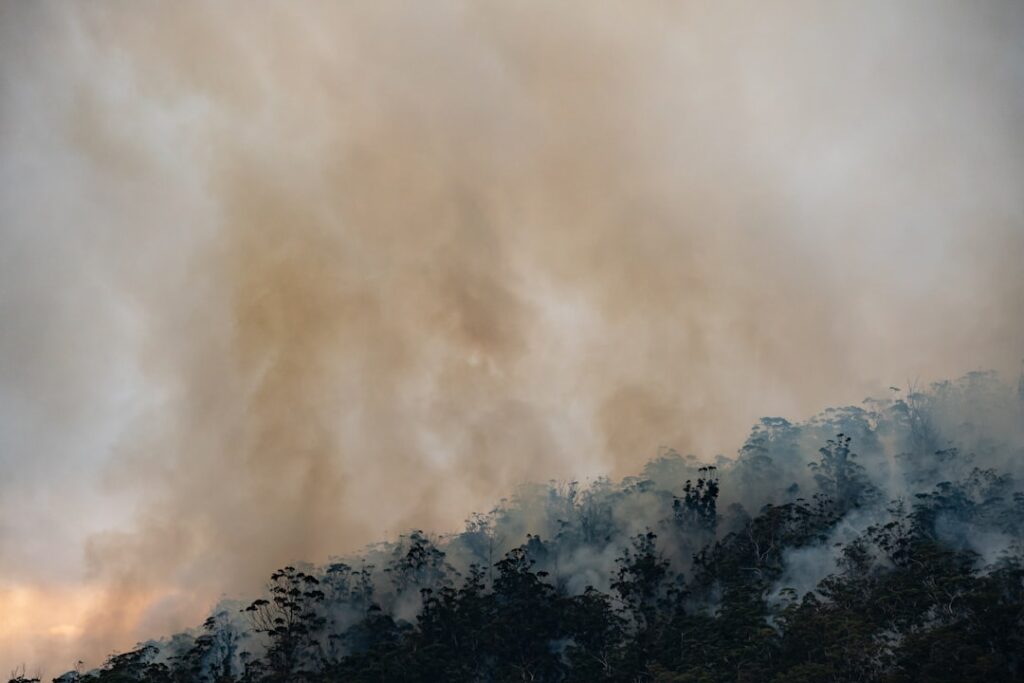

Extreme Temperatures Strain Communities (Image Credits: Unsplash)
Southern Australia – A punishing heatwave gripped the region this week, pushing temperatures to extremes not seen since the devastating Black Summer fires, while authorities issued urgent warnings about heightened bushfire dangers.
Extreme Temperatures Strain Communities
Melbourne recorded its hottest day in six years on Wednesday, with the mercury climbing to 41 degrees Celsius amid relentless dry winds. Residents flocked to beaches and pools for respite, but the heat persisted into the evening, testing urban infrastructure and public health systems. Firefighters across Victoria and neighboring states prepared for the worst, as the conditions mirrored those that fueled widespread blazes in 2019 and 2020.
In Adelaide, temperatures reached 43 degrees Celsius, exacerbating power grid pressures and prompting conservation appeals from energy authorities. The heatwave extended to New South Wales, the Australian Capital Territory, Tasmania, and parts of Western Australia, affecting millions. Medical services reported a spike in heat-related illnesses, underscoring the human toll of such prolonged exposure.
Bushfire Risks Reach Critical Levels
Forecasters predicted extreme fire danger ratings for much of Victoria and South Australia by Thursday, with northern Victoria placed at the highest “catastrophic” level. Several bushfires already burned in Victoria, forcing evacuations in small communities directly in their paths. Dry vegetation, low humidity, and gusty winds created ideal conditions for rapid fire spread, officials noted.
The Country Fire Authority in Victoria declared total fire bans, urging residents to avoid any activities that could spark flames. In South Australia, similar measures took effect, as the heat dried out landscapes parched from recent low rainfall. Inland New South Wales faced elevated risks, with authorities monitoring potential hotspots closely. This convergence of factors echoed the Black Summer events, when fires ravaged over 18 million hectares.
State-by-State Outlook Amid the Crisis
Victoria bore the brunt of the heatwave’s intensity, with coastal areas seeing a brief cooling breeze on Wednesday before conditions worsened again. The state government activated emergency protocols, including enhanced aerial support for firefighting efforts. Multiple blazes, some sparked by lightning from fire-fueled thunderstorms, complicated containment strategies.
South Australia experienced soaring heat in its capital and rural zones, with forecasts indicating little relief until the weekend. New South Wales inland regions prepared for temperatures exceeding 40 degrees Celsius, while the ACT saw similar alerts. Tasmania and Western Australia reported hot spells, though less severe than their eastern counterparts. A brief reprieve appeared possible for some coastal spots, but experts cautioned against complacency.
To illustrate the varying impacts, here’s a breakdown of key affected areas:
- Victoria: Up to 45 degrees Celsius; multiple active fires; catastrophic danger in north.
- South Australia: 43 degrees Celsius in Adelaide; total fire bans statewide.
- New South Wales: Inland highs over 40 degrees Celsius; extreme fire ratings.
- Australian Capital Territory: Hot and dry; heightened vigilance for urban fringes.
- Tasmania and Western Australia: Moderate heat; localized fire watches.
Lessons from Past Disasters Guide Response
Authorities drew on experiences from previous heatwaves to bolster preparations, including community education campaigns on fire safety. Power companies implemented rolling blackouts in high-risk zones to prevent overloads, while water restrictions aimed to conserve supplies. Environmental groups highlighted the role of climate patterns in intensifying such events, calling for long-term mitigation strategies.
Evacuation orders reached affected communities swiftly, with shelters stocked for displaced residents. Fire services coordinated across state lines, sharing resources to tackle emerging threats. Though the immediate heat eased slightly by Thursday evening, the underlying fire risks lingered, demanding sustained alertness.
Key Takeaways
- The heatwave marks the worst since Black Summer, with temperatures surpassing 40 degrees Celsius in multiple states.
- Catastrophic fire dangers prompted total bans and evacuations, particularly in Victoria.
- Coastal breezes offered temporary relief, but dry conditions fueled ongoing bushfire threats.
As southern Australia navigates this fiery ordeal, the event serves as a stark reminder of the growing vulnerability to extreme weather. Proactive measures now could prevent tragedy, but the path forward requires collective action on climate resilience. What steps are you taking to stay safe during such conditions? Share your thoughts in the comments.