Southern France – Paleontologists recently excavated more than 100 remarkably preserved fossilized dinosaur eggs at a site near Mèze. This discovery spans a vast nesting ground covering about 15 square miles in what was once a floodplain. The find offers rare insights into the family dynamics of Upper Cretaceous dinosaurs, approximately 72 million years old. Many eggs still hold their internal structures, providing scientists with an extraordinary window into prehistoric reproduction.
A Massive Prehistoric Nursery Comes to Light
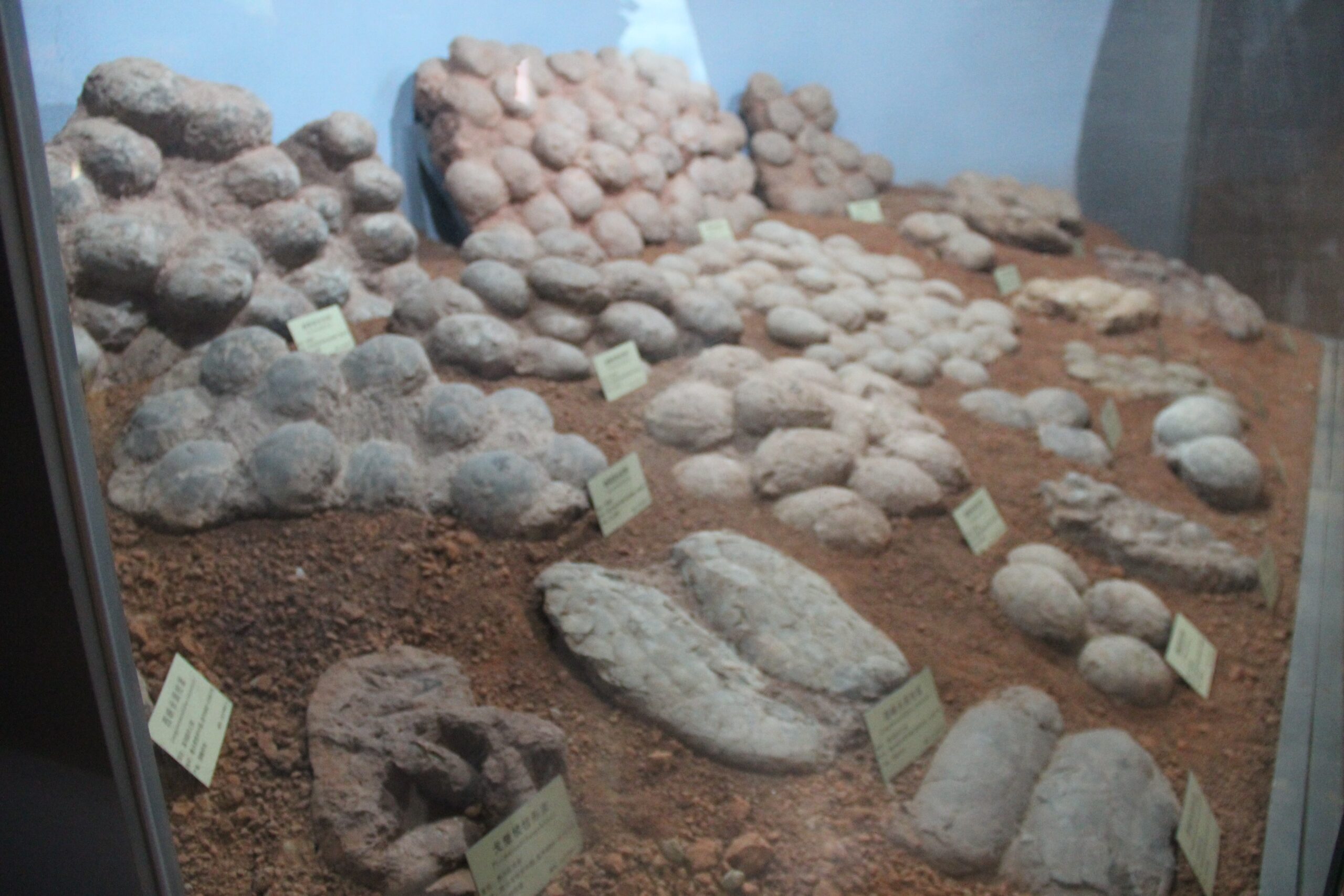
A Massive Prehistoric Nursery Comes to Light (Image Credits: Upload.wikimedia.org)
Researchers stumbled upon this extensive egg cluster during routine fieldwork in the region. The site, preserved through sediment layers from an ancient river system, captured a moment frozen in time. Eggs appeared in clusters, suggesting organized nesting behaviors among these long-extinct giants. This concentration rivals few other known dinosaur breeding grounds worldwide.
The sheer scale of the discovery stunned the team. Spanning such a large area, it indicates a thriving population of dinosaurs gathered to lay eggs. Floodplain conditions likely aided preservation by rapidly burying the nests under fine sediments. Paleontologists now catalog each specimen meticulously to map the site’s layout.
Diverse Dinosaur Species Leave Their Mark
Titanosaurs dominated the egg collection, their massive shells reflecting the herbivores’ enormous size. Smaller contributions came from ankylosaurs, known for armored bodies, and nimble theropods. This variety hints at a shared habitat where different species coexisted peacefully during breeding season. Each egg type carries unique shell textures and sizes, aiding identification.
Analysis shows titanosaurs produced the majority, with shells up to several inches long. Ankylosaur eggs featured thicker walls, suited to their defensive lifestyles. Theropod specimens, smaller and more elongated, suggest agile predators nested nearby. Such diversity underscores the floodplain’s role as a fertile breeding hub.
Exceptional Preservation Unlocks Hidden Details
Unlike many fossils that crumble over millennia, these eggs retained embryos and membranes in several cases. Microscopic scans reveal yolk traces and even skeletal fragments inside. This level of detail stems from the site’s oxygen-poor burial environment, which slowed decay. Scientists compare it to a natural time capsule sealed against erosion.
Teams employed advanced imaging to peer inside without damage. Results exposed growth stages of unborn dinosaurs, from early embryos to near-hatchlings. Floodwaters deposited protective clay layers swiftly after laying. This rarity elevates the Mèze site among global paleontological treasures.
Illuminating Cretaceous Family Life
The eggs paint a picture of communal nesting in the late Cretaceous. Females likely returned repeatedly to the floodplain, drawn by its safety and resources. Clusters imply social structures, perhaps with group protection against predators. This challenges views of dinosaurs as solitary creatures.
Evidence suggests some species guarded nests, based on egg arrangements. The floodplain’s seasonal floods provided both risk and benefit, ensuring nutrient-rich soils for hatchlings. Researchers link this to broader patterns in titanosaur behavior across continents. Findings reshape narratives of dinosaur reproduction.
Key Species and Egg Characteristics
| Species | Egg Features | Estimated Size |
|---|---|---|
| Titanosaurs | Thick, oval shells | Large (several inches) |
| Ankylosaurs | Reinforced walls | Medium |
| Theropods | Elongated, thin | Small |
Key Takeaways:
- Over 100 eggs from a 15-square-mile nesting ground near Mèze.
- Preservation includes internal structures like embryos.
- Dominantly titanosaurs, with ankylosaurs and theropods present.
This extraordinary cache from southern France not only expands the fossil record but also humanizes these ancient behemoths through their parental instincts. As studies continue, more revelations about Cretaceous ecosystems await. What aspects of dinosaur family life intrigue you most? Share your thoughts in the comments.