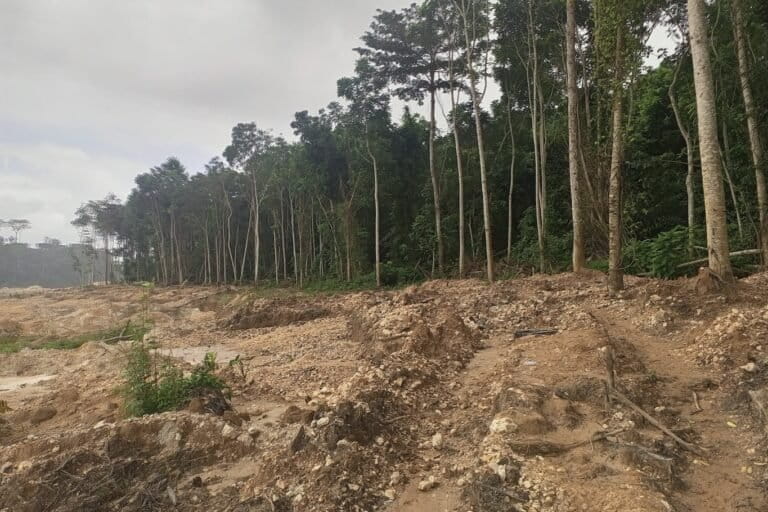
Brazil – Major soybean traders have abandoned a two-decade-old voluntary agreement that curbed deforestation in the Amazon, raising alarms about accelerated forest loss.
A Storied Pact Reaches Its End

A Storied Pact Reaches Its End (Image Credits: Imgs.mongabay.com)
The soy moratorium began in 2006 following a Greenpeace report that highlighted soy expansion’s role in Amazon destruction. Major traders pledged not to buy soybeans from land cleared after July 2008. The Brazilian government endorsed the initiative soon after.
Over nearly 20 years, the pact delivered results. Deforestation in monitored municipalities dropped 69% from 2009 to 2022, even as soybean production in the Amazon grew 344%, largely on former cattle pastures. Traders shared monitoring costs to enforce the rules.
That progress halted in early January 2026. The Brazilian Association of Vegetable Oil Industries (Abiove), representing giants like Cargill, Bunge, ADM, and Amaggi, announced its withdrawal.
Tax Incentives Tip the Scales
Mato Grosso, Brazil’s leading soy-producing state, enacted a law in 2023 that stripped tax breaks from companies enforcing stricter environmental standards than national rules allow. Those incentives totaled about $743.5 million annually for moratorium participants.
The legislation took effect at the start of 2026, prompting Abiove’s move. State officials confirmed the industry’s formal exit. Soy producers argued the pact exceeded legal requirements, as Brazil permits up to 20% deforestation on Amazon properties.
Farmers and politicians in Mato Grosso mounted a pushback against federal anti-deforestation efforts and global market pressures for sustainable products.[3]
Dire Warnings for the Amazon
A preliminary study from the Amazon Environmental Research Institute (IPAM) projected a 30% increase in Amazon deforestation by 2045 without the moratorium. Observers warned of a tipping point, where the ecosystem turns drier and less resilient.
Under President Luiz Inácio Lula da Silva, deforestation hit a decade-low last year. Yet the pact’s collapse threatens that momentum and Brazil’s 2030 zero-deforestation goal.
Environmental groups like WWF and Greenpeace decried the decision. WWF noted heightened climate risks for farmers, while Greenpeace highlighted violations of investor commitments.
International Markets Feel the Strain
From late 2026, the European Union’s Deforestation-free Products Regulation will bar imports linked to land cleared after 2020. Traders may struggle to supply retailers like Carrefour, Tesco, and Walmart, which demand zero-deforestation soy.
Brazilian Environment Ministry official André Lima likened the exit to a broken marriage: “If they withdrew from the pact, then a marriage with only one husband or only one wife is no longer a marriage, right?” He stressed that illegal deforestation purchases still carry penalties.
| Period | Deforestation Change | Soy Production Change |
|---|---|---|
| 2009-2022 | -69% | +344% |
| Post-2026 Projection | +30% by 2045 | N/A |
Path Forward Uncertain
The moratorium’s end underscores tensions between economic pressures and environmental safeguards. While soy remains vital to Brazil’s economy, unchecked expansion risks irreversible damage to the world’s largest rainforest.
Stakeholders now eye alternatives, from stricter enforcement to new voluntary commitments. The coming years will test whether market forces or policy shifts can fill the void.
Key Takeaways
- Abiove-led traders exited the 20-year soy moratorium in January 2026 over lost tax breaks in Mato Grosso.
- The pact slashed deforestation by 69% amid booming soy output on old lands.
- IPAM forecasts 30% higher deforestation by 2045, challenging Brazil’s green goals and EU rules.
As the Amazon hangs in the balance, the soy industry’s pivot demands urgent scrutiny. What steps should global buyers take next? Share your thoughts in the comments.