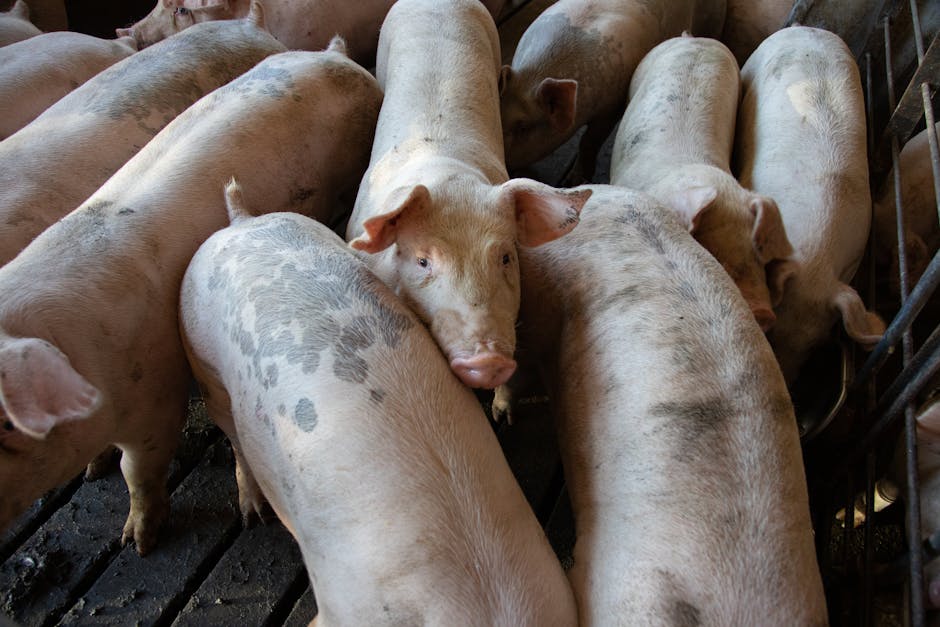
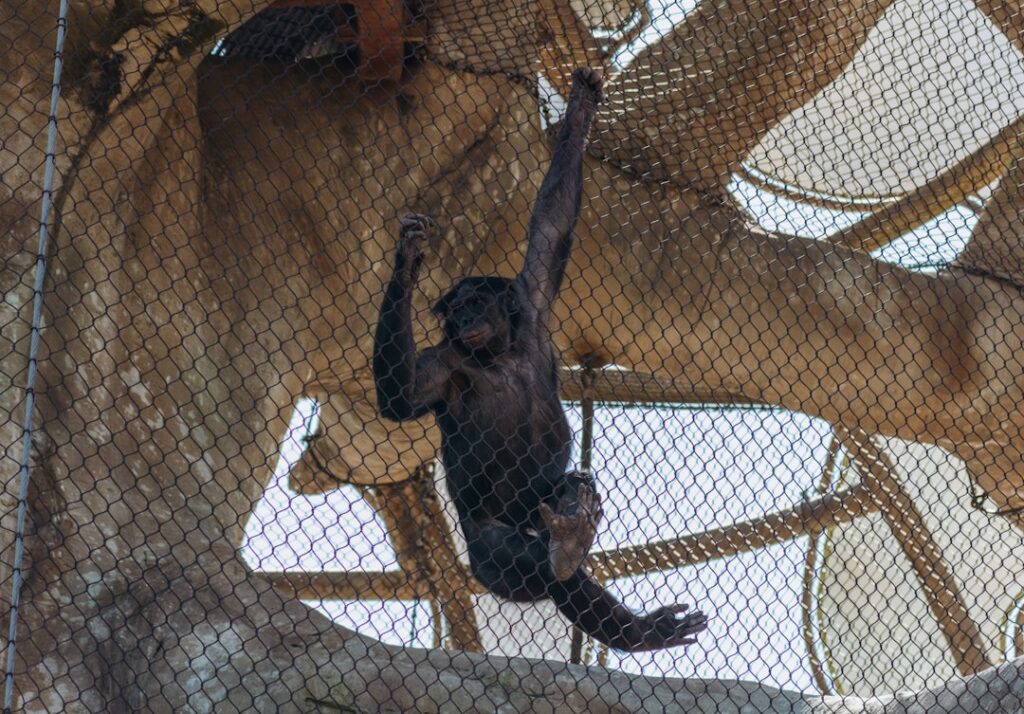
Punxsutawney Phil drew crowds and cameras on February 2 when he made his annual spring forecast. That tradition, rooted in folklore, often overshadows the diverse wildlife that truly announces the season’s arrival. As March progresses, mammals, birds, insects, and amphibians across North America reveal spring through their timeless behaviors and migrations.
Mammals Break Winter’s Grip
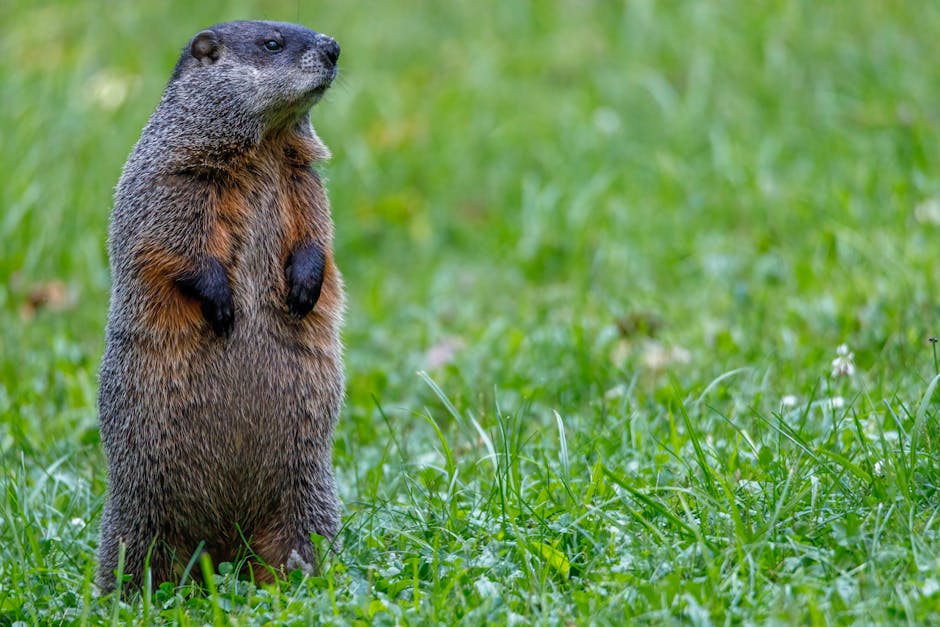
Mammals Break Winter’s Grip (Image Credits: Pexels)
Black bears stirred first as temperatures climbed, with males venturing out while females lingered in dens with newborns. Red foxes repurposed old groundhog burrows to shelter their kits, showcasing resourcefulness amid the thaw. Raccoons ramped up activity around mid-March, driven by breeding needs to forage for their young.
Groundhogs themselves joined the fray, but their role pales against this chorus. These mammals rouse regardless of a single shadow, driven by instinct and warming earth. Their emergence underscores spring’s inevitability, not a prognostication.
Birds Lead the Spring Parade
Over 350 bird species undertook northward migrations, filling skies with robins, Canada geese, warblers, finches, and wrens. Sandhill cranes, numbering more than a million alongside endangered whooping cranes, gathered along Nebraska’s Platte River from mid-February through April. American woodcocks, known by colorful nicknames like timberdoodle and bog sucker, performed dusk sky dances to attract mates.
These spectacles offered vivid confirmation of seasonal shifts. Flocks darkened horizons and echoed calls signaled renewal long before any burrow check. Birdwatchers noted peaks in activity, tying avian patterns to reliable environmental cues.
Bees, Beetles, and Butterflies Buzz In
Native bees, with at least 4,000 U.S. species including American bumblebees and rusty-patched bumblebees, ended hibernation to pollinate 80 percent of flowering plants. Queen bumblebees alone survived winter, emerging to sip nectar from early blooms. Beetles, ancient pollinators dating back 200 million years, frequented magnolia-like flowers.
Monarch butterflies sought nectar-rich, vivid blooms after caterpillar stages on toxic milkweed deterred predators. Soldier beetles, scarabs, and long-horned varieties joined the frenzy. This insect resurgence fertilized landscapes, proving pollinators as spring’s essential vanguard.
- Bees: Pollinate vast plant arrays post-hibernation.
- Beetles: Ancient allies for early bowl-shaped blooms.
- Butterflies: Drawn to color and nectar amid toxicity defenses.
Amphibians Stage a Vernal Chorus
Wood frogs deposited eggs in vernal pools – temporary ponds free of fish predators that dry by summer. Spotted salamanders laid 100 to 300 eggs annually in similar freshwater sites, though 90 percent faced perils like disease and drying. Plains spadefoot toads bred in rain-filled ephemeral pools, boasting eggs that hatched in just two days.
These creatures tolerated freezes with antifreeze traits, transitioning swiftly to breed. Their peeps and splashes filled nights, marking ecological rebirth. High mortality rates highlighted nature’s raw balance, yet survivors propelled spring forward.
Spring unfolded through this wildlife tapestry, where no lone groundhog held sway. Life renewed for bears, foxes, raccoons, and beyond, weather be damned. Observe these signs in your backyard – what wildlife wonders signal the season for you? Share in the comments.
Key Takeaways
- Diverse species like migrating birds and emerging pollinators offer truer spring indicators than folklore.
- Mammals and amphibians follow instinctual cues, ignoring singular predictions.
- Recognizing this variety fosters deeper appreciation for nature’s rhythms.