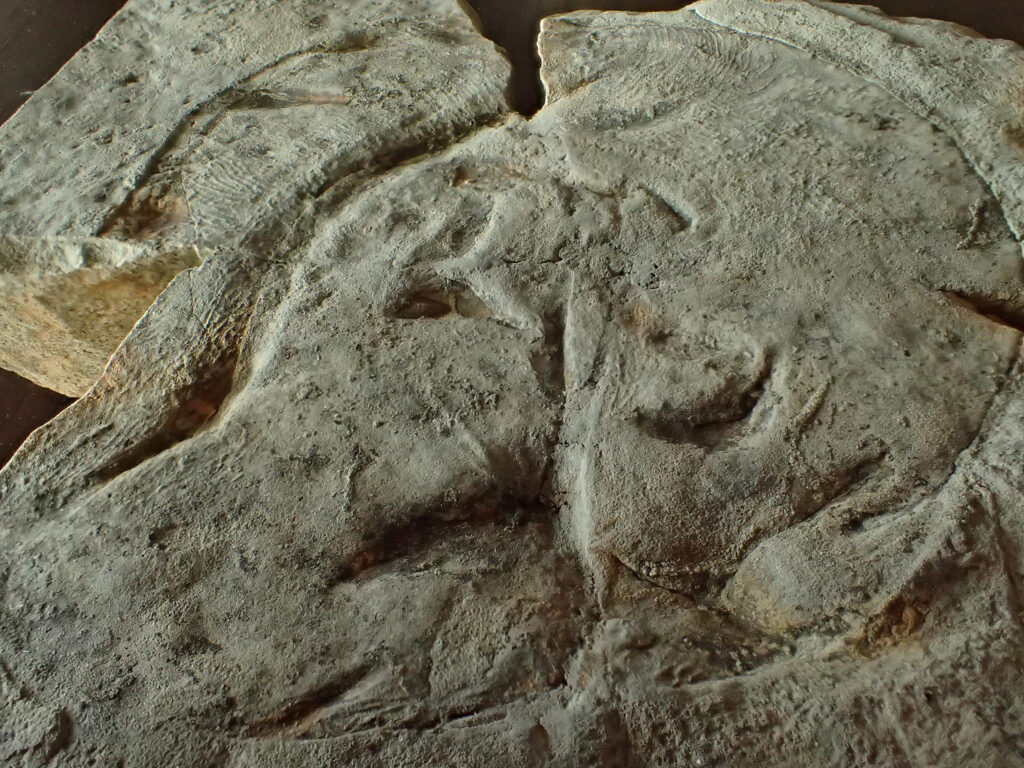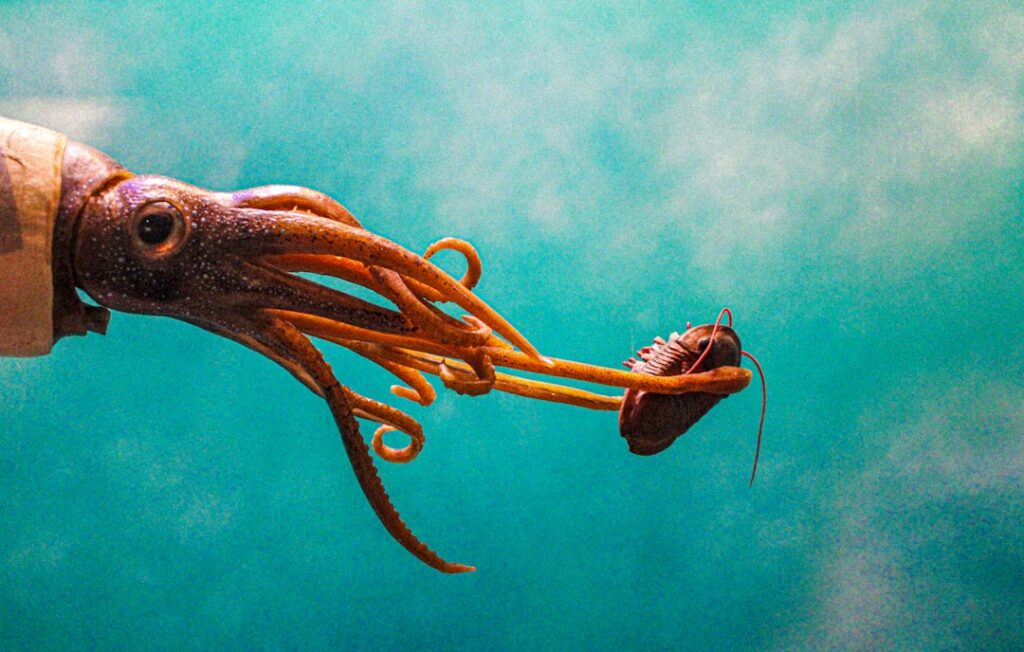
Researchers have uncovered the evolutionary story of squid and cuttlefish, revealing their origins in the deep ocean more than 100 million years ago. These decapodiform cephalopods weathered the Cretaceous-Paleogene mass extinction event 66 million years ago by retreating to oxygen-rich deep-sea pockets. As ecosystems rebounded, they rapidly diversified into shallow coastal waters, claiming dominance in modern oceans.
A Genomic Breakthrough Resolves Long-Standing Mysteries
A Genomic Breakthrough Resolves Long-Standing Mysteries (Image Credits: Unsplash)
Decades of debate surrounded the family tree of squid and cuttlefish due to sparse fossils and complex genomes. A new study published in Nature Ecology & Evolution delivered the clearest picture yet through whole-genome sequencing.[3] Scientists at the Okinawa Institute of Science and Technology led a five-year global effort, integrating existing data with three newly sequenced genomes from species like the ram’s horn squid.
These genomes, often twice the size of the human genome, demanded advanced techniques and fresh samples from remote habitats. The resulting evolutionary tree separated deep-ocean lineages from coastal ones, confirming mid-Cretaceous roots. Dr. Gustavo Sanchez, the lead author, noted that whole-genome data provided a “cleaner, more consistent picture” of their relationships.
Roots in the Mid-Cretaceous Abyss
Major decapodiform groups emerged around 101 million years ago in the deep open ocean, during a time of rising sea levels and shifting conditions. Fossil beaks and transitional forms aligned with this timeline, marking rapid cladogenesis among orders like Oegopsida and Spirulida. The ram’s horn squid still thrives in these depths today, its coiled internal shell echoing ancestral traits.
Internal shells evolved progressively from chambered ancestors: coiled in Spirulida, vestigial in open-ocean squid, and modified into cuttlebones or gladii in coastal groups. Transcriptomic analysis revealed genes for biomineralization persisted, underscoring deep-sea adaptations. Such features set the stage for survival amid global upheaval.
Enduring the Cretaceous-Paleogene Cataclysm
The asteroid impact 66 million years ago erased three-quarters of Earth’s species, including non-avian dinosaurs, and ravaged shallow oceans with acidification and oxygen depletion. Squid ancestors persisted in isolated deep-sea refuges where oxygen levels remained stable. Surface waters proved lethal, as acidic conditions threatened shell integrity near shores.
Sanchez explained that “intense ocean acidification in shallower waters would also likely have degraded their shells,” highlighting the protective role of deeper habitats. Only select microcosms offered viable conditions, allowing these cephalopods to endure while others perished. This refuge strategy preserved lineages through the chaos.
Rapid Radiation into New Realms
Post-extinction recovery ignited a diversification surge, following a “long fuse” of evolutionary stasis. For tens of millions of years after initial splits, little branching occurred. Then, as coral reefs rebuilt, squid and cuttlefish colonized shallow niches, sparking adaptive bursts.
Genetic signals showed selection for vision, metabolism, and immunity suited to varied environments. Coastal orders like Sepiida and Sepiolida reduced or lost shells, converging on streamlined forms. The shift mirrored ecological opportunities in recovering oceans.
| Clade | Habitat | Shell Type |
|---|---|---|
| Spirulida (e.g., ram’s horn squid) | Deep ocean | Coiled internal |
| Oegopsida | Open ocean | Vestigial gladius |
| Sepiida (cuttlefish) | Coastal/shallow | Cuttlebone |
| Myopsida/Idiosepiida | Shallow | Reduced or absent |
Lessons from an Ancient Survival Tale
This research lays groundwork for probing cephalopod innovations like camouflage and jet propulsion. Unique neural complexity and behaviors now invite molecular comparisons across the tree. Deep-sea refuges proved pivotal not just for squid, but potentially for other marine survivors of mass extinctions.
The “long fuse” pattern offers insights into how biodiversity rebounds from catastrophe. Today, squid dominate oceans from abyssal plains to coral reefs, their story a testament to resilience.
Key Takeaways
- Decapodiform cephalopods originated ~100 million years ago in deep-ocean habitats.
- They survived the K-Pg extinction in oxygen-rich deep-sea refuges amid surface devastation.
- A post-extinction “long fuse” led to explosive diversification into shallow waters.
Understanding these dynamics underscores the deep ocean’s role as a cradle for life amid turmoil. What lessons might this hold for today’s changing seas? Share your thoughts in the comments.