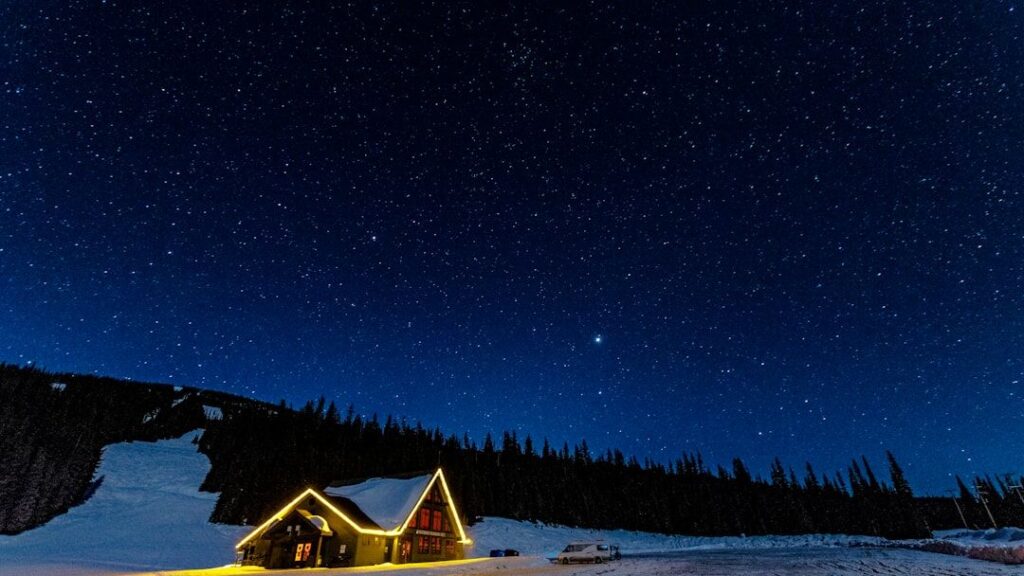
There’s something about December that makes people want to stay indoors. Heavy dinners, too much family time, perhaps one too many warm beverages. The cold gets bitter. The nights stretch longer. Yet step outside for just a few minutes during the Christmas holidays this year, and you’ll realize the sky is putting on a show that has nothing to do with TV reruns or leftover turkey.
Between December 20 and early January, a handful of unique astronomical events are waiting for anyone willing to look up. I think there’s something almost meditative about standing under the winter sky during this season. The crisp air clears your head, and honestly, sometimes you just need a moment away from everyone.
Jupiter Shines as the Christmas Star
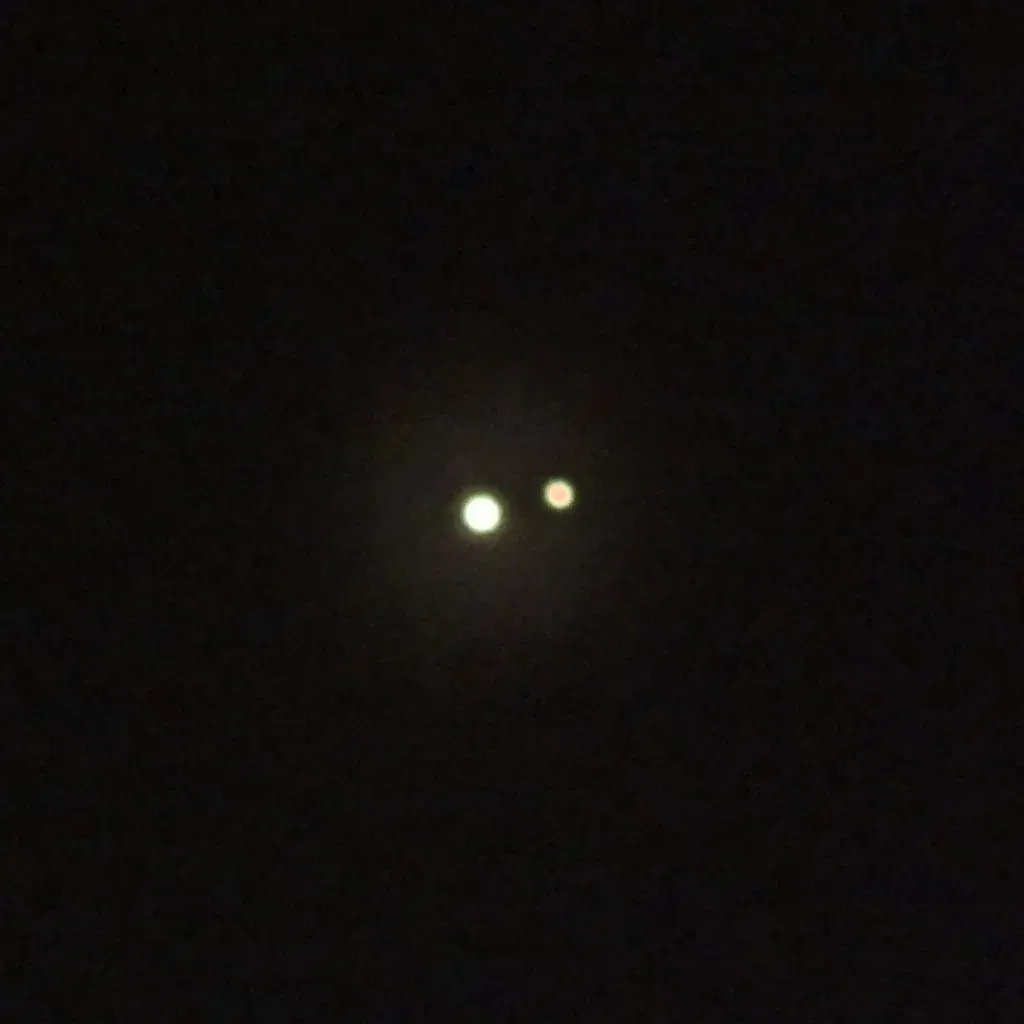
Jupiter shines as a bright “Christmas Star” in the east right after dark, and it’s impossible to miss. About 90 minutes after sunset, Jupiter rises in the east and immediately steals focus, shining with a steady intensity that makes everything else fade into the background. If you’ve been wondering what that ridiculously bright object is dominating the eastern horizon, that’s your answer.
The biggest planet in the Solar System rules the 2025 Christmas sky, glowing at its seasonal best just weeks before its January opposition. Even modest binoculars will allow you to glimpse its four largest moons. Let’s be real, seeing those tiny dots lined up beside Jupiter never gets old.
The Geminid Meteor Shower Delivers Pure Magic
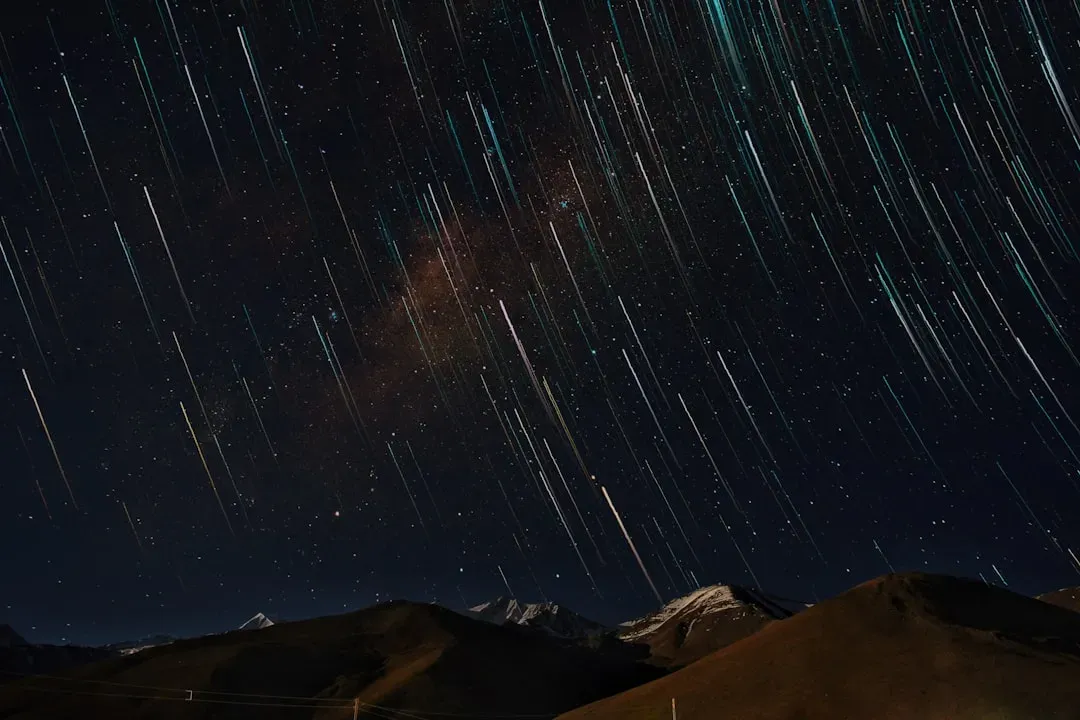
The famous Geminids are often considered the best meteor shower of the year, and on the nights of December 13–14, you could see up to 120 meteors per hour. This isn’t one of those overhyped celestial events that disappoints. This meteor shower is known for being bright and colorful, made up of debris trailing the asteroid 3200 Phaethon.
Here’s the thing: In 2025, the Moon will be a thin crescent, so its light won’t interfere much – making it an excellent year to watch. Geminids are slower and brighter than many other meteor showers, giving you more time to enjoy each meteor. Find a dark patch away from streetlights, lie back, and prepare to be humbled by nature’s fireworks display.
The Winter Solstice Brings Unmatched Darkness
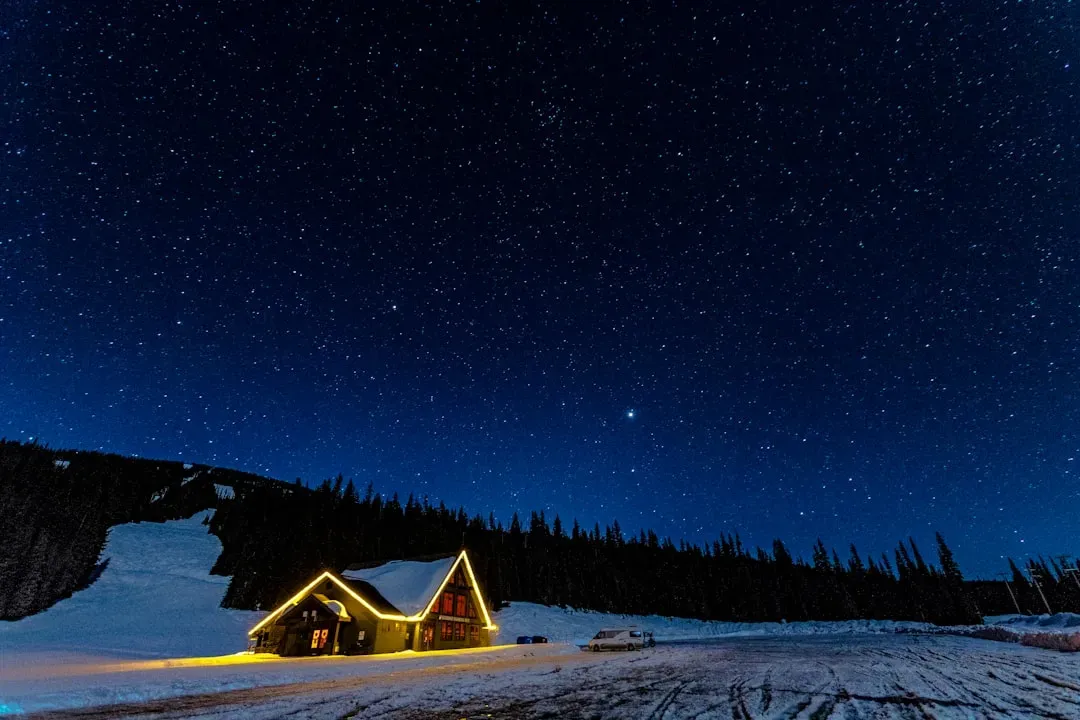
December 21 brings the longest night of the year, and once the thin crescent moon sets, the sky goes properly dark, creating ideal conditions for stargazing that don’t come often. Think about it: we’re talking about the absolute peak darkness of the entire year. December 21 marks the winter solstice in the Northern Hemisphere – the shortest day and the longest, darkest night of the year.
It’s the kind of night where you can see stars you’ve never noticed before. The solstice has this strange, quiet energy to it. Maybe it’s psychological, but standing outside on the longest night feels different somehow. The darkness itself becomes part of the experience.
Earthshine Glows on the Crescent Moon
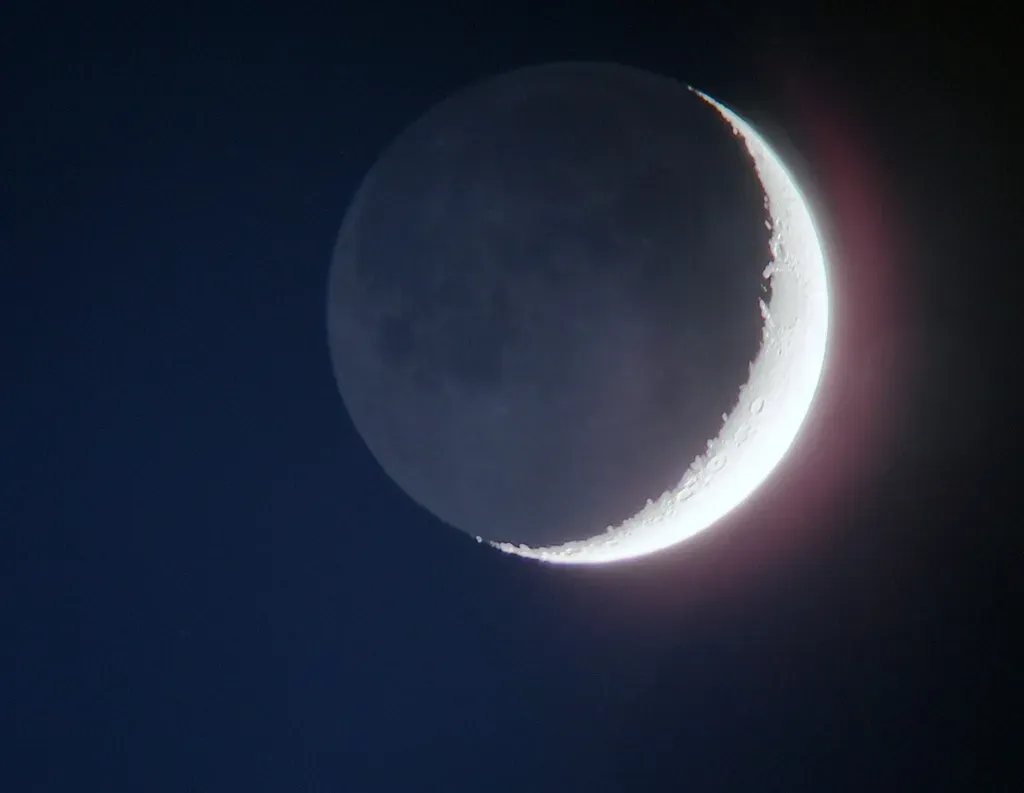
In the days before Christmas, the waxing crescent moon glows faintly on its dark side, and that ghostly light comes from sunlight bouncing off Earth itself. Most people walk right past this phenomenon without ever noticing it. You look up, see a thin sliver of moon, and move on.
Look closer though. That faint glow illuminating the dark portion of the moon isn’t a trick of your eyes. It’s our planet’s reflected light painting the lunar surface. It’s surprisingly beautiful once you actually spot it, like the Earth is reaching out to touch the moon.
The Ursid Meteor Shower Offers a Quiet Finale
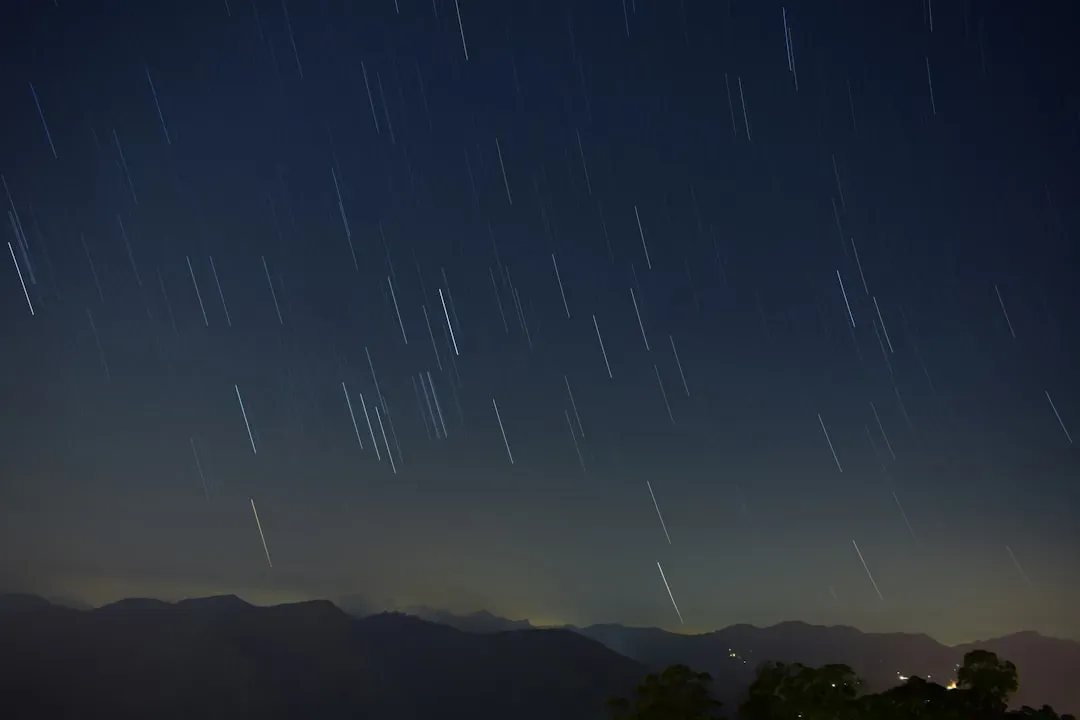
The Ursids peak around the solstice, and they aren’t like the Geminids, but on nights without a moon, you might spot a few bright and clear streaks if you stay up late. It’s not a particularly strong meteor shower, but the chance of about 10 “shooting stars” per hour in moonless night skies makes it a good opportunity to go stargazing.
Think of the Ursids as the understated closing act of the year. No fanfare, no hype, just a handful of meteors streaking across the darkest nights of December. In 2025, the Ursids reach their peak just two days after the New Moon, providing ideal viewing conditions. Sometimes the quieter shows are the most memorable.
Sirius Sparkles with Rainbow Colors
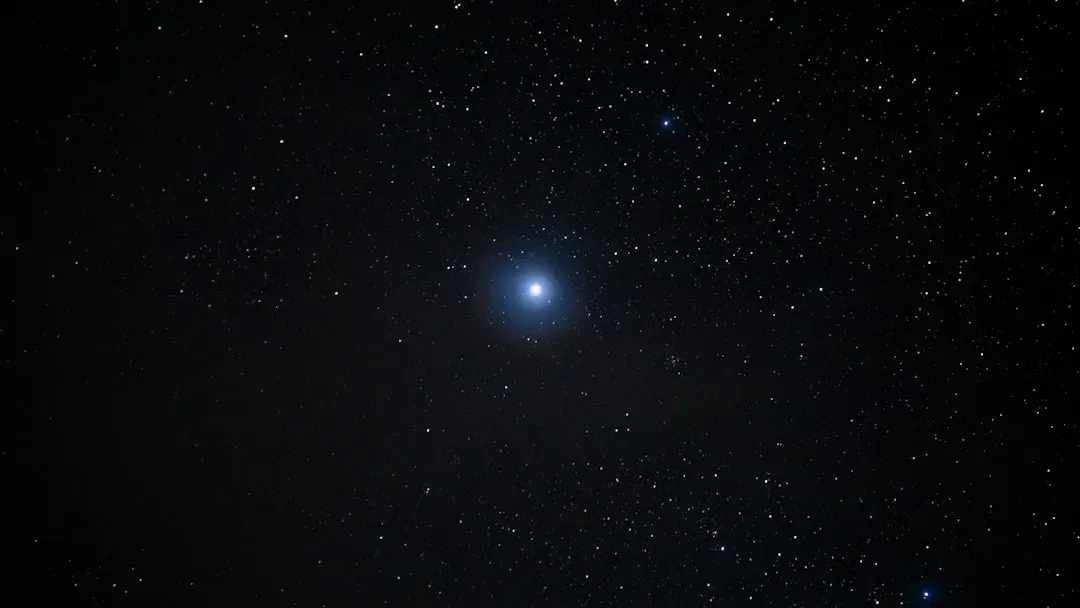
Blue Sirius, the only true star in this list, rises in the southeast during the evening hours and reaches its highest point in the southern sky around midnight, twinkling with vivid rainbow colors due to atmospheric turbulence. This isn’t just any star. Sirius is the brightest star in the entire night sky.
The rainbow effect happens because the star sits relatively low on the horizon, so its light passes through more atmosphere. The air bends and scatters the light, creating this shimmering, multicolored display. It’s like nature’s own Christmas light, and it costs nothing to witness.
The Cold Supermoon Closes Out 2025
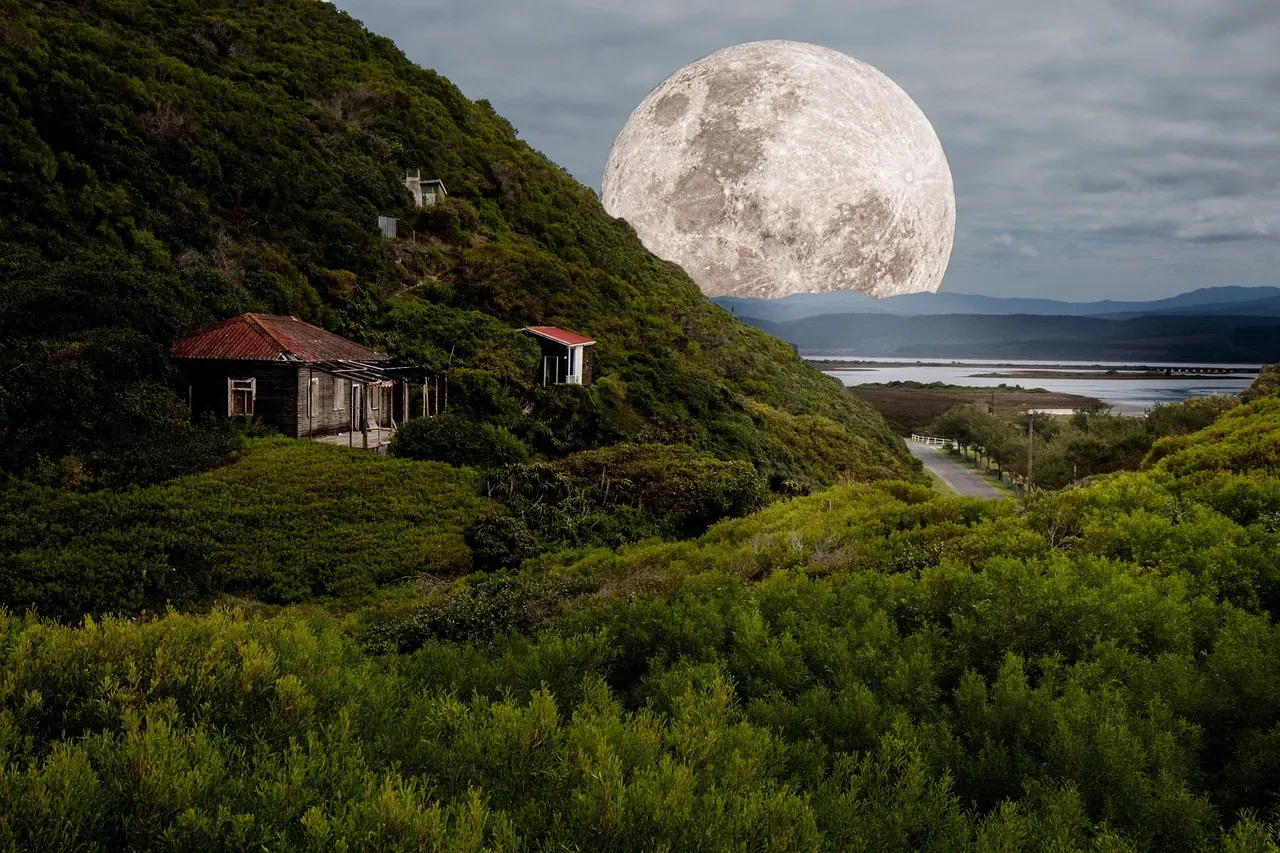
On December 4, the Moon reaches its full phase and is also a supermoon, appearing slightly larger and brighter than usual because it’s near its closest point to Earth. Early Native American tribes called it the Cold Moon, as December nights are long and chilly, with other names including the Long Nights Moon or Moon Before Yule.
It will shine close to the Pleiades star cluster, creating a pretty scene for binoculars and cameras. The full moon always feels significant, but when it’s a supermoon rising during the holiday season, there’s an extra weight to it. A fitting way to mark the year’s end.
The International Space Station Glides Silently Overhead
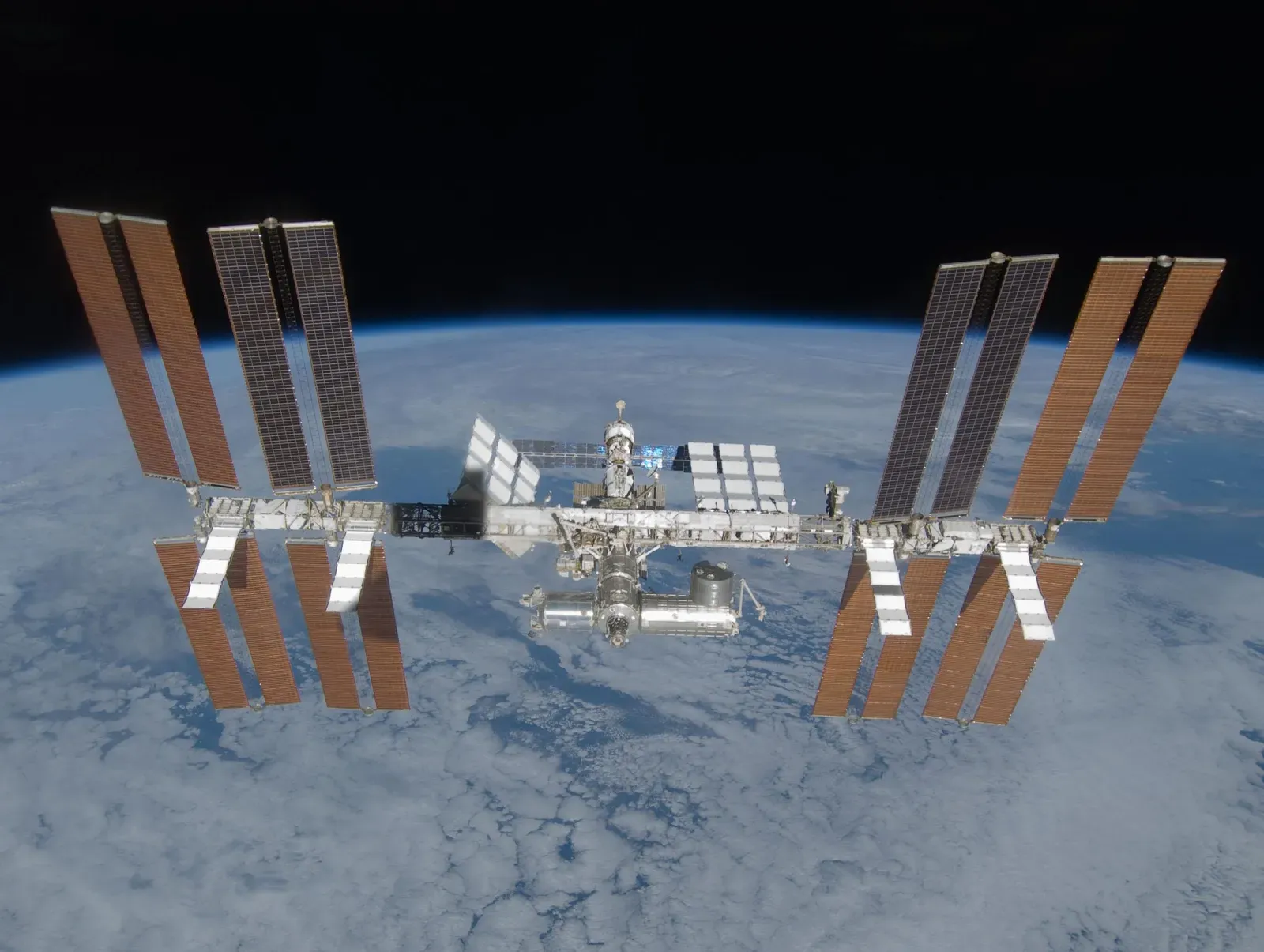
If you time it right, the ISS can glide overhead as a bright, silent point of light. There’s something surreal about watching the space station cross the sky. You’re looking at humans floating in a metal tube hundreds of miles above you, traveling at roughly 17,500 miles per hour.
It doesn’t blink like a plane. It just moves steadily, reflecting sunlight like a slow-moving star. Check online for the ISS flyover times for your location. The passes around Christmas week can be spectacular, especially against the backdrop of winter constellations.
Bright Stars Dominate the Winter Sky
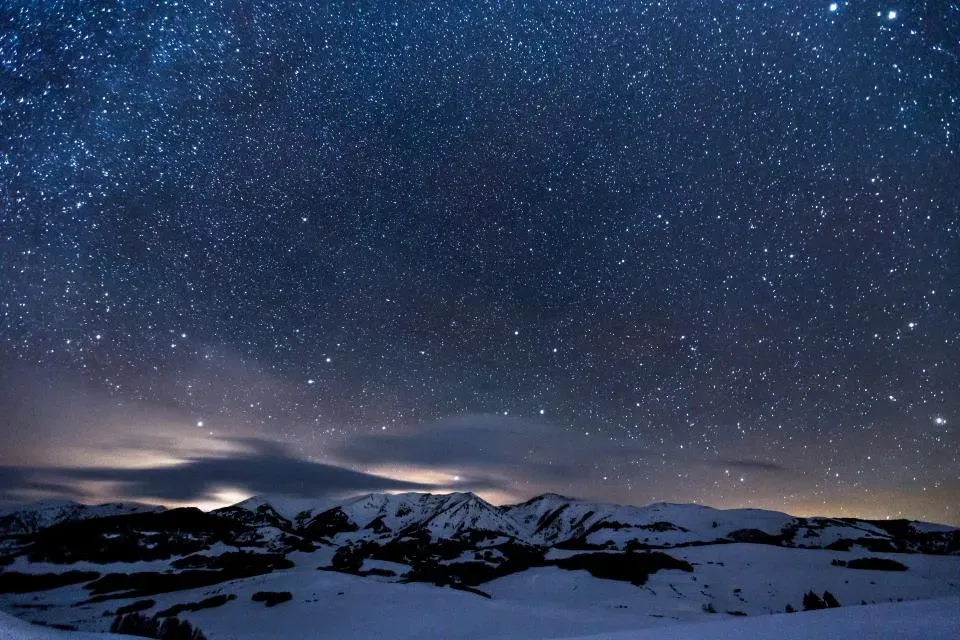
Bright stars like Betelgeuse, Capella, Aldebaran, Sirius and the stars of Orion’s Belt dominate the night sky after dark. December offers some of the most recognizable star patterns visible from the Northern Hemisphere. Orion hangs there like a cosmic signpost, impossible to miss even from moderately light-polluted areas.
The winter night sky from the Northern Hemisphere is full of bright, iconic stars. These aren’t faint smudges requiring perfect conditions. They’re bold, brilliant, and easy to locate. Even if you’ve never stargazed before, the winter sky welcomes you with open arms.
Interstellar Comet 3I/ATLAS Makes a Rare Visit
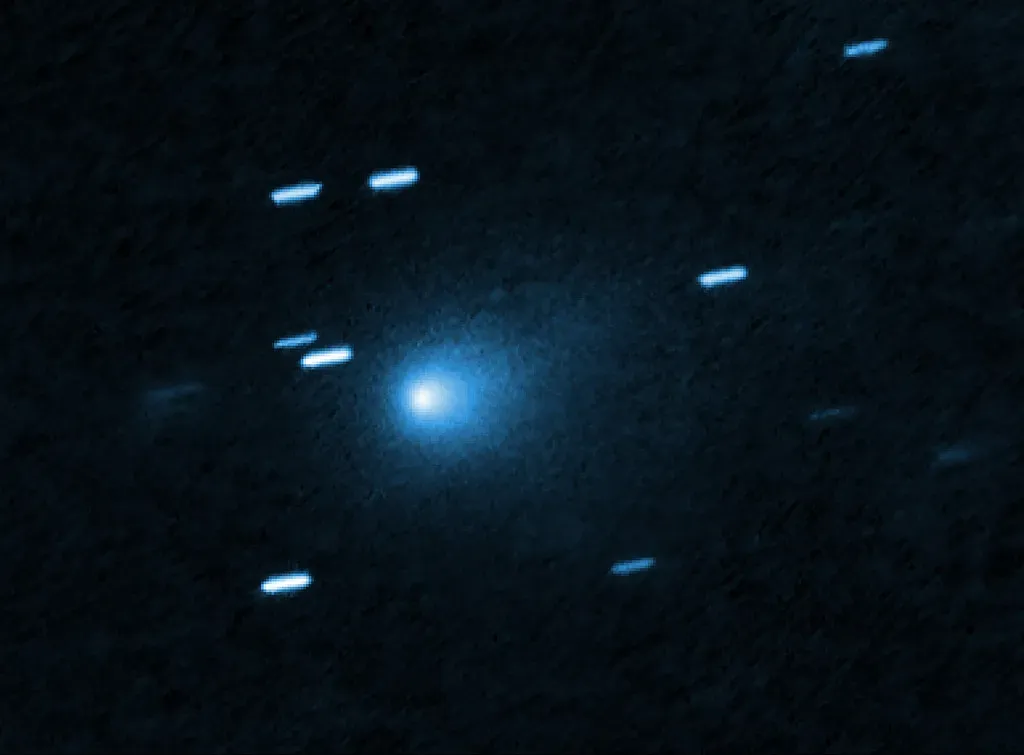
The seven-mile-wide Comet 3I/ATLAS will reach its closest point to Earth on December 19, passing around 170 million miles from us, and it’s just the third known interstellar object in history to pass through our solar system. This is legitimately rare. We’re talking about an object that came from another star system entirely.
Astronomers believe the comet originated from a faraway star system in the Milky Way and could be over seven billion years old, though it won’t be bright enough for naked-eye visibility – those with telescopes or access to observatories can monitor it. You’ll need equipment to spot it, but knowing it’s out there adds an extra layer of wonder to the season.
Conclusion: A Season to Remember
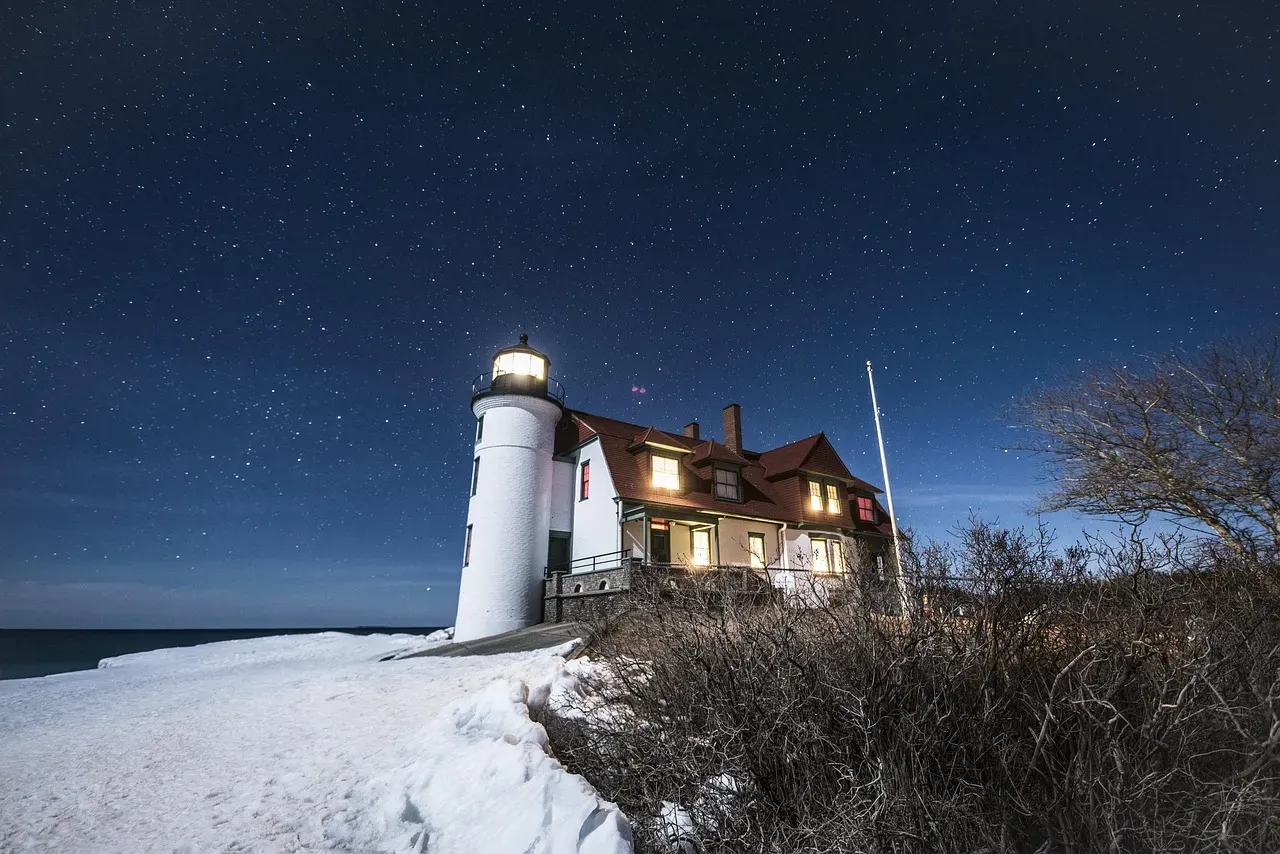
The Christmas holidays give us permission to slow down, and the night sky this year offers the perfect excuse to step outside. Between Jupiter’s brilliance, the Geminids’ spectacular display, and the solstice’s deep darkness, December 2025 is stacked with reasons to brave the cold.
If nothing else, the holiday skies can offer you some much-needed silence in the dark. Sometimes that’s exactly what we need during this chaotic season. A moment of stillness beneath the stars, away from the noise and expectations.
So grab a coat, find a dark spot, and look up. Did you catch any of these celestial shows? What surprised you most about the winter night sky?