Melbourne Beach, Fla. – Rescuers extracted a 410-pound male manatee from a storm drain baffle box after city workers discovered the distressed animal during routine infrastructure surveys.
An Unexpected Find During Road Work
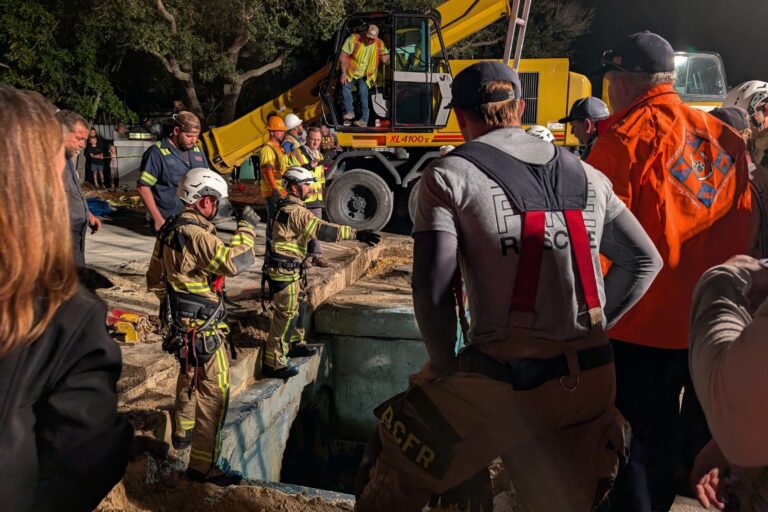
An Unexpected Find During Road Work (Image Credits: Imgs.mongabay.com)
On February 9, 2026, a surveyor for the City of Melbourne Beach spotted the manatee while assessing improvements to a local storm drain system. The creature had wedged itself into a baffle box, a structure meant to trap debris before it reaches the Indian River Lagoon. City Vice Mayor Terry Cronin described the moment to WESH-TV: “We’re in the process of improving the storm drain across Melbourne Beach. Our people were doing a survey. And one of the surveyors noticed a manatee in what is called a baffle box.”
Local resident Shari Jiggens, who lives nearby, captured the community’s surprise. She wondered aloud how the large sea cow had maneuvered into such a confined urban space. The discovery halted repairs and prompted an immediate call for specialized help. Officials suspected the manatee sought warmer waters amid winter chills, a behavior not uncommon for the cold-sensitive species.
Multi-Agency Push Pulls Off the Rescue
Teams mobilized swiftly the following day. Brevard County Fire Rescue led the operation, drilling into the roadway to enlarge the access point and safely hoist the 410-pound (186-kilogram), 213-centimeter-long animal. Support came from the Florida Fish and Wildlife Conservation Commission, University of Florida experts, and even Jack’s Wrecker Service for heavy lifting.
The effort required precise coordination to avoid injuring the protected mammal. Once freed, rescuers transported it directly to SeaWorld Orlando, Florida’s largest manatee rehabilitation facility. SeaWorld zoological specialist Mallorie McCormack noted the rarity of the incident: “The uniqueness of him being stuck in a storm drain is very unique,” adding that manatees sometimes venture into such areas for warmth, though the exact cause remained unclear.
Signs of Hope in Rehabilitation
At SeaWorld’s medical pools, veterinarians reported positive progress. Spokesperson Stephanie Bechara shared an update: “He’s breathing on his own, moving independently and showing interest in food. Our teams are adjusting water levels to support buoyancy and comfort as part of his care.” The facility aims to stabilize and rehabilitate the manatee for eventual release back into the wild.
Bloodwork results will guide the full recovery plan, with no firm release timeline yet. The manatee has already begun eating well, a key indicator of improvement after its underground ordeal. Staff continue monitoring closely while roadway repairs resume in Melbourne Beach.
Broader Struggle for Florida’s Sea Cows
Manatees remain vulnerable despite conservation gains. The species endured a mass starvation crisis in 2021, with over 1,100 deaths recorded, primarily from lack of seagrass. Florida wildlife officials noted a decline, reporting 565 deaths in 2024 and 555 in 2023.
SeaWorld Orlando contributed significantly, rescuing 56 manatees last year and seven already in 2026. Such incidents highlight ongoing threats like cold stress and habitat loss. Yet successes like this rescue underscore effective partnerships in wildlife protection.
- Brevard County Fire Rescue provided frontline extraction expertise.
- Florida Fish and Wildlife Conservation Commission offered biological guidance.
- University of Florida supplied specialized knowledge.
- Jack’s Wrecker Service handled mechanical support.
- SeaWorld Orlando leads long-term rehabilitation.
Key Takeaways
- A timely discovery during storm drain work saved the manatee from prolonged entrapment.
- Inter-agency collaboration proved essential for the delicate operation.
- Rehabilitation efforts at SeaWorld position the animal for wild release.
This rescue serves as a reminder of human-wildlife intersections in coastal communities and the value of swift action. As manatee populations stabilize, stories like this inspire continued vigilance. What do you think about these collaborative conservation wins? Tell us in the comments.