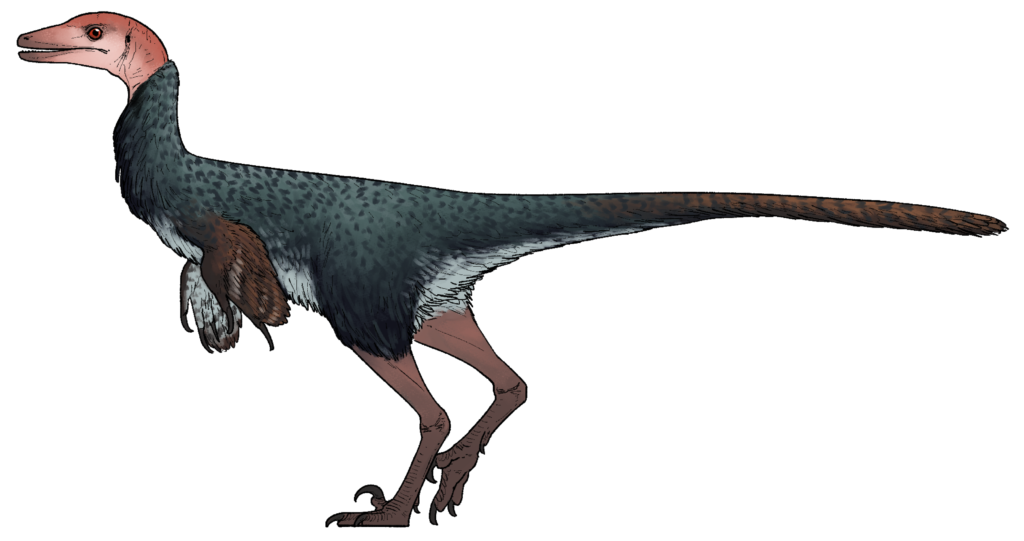
Coahuila, Mexico – Paleontologists unearthed a fossil in the arid badlands of northern Mexico that reshapes views on small dinosaur aggression. The specimen, belonging to the newly named Xenovenator espinosai, revealed a thickened, domed skull roof unlike anything seen before in its bird-like relatives. Dated to about 73 million years ago, this discovery highlights how even pint-sized predators engaged in fierce intraspecific contests during the Late Cretaceous.
A Fossil Unearthed After Two Decades
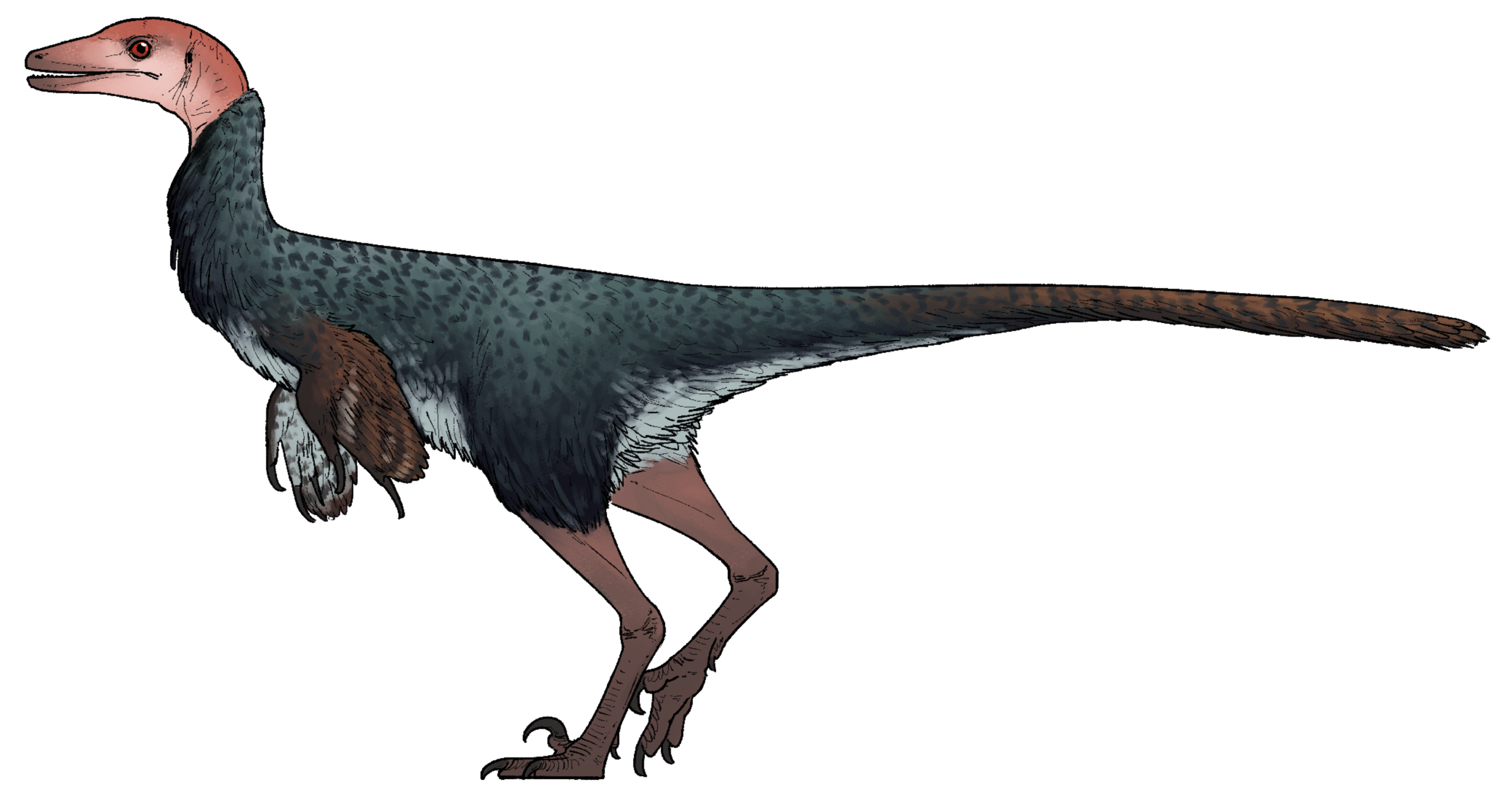
A Fossil Unearthed After Two Decades (Image Credits: Upload.wikimedia.org)
Martha C. Aguillón-Martínez spotted the key specimen eroding from the Cerro del Pueblo Formation during fieldwork in the summer of 2000. This braincase, cataloged as CPC 2973, sat in collections at the Museo del Desierto until a team led by Héctor E. Rivera-Sylva analyzed it thoroughly. Additional frontals from nearby sites, collected between 2002 and 2004, bolstered the case for a new species.
Researchers formally described Xenovenator espinosai in early 2026, publishing their findings in the journal Diversity. The dinosaur, roughly the size of a cassowary, belonged to the troodontids—a group known for large brains, keen senses, and agile builds. It roamed a marshy coastal plain alongside duck-billed herbivores, slender tyrannosaurs, and horned giants like Coahuilaceratops.
Skull Built for Battle
The holotype skull roof stood out immediately with its extreme thickness—up to 1.2 centimeters in places—and pronounced dome formed by fused frontal bones. Interlocking sutures created zig-zag patterns for added strength, while the outer surface bore a rough, striated texture. Inside, dense trabecular bone and canals suggested reinforcement against impacts.
Referred specimens showed subtler features, hinting at differences due to age or sex. CT scans confirmed the architecture’s density, far exceeding typical troodontid skulls designed for agility rather than confrontation. These traits marked Xenovenator as an outlier among its kin.
- Thickened dome on frontal bones, up to 12 mm thick.
- Rugose, pustulose surface texture.
- Tightly interdigitating sutures with flanges.
- Cancellous internal structure with trabeculae.
- Broad arched interfrontal ridge.
Signs of Intraspecific Combat
Experts concluded the skull modifications served no predatory purpose but instead equipped Xenovenator for ramming rivals. “Given the evidence found here—the thickening of the skull, the cranial dome, cranial rugosity, and the elaborate sutures—it seems likely that the doming of the skull in Xenovenator espinosai was an adaptation for intraspecific combat,” the researchers wrote. This marked the first such evidence in non-avian paravians, the bird-like dinosaur branch.
Héctor Rivera-Sylva, lead author from Mexico’s Museo del Desierto, emphasized the surprise. “Raptorlike dinosaurs are often imagined primarily as agile predators using their claws and teeth. Xenovenator reminds us that dinosaur behavior was likely far more diverse and nuanced.” Sexual selection likely drove these changes, with males battling for mates in ritualized clashes.
Echoes in Other Species
Xenovenator’s dome echoed pachycephalosaurs, whose flattened skulls bore similar reinforcements and combat scars. Pachyrhinosaur ceratopsids used boss-like structures for shoving matches. Theropods like Majungasaurus showed related rugosity on nasal bosses.
Modern parallels reinforced the idea. Musk oxen and cape buffalo clash with thickened domes; giraffes swing necks in battering contests. Among birds, helmeted hornbills ram casques, while steamer ducks fight fiercely. These examples supported the head-butting hypothesis across distant lineages.
- Pachycephalosaurs: Dome-headed herbivores with impact pathologies.
- Pachyrhinosaurus: Bony bosses for frontal assaults.
- Musk oxen: Fused skulls for high-speed rams.
- Hornbills: Reinforced casques in aerial clashes.
- Giraffes: Thickened domes for neck swings.
Broader Insights into Dinosaur Life
The find expanded troodontid range into southern Laramidia, linking Xenovenator to a possible relative, Xenovenator? robustus, from New Mexico. It painted Late Cretaceous ecosystems as hotbeds of sexual competition, where even brainy omnivores turned combative. Such behaviors likely intensified as populations boomed in diverse habitats.
This small fighter challenged stereotypes of delicate raptors, revealing a world of nuanced aggression. Xenovenator espinosai now stands as a testament to the wild variety in dinosaur strategies for survival and reproduction.
Key Takeaways
- Xenovenator’s skull dome represents the first combat adaptation in bird-like dinosaurs.
- Features like rugosity and sutures mirror those in proven head-butters across species.
- The discovery underscores rising sexual selection pressures in Late Cretaceous theropods.
As new fossils emerge, they continue to peel back layers of prehistoric drama. Xenovenator proves size never limited ferocity. What surprises might the next find bring? Share your thoughts in the comments.