Researchers unveiled a comprehensive global assessment that pinpoints where establishing forests delivers the strongest benefits for carbon storage and wildlife protection across diverse ecosystems.
Forest Revival’s High Stakes
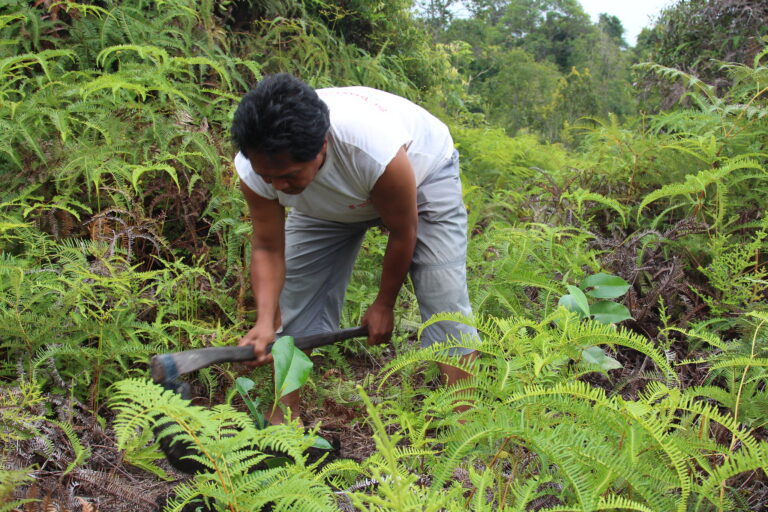
Forest Revival’s High Stakes (Image Credits: Imgs.mongabay.com)
High-profile restoration drives captured imaginations worldwide, positioning tree planting as a frontline defense against rising temperatures. Yet experts long warned that blanket afforestation in non-forest landscapes risked wiping out specialized species adapted to open habitats. This tension fueled a push for smarter strategies.
The new analysis, published in Environmental Research Letters, scrutinized afforestation – planting trees in long-unforested areas – and reforestation – reviving recent clearings – across 13 biomes. It assumed native species use, a practice not always followed in reality. Results showed stark differences: some regions promised dual gains, while others spelled trouble.
Biome Breakdown: Winners and Warnings
Tropical and subtropical moist broadleaf forests emerged as top performers, blending high carbon sequestration with strong habitat suitability for thousands of species. Within these zones, yellow hotspots on the study’s maps signaled prime opportunities where both goals aligned seamlessly. Coniferous forests offered pockets of promise too, particularly in temperate areas, though they spanned smaller expanses.
Grasslands, shrublands, and savannas fared worst across the board. Converting them to forests threatened to displace biodiversity while upending natural carbon cycles. Even in promising biomes like subtropical dry broadleaf forests, only 38% of areas showed high suitability – variation demanded site-specific scrutiny.
| Biome Category | Biodiversity Suitability | Carbon Sequestration | AR Recommendation |
|---|---|---|---|
| Tropical moist broadleaf forests | High | High | Strongly favorable |
| Temperate coniferous forests | High | Moderate-high | Promising, limited area |
| Tropical savannas/shrublands | Low | Variable | Avoid |
| Temperate grasslands | Low | Moderate | Least suitable |
Unpacking the Science Behind the Map
The team harnessed the AIM-BIO model, tracking 8,428 species from mammals to plants, to gauge habitat shifts under forest expansion. They factored in climate projections, conservation status, and sensitive species per biome. Overlaying this with carbon yield data revealed conflicts: about 9.8% of global land boasted top carbon potential but bottom-tier biodiversity fit.
Earlier work, like a 2025 study, pegged viable reforestation land at 195 million hectares when balancing human needs. This effort zoomed in on ecological trade-offs at a 5-degree resolution, ideal for broad patterns but calling for finer local checks.
Lessons from Experts and the Field
“Areas with high carbon sequestration potential are attractive for climate change mitigation projects, but could be risky for biodiversity,” noted lead author Pavithra Rangani Wijenayake, now at Japan’s National Institute for Environmental Studies. She urged global scans to sidestep mega-plantations gone wrong. Thomas Crowther, a professor at King Abdullah University, affirmed that successes hinge on nurturing native life.
Paul Smith of Botanic Gardens Conservation International highlighted real-world flops, like grassland tree invasions nullifying biodiversity gains. Wijenayake drew from her Sri Lanka fieldwork, where fast-growing exotics prioritized speed over ecology. Future expansions plan to weave in agriculture data for fuller pictures.
Key Takeaways:
- Tropical moist broadleaf forests offer the best overlap for carbon and species protection.
- Open biomes like savannas demand hands-off approaches to preserve unique ecosystems.
- Local assessments and native species are non-negotiable for true restoration.
Targeted tree planting stands to amplify nature’s role in tackling intertwined crises, but only if guided by biome-specific insights. Planners must prioritize nuance over volume to secure lasting impacts. What steps should restoration projects take next? Share your thoughts in the comments.