Sumatra, Indonesia – Hunters slip through thick jungle undergrowth, drawn by the promise of capturing the white-rumped shama, or murai batu, a songbird whose voice commands fortunes in distant markets.
A Champion’s Song Worth Thousands
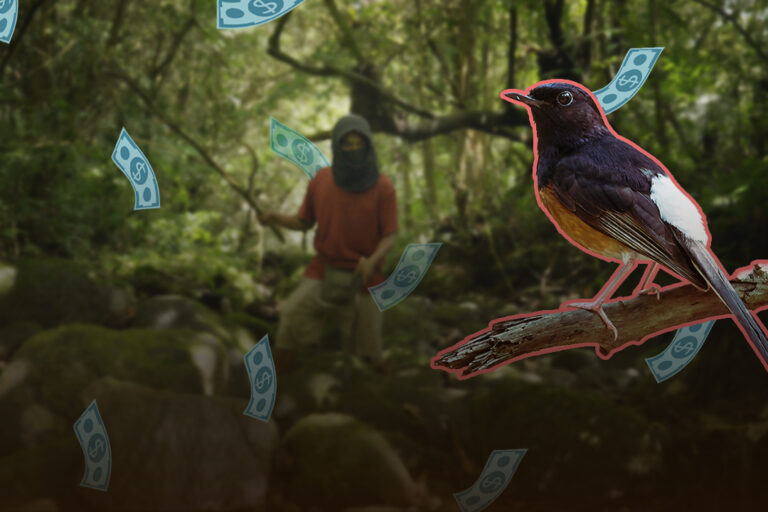
A Champion’s Song Worth Thousands (Image Credits: Imgs.mongabay.com)
Top murai batu performers at singing contests sell for as much as $60,000, turning a once-common jungle resident into Indonesia’s most coveted pet.
The bird’s popularity surged over the past decade, fueled by its intricate melodies blending trills, whistles, and screams alongside striking black plumage and long tails prized in males. Contests across Java draw crowds with prizes including cars and large cash sums, elevating winners to celebrity status among enthusiasts. This cultural tradition, where caged birds symbolize status and a link to nature, has evolved into a massive industry.
Breeders invest heavily, training birds in “schools” and entering them in events like the Piala Raja, where judges score song duration, volume, rhythm, and showmanship. Yet demand outpaces captive supply, as wild-caught specimens often outperform bred ones in competitions.
Poachers’ Simple Yet Deadly Tools
Deep in Sumatran forests, captors wield machetes to clear paths, apply sticky sap mixed with oil to branches, and play phone recordings of rival songs to lure targets into traps.
The sap, a natural gum, ensnares birds without ruining feathers, which hunters preserve using cooking oil for higher resale value. One poacher described the process: “To attract the birds, we use the audio from this phone. We lure them with the sounds, and wait until one comes into the sap trap.” Success now proves elusive; captures dropped from five birds weekly to one monthly, a shift hunters attribute to thinning populations.
- Machete for trailblazing
- Sticky sap traps on perches
- Birdsong playback devices
- Oil for safe extraction
- Sale of first catches around $48
Java’s Silence Spreads to Sumatra
Forests on Java, Indonesia’s densely populated heartland, stand largely empty of murai batu, with quieter canopies signaling local extirpations and driving poachers to Sumatra and beyond.
Some subspecies have vanished entirely from the wild, victims of relentless trapping alongside habitat loss from logging and agriculture. The species, naturally ranging from India to Papua New Guinea, faces acute pressure in cage-bird hotspots like Indonesia. Until 2018, authorities protected murai batu under law, but breeder lobbying led to its delisting, complicating enforcement as poaching intensified.
Hunters cite economic hardship – unreliable farm yields – as their motive, ignoring bans on wild sales. “Birds from the jungle area are illegal to buy and sell. But due to economic factors, we ignore these rules,” one explained.
Captive Breeding Falls Short
Java households keep an estimated 70 million birds, yet few captive murai batu return to the wild, as wealthy owners prioritize contests over releases.
Initiatives like nonprofit contests mandate bred birds and pledge stock releases, but commercial breeders often launder poached ones with fake rings. Wild preferences persist for superior songs, perpetuating the cycle. Community bans in areas like Jatimulyo restored over 100 native species after a decade, hinting at recovery potential through local action.
| Bird Category | Price Range (IDR) | Approx. USD |
|---|---|---|
| Entry-Level Capture | 500,000 – 1,000,000 | $30 – $60 |
| Contest Winner | Up to 1,000,000,000 | $60,000 |
Key Takeaways
- Poaching methods rely on low-tech lures, devastating wild numbers.
- Delisting in 2018 eased trade but fueled declines.
- Cultural shifts toward releases could balance demand and conservation.
Indonesia’s murai batu hangs in the balance, its wild symphony fading under trade pressures that pit tradition against survival. Protecting forests and reforming contests offer hope, but only if economic alternatives sustain communities. What do you think about balancing bird-keeping culture with wildlife preservation? Tell us in the comments.