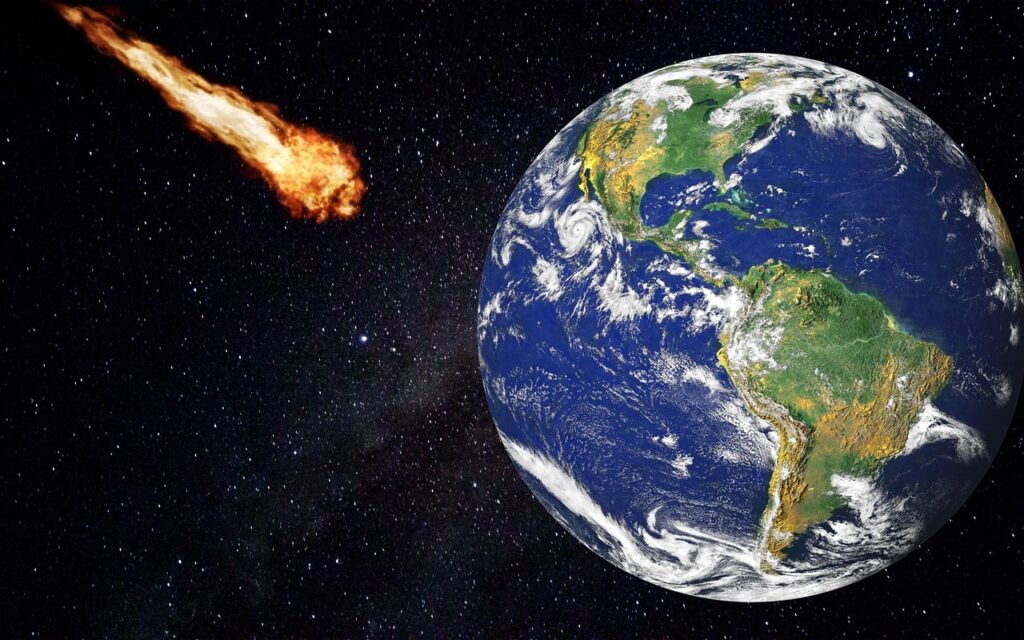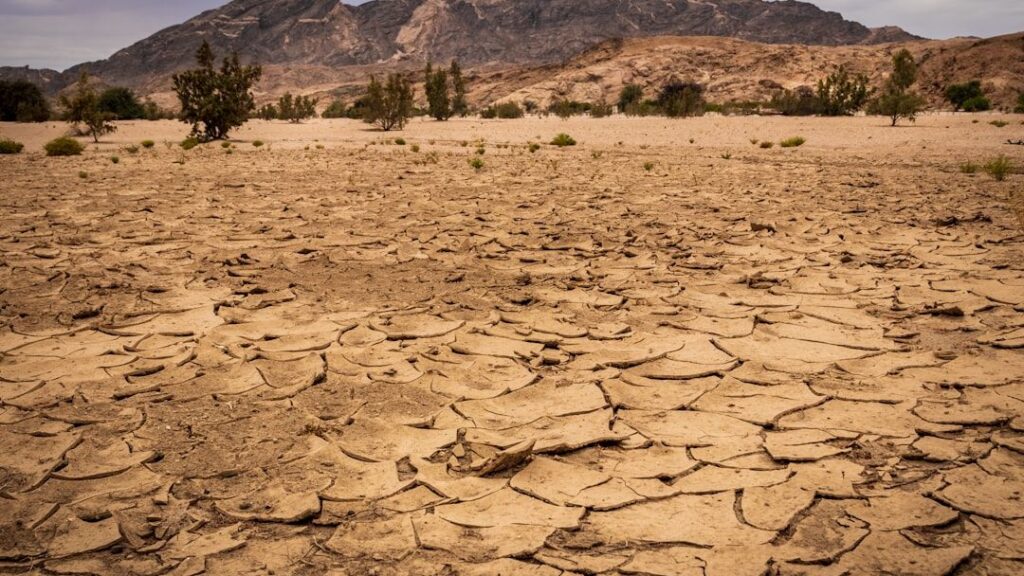
How a super El Niño could trigger global famine – Image for illustrative purposes only (Image credits: Unsplash)
Climate scientists are closely monitoring signs that a powerful El Niño event could intensify in the months ahead. This natural phenomenon, known for its ability to reshape weather patterns across continents, is expected to bring unusually high temperatures and extended dry spells to key farming regions. The timing raises particular concern for harvests that support billions of people worldwide.
The Mechanics Behind a Super El Niño
El Niño develops when sea surface temperatures in the central and eastern Pacific rise significantly above average. In its strongest form, often called a super El Niño, these temperature increases exceed two degrees Celsius and trigger widespread atmospheric changes. The result is a cascade of altered rainfall and temperature patterns that reach far beyond the ocean basin itself.
Unlike milder events, a super El Niño amplifies existing climate stresses. It can suppress rainfall in normally productive agricultural zones while intensifying heat in others. These shifts occur against a backdrop of already warming global temperatures, which can make the effects more pronounced than in past decades.
Direct Risks to Crop Production
Extreme heat combined with drought conditions can severely reduce yields of staple crops such as wheat, rice, and maize. Plants under water stress close their stomata to conserve moisture, which limits photosynthesis and grain development. Prolonged exposure to high temperatures during critical growth stages often leads to smaller harvests or complete crop failures in vulnerable areas.
Many regions that supply large portions of the world’s food face heightened exposure. Areas already experiencing water scarcity may see irrigation systems strained beyond capacity. The combination of reduced rainfall and higher evaporation rates accelerates soil moisture loss, leaving fields less productive during the peak growing season.
Wider Effects on Food Availability
Lower harvests translate directly into tighter supplies and higher prices for basic foods. Countries that rely heavily on imports become especially exposed when major producers face shortfalls. Supply chain disruptions can follow, as exporters prioritize domestic needs or face their own production challenges.
Food insecurity tends to rise most sharply among populations already living near the edge of adequate nutrition. Smallholder farmers lose income when crops fail, while urban consumers encounter elevated costs for staples. These pressures can compound existing challenges such as conflict or economic instability in affected regions.
Steps Toward Greater Resilience
Early warning systems and improved seasonal forecasts offer one avenue for preparation. Governments and aid organizations can use these tools to adjust planting schedules, stockpile reserves, or target assistance before shortages become acute. Investment in drought-resistant crop varieties and efficient irrigation also helps buffer against the worst impacts.
International cooperation remains essential. Coordinated monitoring of ocean temperatures and shared data on crop conditions allow for faster responses across borders. While no single measure eliminates the risks posed by a super El Niño, timely action can limit the scale of damage to harvests and the resulting strain on global food systems.