Imagine the Earth 66 million years ago, when a massive asteroid slammed into our planet with the force of billions of atomic bombs. The impact created a crater over 150 kilometers wide, triggered global wildfires, and sent debris flying into space only to rain back down as molten glass. Within hours, the skies turned black with soot and ash, temperatures plummeted, and the age of dinosaurs came to a catastrophic end. Yet somehow, amid this apocalyptic chaos, tiny creatures no bigger than your house cat managed to survive what the mighty T Rex could not.
The Day the Earth Stood Still

When the Chicxulub asteroid struck the Yucatan Peninsula, it unleashed destruction beyond imagination. The impact generated temperatures exceeding 1,000 degrees Celsius across vast regions, instantly vaporizing everything in its path. Massive tsunamis, some reaching heights of 300 meters, swept across continents within hours.
The shockwave from the impact was so powerful that it triggered earthquakes and volcanic eruptions worldwide. But perhaps most devastating was what happened next – the ejected material that shot into the atmosphere began falling back to Earth as superheated glass beads, turning the entire planet into a natural oven. For the first 24 hours after impact, survival on the surface seemed impossible.
Underground Sanctuaries
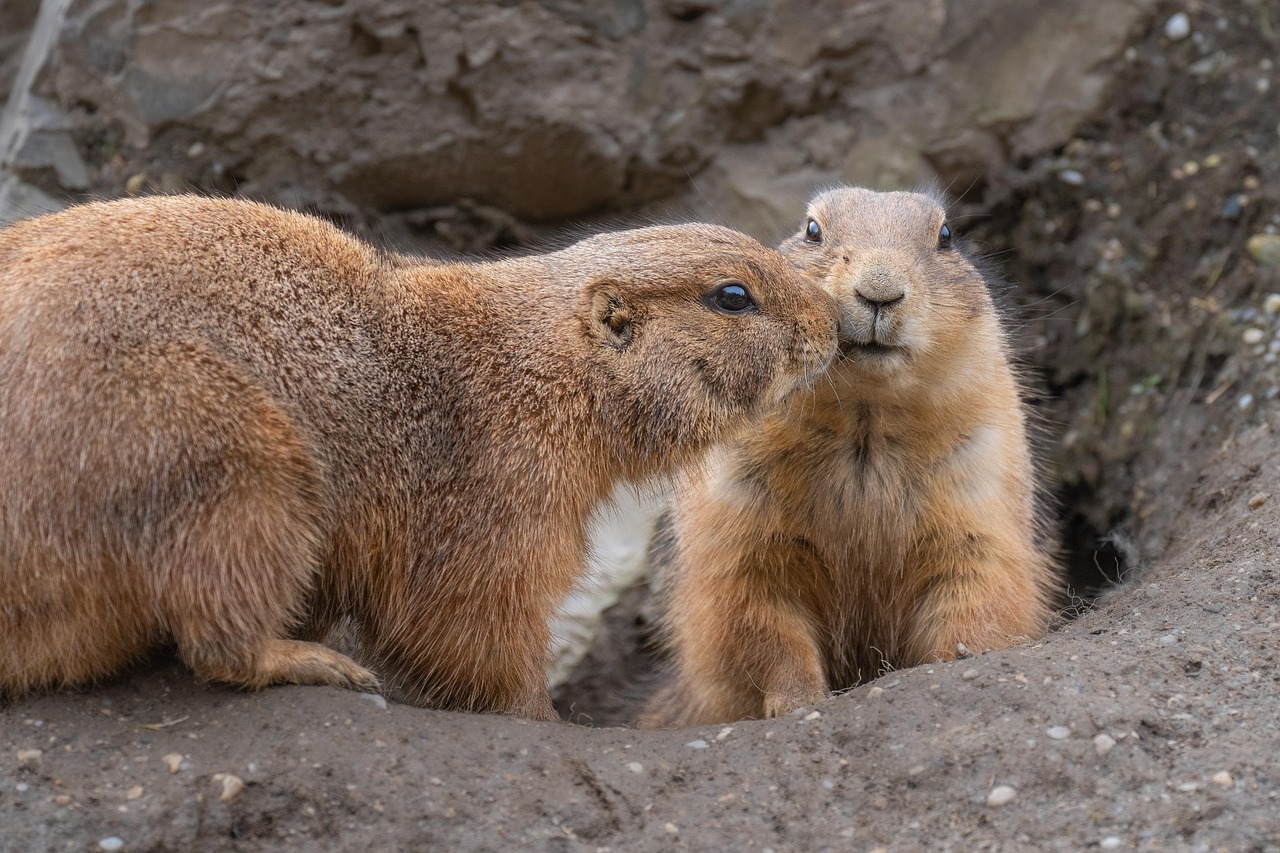
Small mammals possessed a crucial advantage that proved to be their salvation: they lived underground. While dinosaurs roamed the surface, early mammals had already mastered the art of burrowing deep beneath the Earth’s crust. These subterranean hideouts provided natural insulation from the hellish temperatures above.
Burrows acted like natural bomb shelters, protecting their inhabitants from the initial blast wave and the subsequent rain of molten debris. The deeper the burrow, the more stable the temperature remained. Some mammals could dig tunnels up to two meters deep, creating multi-chambered homes that maintained relatively cool temperatures even as the surface world burned.
Recent studies suggest that soil temperature just one meter below ground remained survivable even during the worst of the impact effects. This underground real estate became the most valuable property on Earth during those first critical days.
Size Matters When the World Ends

Being small wasn’t just convenient – it was lifesaving. Small mammals required significantly less food and oxygen than their larger counterparts, allowing them to survive on minimal resources during the months-long nuclear winter that followed. A mouse-sized mammal could survive for weeks on food stores that would barely sustain a dog-sized creature for days.
Their compact bodies also lost heat more slowly in confined spaces, making burrows more efficient heating systems. Large animals, even if they could fit underground, would have quickly depleted oxygen supplies in enclosed spaces. The physics of survival favored the tiny.
The Seed and Insect Advantage

While plant life withered and died in the sunless world above, small mammals had access to a treasure trove of dormant nutrition. Seeds buried in soil remained viable for extended periods, providing crucial calories during the darkest months. Unlike carnivorous dinosaurs that depended on fresh kills, these resourceful creatures could sustain themselves on stored plant energy.
Insects, another primary food source for early mammals, proved remarkably resilient to the catastrophe. Many insect species survived by entering dormant states or by feeding on decaying organic matter. This created a reliable food web that supported small mammal populations even as larger ecosystems collapsed.
The ability to digest a variety of foods – from seeds to insects to roots – gave small mammals the flexibility that specialized predators lacked. This dietary adaptability became their nutritional lifeline.
Temperature Regulation Masters
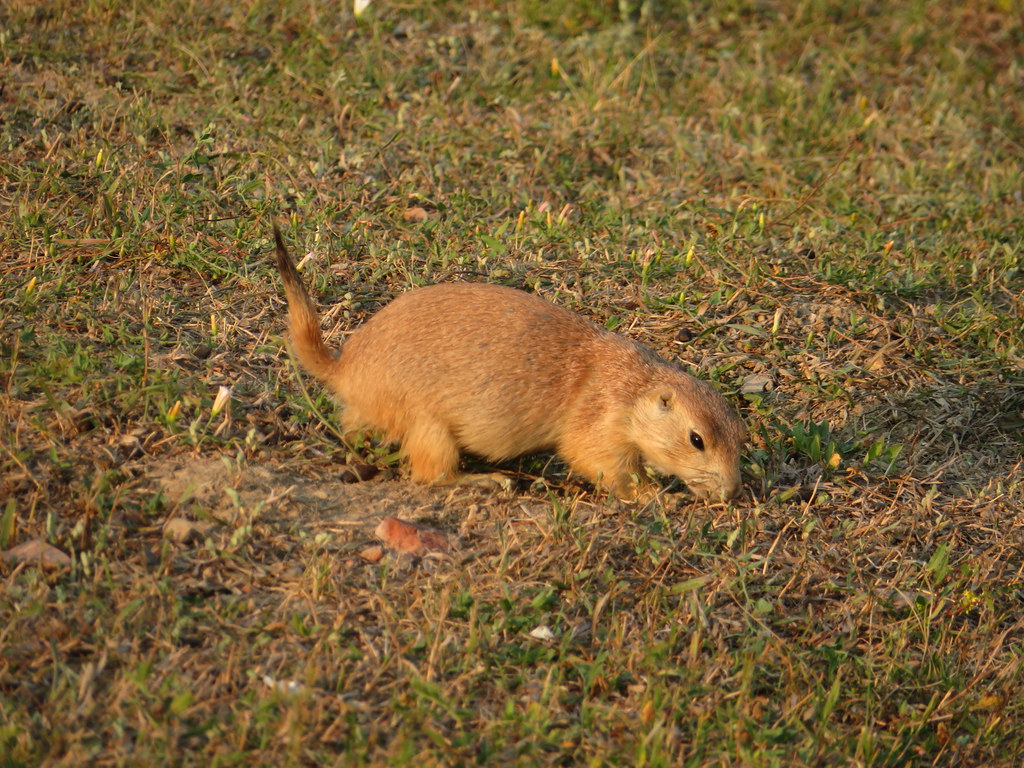
Small mammals possessed sophisticated thermoregulation abilities that proved crucial during the extreme temperature swings following the impact. Their fur provided excellent insulation, while their ability to enter torpor – a state of reduced metabolic activity – helped them conserve energy during the coldest periods.
Unlike reptiles that depended on external heat sources, mammals could generate their body heat through metabolic processes. This internal heating system continued working even when external temperatures dropped below freezing for months on end.
Some species could even adjust their body temperature by several degrees, essentially hibernating through the worst conditions while maintaining just enough activity to survive.
Water Sources in a Dying World
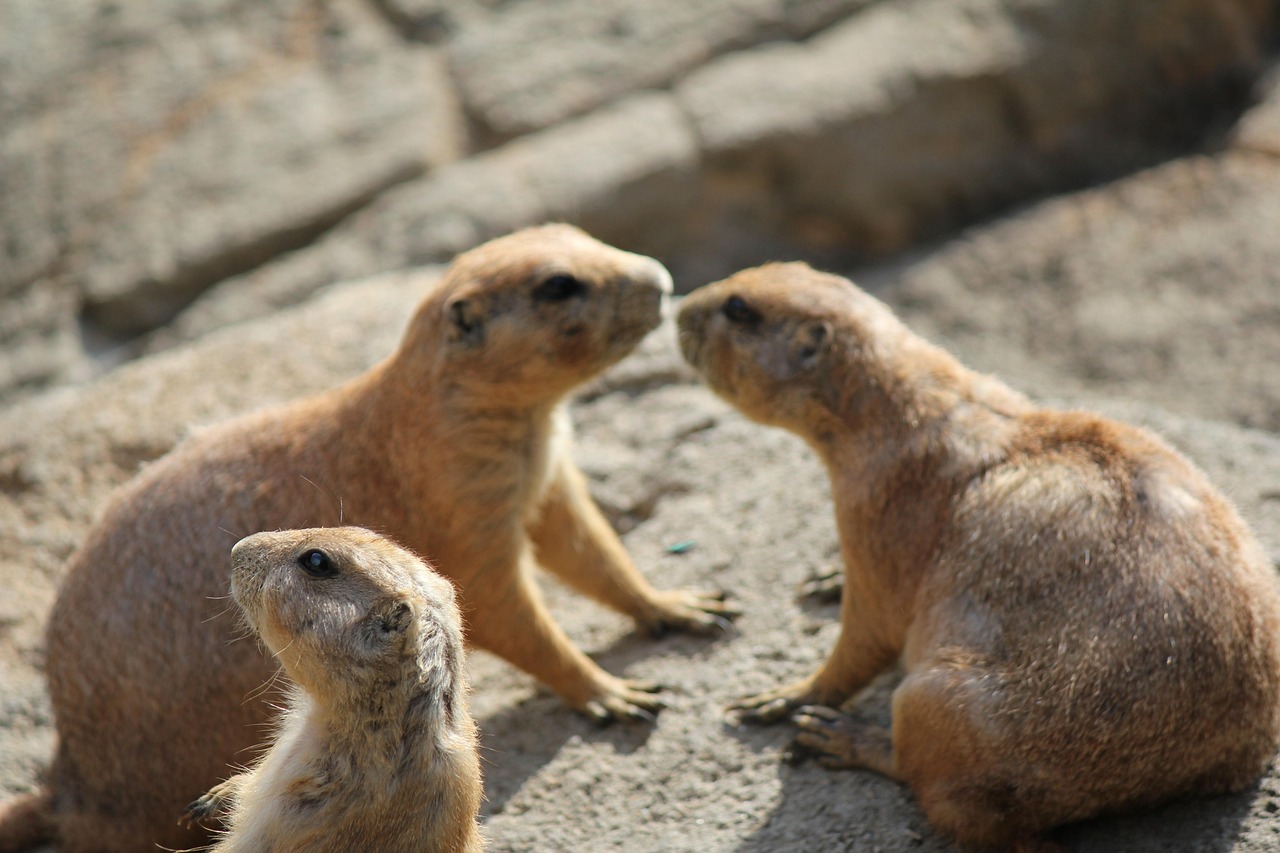
While surface water sources became contaminated with debris and ash, underground water remained relatively clean and accessible to burrowing mammals. Many small mammals were skilled at locating and accessing groundwater through their tunnel systems.
Their small size also meant they required less water than larger animals, making limited water sources last longer. Some species could survive on the moisture content in seeds and insects, reducing their dependence on external water sources during the critical early months.
The ability to dig deeper for water gave them access to resources that surface-dwelling animals couldn’t reach, providing another crucial survival advantage.
Reproductive Resilience

Small mammals possessed remarkable reproductive advantages that helped their species bounce back quickly once conditions improved. Their short gestation periods meant they could reproduce rapidly when resources became available again.
Many species could produce multiple litters per year, with large numbers of offspring in each litter. This high reproductive rate allowed populations to recover from severe losses much faster than species with longer reproductive cycles.
Their ability to reach sexual maturity quickly also meant that young animals born just before the impact could potentially survive to reproduce, maintaining genetic diversity within populations.
The Social Survival Strategy
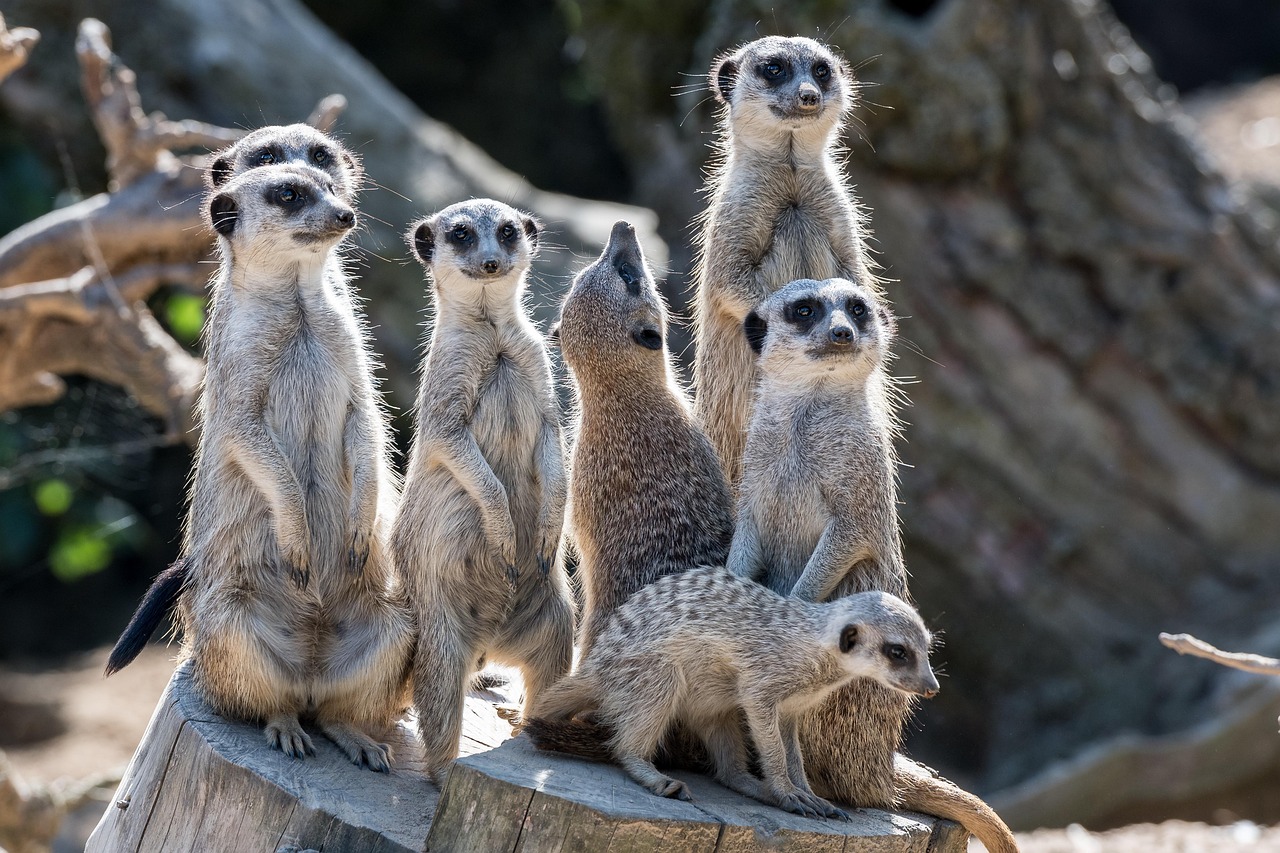
Many small mammals lived in social groups, sharing burrows and resources in ways that improved everyone’s chances of survival. Group huddling provided additional warmth during the coldest periods, while cooperative food gathering increased efficiency.
Social species could also share information about food sources and safe locations, creating networks of survival knowledge that benefited entire communities. This cooperative behavior contrasted sharply with the competitive nature of large predators.
Some species even engaged in food hoarding behaviors, with individuals contributing to communal stores that sustained entire groups during lean times.
Metabolic Flexibility
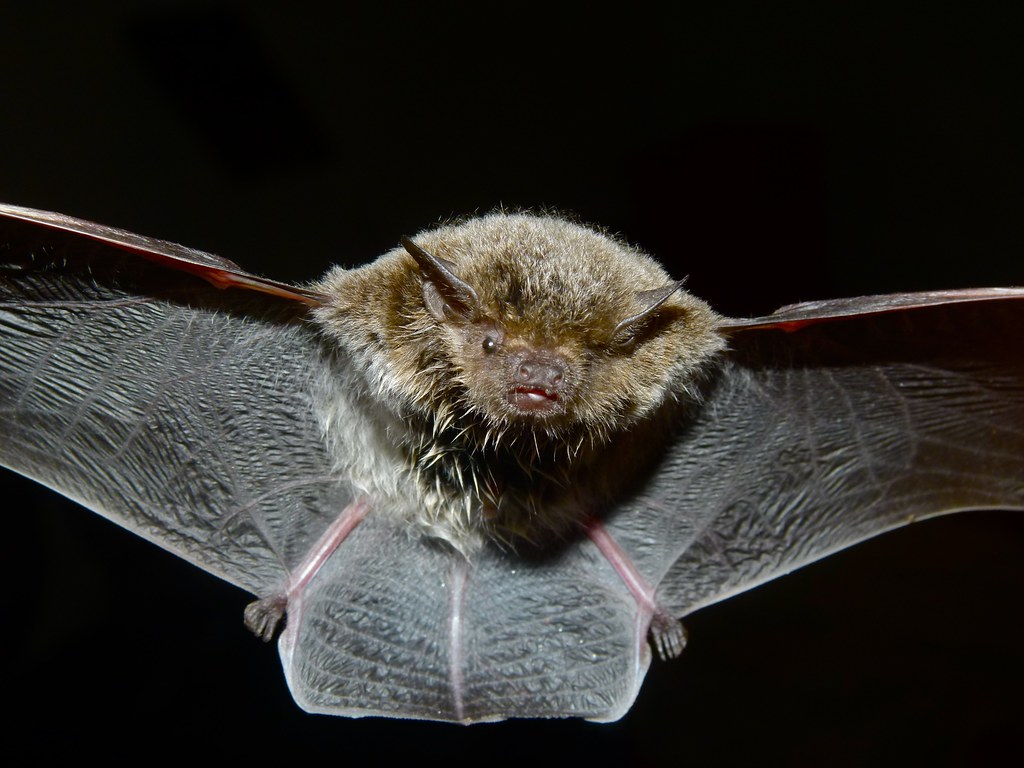
The ability to dramatically slow their metabolism gave small mammals a crucial edge during the resource-scarce months following the impact. They could enter states of reduced activity that cut their energy requirements by up to 90 percent.
This metabolic flexibility allowed them to stretch limited food supplies far beyond what would be possible for animals with fixed metabolic rates. Think of it as switching from a gas-guzzling truck to a fuel-efficient compact car during a gasoline shortage.
Their bodies could also efficiently process low-quality food sources, extracting maximum nutrition from whatever organic matter remained available in their underground environments.
Chemical Tolerance

Small mammals demonstrated remarkable tolerance to the toxic chemicals released by the impact and subsequent environmental changes. Their small size meant they could survive in microenvironments with better air quality, while their efficient detoxification systems helped process harmful substances.
Many species possessed liver enzymes capable of breaking down toxic compounds, allowing them to consume food sources that would have been lethal to other animals. This chemical resilience opened up additional food options during desperate times.
Their ability to hold their breath for extended periods also helped them navigate through areas with poor air quality, such as when moving through smoke-filled tunnels or contaminated surface areas.
Timing and Location Advantages

The geographic distribution of small mammals played a crucial role in their survival. Many species were already established in regions that experienced less severe impact effects, particularly areas far from the initial blast zone.
Their widespread distribution meant that even if local populations were wiped out, other groups survived in different locations and could eventually repopulate devastated areas. This geographic diversity provided a natural backup system.
Seasonal timing also worked in their favor – many species had just finished storing food for winter, providing them with ready supplies when the impact created an artificial winter that lasted for months.
Behavioral Adaptations

Small mammals exhibited remarkable behavioral flexibility that helped them adapt to rapidly changing conditions. They could quickly modify their activity patterns, becoming more nocturnal when surface conditions were dangerous during the day.
Their natural caution and alertness, evolved to avoid predators, also helped them detect and avoid new dangers in their transformed environment. They could sense changes in air quality, temperature, and other environmental factors that larger animals might miss.
Many species also demonstrated the ability to rapidly learn new survival strategies, such as finding alternative food sources or modifying their burrowing techniques to access deeper, safer areas.
The Oxygen Advantage
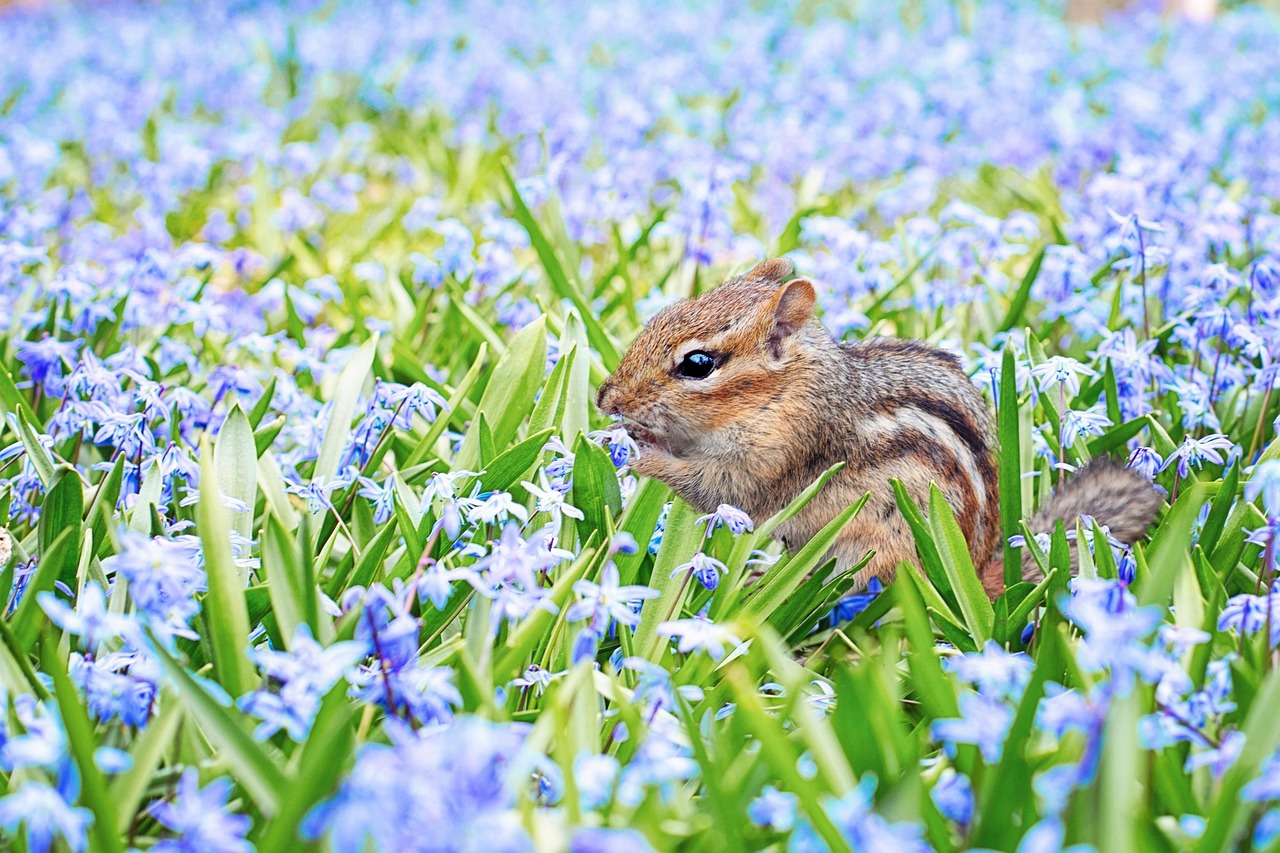
Small mammals required significantly less oxygen than larger animals, allowing them to survive in the oxygen-depleted atmosphere that followed the impact. Their efficient respiratory systems could extract more oxygen from each breath, making them less vulnerable to suffocation.
Their compact burrows, while limiting oxygen supply, contained enough air to sustain small animals for extended periods. Larger animals would have quickly depleted available oxygen in similarly sized spaces.
Some species could even survive short periods with very low oxygen levels by entering near-dormant states, essentially pausing their lives until conditions improved.
Recovery and Expansion

Once the immediate crisis passed, small mammals were perfectly positioned to inherit the Earth. With their primary predators extinct and competition eliminated, they could expand into ecological niches previously occupied by much larger animals.
Their rapid reproductive rates meant they could quickly establish stable populations in recovering ecosystems. Within a few thousand years, mammals had diversified into hundreds of new species, filling the ecological gaps left by dinosaurs.The survival of these small mammals ultimately led to the rise of all modern mammalian species, including humans. Their persistence through the darkest chapter in Earth’s history demonstrates the power of being small, adaptable, and resourceful.
Their story proves that in nature’s greatest challenges, it’s not always the strongest or largest that survive, but those best adapted to change. The mouse that inherited the Earth did so not through dominance, but through the quiet resilience of simply enduring when giants could not.