
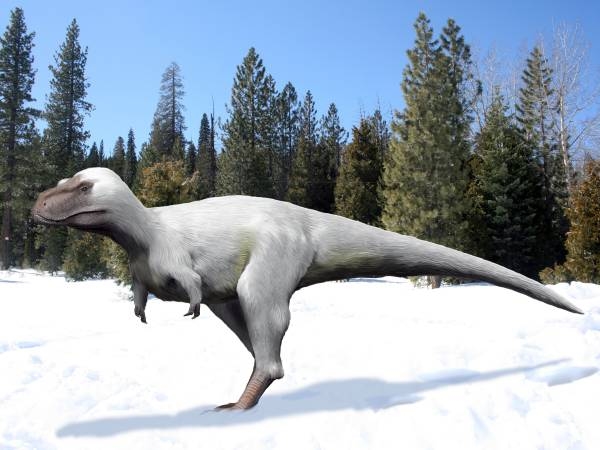
Picture this: a massive T. rex trudging through snow-covered forests, its breath forming clouds in the frigid air while hunting for prey in a world that looks nothing like the tropical paradise we usually imagine. This isn’t science fiction—it’s the shocking reality of dinosaur life during some of Earth’s most extreme climate periods. For over 165 million years, dinosaurs didn’t just survive in balmy, fern-filled landscapes; they conquered ice ages, endured polar winters, and thrived in conditions that would challenge even the most adaptable modern animals. The story of how these ancient giants mastered survival in snow and ice is one of the most remarkable tales of adaptation in Earth’s history.
The Polar Dinosaur Revolution

Scientists once believed dinosaurs were cold-blooded creatures confined to warm, tropical climates. This assumption crumbled in the 1960s when paleontologists began discovering dinosaur fossils in Alaska, northern Canada, and even Antarctica. These weren’t isolated findings—entire ecosystems of dinosaurs had flourished in polar regions where winter temperatures plummeted below freezing and darkness lasted for months.
The discovery of Alaskan dinosaurs like Ugrunaaluk kuukpikensis changed everything we thought we knew about dinosaur physiology. These duck-billed dinosaurs lived above the Arctic Circle, where they faced four months of continuous darkness each winter. Their fossils tell a story of remarkable adaptation, showing evidence of seasonal growth patterns and specialized feeding behaviors that allowed them to survive in one of Earth’s most challenging environments.
When Earth Became a Snowball

During the Cretaceous period, roughly 100 million years ago, global temperatures began a dramatic decline that would test dinosaur survival skills to their limits. This cooling trend culminated in several ice ages that transformed lush forests into frozen wastelands. The planet’s polar regions expanded dramatically, creating vast ice sheets that locked away massive amounts of water and altered weather patterns worldwide.
Dinosaurs living through these climate shifts faced unprecedented challenges. Food sources became scarce, migration routes froze over, and traditional nesting grounds turned into inhospitable ice fields. Yet remarkably, many species not only survived but evolved new strategies that would define their success for millions of years to come.
Feathered Shields Against the Cold
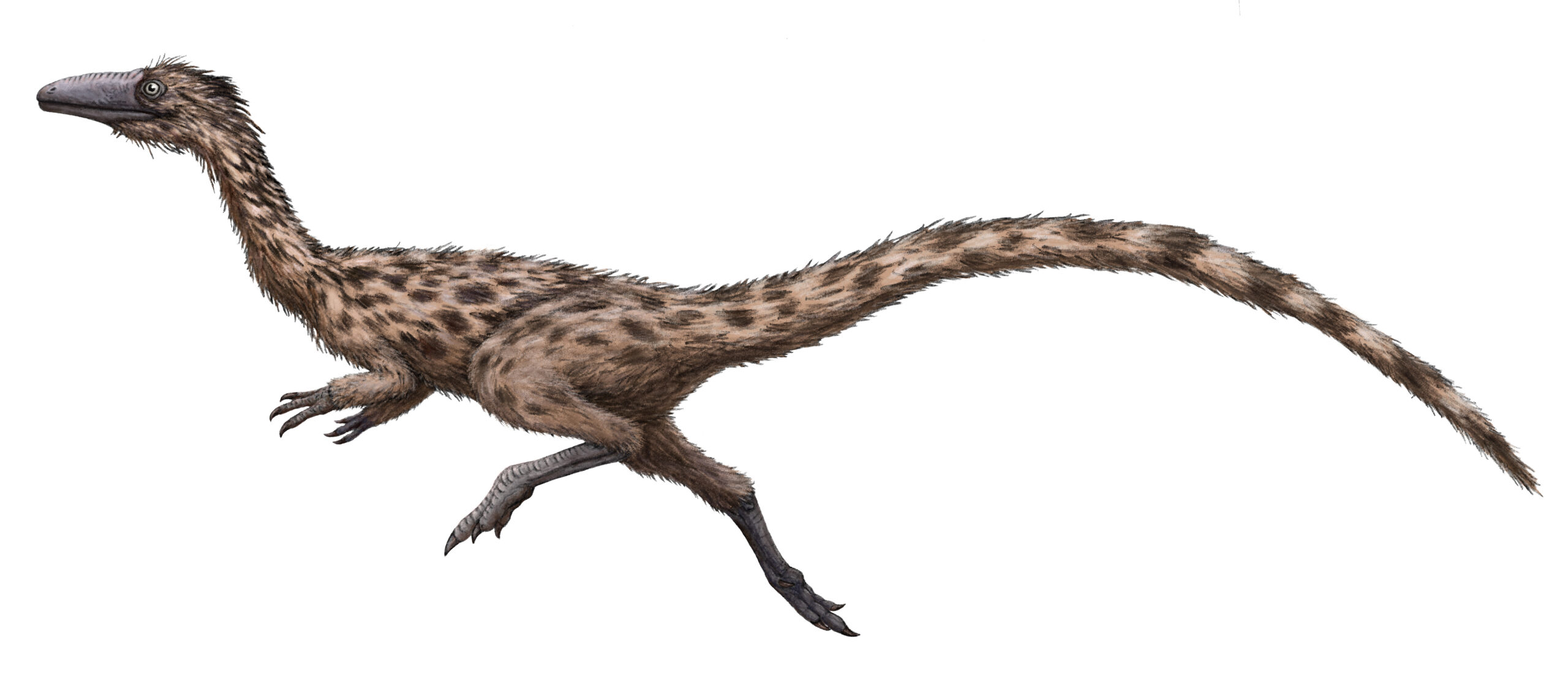
One of the most revolutionary discoveries in paleontology has been the widespread presence of feathers among dinosaur species. These weren’t just for flight—they served as sophisticated insulation systems that rivals the best winter gear modern mammals possess. Microscopic analysis of fossilized feathers reveals intricate structures designed to trap warm air close to the body, creating a thermal barrier against freezing temperatures.
Species like Yutyrannus, a feathered tyrannosaur from China, sported a full coat of fuzzy plumage that covered its entire body. This 30-foot-long predator lived in a relatively cold climate, and its feathers were likely essential for maintaining body temperature during harsh winters. The complexity of these feather structures suggests that dinosaurs developed sophisticated thermoregulation systems millions of years before mammals perfected similar adaptations.
Behavioral Adaptations in Frozen Worlds

Surviving extreme cold required more than just physical adaptations—dinosaurs developed complex behavioral strategies that mirror those of modern Arctic animals. Evidence suggests that many species engaged in seasonal migration, traveling thousands of miles to escape the worst winter conditions. Trackways found in polar regions show massive herds moving in coordinated patterns, likely following ancient migration routes passed down through generations.
Some dinosaurs took a different approach, developing hibernation-like states called torpor. Bone analysis reveals seasonal growth patterns that suggest certain species dramatically slowed their metabolism during the coldest months, similar to how modern bears survive winter. This remarkable adaptation allowed them to conserve energy when food was scarce and temperatures dropped to life-threatening levels.
The Thermal Advantage of Being Massive

Size became a crucial survival tool in prehistoric winter environments. Large dinosaurs like sauropods possessed what scientists call “thermal mass”—their enormous bodies retained heat much longer than smaller creatures. This biological advantage meant that a 40-ton Brontosaurus could maintain stable body temperatures even when surrounded by snow and ice, giving them a significant edge over smaller competitors.
The relationship between size and cold tolerance explains why some of the largest dinosaurs lived in regions with harsh seasonal variations. Their massive bodies acted like living furnaces, generating heat through metabolic processes and losing it slowly due to their favorable surface area to volume ratio. This thermal stability allowed them to remain active and continue feeding when smaller animals were forced into dormancy.
Specialized Feeding Strategies in Ice Ages
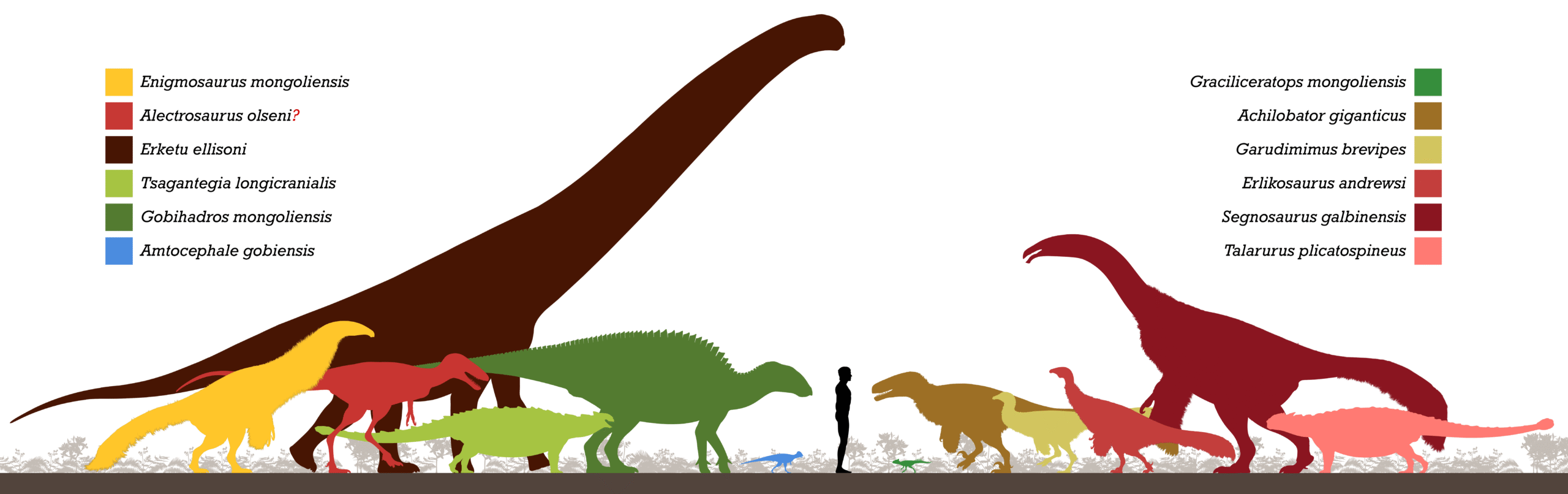
Finding food in frozen landscapes required innovative feeding strategies that pushed dinosaur intelligence to new levels. Herbivorous dinosaurs developed specialized techniques for accessing vegetation buried under snow, using their powerful claws to dig through ice and their keen senses to locate nutritious plant matter. Some species learned to strip bark from trees when ground vegetation became unavailable, while others developed the ability to digest previously inedible plant materials.
Carnivorous dinosaurs faced equally challenging circumstances, but they adapted with remarkable creativity. Some species began hunting in coordinated packs, using group tactics to bring down large prey that could feed multiple individuals. Others developed scavenging behaviors, following herds of herbivores and capitalizing on winter casualties. The fossil record shows evidence of tool use, with some predators using rocks and branches to break through ice to reach frozen carcasses.
Nesting and Reproduction in Extreme Conditions
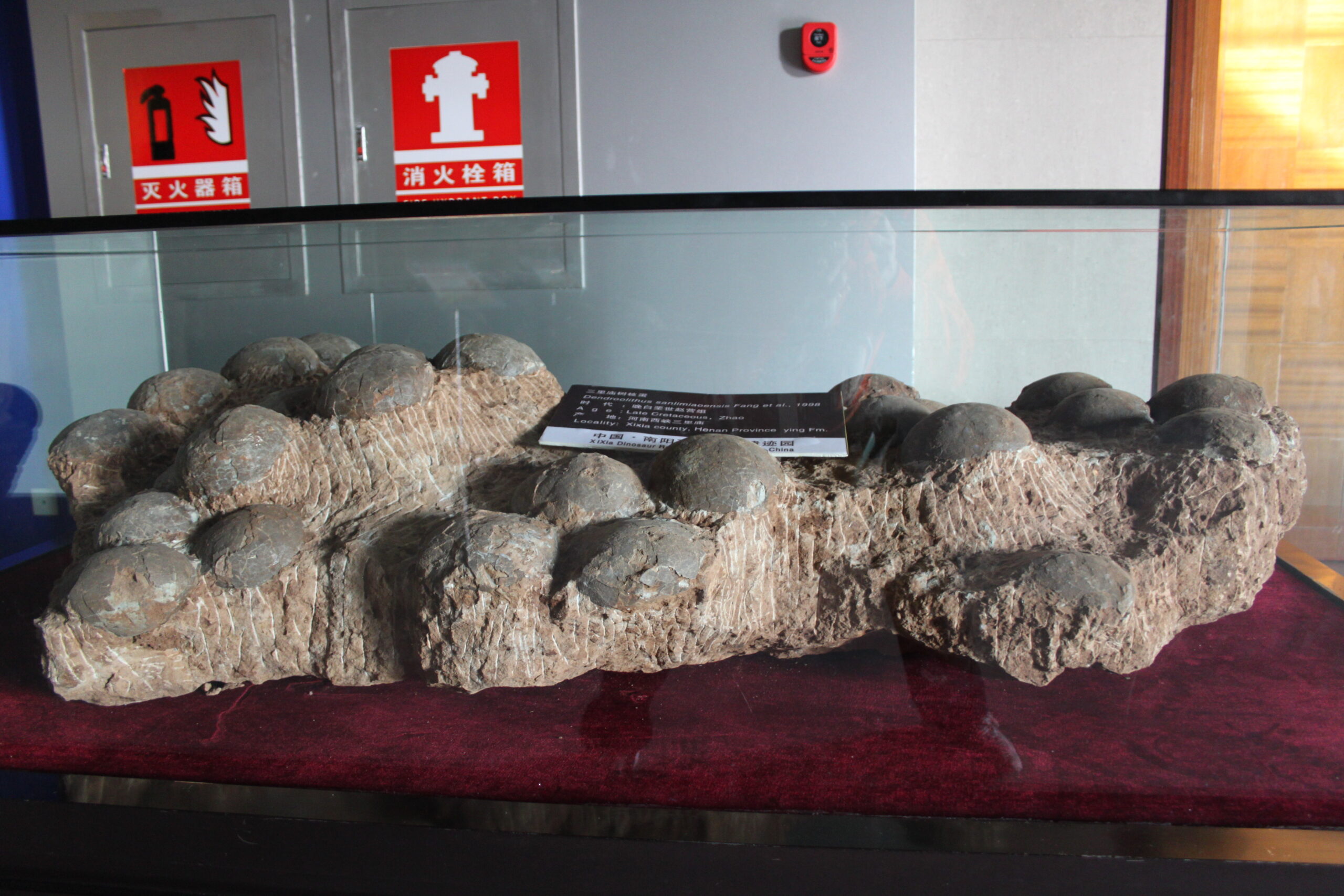
Raising young in prehistoric winter conditions required extraordinary parental dedication and innovative nesting strategies. Dinosaur parents constructed elaborate nests with sophisticated insulation systems, layering vegetation, mud, and even their own shed feathers to create warm microclimates for their eggs. Some species developed communal nesting sites where multiple families shared body heat and took turns incubating eggs during the coldest periods.
The timing of reproduction became crucial for survival in extreme environments. Many dinosaur species shifted their breeding cycles to ensure that eggs hatched during the warmest months when food was most abundant. Parents often delayed migration until their young were strong enough to survive long-distance travel, demonstrating complex decision-making abilities that rival modern birds and mammals.
Metabolic Mysteries and Warm-Blooded Debates

The question of dinosaur metabolism has become central to understanding their cold-weather survival abilities. Growing evidence suggests that many dinosaurs possessed some form of warm-bloodedness, or at least sophisticated temperature regulation systems that allowed them to maintain stable body temperatures in extreme conditions. This metabolic flexibility would have been essential for surviving in polar regions where temperatures regularly dropped below freezing.
Recent studies of dinosaur bone structure reveal growth patterns consistent with warm-blooded animals, showing continuous growth rather than the seasonal spurts typical of cold-blooded reptiles. This discovery supports the theory that dinosaurs developed advanced metabolic systems that enabled them to generate internal heat, giving them a massive advantage in cold environments where modern reptiles would quickly perish.
Arctic Ecosystems and Dinosaur Diversity

Polar regions during the dinosaur era supported surprisingly diverse ecosystems, with dozens of species coexisting in environments that would challenge even the hardiest modern Arctic animals. These communities included everything from massive long-necked sauropods to small, agile raptors, each filling specific ecological niches that allowed them to exploit different resources in the harsh environment.
The diversity of polar dinosaur communities suggests that these environments were more hospitable than previously imagined. Dense forests of conifers and ferns provided shelter and food, while seasonal warming periods created brief but abundant growing seasons. This ecological richness supported complex food webs that included both herbivores and carnivores, proving that dinosaurs had mastered the art of cold-weather survival across multiple trophic levels.
Fossil Evidence of Cold-Weather Adaptations

The fossil record provides compelling evidence of dinosaur cold-weather adaptations, from microscopic cellular structures to massive bone modifications. Preserved dinosaur skin shows evidence of specialized blood vessel arrangements that would have helped regulate body temperature, while fossilized feathers reveal intricate structures designed for maximum insulation efficiency. These discoveries have revolutionized our understanding of dinosaur physiology and their ability to survive extreme conditions.
Bone density studies reveal that cold-climate dinosaurs developed thicker, more robust skeletal structures compared to their warm-climate relatives. This adaptation provided better protection against the physical stresses of cold weather while also serving as calcium reserves during harsh winters when nutrition was limited. The preservation of these adaptations in the fossil record offers a unique window into the evolutionary pressures that shaped dinosaur survival strategies.
Migration Patterns and Seasonal Movements
The discovery of dinosaur migration routes has revealed some of the most impressive journeys in natural history. Trackways spanning thousands of miles show that some dinosaur species undertook epic migrations that rival those of modern whales and birds. These ancient highways connected summer breeding grounds with winter refugia, allowing dinosaurs to escape the worst effects of seasonal climate changes.
Not all dinosaurs migrated, however. Some species developed year-round survival strategies that allowed them to remain in polar regions throughout the harsh winter months. These permanent residents evolved specialized adaptations that enabled them to find food, maintain body temperature, and reproduce successfully in conditions that would have killed their tropical relatives. Their success challenges traditional assumptions about dinosaur environmental limitations.
Predator-Prey Dynamics in Frozen Landscapes

Winter conditions dramatically altered the balance between predators and prey in dinosaur ecosystems. Carnivorous dinosaurs faced the dual challenge of maintaining their own body heat while pursuing prey that had developed sophisticated cold-weather defenses. This evolutionary arms race led to the development of specialized hunting strategies and defensive behaviors that were unique to extreme environments.
Pack hunting became more common in cold climates, as cooperative strategies allowed predators to bring down large prey more efficiently while sharing the energy costs of pursuit. Meanwhile, herbivorous dinosaurs developed herd behaviors that provided protection through numbers, with individuals taking turns standing guard while others fed or rested. These complex social interactions demonstrate the intelligence and adaptability that enabled dinosaurs to thrive in challenging conditions.
Extinction and Survival Lessons
The ability of dinosaurs to survive in extreme cold environments ultimately couldn’t save them from the asteroid impact that ended the Cretaceous period. However, their cold-weather adaptations may have influenced which lineages survived to become modern birds. The same feathers that provided insulation in prehistoric winters helped early birds survive the climate chaos that followed the extinction event, demonstrating the lasting value of cold-weather adaptations.
The extinction of polar dinosaurs offers sobering lessons about the limits of adaptation in the face of rapid environmental change. While these remarkable creatures mastered the art of surviving extreme cold, they couldn’t cope with the sudden global winter that followed the asteroid impact. Their story reminds us that even the most successful survival strategies have limits when faced with unprecedented challenges.
Modern Implications and Climate Connections

Understanding how dinosaurs survived extreme cold has profound implications for modern climate science and conservation efforts. As our planet faces rapid climate change, the strategies that allowed dinosaurs to thrive in harsh conditions offer insights into how organisms might adapt to changing environments. The behavioral flexibility and physiological adaptations of cold-climate dinosaurs provide a blueprint for resilience that could inform conservation strategies for modern species.
The study of dinosaur cold-weather survival also enhances our understanding of evolutionary processes and the remarkable plasticity of life. These ancient creatures demonstrate that with sufficient time and selective pressure, organisms can develop extraordinary adaptations that allow them to colonize even the most challenging environments. Their success story continues to inspire researchers seeking to understand the limits and possibilities of biological adaptation.
The remarkable story of dinosaurs surviving in snow and ice reveals the incredible adaptability of life on Earth. These ancient giants didn’t just endure extreme cold—they thrived in it, developing sophisticated strategies that allowed them to dominate polar regions for millions of years. From feathered insulation to complex migration patterns, their survival techniques demonstrate the power of evolution to overcome seemingly impossible challenges. As we face our own climate uncertainties, perhaps the most valuable lesson from these prehistoric survivors is that life finds a way, even in the most extreme conditions. What other impossible feats might ancient creatures have accomplished that we’re only beginning to discover?


