Africa – Reporters in regions battered by biodiversity loss and climate pressures struggle to convert gradual ecological shifts, fractured governance structures, and disputed data into stories that capture international attention.
Unpacking the Barriers to Border-Crossing Coverage
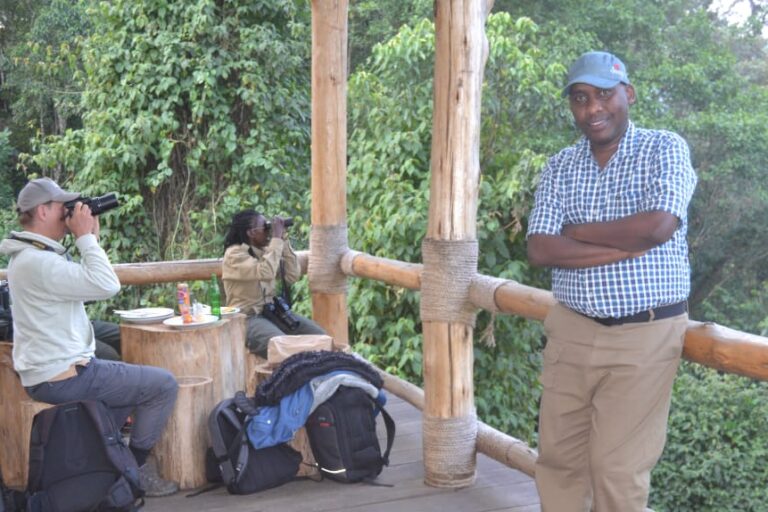
Unpacking the Barriers to Border-Crossing Coverage (Image Credits: Imgs.mongabay.com)
Environmental changes in places like the Congo Basin and the Sahel unfold slowly, defying the fast pace of traditional news. Signals emerge locally – technical details on wildlife trade routes or governance breakdowns that appear solid in documents but falter on the ground. These elements often carry political weight, making them inconvenient to highlight.
International focus surges during summits or emergencies, only to fade afterward. Journalists then shoulder the task of sustained scrutiny, linking human experiences to broader systemic failures in conservation policies that vary sharply between districts. Such persistence reveals how land use decisions and energy shifts intersect with biodiversity threats.
- Slow-moving ecological transformations resist headline urgency.
- Fragmented governance creates inconsistent policy outcomes.
- Contested evidence demands rigorous verification amid political sensitivities.
- Local insights must translate into globally relevant narratives.
- Misinformation erodes trust in science-based reporting.
The Backbone of Tenacious Fieldwork
Effective coverage relies on deep fieldwork and enduring source networks spanning scientists, locals, and conservation groups. Reporters track developments post-publication, ensuring stories evolve with realities on the ground. In Central Africa, this approach mapped illegal wildlife trafficking paths and illuminated Indigenous contributions to forest management.
One standout example involved a multimedia examination of solar-powered irrigation in Rwanda. It detailed smallholder farmers’ adoption of the technology, persistent cost barriers, and influences from public and private sectors. Feedback extended beyond initial views, sparking continent-wide discussions among agricultural organizations.
Aimable Twahirwa’s Enduring Commitment
Senior science journalist Aimable Twahirwa, based in Kigali, Rwanda, exemplifies this dedication after 25 years covering development, climate, and conservation across Central, East, and West Africa. He joined Mongabay in 2024 to spotlight regions defined by on-the-ground truths rather than distant abstractions. His portfolio includes probes into wildlife trafficking and renewable energy’s role in rural resilience.
Twahirwa emphasized the human angle in systemic issues. “I like telling impact stories covering topics that call for action, which can then be shared with those who are in a position to do something about it,” he stated. His investigative work in the Congo Basin and Sahel humanizes conservation efforts, blending scientific rigor with accessible narratives.
Combating Denial in a Charged Landscape
Politically charged and data-heavy topics demand unwavering accuracy to maintain credibility. Twahirwa highlighted a core priority: “Countering misinformation and science denial is critical to bolster public trust and fortify the news ecosystem against manipulation.”
This stance proves vital where environmental reporting risks suppression or distortion. By prioritizing verification and follow-through, journalists foster reliable information flows that support conservation amid multifaceted threats.
Impact Measured in Continuity, Not Virality
True value emerges gradually as sources reengage, narratives interconnect, and readers anticipate ongoing coverage. Stories on Rwanda’s irrigation innovations drew sustained inquiries, demonstrating how persistent journalism influences policy and practice.
Communities adapting to climate pressures with partial solutions gain visibility, while conservation inconsistencies receive scrutiny. This model prioritizes long-term trust over fleeting attention.
Key Takeaways
- Persistent reporting bridges local signals to global conservation action.
- Fieldwork and networks uncover wildlife threats like trafficking routes.
- Countering misinformation builds resilience in Africa’s news ecosystem.
Long-haul journalism not only documents Africa’s wildlife struggles but also amplifies solutions, ensuring biodiversity concerns endure beyond transient headlines. What role do you see for sustained reporting in global conservation? Tell us in the comments.