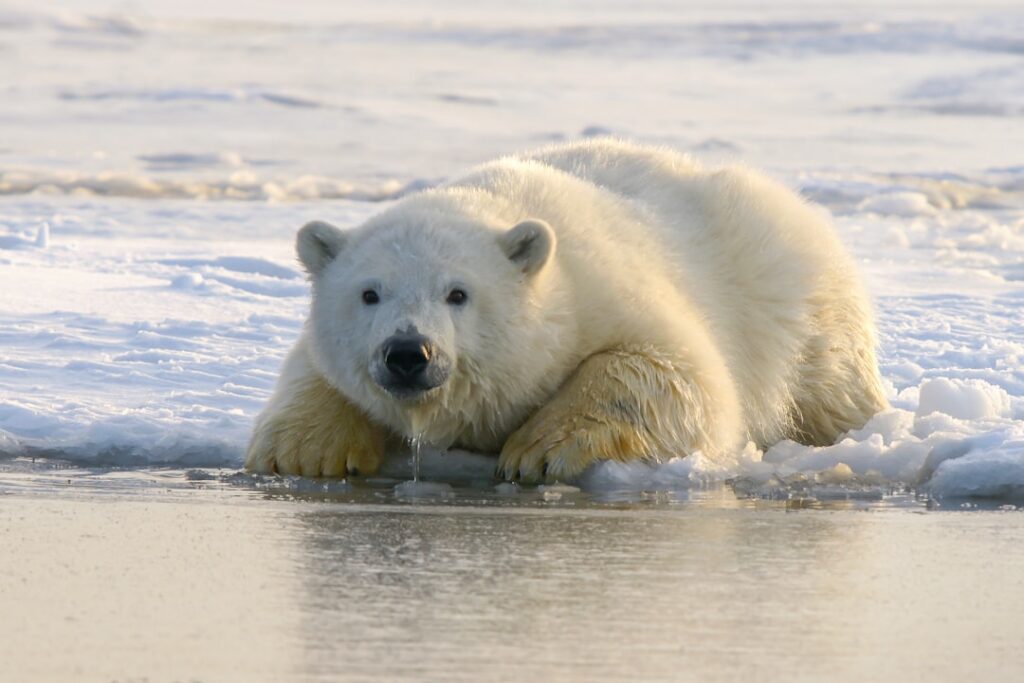
Svalbard, Norway – A long-term study reveals that polar bears in this Norwegian Arctic archipelago have stabilized and even enhanced their physical health despite profound declines in sea ice habitat.
Resilience Against the Odds
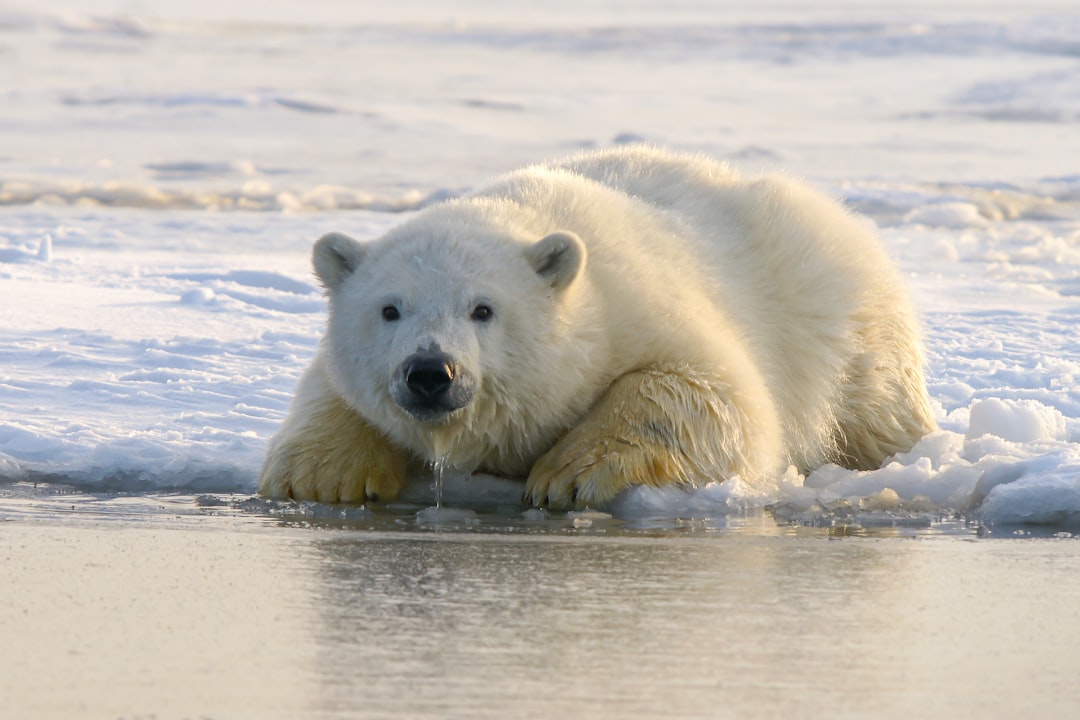
Resilience Against the Odds (Image Credits: Unsplash)
Scientists anticipated deteriorating health for polar bears as sea ice vanished at one of the fastest rates in the Arctic. These animals depend on frozen platforms to stalk ringed and bearded seals, their primary energy source. Yet data from hundreds of captures painted a different picture.
Researchers from the Norwegian Polar Institute and collaborators analyzed body condition in 770 adult bears across 1,188 captures from March to May between 1995 and 2019. They calculated a body condition index using measurements of length, girth, and estimated weight. Results showed a sharp drop in condition until around 2000, followed by a steady recovery that returned bears to early levels by 2019.
This trend held for both males and females, even as ice-free periods lengthened by more than 100 days and spring breakup advanced by about a month in some years.
Tracking Trends in a Changing Environment
The Barents Sea population, which includes Svalbard bears, numbered between 1,900 and 3,600 individuals in 2004. Protections since 1973 halted heavy historical hunting, allowing numbers to rise. Local bears, which stay near land during ice-free summers, dominated the dataset, while pelagic bears that follow distant ice edges appeared less frequently after 2000.
Statistical models tested links to climate factors like the Arctic Oscillation and sea ice metrics. Contrary to predictions, warmer conditions and habitat shrinkage did not correlate with poorer body condition. Instead, bears in southeast Svalbard and along the west coast showed stronger metrics.
Here are key patterns from the analysis:
- Male body condition peaked around age 12 before declining after 20 years.
- Females alone had the highest scores; those with cubs-of-the-year ranked lowest.
- Condition improved with more prior ice-free days but dipped with later breakup dates.
- Spatial variation favored southern and eastern areas over the northwest.
Alternative Prey Fuels Recovery
Researchers pointed to a diverse food web as a buffer. Harbour seals have expanded into the region. Reindeer populations have rebounded, and walruses – protected since the 1950s – now offer rich blubber. Bears have long scavenged whale carcasses, bird eggs, and nests during land-bound months.
Lead author Jon Aars of the Norwegian Polar Institute noted, “There are a lot more walruses around [for them to hunt] these days. It is also possible that they are able to hunt seals more efficiently.” Concentrated seals on shrinking ice might ease pursuits, while the population’s position below carrying capacity reduces competition.
Andrew Derocher, a co-author from the University of Alberta, described this as behavioral plasticity rather than evolution. “Bears in this region appear to be experiencing short-term buffering to climate impacts because they hunt in areas with diverse and new types of prey.”
Lessons for the Arctic Future
Svalbard’s productive continental shelf, fed by nutrient-rich Atlantic waters, supports this temporary stability. No competing predators like wolves or brown bears vie for terrestrial resources. Still, experts urged caution. Cub survival and older females have suffered from extended ice-free periods in prior research.
John Whiteman of Polar Bears International warned, “Ice loss ultimately means bear declines, but [this study shows] that the short-term picture can be very region-specific.” Projections indicate further ice retreat could overwhelm adaptations across the 20 known subpopulations.
- Body condition rebounded post-2000 despite doubled sea ice loss rates elsewhere.
- Diverse prey like walrus and reindeer provide short-term energy boosts.
- Regional differences demand tailored monitoring, not broad generalizations.
These findings, detailed in a Scientific Reports paper, underscore polar bears’ opportunism but highlight climate change’s persistent threat. As ice continues to recede, will other populations find similar refuges? What do you think about this Arctic paradox? Tell us in the comments.