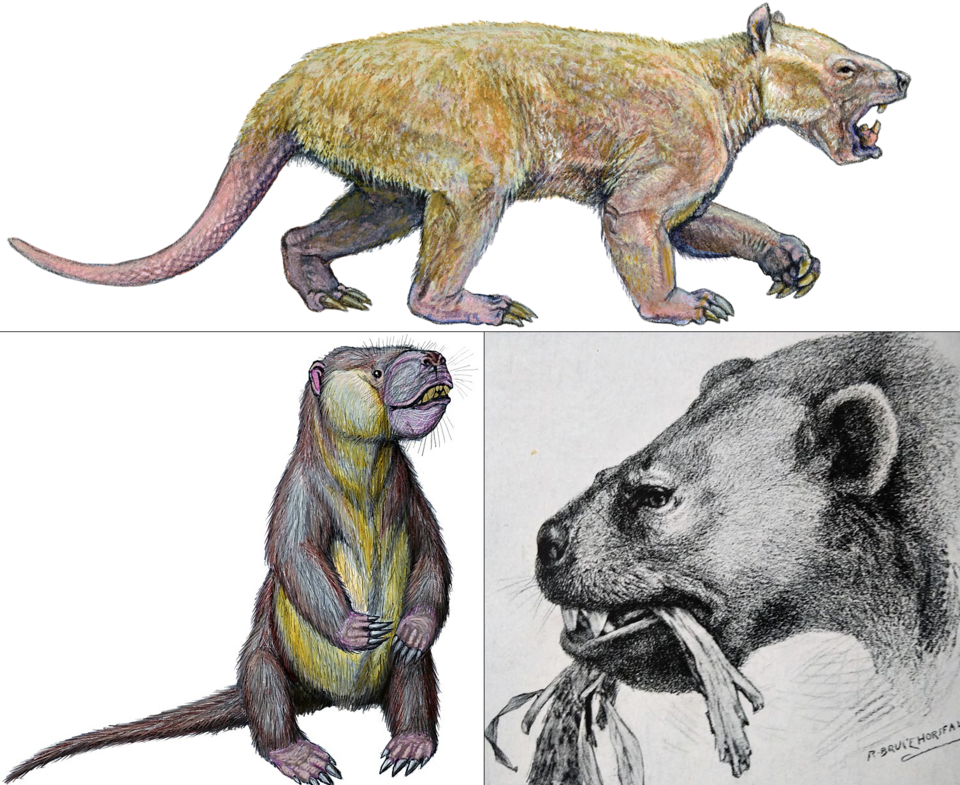
Following the mass extinction that ended the Cretaceous period, placental mammals underwent explosive diversification. Among the earliest pioneers stood the taeniodonts, an extinct group renowned for their bizarre adaptations. These creatures emerged rapidly in North America, filling ecological niches left vacant by dinosaurs with their specialized digging prowess and unique dentition.
A Swift Rise from Obscurity
A Swift Rise from Obscurity (Image Credits: Wikimedia)
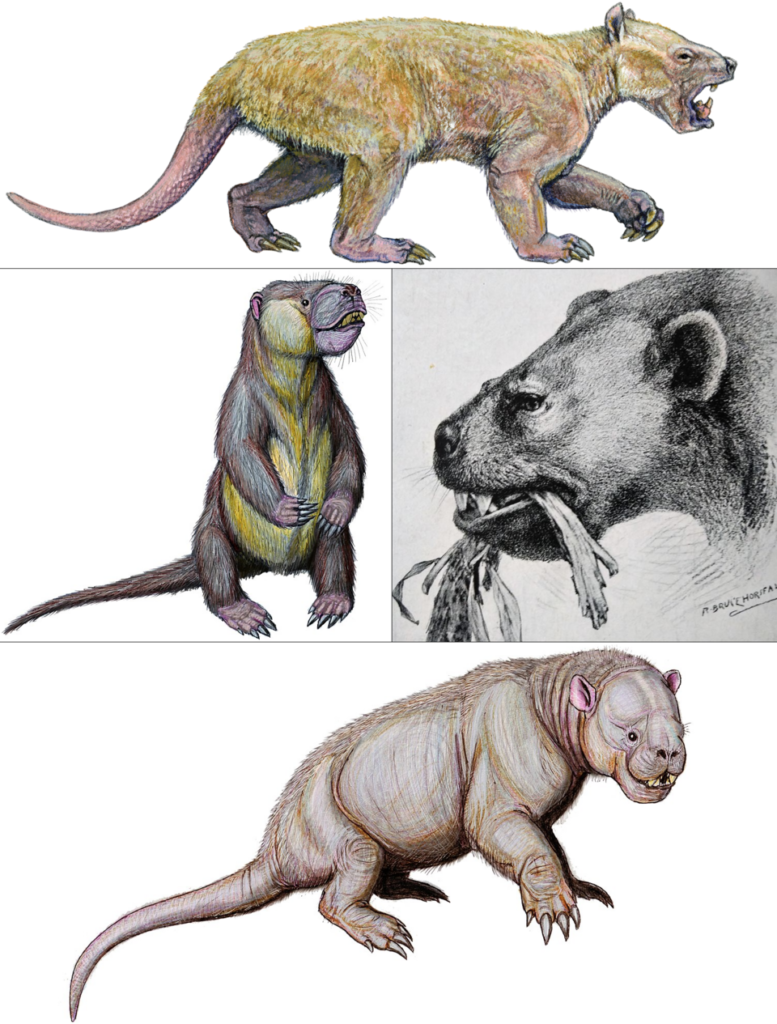
Primitive taeniodonts appeared in the early Paleocene, mere hundreds of thousands of years after the asteroid impact wiped out non-avian dinosaurs. Fossils from Rocky Mountain sites revealed these early forms as no larger than house cats, hinting at insectivorous ancestors like cimolestids. Within half a million years, some lineages ballooned to pig-sized behemoths, showcasing one of the fastest size increases in mammalian history.
This burst of evolution positioned taeniodonts at the forefront of placental mammal radiation. They developed robust skeletons suited for excavation, diverging from more generalized contemporaries. Primitive species persisted briefly into the middle Paleocene, while advanced forms dominated until the Eocene.
Bizarre Anatomy That Set Them Apart
Taeniodonts boasted features unmatched by modern mammals. Early types like Onychodectes possessed long, narrow skulls, sharp canines for tearing, and clawed digits ideal for climbing and digging. Their heavy tails likely aided balance during foraging.
Advanced stylinodontids took specialization further. Skulls shortened and widened, accommodating powerful jaw muscles. Canines transformed into rootless, ever-growing tusks with enamel only on the front edges, perfect for chiseling tough roots. Cheek teeth wore down rapidly from gritty diets, becoming peg-like grinders. Forelimbs bulked up with massive claws – recurved and laterally flattened on hands – for ripping soil.
- Onychodectes: Cat-sized omnivore with versatile premolars.
- Wortmania: Early heavy hitter at 20 kilograms.
- Psittacotherium: 50-kilogram digger with parrot-like beak hints.
- Ectoganus: Varied sizes, transitional claws.
- Stylinodon: Pinnacle at 80 kilograms, ultimate rooter.
Foraging Habits and Ecological Role
These mammals targeted underground bounty. Primitive forms supplemented insects and small prey with dug-up plants, their grinding molars handling abrasive material. Stylinodontids zeroed in on tubers and roots, using snouts, tusks, and claws in tandem, much like oversized anteaters but for vegetation.
Rarity in fossil records suggests upland habitats, away from river deposits. Their low brain-to-body ratio indicated reliance on brute strength over speed or cunning. Still, they thrived for millions of years, outlasting many peers in arid interiors.
| Feature | Primitive Forms | Advanced Forms |
|---|---|---|
| Size | Cat to dog | Pig to small bear |
| Dentition | Sharp canines, grinding molars | Tusks, peg molars |
| Limbs | Robust, clawed | Massive foreclaws |
Decline Amid Rising Competition
By the late middle Eocene, taeniodonts vanished. Advanced herbivores like early artiodactyls proved more efficient at exploiting similar niches. Locked into hyper-specialization, taeniodonts lacked flexibility as climates shifted and forests expanded.
Their legacy endures in understanding post-extinction recovery. These oddballs demonstrated how mammals seized opportunities, evolving quantum leaps in form and function.
Key Takeaways
- Taeniodonts radiated swiftly post-Cretaceous, from rat-sized to 80 kg in under a million years.
- Tusks and claws defined their rooting lifestyle, with no modern analogs.
- Specialization led to 20 million years of success, then Eocene extinction.
Taeniodonts remind us of evolution’s experimental side – bold adaptations that shine briefly before fading. What niches might future discoveries reveal they truly occupied? Share your thoughts in the comments.