Every few years, a new blurry video or shaky phone clip hits the internet and the Bigfoot debate roars back to life. Most of it is forgettable, but a handful of cases refuse to die, even after decades of scrutiny. These are the that keep skeptics busy, make believers feel vindicated, and leave a lot of reasonable people sitting uncomfortably in the middle, thinking, “I still can’t explain that.”
What follows is not a list of guaranteed proof, because we simply do not have that. Instead, these are the ten that remain the hardest to casually wave away. They are layered with eyewitness testimony, physical traces, or oddly consistent details across time and geography. The more you dig into them, the more they turn into mental splinters: tiny, persistent, and strangely hard to ignore.
The Patterson–Gimlin Film: Bluff Creek’s Walking Mystery
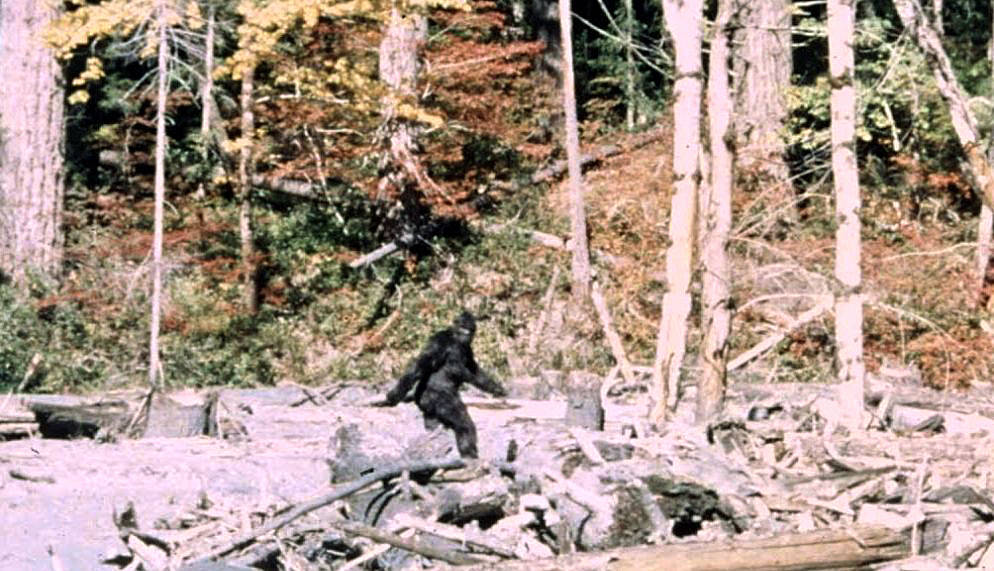
If Bigfoot has a “celebrity headshot,” it is the 1967 Patterson–Gimlin film shot at Bluff Creek in northern California. In the short clip, a large, hair-covered figure casually walks along a creek bed, briefly turning its head toward the camera before striding into the trees. What keeps this film at the center of the conversation is not just the image itself, but how relentlessly it has been examined: frame-by-frame analysis, motion studies, costume comparisons, and biomechanical breakdowns have all tried to answer one basic question – man in a suit, or something else?
Decades later, no one has produced a definitive costume or recreation that perfectly matches the muscle movement, proportions, and gait seen in the original footage under similar conditions. Serious skeptics will argue it is still very likely a hoax, while some anatomists and special-effects experts have admitted that, if it is fake, it was astonishingly ahead of its time for the late 1960s. The film survives in this weird twilight: not solid proof, but stubbornly resistant to easy dismissal, like a puzzle with one crucial piece that never quite fits anywhere.
The Ape Canyon Attack: A Night of Terror in 1924
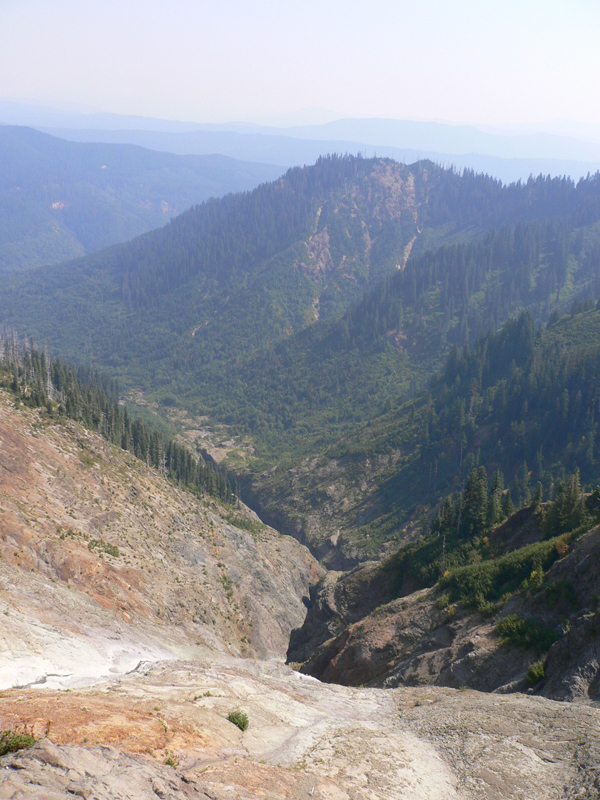
Long before Bigfoot was a pop-culture icon, a group of miners near Mount St. Helens reported a night they never forgot. In 1924, they claimed their small cabin in an area now called Ape Canyon was besieged by several large, ape-like creatures. Rock-throwing, pounding on the walls, and attempts to break in turned the night into a siege scenario that sounded more like a horror film script than a simple wildlife encounter. The men later reported that the attack followed one of them allegedly shooting at a strange creature earlier on a nearby ridge.
What makes this case compelling is not just the dramatic story, but the consistency of the men’s accounts over time and the fact it predates the modern Bigfoot craze by many decades. Newspaper coverage at the time treated it as strange but newsworthy, rather than as a marketing stunt. Skeptics suggest it could have been misidentified black bears or an elaborate tall tale by bored miners. Still, the emotional intensity and detail of their reports, combined with the rugged and remote nature of the area, keep Ape Canyon lingering as one of the earliest and eeriest Sasquatch stories on record.
The Bossburg Cripple Foot Tracks: Odd Feet in the Snow
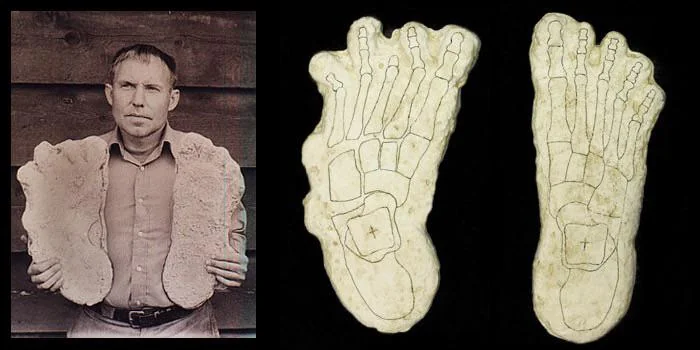
In late 1969, near Bossburg in northeastern Washington State, hundreds of footprints were discovered in the snow along the U.S.–Canada border. Among them were a set of tracks that have since become legendary: the so-called “Cripple Foot” prints, which showed an oddly deformed foot with unusual structure and apparent pathology. These tracks caught the attention of seasoned investigators, including some who were already skeptical of many Bigfoot claims, precisely because the tracks did not look like a simple carved fake.
The prints showed anatomical details that suggested differential weight-bearing, possible foot injury, and complex motion – far beyond what a crude wooden footprint would produce. Critics argue that a very determined hoaxer could have created sophisticated molds, or that the tracks were misinterpreted animal prints distorted by melting snow. Yet the sheer number of prints, the coherence of the trackway, and the anatomical oddities that match known foot pathologies make the Bossburg case one of the more intriguing pieces of physical evidence, especially for those who think most tracks are too “perfect” to be real.
The Skookum Cast: A Body Impression in the Mud
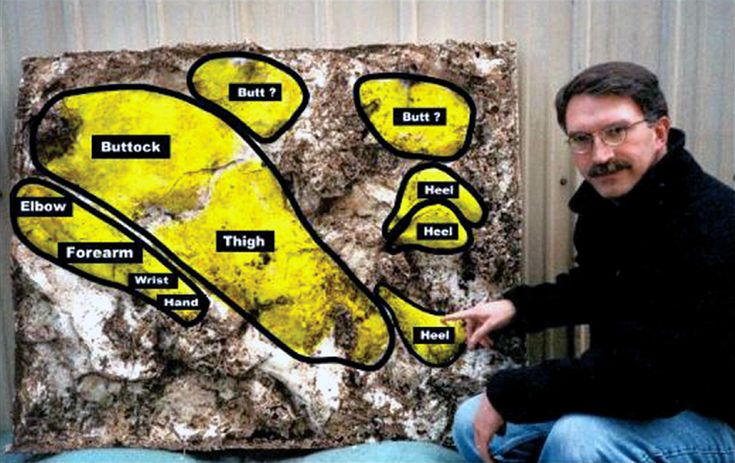
In the year 2000, during a Bigfoot research expedition in Washington State’s Gifford Pinchot National Forest, investigators left fruit and bait in a muddy wallow, hoping to attract wildlife. When they returned, they did not find clear footprints, but something stranger: a large, detailed body impression in the mud, later dubbed the Skookum Cast. The cast appeared to show the outline of a large body lying or reclining in the mud, with impressions interpreted as a thigh, calf, heel, and possibly hair patterns along the skin contact points.
Supporters of the Bigfoot hypothesis argue that the proportions and features of the cast do not match known wildlife like elk or bear, especially the apparent heel and leg structure. Skeptics counter that an elk lying awkwardly in the mud could produce an odd impression that looks far stranger to human eyes than it really is. The cast has been examined by multiple experts in different fields, from primate anatomy to wildlife biology, with no consensus. That lack of agreement is exactly what keeps the Skookum Cast in this list: it is neither solid proof nor easily explainable away, sitting frustratingly in the middle.
The Sierra Sounds: Unsettling Voices in the Wilderness
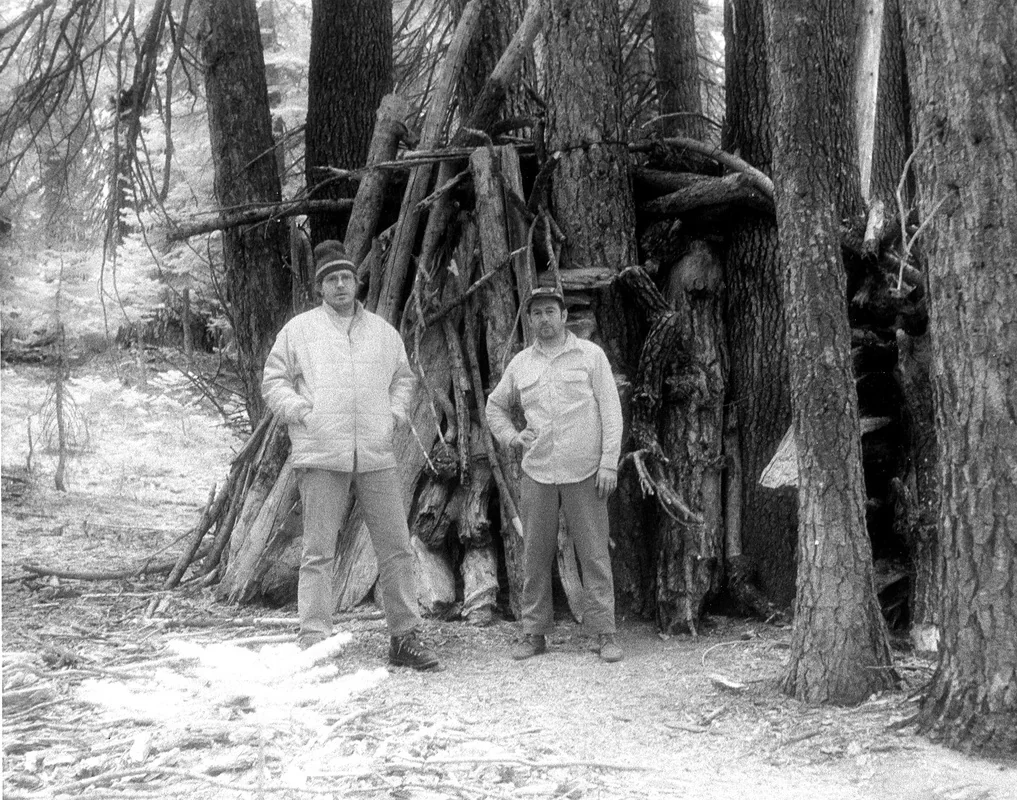
In the 1970s, a small group of hunters camping in a remote part of the Sierra Nevada reported hearing bizarre vocalizations at night. They began recording them, creating what are now known as the Sierra Sounds: a series of howls, whoops, and rapid-fire “chatter” that some researchers have claimed shows complex language-like structure and an unusually wide pitch range. Even people who do not believe in Bigfoot often admit the recordings are deeply unsettling to listen to in the dark.
Audio analysts and linguists who have heard the files have offered differing views. Some lean toward unknown animals or layered recordings, while others note that the vocal range seems to exceed what an average human voice can comfortably produce for extended periods, especially in the wild at night. Of course, sophisticated human mimicry or audio manipulation cannot be ruled out, and that is the main skeptical explanation. Still, the combination of remote location, multiple witnesses, and the sheer strangeness of the sounds has given this case a staying power that casual hoaxes rarely achieve.
The Paul Freeman Blue Mountains Sighting
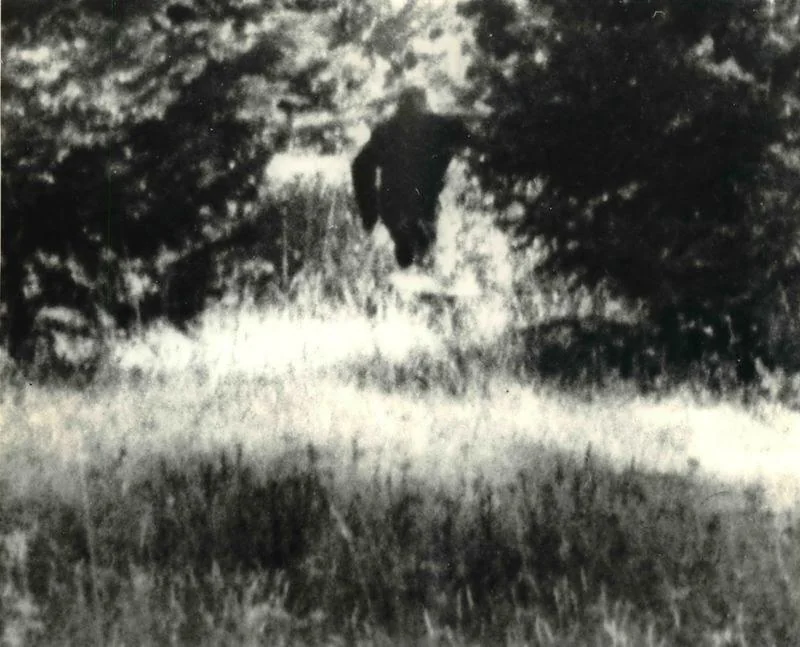
In 1994, Paul Freeman, a former game warden already known in Bigfoot circles, filmed a large, dark figure walking through the trees in Washington’s Blue Mountains. The creature appears briefly, moving with a heavy, deliberate gait before vanishing behind cover. Prior to this, Freeman had found and cast numerous large tracks in the same region, which had already drawn the interest of researchers; the video added another layer to an ongoing pattern in that specific area.
Skeptics point out that the video is grainy and partially obscured, which conveniently makes it easier for a costumed human to pass as something more mysterious. Others, however, note that the Blue Mountains have produced a long history of consistent reports, from footprints to by hunters and forest workers, lending some weight to Freeman’s claims. The footage, when slowed down and enhanced, seems to show bulk and movement that are not easily dismissed as a simple Halloween suit, though that possibility can never be entirely ruled out. This uneasy mix of context, prior evidence, and imperfect visuals is exactly why the Freeman sighting remains hotly debated.
The Ohio Howl and Midwestern Encounters
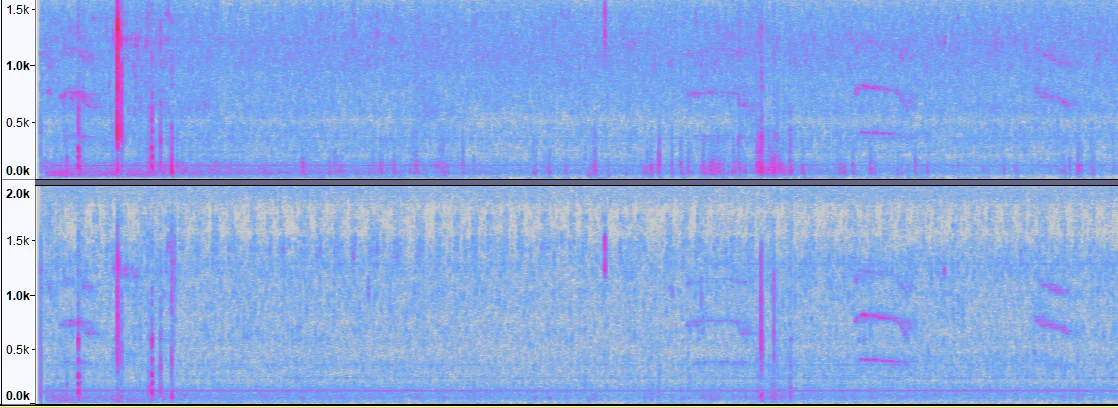
In the mid-1990s, a long, haunting vocalization was recorded in rural Ohio, later nicknamed the “Ohio Howl.” The sound is a drawn-out, mournful cry that does not neatly match known local animals, at least to the ears of those who have studied it. The recording quickly became one of the most frequently cited pieces of alleged Bigfoot audio, especially since the region already had a tradition of Sasquatch reports from hunters, hikers, and homeowners on the edges of forested land.
Wildlife biologists have suggested possibilities like coyotes, dogs, or even people intentionally mimicking unknown creatures, and that remains a realistic explanation. Yet, some acoustic analyses have claimed that the power and frequency range involved are unusual for common animals in that area. Paired with clusters of reported and large track finds in parts of Ohio and neighboring states, the Ohio Howl sits at an intersection of folklore, biology, and genuine mystery. It is one of those pieces of the puzzle where you can clearly see the shape, but you still have no idea which picture on the box it belongs to.
The 1969 Snohomish County Tracks and Multiple Witnesses
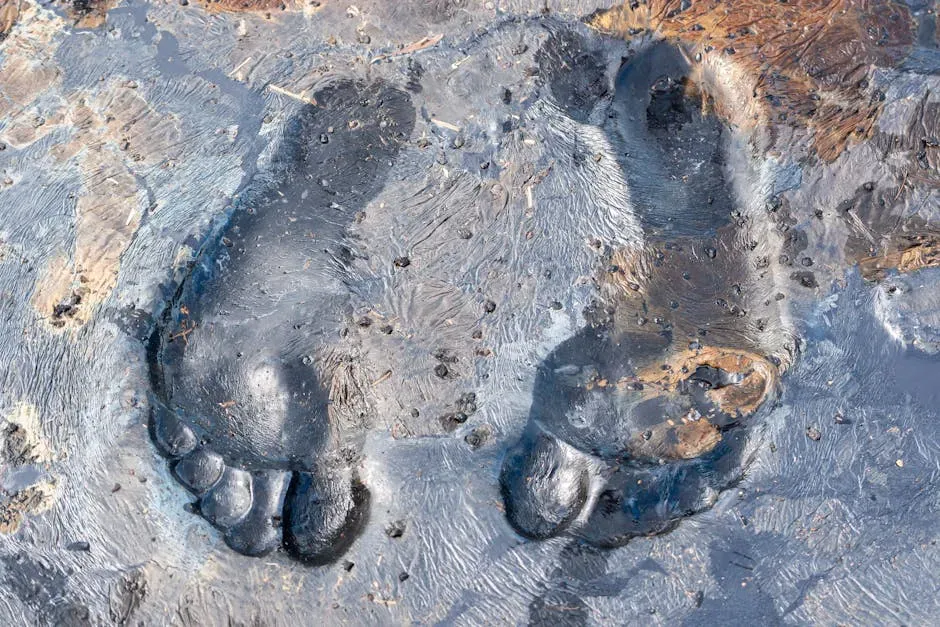
Washington State appears repeatedly in Bigfoot lore, and for good reason: it is heavily forested, sparsely populated in many regions, and home to a dense cluster of reports. In 1969, Snohomish County saw a wave of and track discoveries that pulled in locals, law enforcement, and curious onlookers. Long strings of large footprints were documented along logging roads and fields, often crossing difficult terrain in ways that seemed unlikely for casual pranksters wearing wooden feet at night.
Several witnesses during that period described tall, dark, man-shaped figures moving quickly through the timber, sometimes at distances too great for detailed description but close enough to be unnerving. Skeptics, of course, can fairly suggest misidentified humans, misperceived bears, or coordinated hoaxes feeding off the publicity of the time. Yet the combination of multiple trackways, overlapping eyewitness accounts, and the attention of local authorities created a cluster of data that is still referenced in Bigfoot research today. It is less about one spectacular moment and more about a sustained pattern that refuses to entirely evaporate under scrutiny.
The Marble Mountain Footage: A Scout Trip Surprise
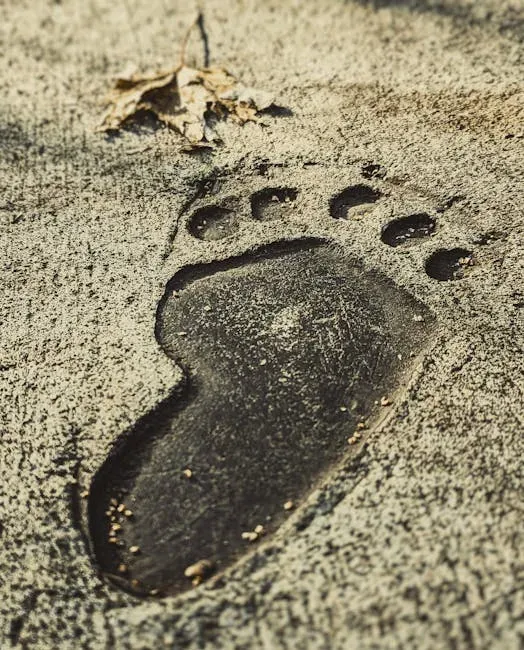
In 1992, a group of youth campers and adults in the Marble Mountains of northern California reported seeing a large, dark figure on a distant ridge. One of the leaders filmed the event, capturing a tall shape striding along the slope before disappearing from view. The footage is distant and low resolution, but when stabilized and enhanced, it shows a figure that appears large and purposeful, not simply a small person seen at a strange angle, at least according to proponents.
Because this was a scout trip rather than a planned expedition, some researchers see the context as lending credibility: an accidental encounter is generally harder to stage convincingly, especially in front of multiple kids and adults. On the other hand, distance and video quality give skeptics plenty of room to argue for a misidentified hiker or simple optical illusion. What keeps the Marble Mountain footage on lists like this is that persistent sense of “almost there” – it is just clear enough to be deeply interesting, but just fuzzy enough to deny anyone the satisfaction of a firm conclusion. If Bigfoot specializes in anything, it might be exactly that level of ambiguity.
Modern Dashcams, Doorbells, and the Digital Bigfoot
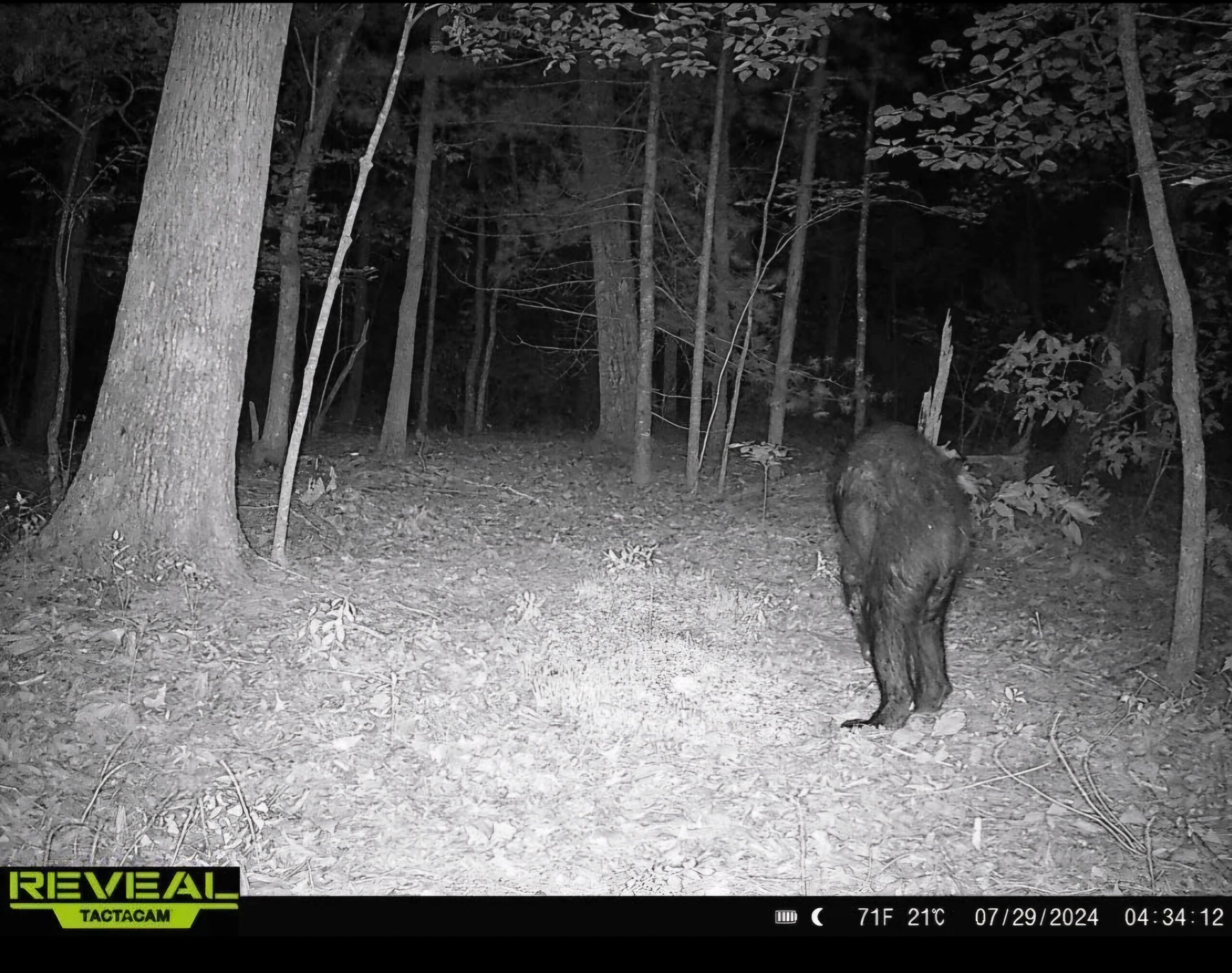
In recent years, the rise of cheap cameras – trail cams, dashcams, and doorbell systems – has shifted the Bigfoot debate into a new phase. There are now countless short clips claiming to show tall, dark figures crossing rural roads at night, moving between trees near cabins, or briefly appearing on forested hillsides before vanishing again. Most of these videos are probably misidentifications, pranks, or artifacts of low light and low resolution, yet a small subset have enough clarity and backstory to make people pause.
What makes this new wave important is not that it finally proves anything, but that it broadens the data set, for better and worse. Digital timestamps, GPS data, and multiple angles from nearby devices mean that some modern cases come with richer context than the classic stories from the mid-twentieth century. At the same time, easy editing tools, social media clout, and a culture that loves viral mysteries mean the incentive to fake something convincing has never been higher. Among the countless dubious posts, though, there are a few clips and stills that line up disturbingly well with older descriptions, suggesting that, if nothing else, the core image of Bigfoot has remained stubbornly consistent across generations.
Conclusion: A Legend That Refuses to Sit Still
Looking across these ten , a pattern emerges that is almost more interesting than any single case: Bigfoot lives in the gray zones. The evidence is always just good enough to keep the story alive, and just weak enough to keep mainstream science firmly on the sidelines. Personally, I lean toward healthy skepticism – I think the odds that a large primate has stayed completely undocumented by modern biology in North America are low, especially in an age of satellite imagery, drones, and DNA testing. But I also have to admit that some of these cases are harder to shrug off than others, and they tap into something deep in us that does not vanish just because the data are messy.
Maybe that is the real power of Bigfoot: it forces us to live with uncertainty in a world that pretends everything has already been mapped and labeled. Whether these are misidentifications, hoaxes, or hints of something genuinely undiscovered, they expose how thin the line can be between the known and the unknown, especially in the dark edges of the map where people still get lost. So, when you hear another strange story from a hunter, a camper, or a shaky video on your feed, the real question might not be “Is Bigfoot real?” but “How comfortable are you with a mystery that refuses to resolve?”