
Most people think mental fortitude is something you’re either born with or you’re not. Like some kind of genetic lottery that only a select few get to win. Honestly, that belief alone is one of the biggest mental traps you can fall into. The truth is far more empowering, and a little surprising.
Mental toughness is not a gift reserved for elite athletes, military professionals, or extraordinary individuals. It is a psychological skill that anyone can develop. Science shows that mental resilience comes from consistent habits, cognitive training, and the way you interpret challenges – not from raw talent or genetics. That changes everything, doesn’t it?
In a world that keeps throwing curveballs – relentless pressure at work, digital overload, personal setbacks – your inner strength is your most underrated asset. The question isn’t whether you need mental fortitude. The question is how you build it, step by deliberate step. Let’s dive in.
Step 1: Understand What Mental Fortitude Actually Is

Before you can build something, you need to know what you’re actually building. A lot of people confuse mental toughness with being stone-cold, emotionless, or just “pushing through.” That’s not it at all. Mental fortitude is a combination of emotional resilience, mental clarity, and persistent courage. It’s what helps you stay grounded during chaos and move forward even when motivation fades.
Mental strength involves building the cognitive, emotional, and behavioral skills required to persist in the face of adversity and grow while prioritizing and maintaining physical and psychological wellbeing. Think of it less like armor and more like a set of skills you sharpen every single day – the way a musician practices scales not because each scale is thrilling, but because the cumulative effect becomes extraordinary.
Step 2: Rewire Your Brain With a Growth Mindset
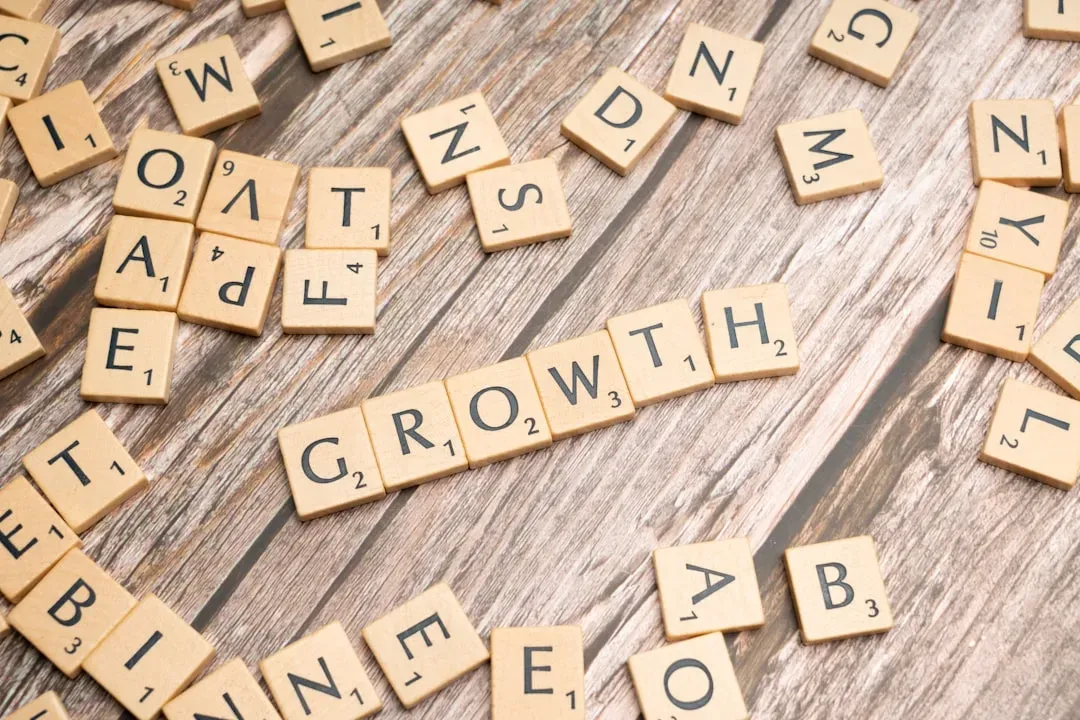
Your mindset is the operating system of your entire mental life. If it’s running on outdated software, everything else suffers. Here’s the thing: a growth mindset is the belief that abilities and intelligence can be developed through dedication and hard work. When you adopt this mindset, challenges become opportunities for growth, not roadblocks.
Psychologist Carol Dweck’s work on the growth mindset found that people who believe they can improve through effort develop more resilience, grit, and long-term success. A growth mindset transforms failure into information, not identity. Instead of saying “I’m not good at this,” mentally strong people say “I can get better with practice” – and this change in internal dialogue influences the brain’s neural pathways, making you more likely to persist, adapt, and recover from setbacks.
Step 3: Train Your Brain Through Neuroplasticity

Your brain is not fixed. It is constantly rewiring itself based on what you repeatedly do, think, and focus on. This is one of the most exciting scientific discoveries of our lifetime, and most people haven’t fully absorbed what it means for them. Neuroplasticity, the brain’s ability to adapt and form new neural connections, is at the heart of mental fitness. Consistent mental exercises like mindfulness meditation or gratitude practices increase activity in the prefrontal cortex while reducing hyperactivity in the amygdala. By training your mind, you can shift from a reactive, stressed state to a proactive, resilient one.
The brain adapts to stress through exposure. When you intentionally face small challenges – waking up early, exercising, learning a difficult skill – you train your mind to become comfortable with discomfort. Over time, situations that once felt overwhelming become manageable. It’s essentially the same logic as progressive overload in the gym, just applied to your mind.
Step 4: Discover Your Deeper “Why”

Purpose is not a fluffy self-help concept. It is rocket fuel. You can’t build lasting mental fortitude without knowing what you’re fighting for. Purpose acts like fuel. It gives your actions meaning and your struggles a reason. When you have a clear “why,” you can survive almost any “how.”
Your purpose doesn’t have to be grand or world-changing. It can be as simple as becoming someone you’re proud of or showing your kids what resilience looks like. I think that’s actually the part most people overlook. They’re waiting for some massive, epic calling. Meanwhile, the quiet, personal “why” sitting right in front of them is more than enough to build something remarkable.
Step 5: Master the Art of Emotional Awareness

It would be easy to mistake mental toughness for an ability to suppress emotions and “hang on in there” no matter how tough things get, but that couldn’t be further from the truth. In fact, one of the most important factors in building mental toughness is emotional intelligence – learning to recognize, name, and sit with your emotions, and understanding how you react to different stimuli.
Your mental strength, which affects how you deal with stress and challenges, can be built up by acknowledging your feelings and practicing self-compassion. Practically speaking, you can start small. Making short, consistent self-check-ins a habit is one of the most effective mental health goals you can pursue. These are not therapy sessions or long reflections. They are brief moments to assess your focus, mood, and energy before stress compounds.
Step 6: Build Iron-Clad Daily Discipline

Discipline is probably the least glamorous step on this list. There’s no hack, no shortcut, no app that replaces it. Discipline is a muscle. The more you use it, the stronger it becomes. Simple practices like sticking to a schedule, limiting distractions, and keeping promises to yourself build a powerful sense of control. This control fuels confidence, which is a core part of mental toughness.
You don’t build mental fortitude in one dramatic moment. You build it in quiet, consistent habits. Keeping promises to yourself – whether it’s getting up on time or finishing that workout – builds self-trust. Self-trust is the bedrock. Without it, everything else collapses like a house with no foundation.
Step 7: Reframe Stress as Your Ally

Most of us have been taught to fear stress. To treat it as the enemy. But what if that entire framing is wrong? Many believe stress is harmful, but research shows it can actually sharpen mental performance – if you interpret it correctly. When you view stress as a sign of challenge rather than danger, your body releases hormones that increase focus and endurance. This mindset shift is called stress reappraisal, and it’s one of the most effective techniques for building mental resilience.
Resilience is often misunderstood as toughness or endurance. In reality, it’s the ability to respond, adapt, and recover without prolonged strain. Emotional resilience habits include recognizing stress signals early, reframing setbacks, and knowing when to pause. These skills can be learned and reinforced with consistent guidance. That’s a genuinely different way of looking at pressure, and once you see it that way, it’s hard to unsee.
Step 8: Use Visualization to Hardwire Success

Elite athletes have been doing this for decades, and the science behind it is nothing short of remarkable. Your brain activates the same neural pathways during visualization as it does during physical performance, giving your brain a practice session without physical effort. Research shows that athletes who combine mental imagery with physical practice perform better. When you vividly picture yourself executing tasks perfectly, your brain’s neural pathways become stronger through plasticity.
Think of visualization as a mental rehearsal room. Before a difficult conversation, a high-stakes presentation, or a daunting personal challenge, you can walk through it in your mind first. The brain, brilliant as it is, treats the rehearsal as real experience. A champion’s mindset comes from specific training techniques backed by science. These methods are the foundations of peak performance psychology. You don’t need to be a champion athlete to use them.
Step 9: Build a Support Network That Challenges and Uplifts You

Let’s be real: no one becomes mentally tough in total isolation. The lone wolf narrative is mostly fiction. Resilience is not just about individual strength – it’s about knowing when to reach out for support. Building and maintaining a strong support network is crucial to overcoming challenges.
Your relationships with the people, animals, and planet around you can increase your resilience, hopefulness, sense of purpose, and effectiveness. Choose your circle deliberately. Caring about others is not a weakness but a strength. Looking at reality and finding a way to deal with it is far healthier and more effective than avoidance. A good support system doesn’t just hold you up – it holds you accountable, and that’s where real growth happens.
Step 10: Fuel the Machine – Physical Health as Mental Armour

You cannot separate the mind from the body. They are one system. Neglect one and you compromise the other, every single time. All the things you can do to lead a healthy life – exercise, a well-balanced diet, and sleep – can also help when it comes to your emotional resilience. Proper sleep is essential; you cannot have mental strength or emotional resiliency without a proper sleep schedule.
Regular exercise, getting enough sleep, and eating well are all beneficial for your mental health. Exercise helps clear your body of cortisol, the stress hormone that has wide-ranging negative effects on your physical and mental health over time. The more physically healthy you are, the more you improve your mental toughness, meaning you’re more likely to stick to healthier habits. It’s a glorious upward spiral once it gets going.
Step 11: Practice Self-Compassion Instead of Self-Criticism

Here’s something that surprises a lot of people: being brutally hard on yourself does not make you tougher. It actually erodes the very foundation you’re trying to build. Mental toughness isn’t about being hard on yourself. In difficult times, treat yourself the way you would treat your best friend in the same situation. Everyone makes mistakes; everyone has bad days. Stop holding yourself to higher standards than everyone else.
By practicing coping skills regularly, you strengthen your ability to access the right tool in the moment, making it easier to navigate tough situations and maintain emotional balance. Developing this toolbox is a long-term mental health habit that builds resilience and empowers you to handle life’s ups and downs. Self-compassion isn’t softness. It’s strategic. It keeps you in the game long enough to win it.
Step 12: Stay Patient and Celebrate Every Small Win

Think of mental fortitude as your inner superpower. It’s that quiet strength that helps you bounce back from setbacks, stay focused on your goals when things get hard, and keep a clear head even when chaos is swirling around you. It’s not about being emotionless or never struggling. It’s about facing those struggles head-on with courage and resilience.
Celebrate every small win. Did you stick to your tiny goal? Did you handle a tough situation better than before? Acknowledge it. Celebrate it. These small victories reinforce positive habits and build confidence. Resilience isn’t something you either have or don’t have – it’s a skill you can develop with time, practice, and support. The marathon metaphor is genuinely perfect here. No one crosses the finish line by skipping the miles in between.
Conclusion: Your Mind Is a Construction Site, Not a Fixed Structure

Everything on this list is achievable. None of it requires a perfect life, a perfect past, or a perfectly wired brain. Mental resilience isn’t about eliminating suffering. It’s about increasing sturdiness. Things don’t need to be perfect to be better. They just need to be more honest, more intentional, and built around the reality of how you actually function.
The 12 steps above aren’t a checklist you tick once and file away. They’re a living practice. You’ll revisit some days feeling strong and revisit others feeling shaky, and that’s entirely okay. What you need is a process: habits, mindsets, and daily choices that help you access the growth you’re already capable of. When you build mental fortitude, you change how you approach every challenge, every conversation, and every ambition.
The only real question worth asking yourself right now is this: which of these 12 steps will you start with today? Share your thoughts in the comments – your answer might just inspire someone else to begin their own journey.