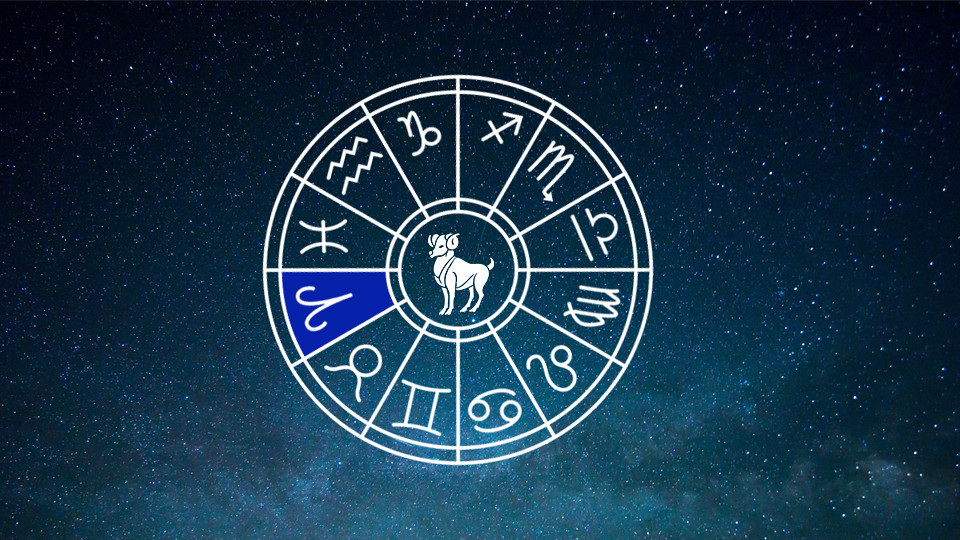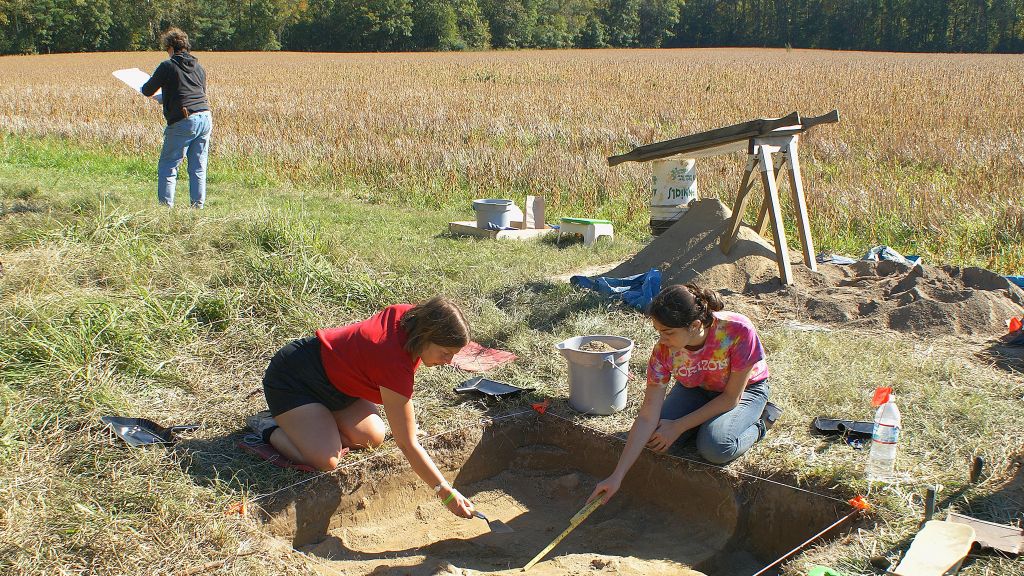
Picture the Stone Age for a second, not as a gray, dusty chapter in a textbook, but as a living world of crackling campfires, endless horizons, and paths no human feet had ever touched. In that harsh but wide‑open landscape, survival depended on courage, curiosity, and the willingness to walk toward the dark line of the forest instead of hiding from it. If we map modern zodiac archetypes onto that world, some signs stand out as the ones who would have picked up a torch, slung a fur pack over their shoulder, and said, “Let’s see what’s beyond that ridge.”
Of course, no one is claiming that people in the Stone Age knew or used the zodiac the way we do today. What we can do, though, is use the symbolic traits linked with each sign to imagine which personalities would have most naturally become trailblazers and wanderers. Think of this as a thought experiment that blends psychology, myth, and a bit of playful speculation. Let’s step back in time and see which five signs would have been first in line to explore unknown lands when the world itself felt brand new.
Aries: The Fearless Pathfinder at the Edge of the Campfire

Aries is associated with raw initiative, impulsive courage, and the urge to be first, and those traits translate almost perfectly into Stone Age exploration. If you imagine a group huddled around a campfire, Aries is the one getting restless while everyone else tells the same stories, eyeing the dark outline of the hills and wondering what is out there. In a world where no maps exist, you need someone willing to risk taking the first step, even without a clear plan, and that is very much the Aries archetype. It is not that Aries does not feel fear; it is that the thrill of doing something new often pierces through that fear like a spear through hide.
In practical terms, a Stone Age Aries‑type might have been the one to push the group to follow migrating herds over a distant pass or to cross a river just because the far bank looked promising. This kind of risk‑taking could easily be fatal, but it could also mean discovering a valley rich in game, clean water, or better shelter. I have noticed that modern Aries people often say yes to challenges before they have fully thought them through, and in a prehistoric setting that trait could sometimes be exactly what drove human expansion. You could almost see them as the human version of a spark jumping from one piece of tinder to the next, igniting new possibilities wherever they land.
Sagittarius: The Nomadic Philosopher Chasing the Horizon

If Aries is the first step, Sagittarius is the long road. Sagittarius is linked with wandering, learning from experience, and a restless search for meaning, which would all have been powerful engines for Stone Age travel. While others might have been satisfied with a reliable hunting ground, Sagittarius‑type personalities would have been haunted by the sense that there was always something more: different animals, different skies, different stories to gather. They are the ones who look at a mountain range and do not just see an obstacle but a question: what lies beyond?
In a prehistoric band, a Sagittarian explorer might have slowly become the person who knew the routes between seasonal camps, the patterns of stars over different regions, and the story of how each valley was found. There is a certain optimism baked into this sign, a belief that the next place could always be better or more interesting, and that mindset can keep people walking when others would turn back. I have a friend with strong Sagittarius placements who never takes the same route home if they can help it, and that same instinct, stretched back thousands of years, could easily have nudged whole groups into new territories. In that way, Sagittarius feels like the sign that would have turned migration into not just necessity, but almost a spiritual calling.
Gemini: The Curious Scout Mapping the Unknown with Stories

Gemini might not be the first sign you picture trudging across glaciers or dense forests, but curiosity is an incredibly powerful survival tool. Gemini energy is about gathering information, testing boundaries, and then sharing what they find, and that would have been vital in any Stone Age group exploring new environments. While a fiery sign might push forward on sheer will, a Gemini‑type scout would probably be the one darting ahead, checking different paths, and coming back with quick updates about what they saw. It is exploration through questions as much as through footsteps.
In a Stone Age context, this might look like someone fascinated by new plants, tracks, and landmarks, mentally building a map long before anything is carved into rock or drawn in ash. Gemini’s gift for communication would help the group remember which cave had the safe water, which ravine hid predators, and which direction the herd seemed to be moving each season. I sometimes think of Gemini as the social network of the ancient world, turning scattered experiences into shared knowledge that lets everyone range farther with less risk. Without this kind of flexible, information‑hungry mind, exploration would be a lot closer to blind wandering than to deliberate expansion.
Aquarius: The Visionary Outsider Redrawing the Edges of the World

Aquarius is tied to innovation, unconventional thinking, and a certain cool detachment from tradition, which makes it a natural candidate for pushing into new lands during the Stone Age. Where some signs might cling to proven routes or sacred sites, Aquarius‑type individuals are more likely to question why the group stays where it does and whether there might be a better way to live. That rebellious streak can be uncomfortable, but it also prevents societies from getting stuck in patterns that no longer serve them, especially when climates shift or resources dwindle. In an unforgiving landscape, someone willing to think differently can be the difference between decline and adaptation.
In a prehistoric band, an Aquarian explorer might have been the person who suggested following an odd migration pattern, or trying to settle near a risky but resource‑rich coastline, simply because they saw potential others missed. Their talent for seeing systems could also mean noticing how different terrains fit together, like rivers, plains, and mountains forming natural corridors for travel. From my own experience, people with strong Aquarius energy often seem strangely comfortable on the margins, in unfamiliar places, or among unfamiliar ideas, as if the unknown is their default setting. Project that back into the Stone Age, and you get a personality that might have gently – or not so gently – dragged the group over the invisible line of the known world.
Capricorn: The Relentless Trail‑Maker Turning Wilderness into Territory

Capricorn is usually associated with ambition, discipline, and long‑term thinking, which might sound corporate on the surface but is deeply primal at its core. In a Stone Age setting, that drive would show up as a willingness to endure harsh journeys, slow progress, and physical hardship in pursuit of a more secure future. While a sign like Aries might initiate an expedition, Capricorn often has the stamina to finish it, step by grinding step. They are the ones who keep going when the novelty wears off and the journey becomes all blisters, hunger, and cold wind.
Imagine a Capricorn‑type figure carefully establishing a more permanent route between two rich hunting grounds, learning how long each leg takes, where to rest, and how to store supplies along the way. Over time, that discipline turns random exploration into something closer to an early network of paths and seasonal habits, which is a quiet but powerful form of conquest. I have seen modern Capricorns stick with demanding projects for years after everyone else lost interest, and that same stubborn focus would have been priceless when crossing difficult terrain or relocating the group. If some signs are the spark and others the dream, Capricorn is the stone hammer, slow and steady, shaping the unknown into something that can be depended on.
Conclusion: Exploration as a Mirror of Human Nature

Thinking about the Stone Age through the lens of the zodiac is obviously speculative, but it highlights something very real about human nature: exploration has never been a single trait, but a collaboration between many kinds of minds. Aries brings raw bravery, Sagittarius brings wanderlust and meaning, Gemini brings information and maps, Aquarius brings radical ideas, and Capricorn brings endurance and structure. In my opinion, it is this mix – the risk‑taker, the seeker, the storyteller, the visionary, and the builder – that allowed our ancestors to step into lands no one had seen before and actually stay there. Take away any of these archetypal energies, and human expansion looks a lot more fragile.
We will probably never know exactly who led the first groups across vast plains or through mountain passes, but imagining these zodiac traits in that world reminds us that exploration is not just about distance; it is about personality. Some people are wired to stay, some to refine, and some to walk toward the place where the map runs out. Personally, I think we still carry those Stone Age impulses today every time we move to a new city, start an unconventional project, or even just choose the unknown over the familiar. If you had been born back then, would you have been guarding the fire – or following the stars?