There is something almost surreal about the idea that creatures dead for tens of millions of years might hold answers to some of the most urgent questions of our time. Dinosaurs are not just museum showpieces or children’s bedroom wallpaper. They lived through one of the most extraordinary climatic experiments Earth has ever run, and the planet kept meticulous records of every twist and turn along the way.
If you want to understand where our climate is heading, science is increasingly pointing you backward, deep into the Mesozoic Era, a stretch of time so ancient it makes human civilization look like a blink. What researchers are finding there is both fascinating and more than a little unsettling. Let’s dive in.
A World That Ran on Warmth
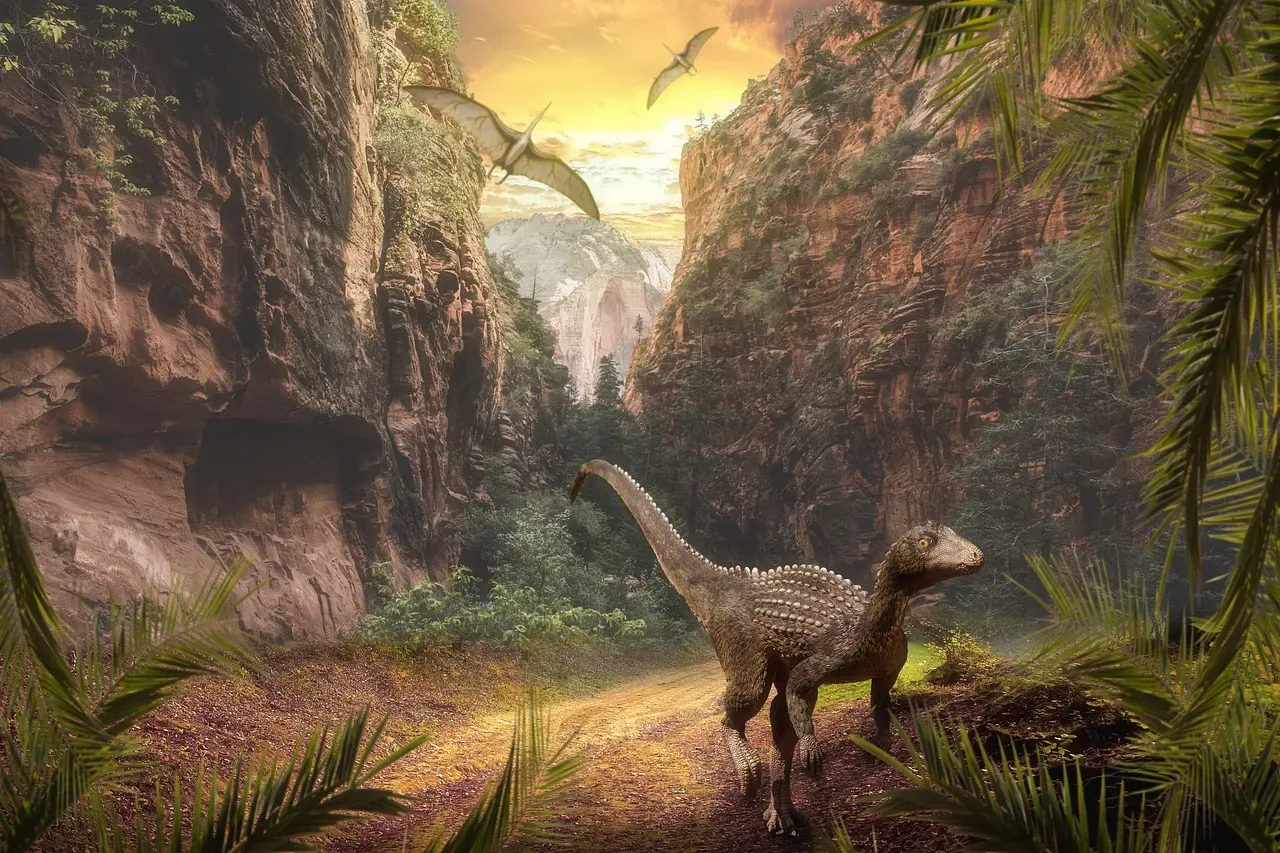
Imagine a planet with no polar ice caps. No icy Arctic. No frozen Antarctic. Just warm, lush land masses stretching almost to the poles, and seas roughly 200 meters higher than they are today. That was Earth during much of the dinosaur age, and it was not a fantasy. During the Cretaceous period some 100 million years ago, Earth was a greenhouse with no ice caps, and sea level was up to 200 meters higher than it is now, flooding large portions of continents and creating inland lakes and seas.
Earth’s climate during the Mesozoic Era was generally warm, and there was less difference in temperature between equatorial and polar latitudes than there is today. That detail is more important than it might sound. Today, our poles act like a giant refrigerator for the planet, regulating ocean currents and weather patterns. Understanding what happens when you switch that refrigerator off is precisely why scientists study this era with such intensity.
Dinosaur Teeth as Climate Time Capsules
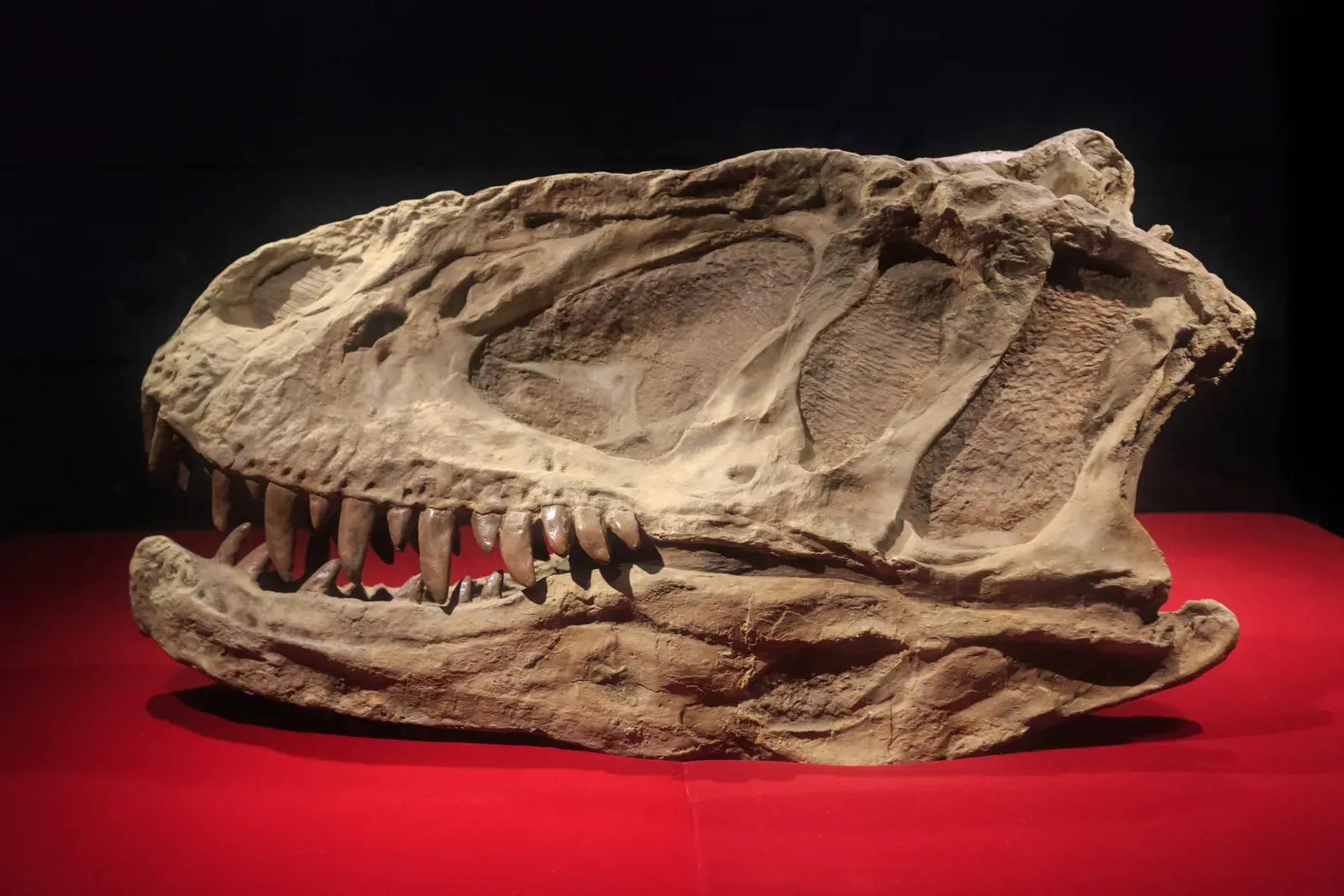
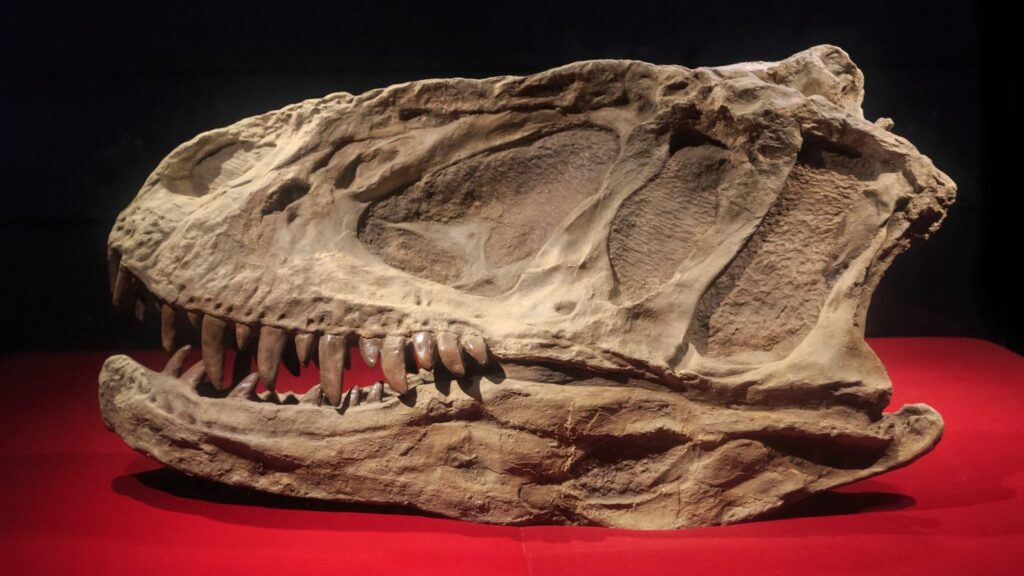
Here is something that will genuinely surprise you. The teeth of long-dead dinosaurs have become some of the most powerful tools we have for reconstructing ancient atmospheres. Researchers have inferred the prehistoric composition of Earth’s atmosphere during the Mesozoic Era by investigating dinosaur teeth. By breathing, dinosaurs absorbed oxygen from the atmosphere into their hard tissues, and that stored oxygen contains chemical clues that preserve conditions about the atmosphere at the time.
Researchers have reconstructed Mesozoic paleo-CO2 levels from the triple oxygen isotope composition of dinosaur teeth and obtained paleo-CO2 levels roughly two and a half to four times higher than preindustrial values. Think about that for a moment. You are reading the diary of the ancient atmosphere, one tooth at a time. Fossil tooth enamel can serve as a robust time capsule for ancient air oxygen isotope compositions, which gives scientists a window into a world that no human ever witnessed.
The Greenhouse Gas Experiment That Already Ran
You might have heard the argument that Earth survived high CO2 before, so why worry now? It is a fair starting point, but the answer is more complex, and honestly more alarming. Scientists have repeatedly found that during several periods of Earth’s history, organisms experienced radically higher concentrations of carbon dioxide and hotter average temperatures than today. However, that does not mean everything will be fine if we keep heating the planet by burning fossil fuels.
The critical difference is speed. Climate scientists warn that over the next century, the rate of change will be ten times faster than any climate pattern that unfolded in the last 65 million years. Think of it like boiling a frog. In the Mesozoic, the changes played out over millions of years, allowing life time to adapt. What is happening now is more like dropping that frog into already boiling water.
Volcanic Chaos and Ocean Oxygen Collapse
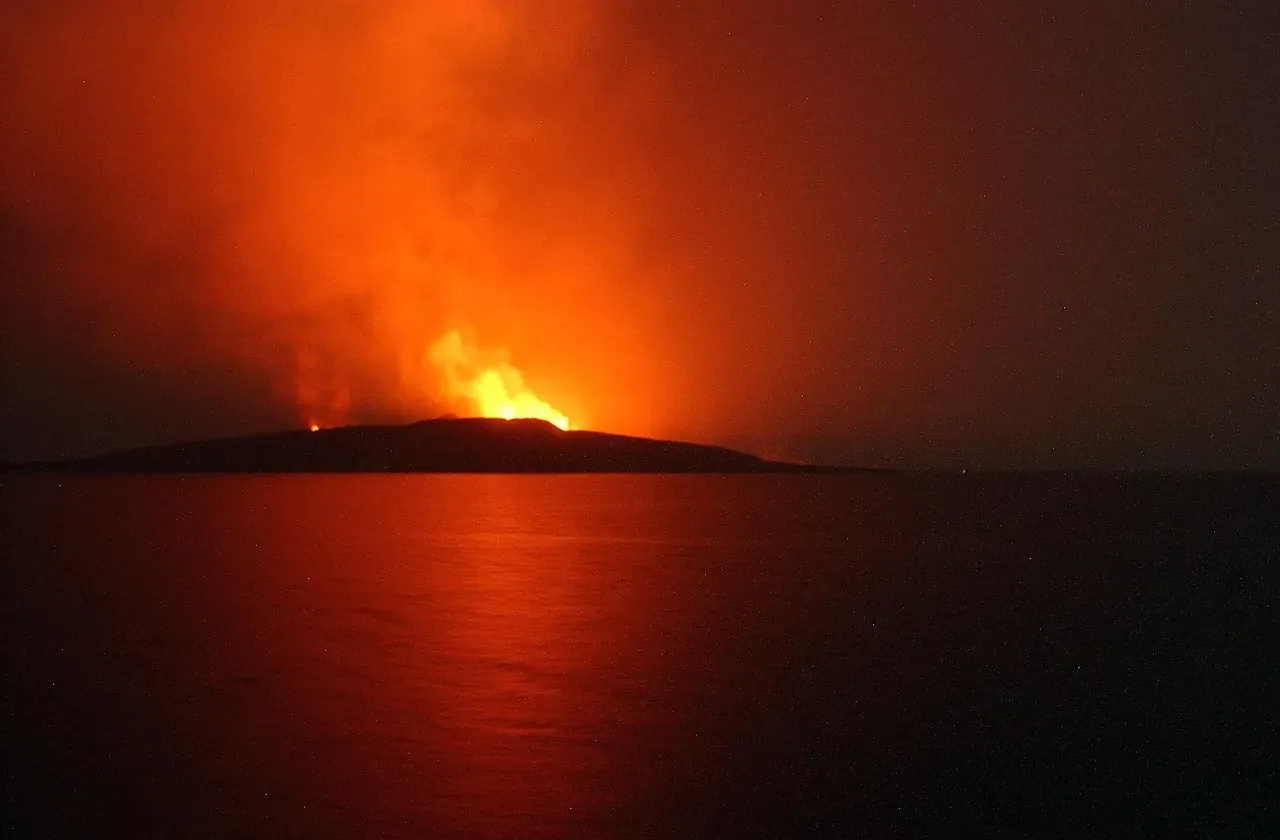
The Cretaceous was not just idyllic warmth and happy dinosaurs wandering through forests. It was also a period of extraordinary turmoil. In the Cretaceous period, Earth was plagued by widespread volcanic activity, oceanic oxygen depletion events, and mass extinctions. Fossils from that era remain and continue to give scientists clues as to what the climate may have looked like in different regions.
The unusually high carbon dioxide levels 202 million years ago resulted in ocean acidification and anoxia, or loss of oxygen underwater, and researchers identified these factors as the biggest drivers of a great mass extinction event. That word, anoxia, should catch your attention. Industrialization has raised the concentration of carbon dioxide in Earth’s atmosphere by half since 1770, posing a risk from ocean acidification to global biodiversity, including phytoplankton that synthesize approximately half of planetary oxygen. These are not just ancient problems. They are unfolding right now.
Sea Levels, Then and Now
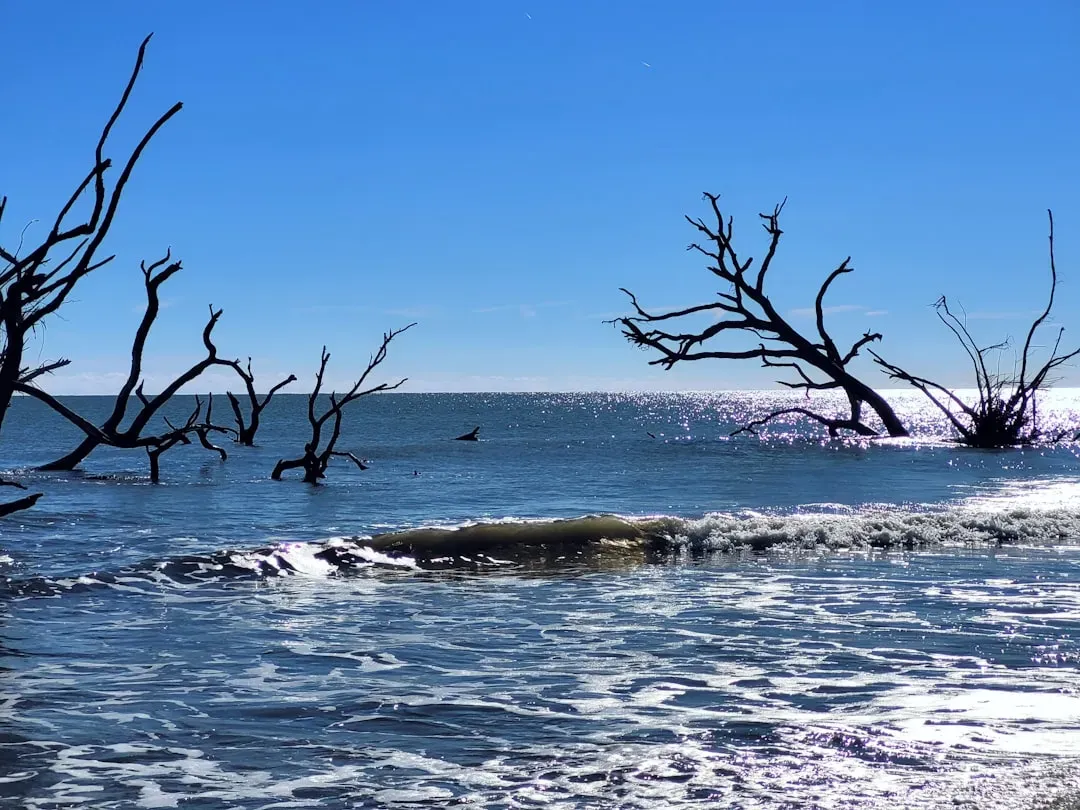
Greenhouse climate is attributed to elevated CO2 levels, with two to sixteen times the pre-industrial level, and pole-to-equator temperature gradients were reduced, with mostly relatively warm polar regions. Long-term sea level was high, roughly 170 to 250 meters above present sea level, mainly a result of rapid geological processes. Those numbers are staggering. Entire continents were submerged. Major inland seas covered what is now the American Midwest.
Global ice losses will likely continue with ongoing climate warming, culminating in an almost ice-free planet analogous to that which persisted throughout much of the Cretaceous. That sentence, from peer-reviewed science, is worth sitting with. On a pathway with high greenhouse gas emissions and rapid ice sheet collapse, models project that average sea level rise for the contiguous United States could be 2.2 meters by 2100 and 3.9 meters by 2150. The past is not just history. It is a preview.
Species Migration and Biodiversity Collapse
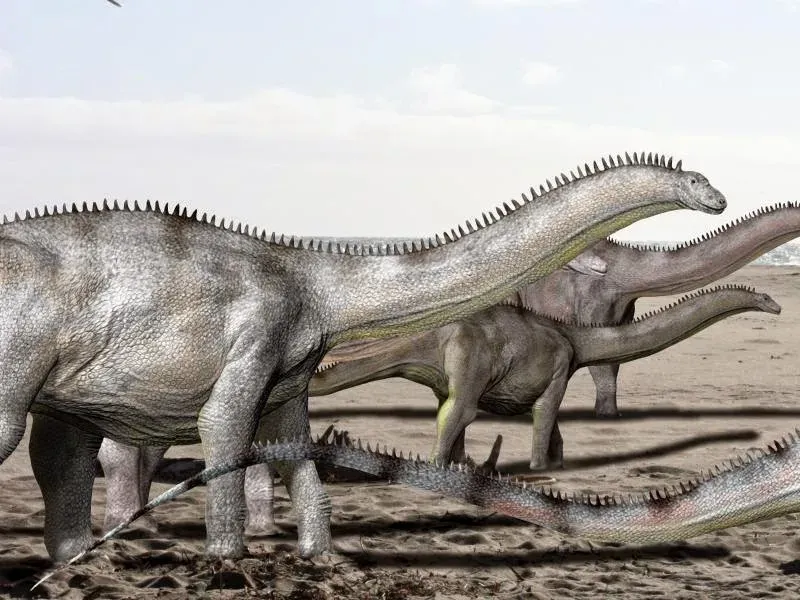
One of the most striking things you can learn from the dinosaur age is how species respond to a heating planet. They move. Or they die. Research on prehistoric creatures suggests that as global temperatures continue to rise, species will disperse towards the poles from equatorial regions. You are already watching this happen, with fish, birds, and insects shifting their habitats poleward in real time.
There was no peak in species biodiversity at any latitude in the aftermath of extreme warming events, which researchers attributed to high extinction rates near the equator due to extreme warming and ocean anoxia. Let’s be real: biodiversity collapse near the equator is not a distant theoretical risk. It is a pattern written into the fossil record repeatedly, and the tropics today are warming fast. Because of today’s rapid rate of warming, up to roughly one in seven of all plants and animals on land may face extinction in the coming decades.
What Drilling Through Ancient Rock Reveals
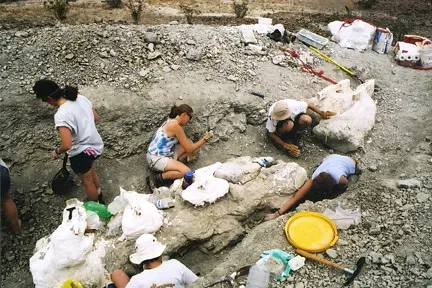
Scientists are not just theorizing about the dinosaur age from dusty museum specimens. They are actively drilling into ancient rock to pull out continuous climate records. A scientific drilling project in China retrieved a continuous history of conditions from Earth’s most recent greenhouse period that may offer insights about future climate scenarios. Think of these drill cores as the planet’s own black box recorder.
Scientists are asking what will happen if atmospheric CO2 levels reach 800 to 1,300 parts per million and the atmosphere warms as much as 5 degrees Celsius by 2100. The ensuing climate change would raise sea levels and could produce drastic shifts in the hydrologic cycle that would exacerbate hazards like drought, floods, fire, and extreme temperatures, all of which could severely affect ecosystems and humans around the world. That scenario is not science fiction. It is a plausible trajectory for unabated emissions. The Cretaceous already showed us a version of it.
The Speed Problem: Ancient Changes vs. What We Are Doing Now
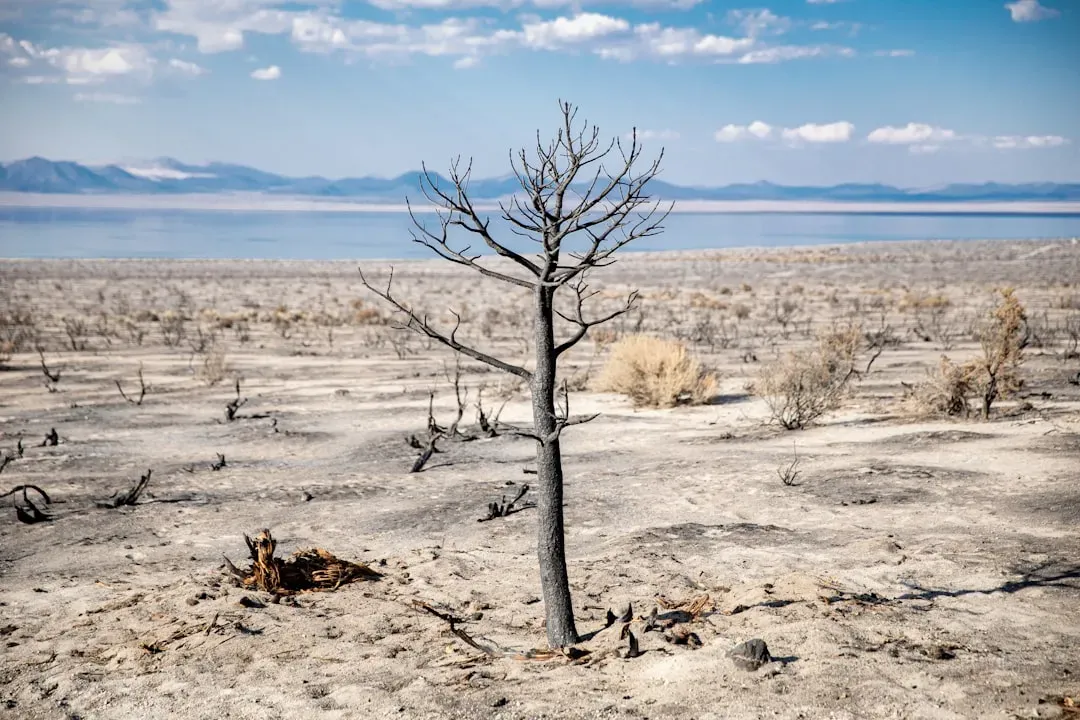
Here is the thing that keeps climate scientists awake at night. The Mesozoic transformations were dramatic, but they unfolded over geological timescales. Fluctuations in atmospheric carbon dioxide produced warm and cool anomalies in global mean temperature, and researchers note that this finding does not mean that human-induced global warming should be ignored, because modern climate change is happening much faster than changes in Earth’s history.
Understanding how the Earth responded to past extreme warming and CO2 input can help prepare us for how the planet will respond to current, human-caused climate change. That is the core argument for studying the Age of Dinosaurs so intensely. It is not nostalgia. It is not entertainment. Researchers say that understanding how the Earth responded to past extreme warming and CO2 input can help prepare for the planet’s response to current, human-caused climate change, noting that ancient ocean acidification events are good analogs for what is happening now with anthropogenic CO2 emissions. The dinosaur age is Earth’s own laboratory report.
Conclusion: The Past Is Talking. Are You Listening?
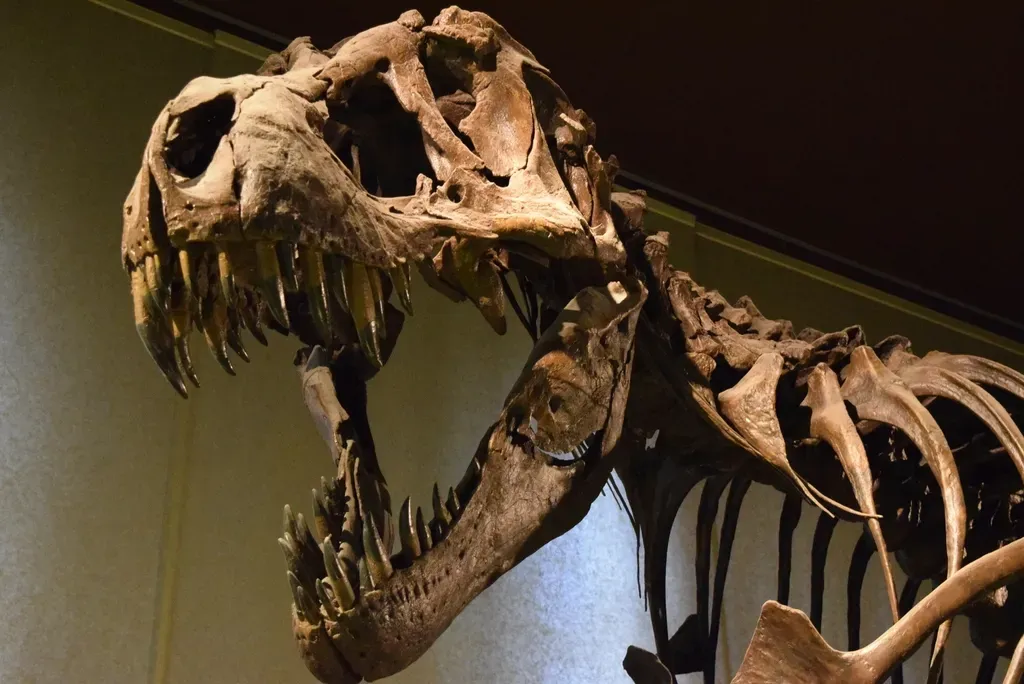
There is a strange humility in realizing that a world defined by 40-ton sauropods and 15-meter predators may have more to teach us than decades of modern observation. Every fossilized tooth, every drilled core, every cracked ancient eggshell is part of a message the planet has been waiting 66 million years for someone to read.
The science is increasingly clear: the Mesozoic Era is not a curiosity. It is a warning, a roadmap, and a mirror held up to our own moment. You do not need to be a paleontologist to feel the weight of what it shows. You just need to look at the numbers and ask yourself whether the story of the dinosaurs ends where you think it does. Or whether, in the most important ways, it is still being written.
What do you think the world will look like in 100 years? Tell us in the comments.