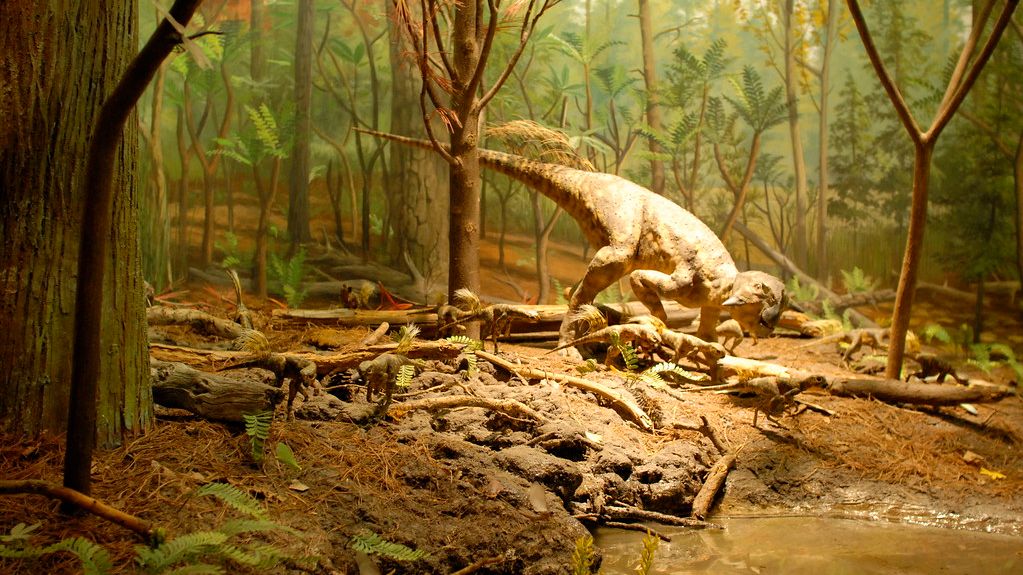
When you picture dinosaurs, what comes to mind? Giant lizards lumbering through swamps, roaring at each other with empty, reptilian eyes? Maybe you see solitary beasts wandering prehistoric landscapes, driven purely by instinct and hunger. For generations, this was exactly how we understood them. Simple creatures. Primitive killing machines. Cold blooded reptiles that happened to grow extraordinarily large.
Turns out we had it all wrong. Scientists are uncovering evidence that paints a radically different portrait of these ancient rulers, one that challenges nearly everything we thought we knew about their lives, minds, and societies. The truth is far stranger, more beautiful, and infinitely more complex than the monsters we invented in our imaginations. Ready to see dinosaurs as they really were? Let’s dive in.
Social Architects of the Mesozoic World
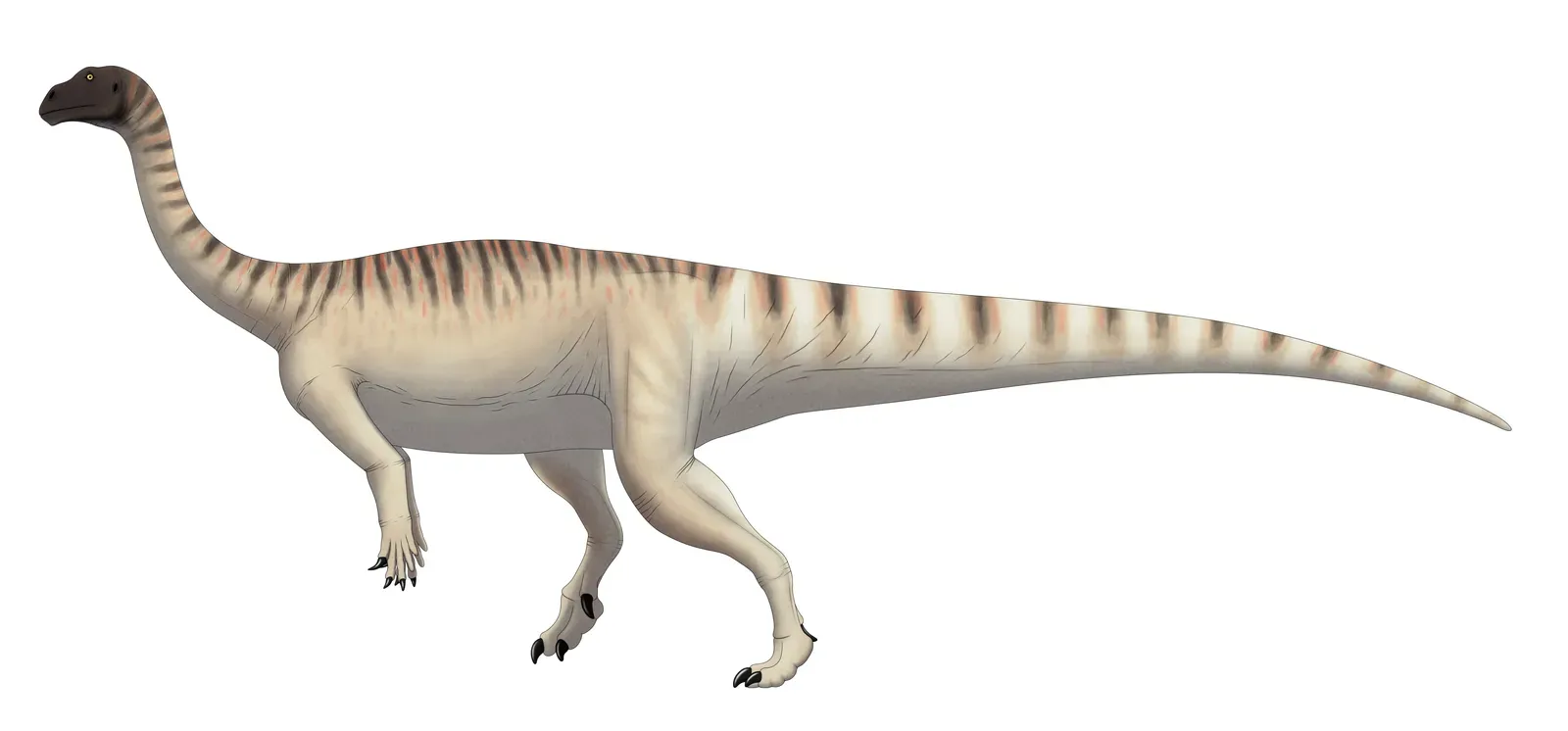
Complex social behaviors existed among dinosaurs as early as 193 million years ago, pushing back the timeline by at least 40 million years from previous records. Excavations in southern Patagonia have revealed more than 100 dinosaur eggs and the partial skeletons of 80 juvenile and adult Mussaurus patagonicus dinosaurs, confirmed using X-ray tomography imaging to examine preserved embryos within the eggs.
What makes this discovery absolutely fascinating is the segregation pattern. Dinosaur eggs and hatchlings were found in one area, while skeletons of juveniles were grouped in a nearby location, and remains of adult dinosaurs were found alone or in pairs throughout the field site. This wasn’t random. The dinosaurs likely worked as a community, laying their eggs in a common nesting ground, with juveniles congregating in “schools” while adults roamed and foraged for the herd, suggesting adults shared and took part in raising the whole community.
Emotional Lives Hidden in Stone
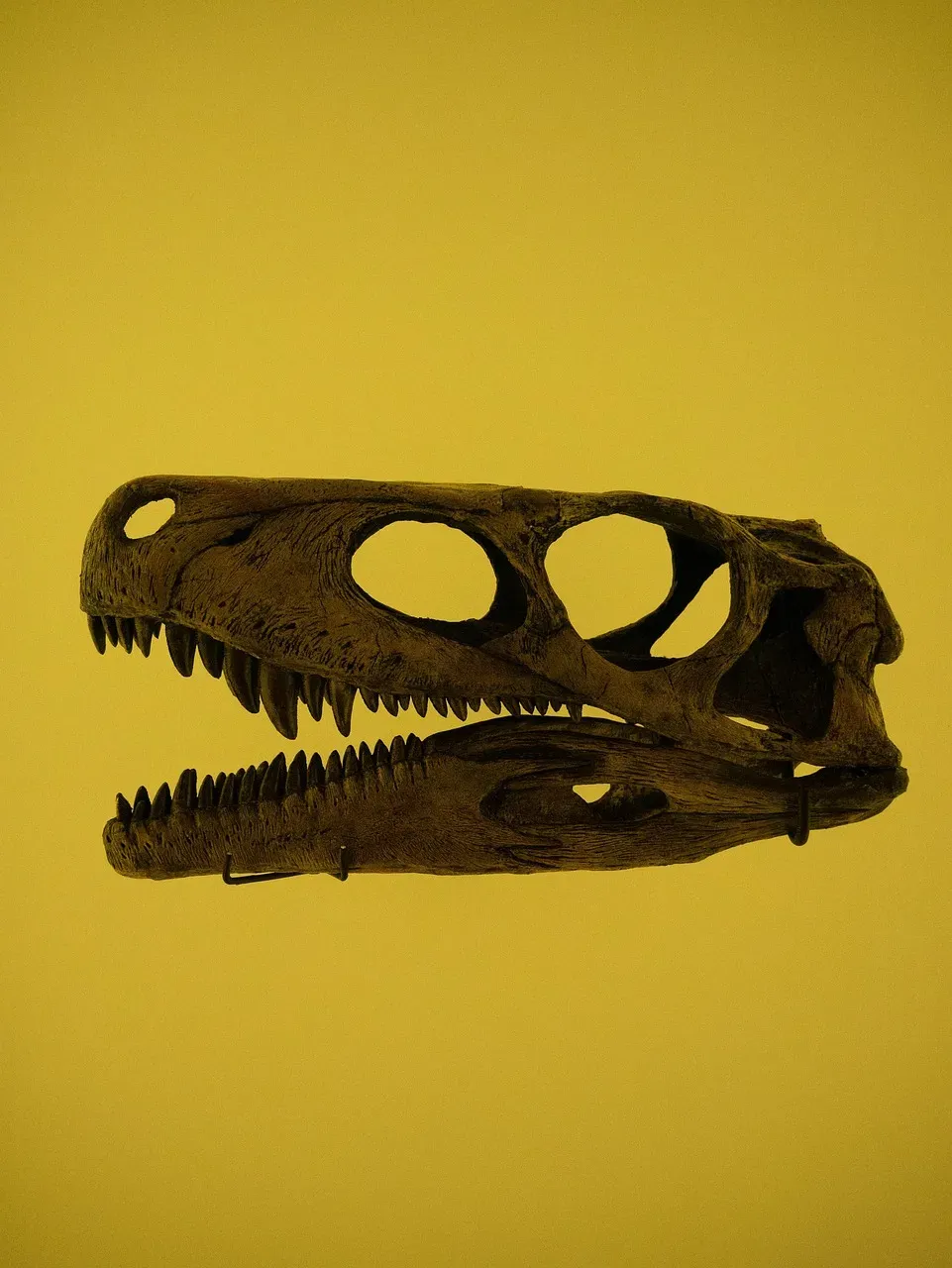
Let’s be real here. Could dinosaurs actually feel emotions like fear, affection, or grief? It sounds crazy at first. Yet the evidence keeps mounting that these weren’t just biological automatons stomping through ancient forests. As we piece together evidence from bone beds, trackways, and brain cases, a more nuanced picture emerges of dinosaurs as potentially social creatures with richer inner lives than previously imagined.
The elaborate cranial crests, frills, and display structures found in many dinosaur species suggest they communicated visually with conspecifics, potentially including emotional signaling, with the hollow crests of lambeosaurines like Parasaurolophus capable of producing resonant calls for long-distance communication. Think about what that really means. These animals invested enormous energy into structures specifically designed for communication and social display. That’s not the behavior of mindless beasts.
The Intelligence Debate That Changes Everything
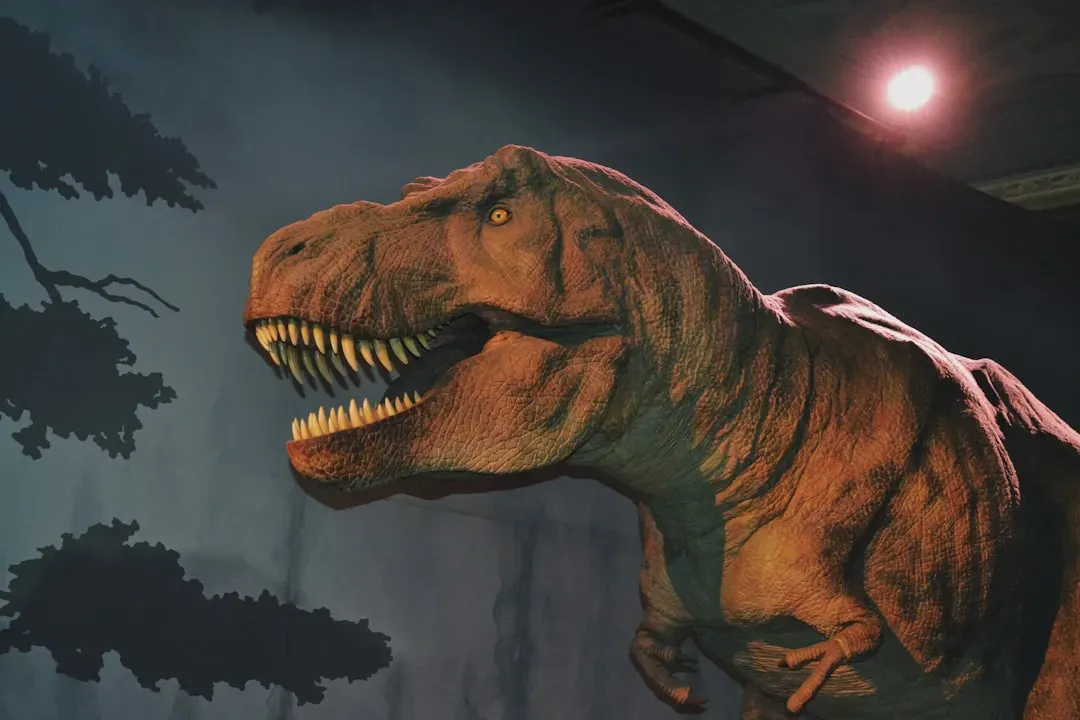
Here’s where things get properly controversial. How smart were dinosaurs, really? An international team of palaeontologists, behavioural scientists and neurologists have re-examined brain size and structure in dinosaurs and concluded they behaved more like crocodiles and lizards. Recent research suggests they were more like smart giant crocodiles, which honestly is still pretty impressive when you stop to think about it.
Research found that their brain size had been overestimated, especially that of the forebrain, and thus neuron counts as well, and that neuron count estimates are not a reliable guide to intelligence. Still, don’t mistake this for calling dinosaurs stupid. Modern crocodilians display surprisingly sophisticated behaviors, including maternal care and complex communication. What is clear from research is that dinosaurs were among the most complex and intelligent animals in the Mesozoic and their ancestors, the birds, have evolved into some of the most intelligent animals in the modern world.
Parenting Skills That Rival Modern Birds
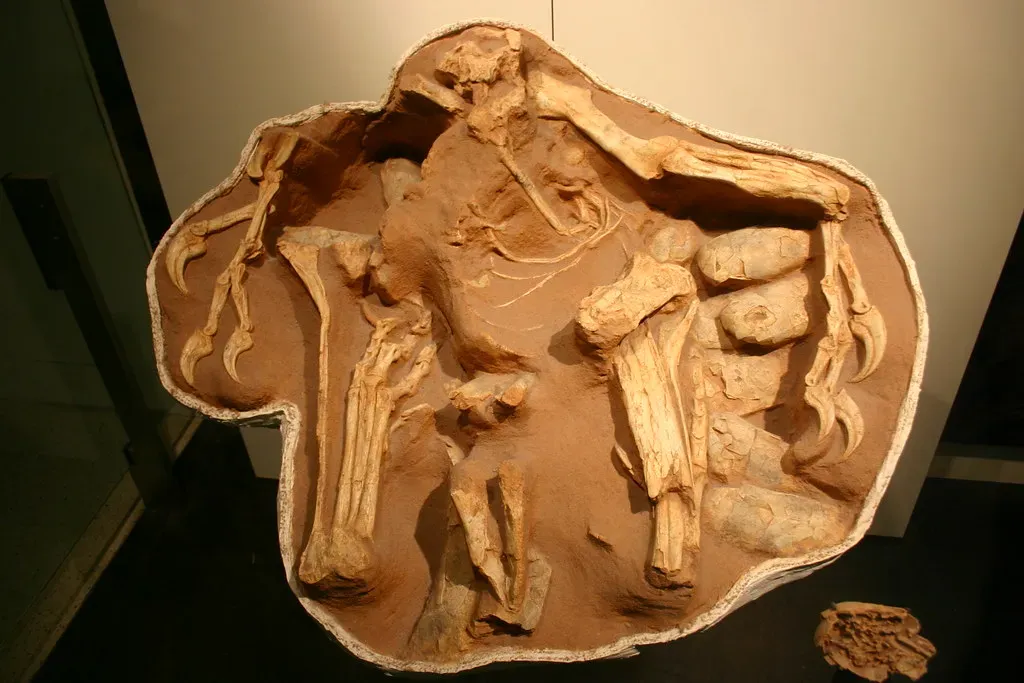
Perhaps nothing shatters the old dinosaur stereotypes more dramatically than discoveries about parental care. Multiple fossilized nests show adult dinosaurs died while brooding their eggs, suggesting dedication to offspring protection, with the Mongolian oviraptorid Citipati osmolskae discovered in a brooding position atop its nest, having apparently died protecting its eggs during a sandstorm.
Scientists know from previous finds that oviraptorids laid two eggs at a time in a clutch of 30 or more, which means that the mother would have to stay with or at least return to the nest, lay her pair of eggs, arrange them carefully in the circle, and bury them appropriately every day for two weeks to a month. That level of commitment demands patience, planning, and dedication. The duck-billed Maiasaura is believed to have nested in colonies and provided extensive food and protection for its hatchlings, while Oviraptorids like the Citipati osmolskae or “Big Mama” have been found brooding on their nests, indicating protective behavior.
Ecosystems More Diverse Than Modern Rainforests
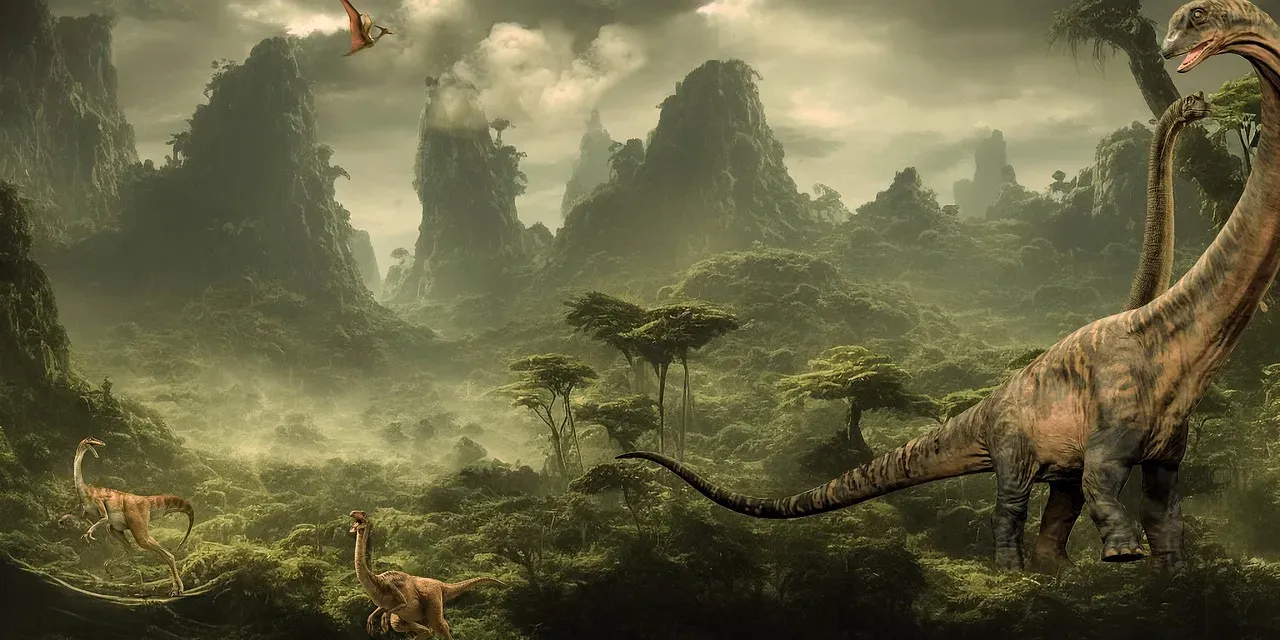
Dinosaurs thrived for over 160 million years in Mesozoic ecosystems, displaying diverse ecological and evolutionary adaptations, with their ecology shaped by large-scale climatic and biogeographic changes. Let that sink in for a moment. One hundred and sixty million years. Humans have been around for roughly 300,000 years by comparison.
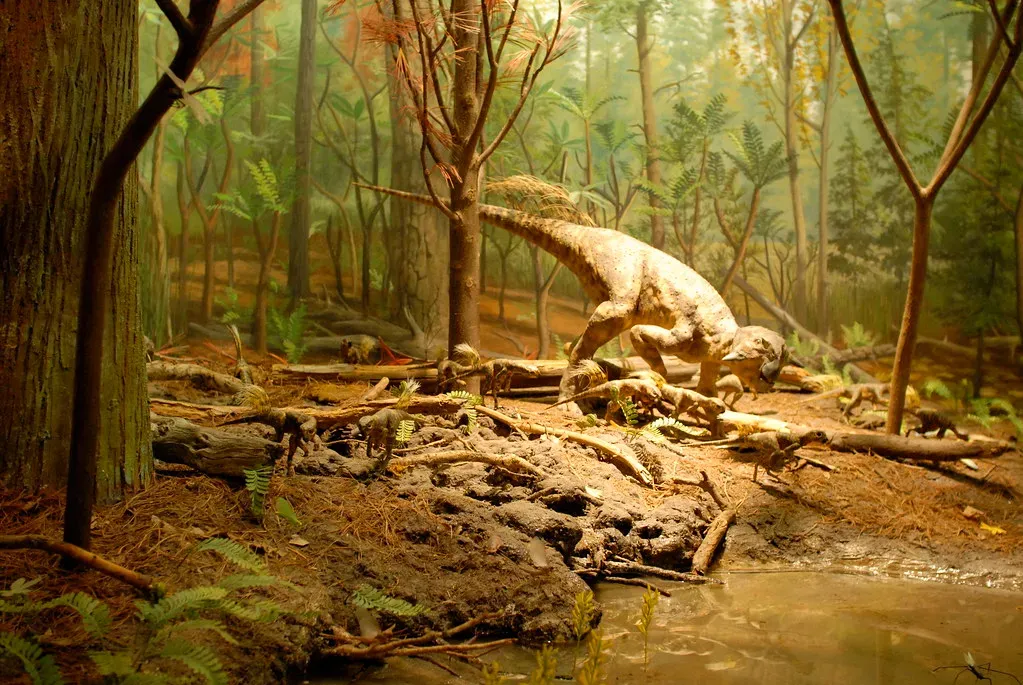
Mesozoic primary productivity included cycadophytes, gymnosperms, ferns, horsetails and ginkgoes, likely representing the main food source for herbivorous dinosaurs, with sauropods likely relying on plants providing substantial biomass and rapidly regenerating foliage like conifers and ginkgoes, and the distribution of plant biomes influencing herbivorous dinosaur distribution and diversity across different latitudes. These weren’t simple food webs. They were intricate, interconnected systems where dinosaurs filled every imaginable ecological niche.
The Feathered Revolution
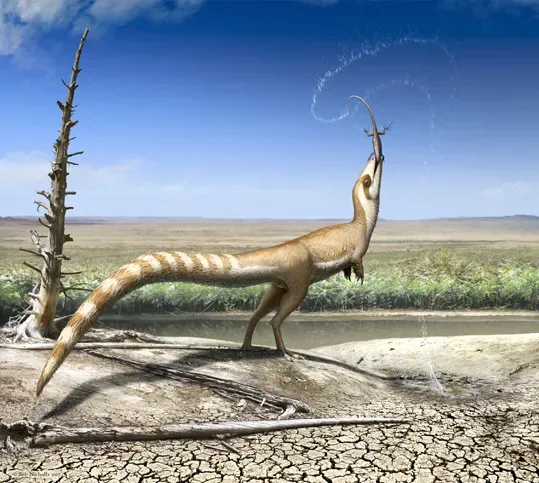
A feathered dinosaur is any species of dinosaur possessing feathers, including all species of birds, and in recent decades, evidence has accumulated that many non-avian dinosaur species also possessed feathers or feather-like structures in some shape or form, though the extent to which feathers or feather-like structures were present in dinosaurs as a whole is a subject of ongoing debate and research. Honestly, I think feathered dinosaurs are one of the most spectacular scientific revelations of the past few decades.
The discoveries at Liaoning have been a host of feathered dinosaur fossils, with a steady stream of new finds filling in the picture of the dinosaur–bird connection and adding more to theories of the evolutionary development of feathers and flight. The gradual evolutionary change from fast-running, ground-dwelling, bipedal theropods to small, winged, flying birds probably started about 160 million years ago, possibly due to a move by some small theropods into trees in search of either food or protection. The transformation wasn’t sudden or magical. It unfolded across millions of years in tiny incremental steps.
Communication Beyond Our Wildest Dreams
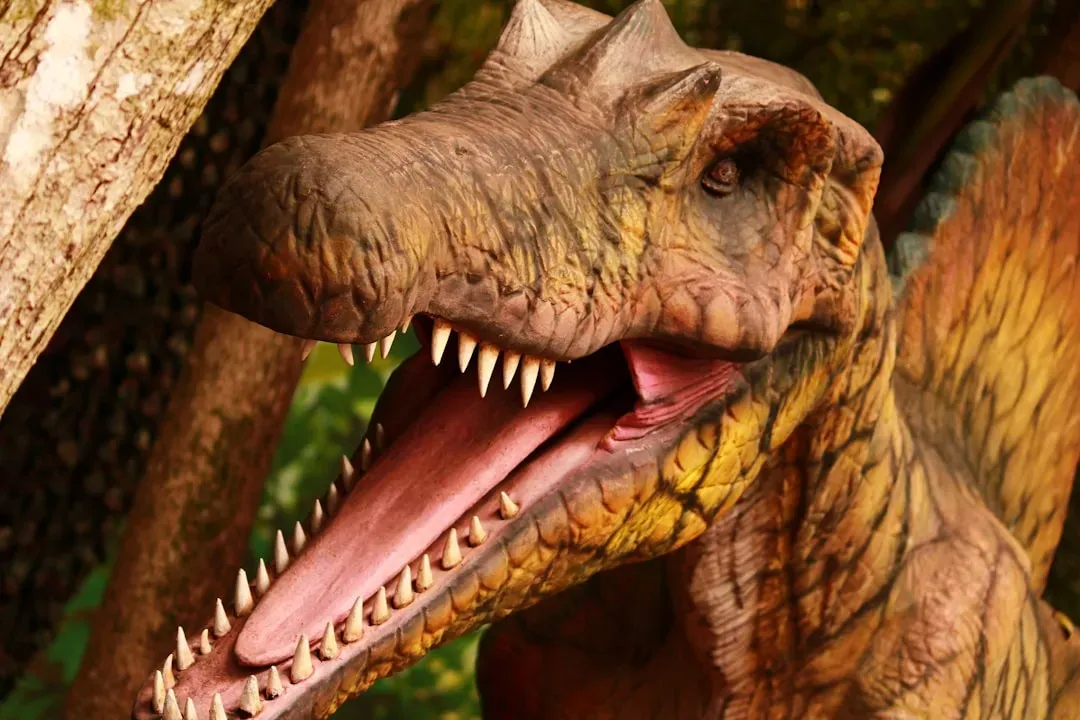
The discovery of specialized anatomical structures, such as the complex nasal passages and vocal cords of certain dinosaur species, suggests that they possessed the capacity for a diverse range of vocalizations, which could have ranged from territorial calls and mating displays to more nuanced forms of communication within their social groups. Close your eyes and imagine the soundscape of the Cretaceous. It wasn’t silent.
Fossilized larynxes or voice boxes have been identified in two dinosaurs, the ankylosaurid Pinacosaurus and the neornithischian Pulaosaurus, the structures of which suggest that dinosaurs were capable of complex bird-like vocalizations, with a 2016 study concluding that some dinosaurs may have produced closed-mouth vocalizations, such as cooing, hooting, and booming. Picture herds communicating across vast distances, parents calling to their young, rivals establishing dominance through elaborate vocal displays. The prehistoric world was alive with sound and meaning.
Rethinking Everything We Thought We Knew
In the last four decades, there has been an exponential increase in dinosaur studies, with new species described at an average rate of two per week, and this constant update continuously challenges our understanding of dinosaur palaeobiology and Mesozoic ecosystems. Two new species every single week. That’s not just impressive, it’s transformative.
Each discovery forces us to revise, refine, and sometimes completely overturn our understanding. The simple narrative of dumb reptiles waiting around to go extinct no longer holds water. These were sophisticated, adapted, successful organisms that dominated Earth for an almost incomprehensible stretch of time. They evolved complex social structures, devoted parenting strategies, diverse communication methods, and occupied ecosystems of staggering complexity. Some even took to the skies and never came back down, continuing their lineage as the birds we see today.
The Age of Reptiles wasn’t an era of primitive monsters. It was a golden age of biological experimentation, evolutionary innovation, and ecological diversity that puts our modern world to shame in many ways. Dinosaurs weren’t waiting to be replaced by mammals. They were thriving, evolving, adapting, and succeeding on levels we’re only beginning to appreciate. Did you expect that? What surprises you most about these ancient creatures? Tell us in the comments below.