Think about a world where giants roamed freely, where creatures the size of buildings grazed on treetops, and predators with teeth like steak knives stalked prey across vast plains. This wasn’t fantasy. This was Earth for over one hundred and sixty million years.
Dinosaurs became the dominant terrestrial vertebrates in the Late Triassic or Early Jurassic, and from that moment forward, they didn’t just exist – they thrived. They conquered forests, plains, mountains, and coastlines. They adapted to extreme cold and blistering heat. Some developed armor like tanks, others evolved hollow bones for agility, and a few even took their first tentative steps toward flight.
These organisms diversified into a remarkable array of ecological niches, evolving diverse dietary preferences and occupying a broad spectrum of body sizes, which allowed them to dominate nearly every available habitat on land. Let’s explore how these ancient reptiles became the most successful land animals in Earth’s history.
Rising from Catastrophe: The Post-Extinction Opportunity
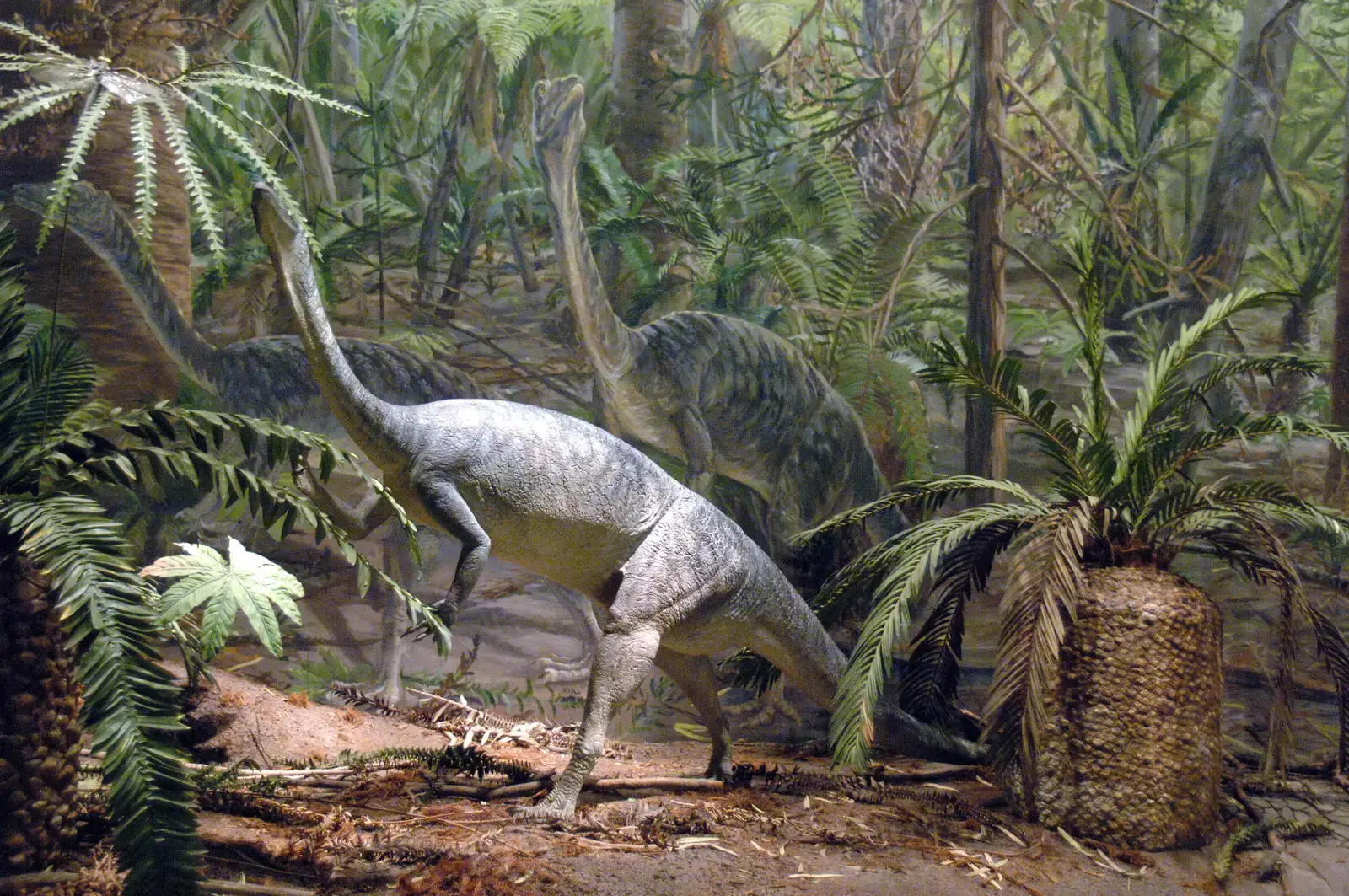
The extinction of the large herbivorous pareiasaurs and carnivorous gorgonopsians left those ecological niches empty, and it took much longer for the reestablishment of complex ecosystems with high biodiversity. Picture the aftermath as nature’s blank canvas. The Permian extinction had wiped out nearly everything, creating an unprecedented opportunity for survivors.
A second chance was given to the less dominant species, and the world was once again ripe for the opportunists, such as the utterly remarkable dinosaurs. Early dinosaurs weren’t impressive giants. They were small, quick bipedal creatures, no bigger than dogs, scurrying through a recovering world. Yet they possessed something special: legs positioned directly beneath their bodies rather than sprawling out to the sides.
This upright posture gave them an incredible advantage. They had straight back legs, perpendicular to their bodies, which allowed them to use less energy to move than other reptiles that had a sprawling stance, and their weight was also better supported. It’s hard to say for sure, but this seemingly small anatomical detail may have been the key that unlocked their future dominance.
Masters of Every Diet: From Leaves to Flesh
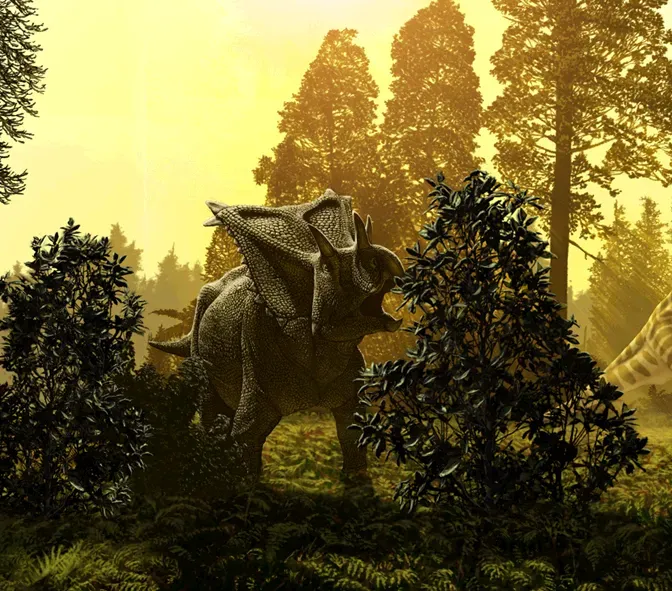
Extinct dinosaurs, as well as modern birds, include genera that are herbivorous and others carnivorous, including seed-eaters, fish-eaters, insectivores, and omnivores. Dinosaurs weren’t picky eaters – they evolved to consume virtually everything edible on the planet.
The herbivores became nature’s lawnmowers and forest pruners. It is believed there were many more herbivorous dinosaurs than those that were carnivores; about roughly two-thirds of dinosaurs were herbivores. These plant-eaters developed specialized teeth for grinding tough vegetation, enormous guts for fermenting plant matter, and some even swallowed stones to help digest fibrous meals.
Carnivores, meanwhile, perfected the art of killing. Their jaws were powerful, equipped with sharp, backward-curved teeth for tearing flesh. Then there were the omnivores, dietary opportunists that could switch between plants and small animals depending on what the environment offered. This flexibility allowed them to adapt to different environments and survive in conditions where food resources could be limited.
This dietary diversity meant dinosaurs could exploit every food source available. They competed with each other, sure, but they also filled so many different feeding niches that they rarely stepped on each other’s toes.
Size Matters: From Sparrows to Skyscrapers
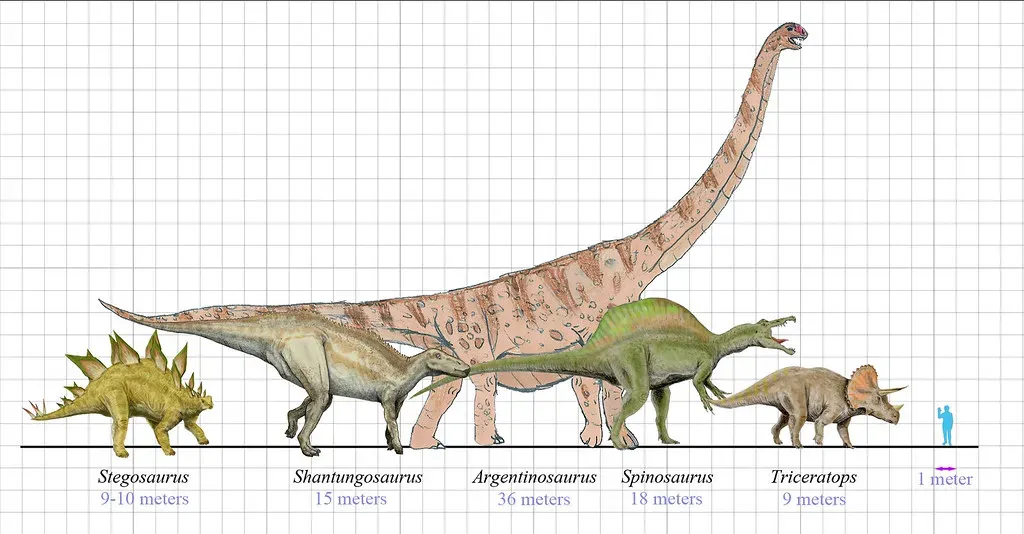
Although the best-known genera are remarkable for their large size, many Mesozoic dinosaurs were human-sized or smaller. Let’s be real – when you picture dinosaurs, you probably imagine towering sauropods or massive tyrannosaurs. Those existed, absolutely. Some sauropods stretched longer than three school buses end-to-end.
Yet the size range was astonishing. The smallest dinosaurs weighed less than a modern chicken. Anchiornis huxleyi is currently the smallest non-avialan dinosaur described from an adult specimen, with an estimated weight of roughly three to four ounces and a total skeletal length of about one foot. You could literally hold one in your hand.
This incredible size diversity allowed dinosaurs to exploit different ecological roles simultaneously. Small species hunted insects and scurried through underbrush. Medium-sized ones prowled for larger prey or browsed mid-level vegetation. Giants stripped leaves from the tallest trees and needed massive quantities of food daily to fuel their enormous bodies. The hot-blooded giant sauropods were herbivores, and it would take a lot of plant matter to feed this metabolic system, and they had very efficient digestive systems.
Temperature Control: The Warm-Blooded Revolution
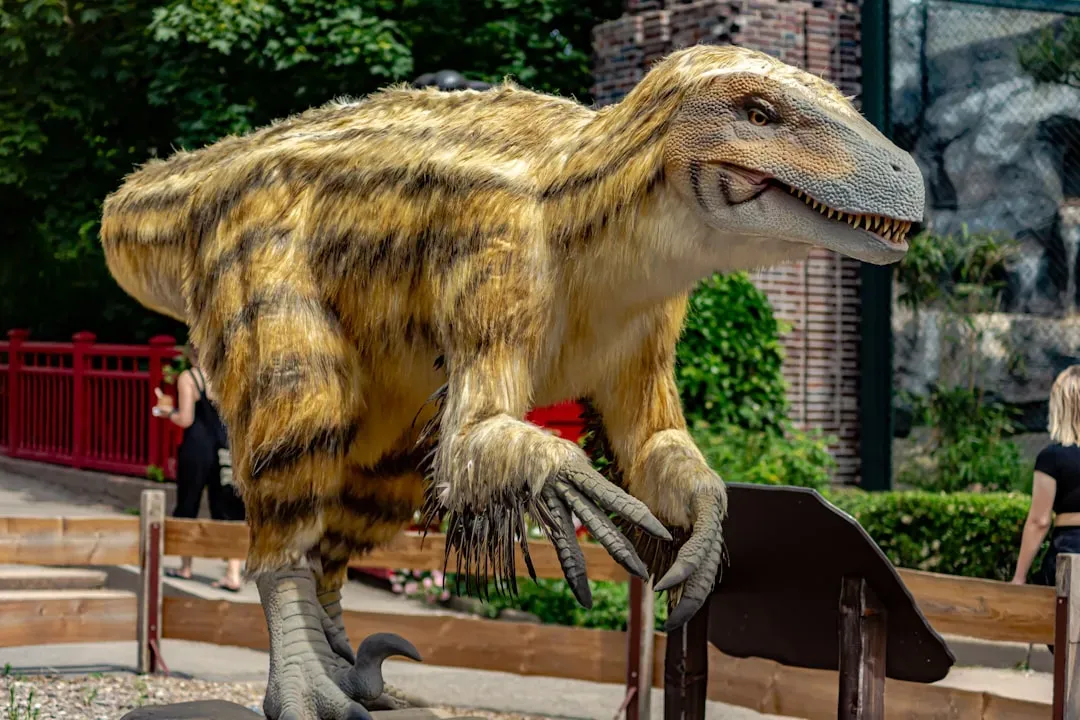
Here’s where it gets interesting. Today, it is generally thought that many or perhaps all dinosaurs had higher metabolic rates than living reptiles, and while smaller dinosaurs may have been true endotherms, the larger forms could have been inertial homeotherms. In simpler terms, many dinosaurs weren’t sluggish, sun-basking lizards – they were active, energetic animals.
The hot-blooded dinosaurs would have been more active and would have needed to eat a lot, and theropod dinosaurs developed high metabolisms even before some of their members evolved flight. This metabolic advantage meant they could hunt actively, migrate long distances, and remain vigorous even when temperatures dropped.
Honestly, the metabolic debate isn’t fully settled. Different dinosaur groups likely had different strategies. Some cold-blooded species probably existed alongside warm-blooded relatives, each adapted to their specific lifestyle and environment. Different groups evolved different metabolisms and thermoregulatory regimes, and some developed different physiologies from the first dinosaurs.
Breathing Like Birds: The Respiratory Advantage
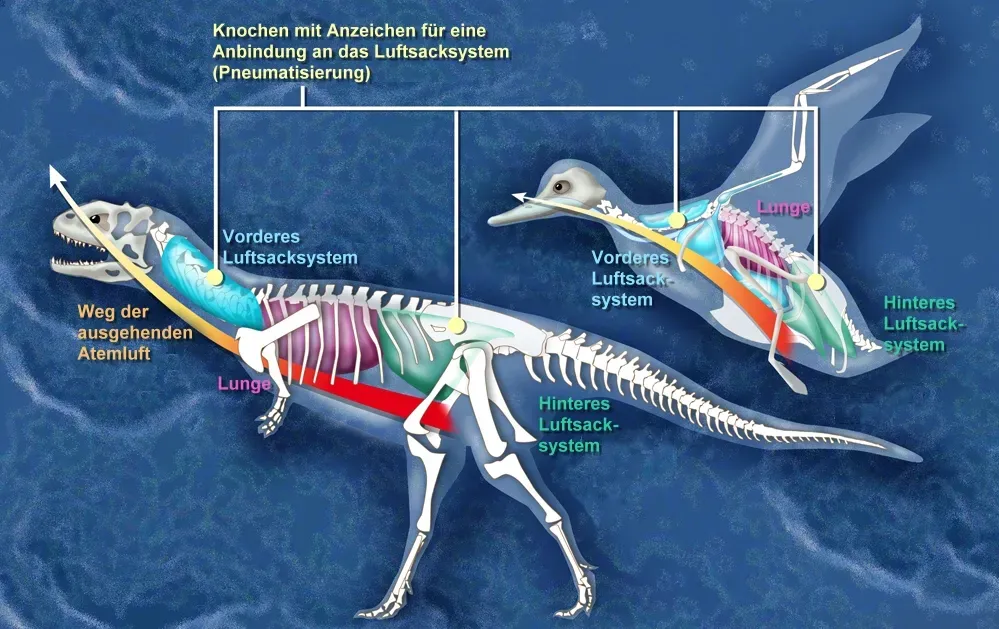
Skeletal stature and nutrient foramen size in fossil femora provide direct evidence of a high arterial blood pressure, a large four-chambered heart, a high aerobic metabolic rate, and intense locomotion. Dinosaurs evolved sophisticated respiratory systems that gave them incredible endurance and efficiency.
Many dinosaurs developed air sacs similar to modern birds, which created a unidirectional flow of air through their lungs. This meant fresh oxygen continuously flowed through their respiratory system, not just in and out like our lungs. The efficiency was remarkable – they could extract more oxygen from each breath than mammals could.
This respiratory innovation had cascading effects. It supported higher activity levels, allowed for sustained running or hunting, and even contributed to their ability to grow to enormous sizes without suffocating under their own weight. Tall blood columns are consistent with high metabolic rates of endothermic dinosaurs, and small dinosaurs probably had high blood pressure too, just as birds do today.
Adapting to Every Climate: From Arctic Winters to Desert Heat
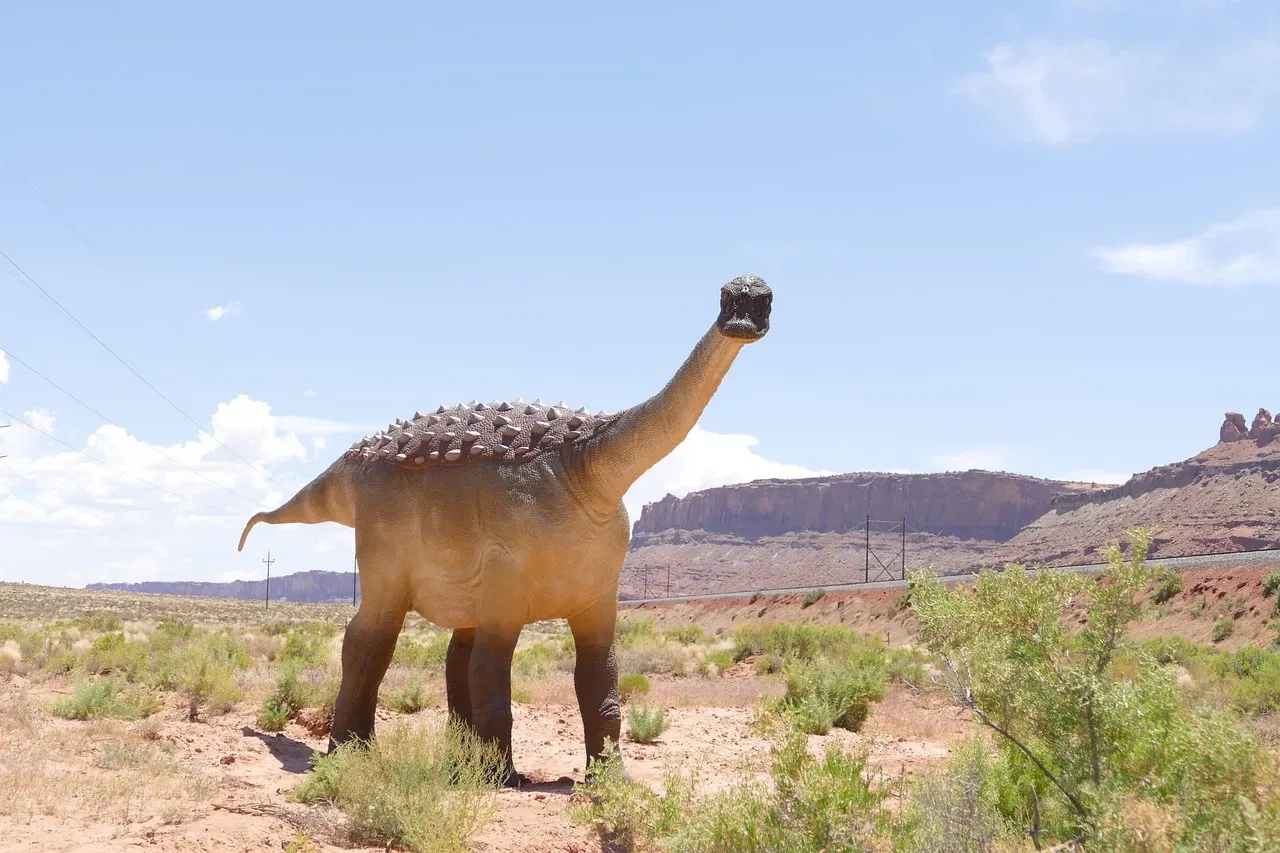
Scientists now believe that dinosaurs flourished in a wide range of habitats, from the frozen Arctic to the sweltering desert. This adaptability was staggering. Dinosaurs weren’t confined to tropical jungles as early scientists assumed – they conquered virtually every terrestrial environment Earth offered.
Examination of dinosaur footprints and sediments in the Arctic region supports the theory that dinosaurs lived in polar regions, and the presence of feathers and their ability to withstand freezing conditions suggest that dinosaurs were cold-adapted animals. Some species evolved feather-like insulation to survive brutal winters. Others developed behavioral strategies, possibly migrating seasonally or adjusting their activity patterns.
Late Triassic sauropodomorph dinosaurs occupied a more restricted climatic niche space than other tetrapods and dinosaurs, being excluded from the hottest, low-latitude climate zones, and a subsequent expansion of sauropodomorph geographic distribution is linked to the expansion of their preferred climatic conditions. Different groups conquered different climate zones. Some thrived in hot, dry environments while others preferred cooler, wetter regions.
Beyond the Land: Related Reptiles Rule Air and Sea
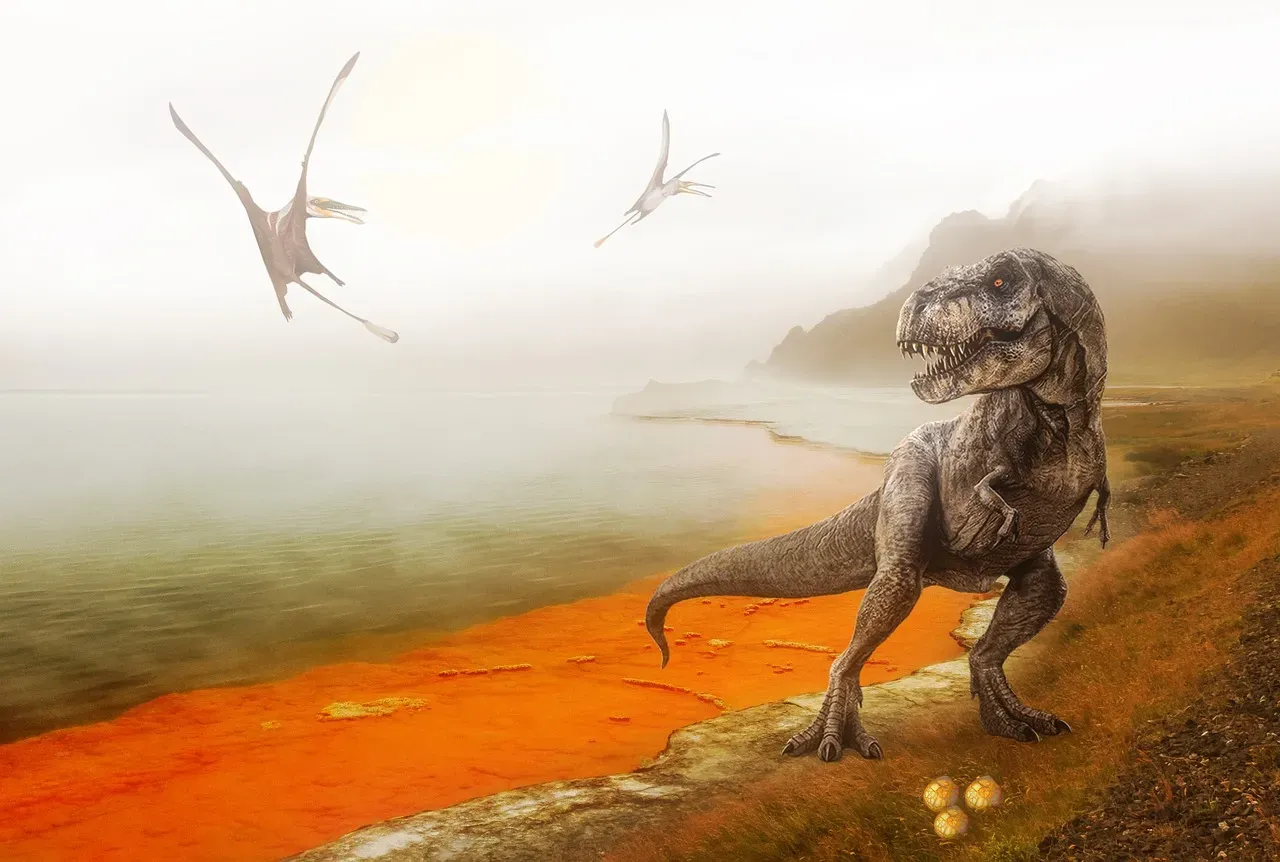
Not all reptiles of the Mesozoic were dinosaurs – there was a diversity of reptiles on land, and also in the sea and in the air. While dinosaurs dominated terrestrial ecosystems, their relatives conquered the skies and oceans, creating a reptilian monopoly across all environments.
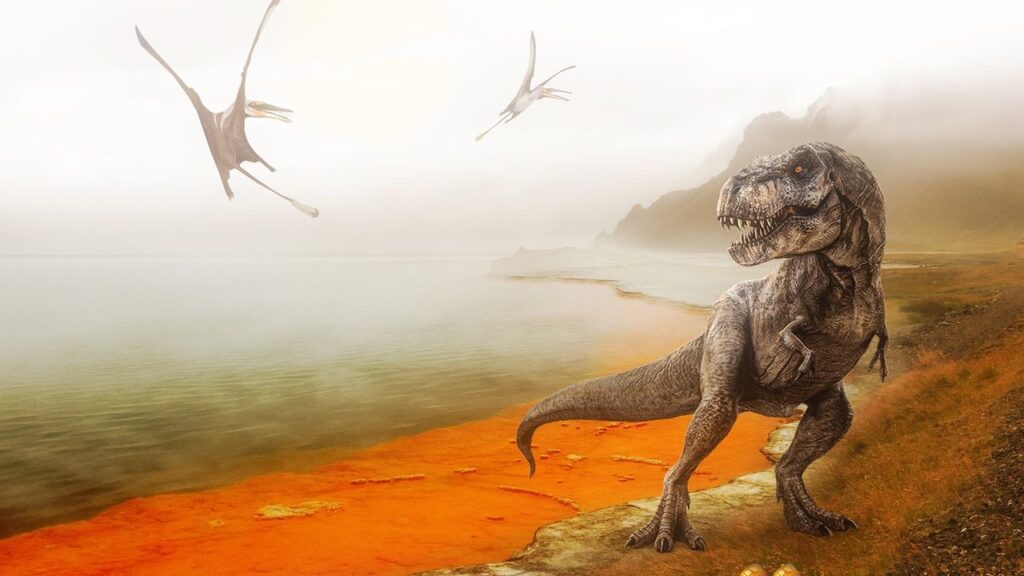
During the Mesozoic Era, while dinosaurs ruled the land and giant marine reptiles dominated the oceans, the skies were filled with another kind of reptile – the pterosaurs. Pterosaurs ranged from sparrow-sized insect hunters to creatures with wingspans exceeding thirty feet. Pterosaurs had a variety of lifestyles, including hunters of land animals, insectivores, fruit eaters and even predators of other pterosaurs.
Meanwhile, the oceans teemed with ichthyosaurs, plesiosaurs, and mosasaurs – marine reptiles that evolved to become fearsome predators. Marine reptiles quickly diversified and dominated the seas; they included ichthyosaurs, plesiosaurs, crocodiles, and turtles. These weren’t dinosaurs, but they were part of the same reptilian revolution that reshaped Earth’s ecosystems.
The Secret to Success: Evolutionary Innovation and Timing
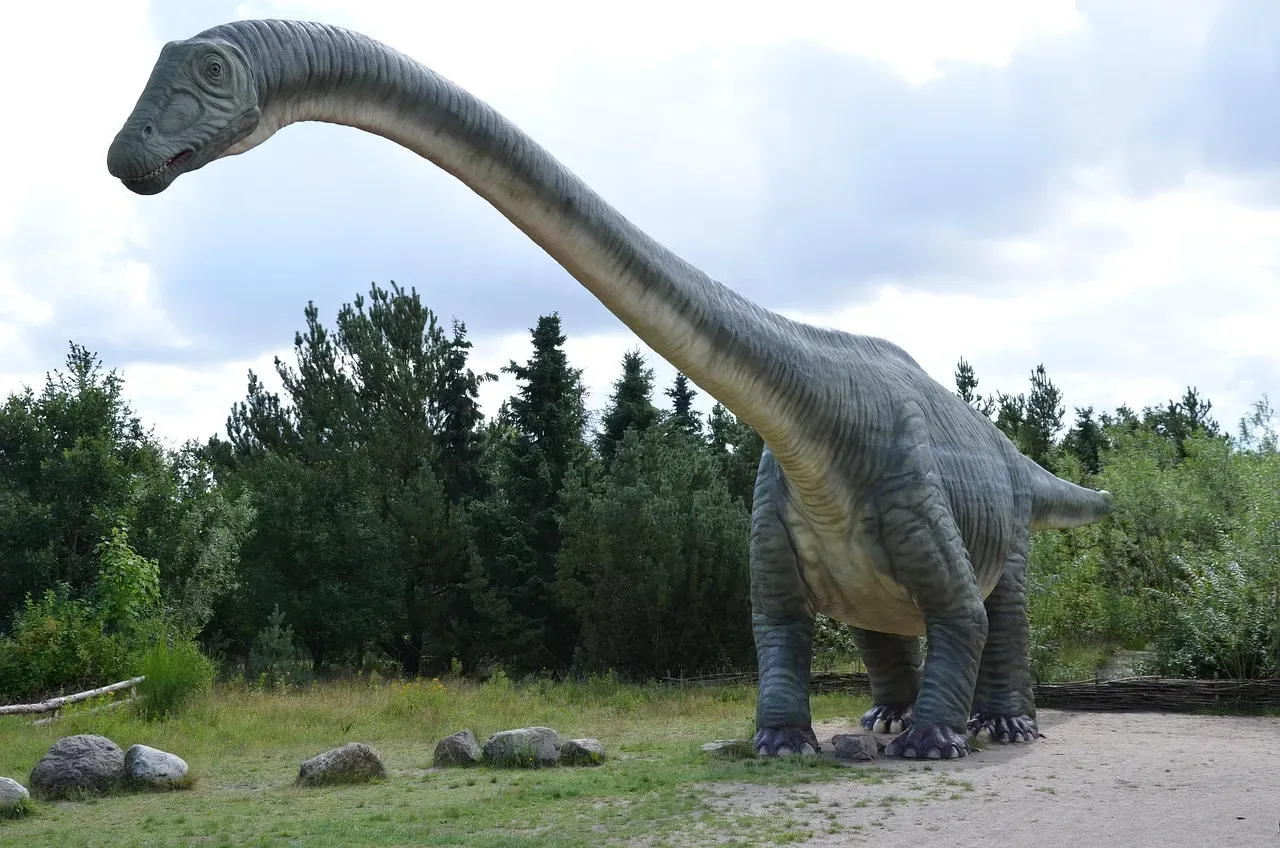
They became so diverse and well-adapted that they occupied all ecological niches on land. What made dinosaurs so spectacularly successful? Timing played a role – mass extinctions cleared out competitors. Anatomy helped – upright posture provided efficiency advantages. Physiology mattered – elevated metabolisms supported active lifestyles.
The first few lines of early dinosaurs diversified through the Carnian and Norian stages of the Triassic, possibly by occupying the niches of the groups that became extinct, and dinosaur evolution after the Triassic followed changes in vegetation and the location of continents. Dinosaurs didn’t just passively inherit the Earth – they actively exploited every opportunity, adapting rapidly as continents shifted and climates changed.
Their diversity was their strength. Birds, at over eleven thousand living species, are among the most diverse groups of vertebrates, and using fossil evidence, paleontologists have identified over nine hundred distinct genera and more than one thousand different species of non-avian dinosaurs. This tremendous variety meant that when environments changed, some group of dinosaurs was always positioned to thrive.
Conclusion
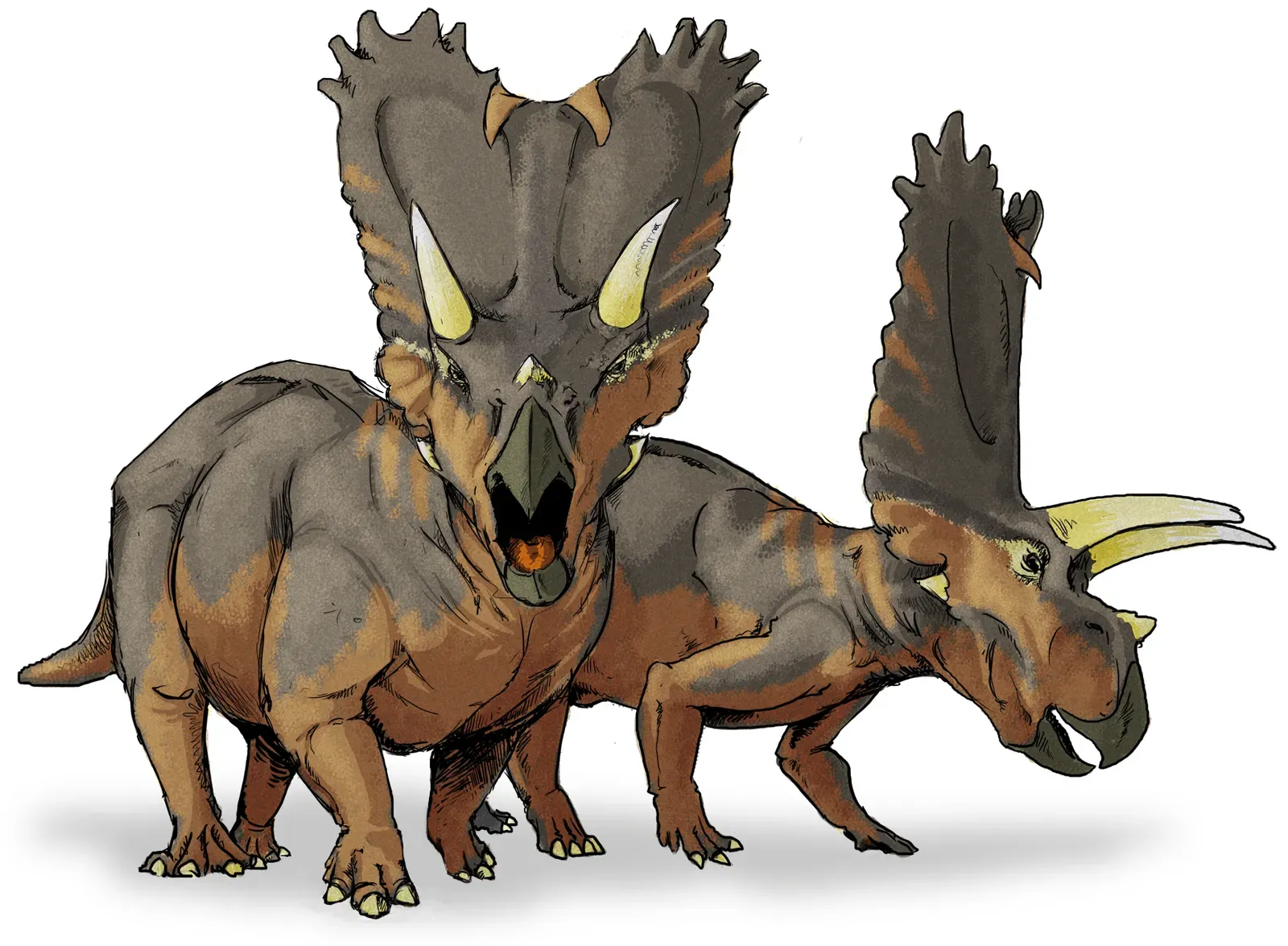
The age of reptiles represents one of Earth’s most spectacular evolutionary experiments. For over one hundred and sixty million years – a span of time so vast it challenges human comprehension – dinosaurs reigned supreme. They conquered every terrestrial niche imaginable, from towering herbivores that stripped forests bare to lightning-fast predators that hunted in coordinated packs. They survived ice ages and volcanic eruptions, adapted to deserts and swamps, and diversified into forms ranging from chicken-sized insectivores to multi-ton juggernauts.
Their success came not from any single trait but from a combination of anatomical innovations, physiological advantages, and sheer evolutionary flexibility. The upright posture, sophisticated respiratory systems, varied metabolisms, and incredible size range all contributed to their dominance. When the asteroid struck sixty-six million years ago, it didn’t erase their legacy – birds, which are literally living dinosaurs, continue their lineage today.
The dinosaurs’ story reminds us that survival isn’t about being the strongest or largest – it’s about being adaptable. What do you think was the single most important factor in their incredible success? Was it their physiology, their timing, or something else entirely?