There is something almost humbling about standing in the middle of a sun-baked desert and realizing that the dry, cracked earth beneath your feet was once the foundation of entire civilizations. Worlds that rose, thrived, and then quietly vanished. The American Southwest is not just a landscape of red rocks and turquoise skies. It is arguably one of the most archaeologically dense regions on the planet, layered with the stories of peoples who built incredible things long before anyone was writing it all down.
Honestly, most people drive through Arizona, New Mexico, or Utah without any idea how deep the history goes. In Arizona, New Mexico, Nevada, Utah, California, Colorado, and Texas, you encounter fragments of pottery vessels, human remains, stone tools, well-preserved rock art, and remains of cliff dwellings that date back over 12,000 years. That is not just old. That is staggeringly, almost incomprehensibly ancient. So buckle up, because what you are about to discover might completely change how you see this corner of the world.
A Region So Old, Time Itself Gets Confusing
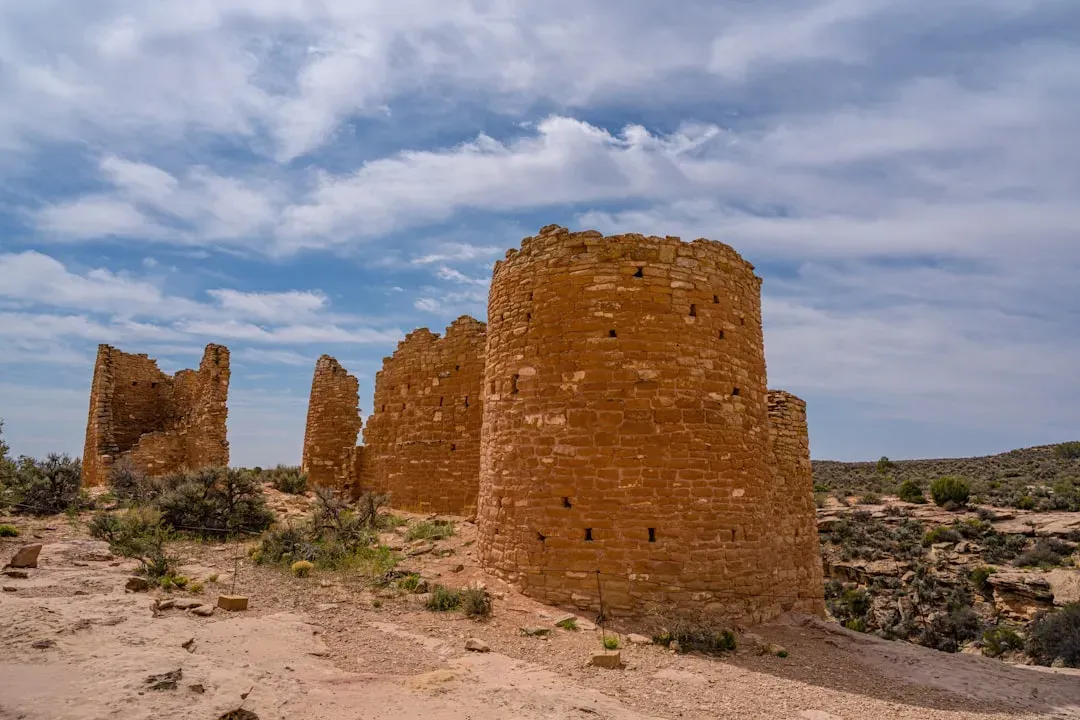
Let’s be real. When you think of ancient civilizations, your mind probably jumps to Egypt, Mesopotamia, or Rome. Yet right here in North America, a remarkable story has been unfolding for longer than most people dare to imagine. This region was first occupied by hunter-gatherers, and thousands of years later by advanced civilizations such as the Ancestral Puebloans, the Hohokam, and the Mogollon, across an area identified with the current states of Colorado, Arizona, New Mexico, Utah, and Nevada, as well as the states of Sonora and Chihuahua in northern Mexico. Think of it less like a single story and more like a library with thousands of books, most of which are still sealed shut.
People lived in this arid to semi-arid landscape for more than 13,000 years before Europeans arrived, a period archaeologists now call the “precontact” or “prehispanic” era. That is a timespan so vast it makes the last five hundred years look like a footnote. Peak population in the precontact era was probably almost 200,000 people, suggesting communities far more organized and populated than the empty desert vistas might suggest today.
The First People and Their Forgotten Tools
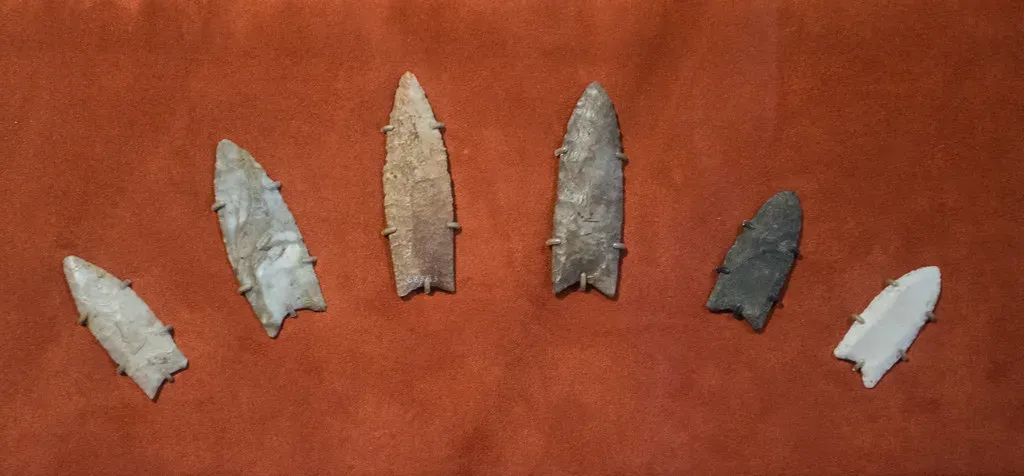
You might not know the names Clovis or Folsom, but these were among the very first identifiable cultures in the Southwest, and their story is quietly fascinating. The Southwest peoples represent diverse groups that inhabited the American Southwest for over ten thousand years, adapting to its arid environment, and early inhabitants such as the Clovis and Folsom peoples were primarily hunter-gatherers who utilized specialized tools to hunt large game and gather local flora. Imagine tracking enormous mammoths across what is now a scorching desert. It sounds impossible, but the evidence is there.
The American Southwest was wetter in ancient times and home to large animals such as the American mammoth and the American lion, now extinct. Peoples identified as Clovis, from the site in New Mexico where their spear points were first unearthed, moved into the region by about 9500 BCE. Over time, as the climate shifted and those massive animals disappeared, these groups began to settle and develop more complex societies around 200 BCE, transitioning to agriculture that included the cultivation of corn, squash, and beans, and this agricultural shift led to the establishment of permanent villages and a more sophisticated social organization.
The Hohokam: Desert Engineers Who Built Phoenix Before Phoenix Existed
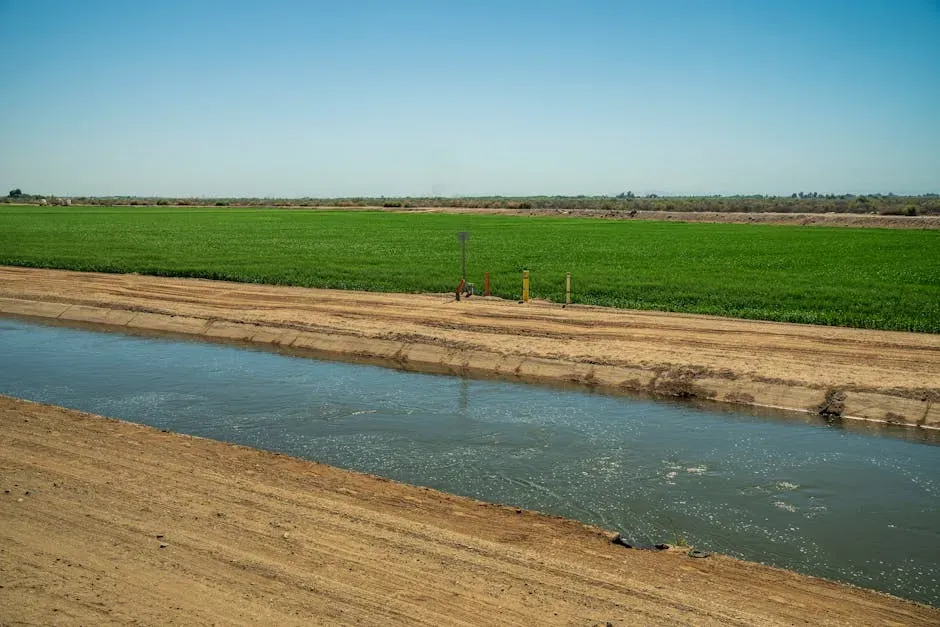
Here is something that might genuinely shock you. The modern city of Phoenix, one of the largest metropolitan areas in the United States, is sitting on top of an ancient civilization’s engineering masterpiece. Before the arrival of the Spanish, a Native American culture of the American Southwest built a flourishing civilization with a sophisticated irrigation system that rivaled the ancient Roman aqueducts. These were the Hohokam, and their ambition was breathtaking.
The Hohokam people dug a sophisticated network of canals in the Salt River Valley as a foundation for a flourishing civilization, and with a population estimated to be as many as 80,000 individuals at its height, the culture flourished for more than 1,000 years in the unforgiving Sonoran Desert before disappearing in about 1450 CE. What is even more remarkable is how their legacy endures. If you add up the lengths of all the canals, it totals about 1,000 miles of prehistoric irrigation, though they were not all in use at the same time. Today, the modern system that delivers water to more than 2.5 million people in the Valley is a monument to the state’s ancient ingenuity.
The Vanishing Acts: Why Did They All Leave?
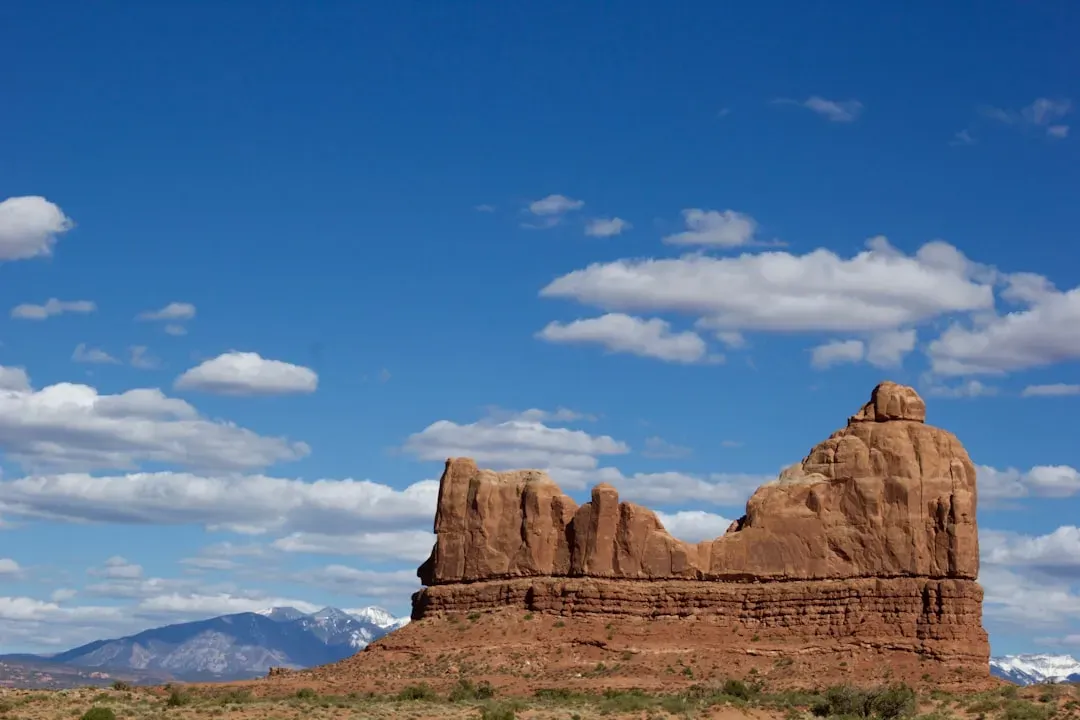
One of the most haunting questions in Southwestern archaeology is also the simplest: where did everyone go? The most visible remains in the Four Corners area date from about 1000 to 1700 AD, after which the majority of the ancient peoples seem to have abandoned their settlements, possibly as a result of a sustained drought. It is the kind of mystery that keeps archaeologists up at night. Entire civilizations, gone.
What we do know is that the demise of the Hohokam culture coincides with the disappearance of virtually all major cultures in the American Southwest, including the Anasazi, Sinagua, Salado, and Mogollon. The prevailing theory is that changes in weather patterns caused widespread crop failures and led to the breakdown of these complex societies, supported by analysis of tree ring data, which shows periods of drought interspersed with periods of above average rainfall. Still, it is hard to say for sure whether drought alone could unravel civilizations that had survived for over a millennium. Numerous theories compete to explain the eventual disappearance of the Hohokam, with hard times resulting from soil salinization and improper irrigation, droughts, floods, war, and disease all suggested, though problems arise with each of these theories.
Chaco Canyon: America’s Most Mysterious Ancient City
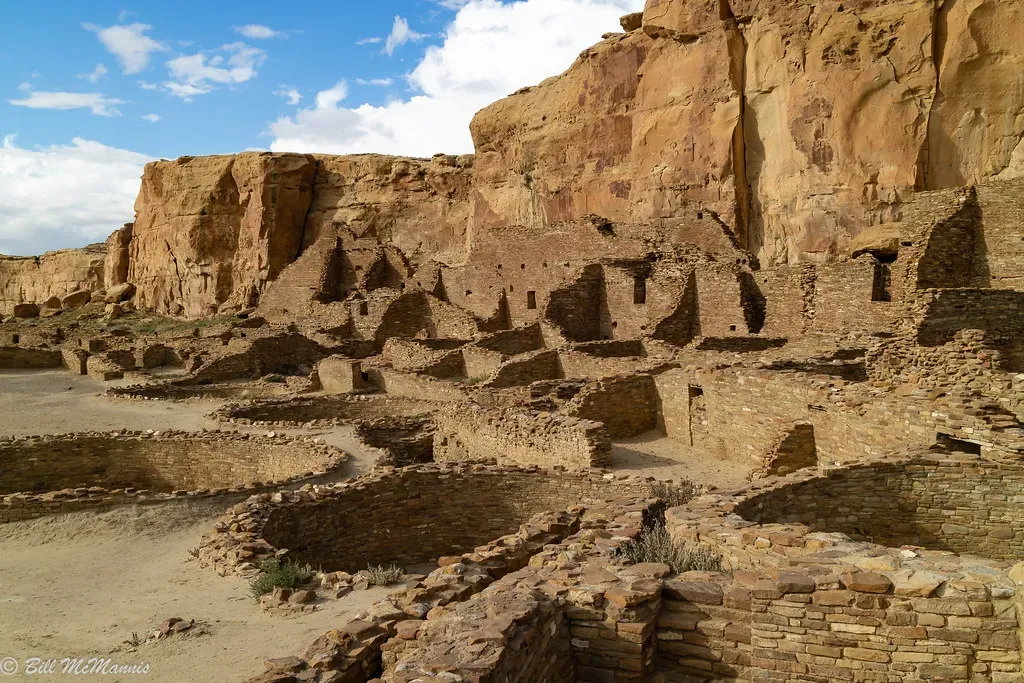
If the Southwest has one crown jewel of archaeological mystery, it is Chaco Canyon in New Mexico. This is a place that defies easy explanation. Chaco Canyon in New Mexico was a hub of ancient astronomical knowledge and advanced celestial alignments, and from 850 to 1150 AD, the Chacoan people constructed monumental structures designed with meticulous attention to the movements of the sun, moon, and stars. That level of precision, achieved without modern instruments or computers, is genuinely mind-bending.
Chaco Canyon features massive buildings constructed using over 200,000 transported timbers, reflecting a precise alignment pattern that mirrors the yearly cycle of the sun and the 19-year cycle of the moon. The famous Sun Dagger is just one example. When researcher Anna Sofaer visited the site near noon on the Summer Solstice, she discovered a ray of light that came through the opening between sandstone slabs and created a dagger of light that perfectly bisected a large spiral petroglyph. As she studied it throughout the year, she found that a second sun dagger bisects a smaller spiral on the Spring and Autumn Equinoxes, and two sun daggers perfectly bracket the large spiral on the Winter Solstice. You cannot help but stand in awe of that kind of intentional design.
Rock Art, Painted Murals, and a 6,000-Year-Old Story
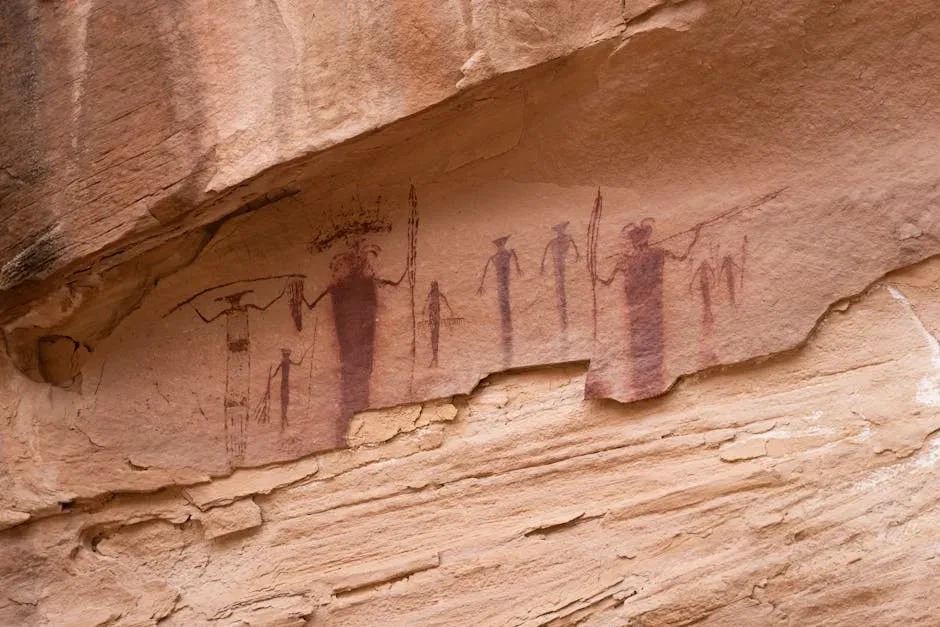
You may think of rock art as simple scratches on stone, but the ancient peoples of the Southwest were doing something far more profound. They were writing history with images, and some of those images have lasted longer than almost any other human creation. Fresh research into the spectacular rock art of southwest Texas has revealed that ancient hunter-gatherers maintained a sophisticated belief system for more than four millennia, creating elaborate painted murals that later influenced the cosmologies of major Mesoamerican civilizations. The findings establish the Pecos River style pictographs as one of the oldest continuously practiced artistic and spiritual traditions in the Americas, dating back nearly 6,000 years and persisting until approximately 1,000 years ago.
What makes this even more incredible is the consistency. The paintings incorporate recurring motifs with consistent meanings: power bundles extending from figures’ arms, rabbit-eared headdresses, antlers tipped with dots, crenellated arches with portals, and stylized dart tips. These elements functioned as a graphic vocabulary, and their arrangement conveyed complex narratives about creation myths, cosmological constructs, and ritual practices. Think of it like a language that 175 generations of artists kept speaking faithfully, across thousands of years, in a desert canyon. The desert climate has preserved these prehistoric artworks exceptionally well, with more than 134 documented Pecos River style sites north of the Rio Grande.
Hidden Trade Routes and Long-Distance Connections
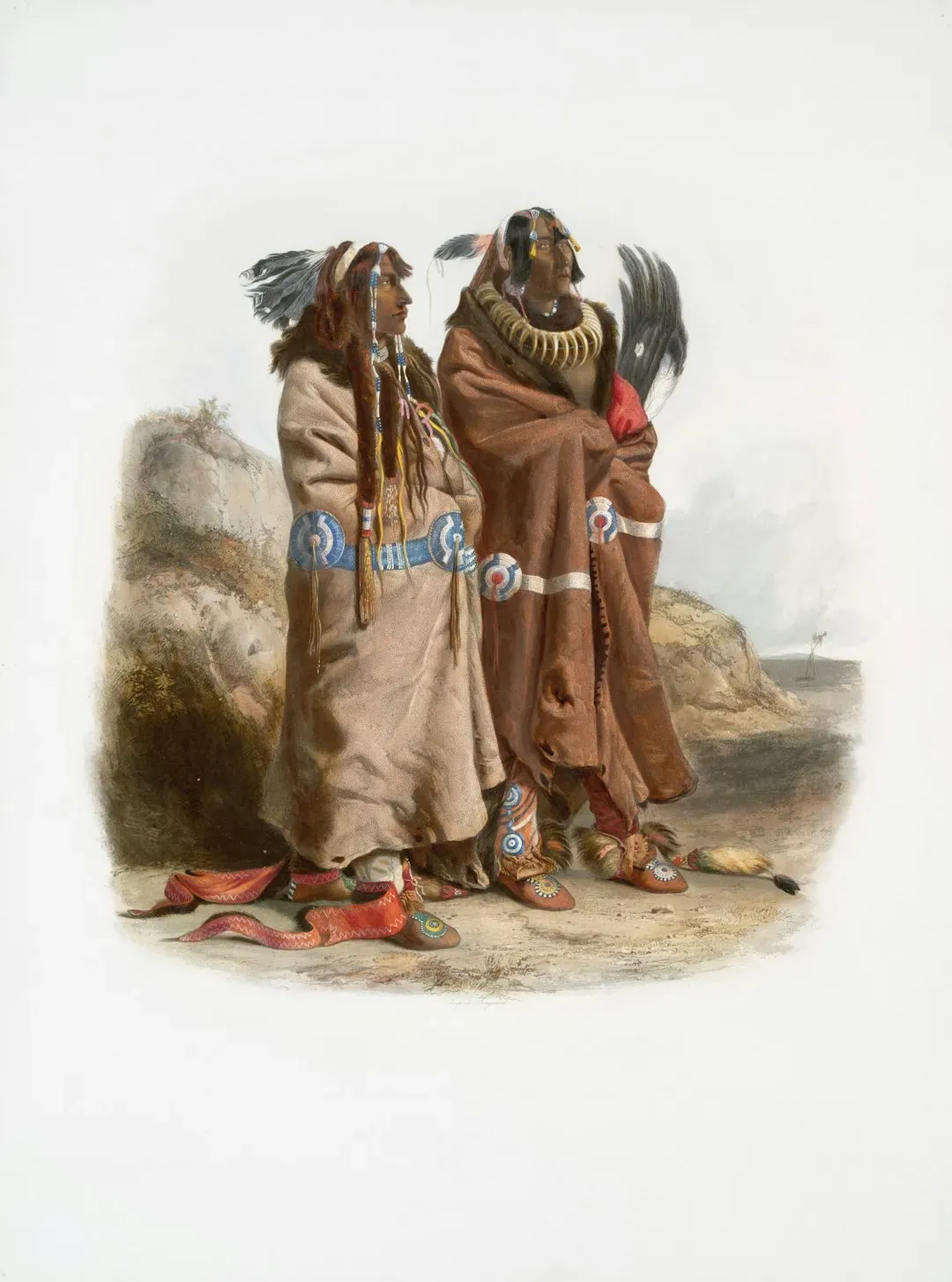
Here is something that challenges the comfortable image of isolated desert tribes: these ancient Southwest cultures were remarkably well-connected. The Hohokam lived in smaller settlement clusters than their neighbors and built extensive irrigation canals, and there is evidence that the Hohokam had far-reaching trade routes with ancient Mesoamerican cultures to the south, showing cultural influences from these southerners. Turquoise from New Mexico was turning up in central Mexico. Parrot feathers from tropical jungles were found in desert villages. It was not a closed world.
Recent scholarship has made this picture even richer. Scholars believe that Aztatlán society, especially its trade activity, helped shape Mesoamerican culture in the American Southwest, including religion, culture, and exotic goods. The Aztatlán culture of West Mexico dominated western Mexico during the Post Classic period from AD 900 to 1350, and while it is less well known than other Mesoamerican cultures, the Aztatlán were seemingly the link that connected the great cultures of the American Southwest with those in Mesoamerica, even bringing things like chocolate and macaws into the deserts of the Southwest. Chocolate in the desert Southwest over a thousand years ago. Somehow that detail makes these ancient people feel remarkably human.
What Modern Science Is Still Uncovering
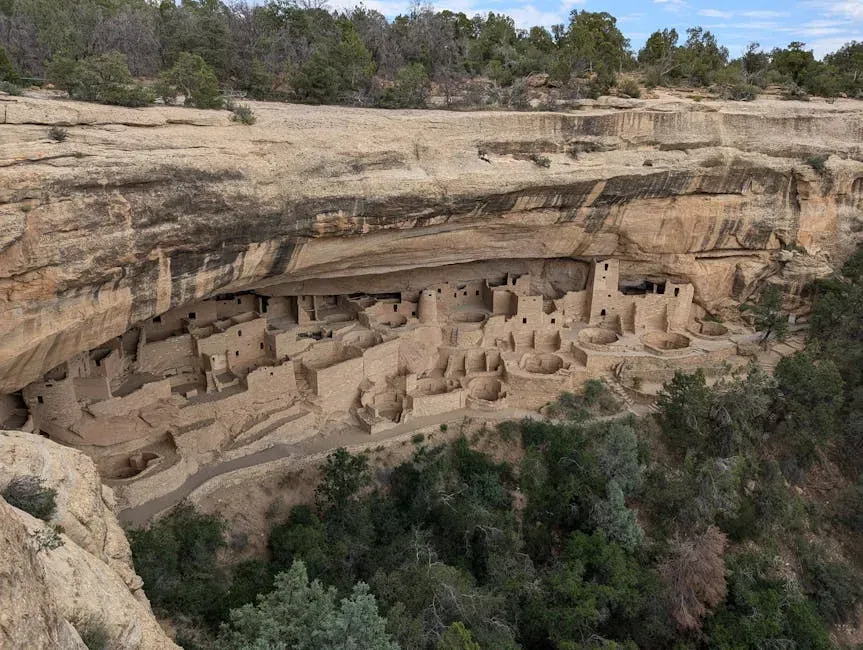
You might assume that after more than a century of digging, we would have most of the answers by now. Not even close. Though much is known about the ancient people of the American Southwest, there are also several unanswered questions, and certain archaeological findings have been brought to light but have been neglected and never investigated properly. The sheer scale of the region means that most of it remains unexplored. There are canyons with untouched ruins that archaeologists have never set foot in.
Sophisticated new analytical techniques and methods are providing an unprecedented understanding of issues such as environmental change, agricultural and subsistence practices, ceramic manufacture, and village growth and organization. Another important development is an intensification of interest in the archaeology of northern Mexico, historically one of the most frustratingly underinvestigated areas of the greater Southwest, and new field projects and discoveries there may give important clues regarding the nature of the interaction between the Southwest and the northern frontier of Mesoamerica. Every year, something new turns up that reshapes what researchers thought they understood. The American Southwest desert holds intriguing archaeological secrets that challenge our understanding of ancient history, and excavations in this region have uncovered artifacts that suggest possible early European contact with pre-Columbian America, a finding that could potentially rewrite history books.
Conclusion: The Desert Still Has Secrets to Tell
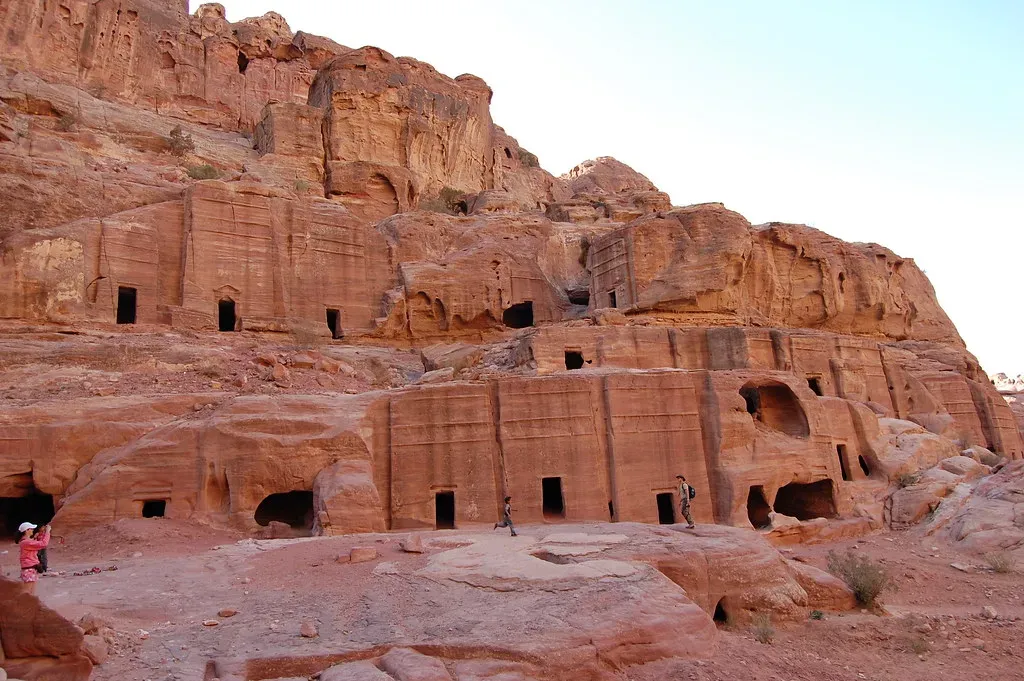
The American Southwest is a place where the past refuses to stay buried. Every canyon wall, every eroded mesa top, every inch of sun-hardened desert floor holds the potential for another revelation that changes what you thought you knew about ancient human history. These were not simple, primitive societies scratching out a bare existence. They were astronomers, engineers, artists, traders, and builders of civilizations that endured for centuries.
What is perhaps most striking is how connected and dynamic this ancient world was. Trade routes stretched thousands of miles. Belief systems influenced cultures across continents. Irrigation systems are still being used today, millennia after they were first dug by hand. These ancient people left intriguing clues: pueblos, tools, pottery, jewelry, baskets, petroglyphs, pictographs, clothing, kivas, and weavings, and from such evidence, archaeologists can reconstruct sophisticated cultures with advanced knowledge of astronomy, architecture, agriculture, and art.
The real story of the American Southwest is still being written, one excavation at a time. The desert keeps its secrets well, but slowly, patiently, it gives them up. What do you think still lies buried out there, waiting to be found? Share your thoughts in the comments.