
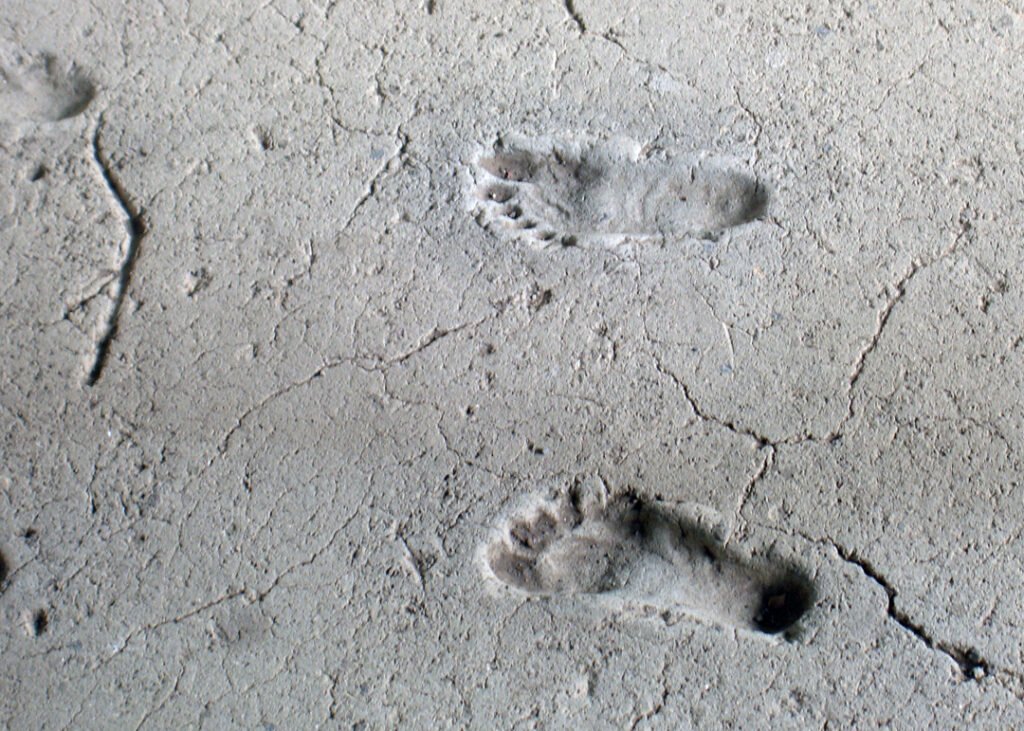
Imagine stumbling across a trail of bare footprints and realizing they were left not yesterday on a wet beach, but by a person who lived tens of thousands of years ago. It feels almost intrusive, like walking into a stranger’s life mid‑scene and realizing they are impossibly, irreversibly gone. Yet their steps are still there, frozen in time, letting us literally walk behind them and guess what they were thinking, fearing, or chasing.
Ancient footprints are some of the most intimate fossils we have. Bones tell us what a body was; tools hint at what people could do. But footprints? They catch what someone was doing in a single moment. A sprint. A stumble. A child’s zigzag across soft mud. When I first saw photos of Ice Age tracks stretching across a dried lakebed, I remember feeling something close to vertigo: this is not just data, it’s a captured instant of life. Let’s follow some of those moments and see how scientists read them.
The Day the Ground Turned Into a Time Machine
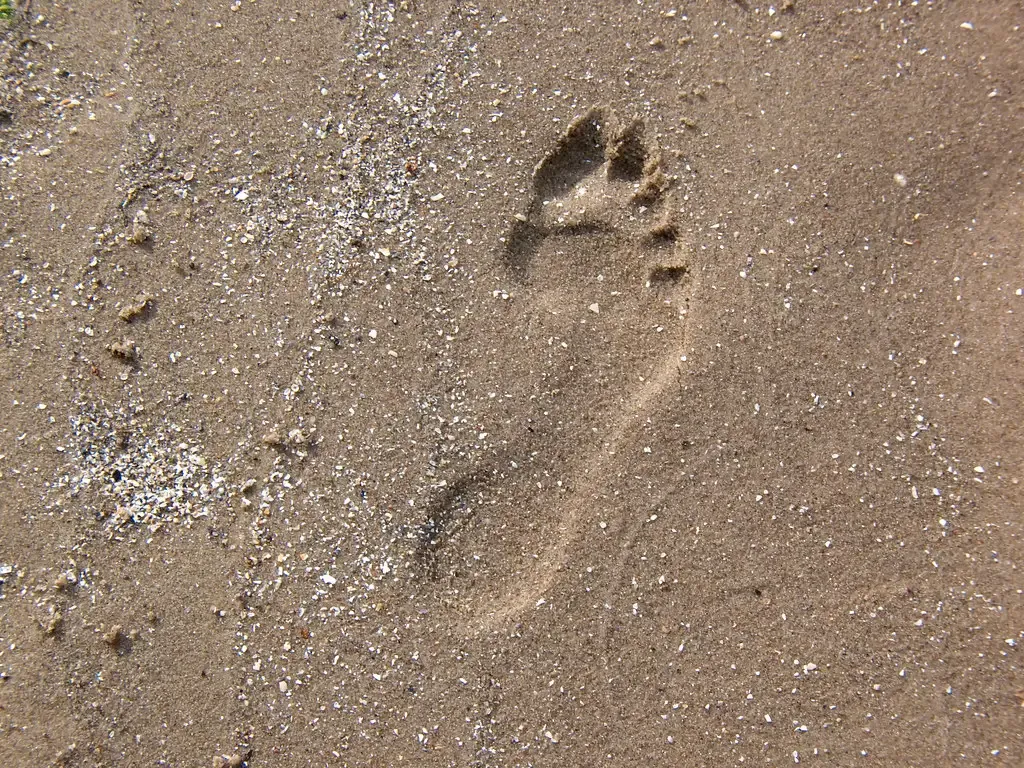
The only reason we can follow ancient footsteps is that, on some long‑ago day, the ground was just right: soft enough to record the impression, firm enough not to collapse. Think of wet beach sand as the perfect analogy. Too dry and your step barely dents the surface; too soupy and your foot fills with water and collapses the walls. Somewhere in the middle is the sweet spot where every toe and arch gets stamped in detail.
After that brief window, the magic comes from rapid burial. Wind‑blown dust, volcanic ash, or a new layer of mud and silt has to cover the prints before rain, animals, or plant roots destroy them. Over time, those layers harden into rock, preserving what was once just a fleeting trackway across a lakeshore, dune, or floodplain. It’s eerie to realize that most of the footsteps ever taken in human history vanished instantly; the ones we see today exist because a perfect storm of conditions turned the earth beneath them into a kind of natural recording device.
Reading Gait, Speed, and Emotion From a Few Centimeters of Mud
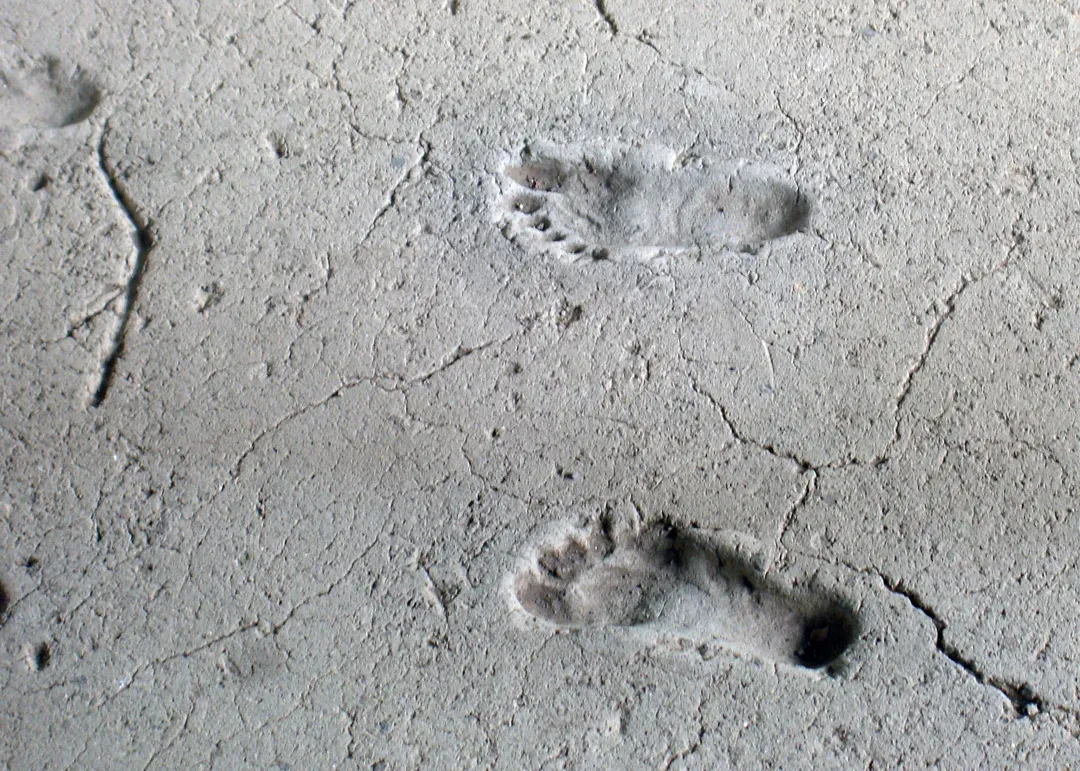
To a trained eye, an ancient footprint is less like a simple stamp and more like a high‑speed photograph of motion. The spacing between prints, the angle of the toes, the depth of the heel versus the ball of the foot – all of it adds up to a full‑body story. Biomechanics researchers model how modern people walk and run over different surfaces, then compare those patterns to prints in the field. From that, they can estimate whether the person was strolling, hurrying, or flat‑out sprinting.
Sometimes the pattern hints at mood or urgency. Tracks that suddenly deepen and lengthen may suggest a person breaking into a run, maybe spooked by an animal or racing to catch up with someone. A zigzagging series of small prints clustered around larger ones looks strikingly like a child darting around an adult, much as kids do today when they are bored or excited. We have to be careful not to over‑interpret, but when you see a trail that speeds up, veers, and then merges with another, it is hard not to feel like you are watching a silent, ancient drama unfold step by step.
Following Real People: Families, Hunters, and Wanderers
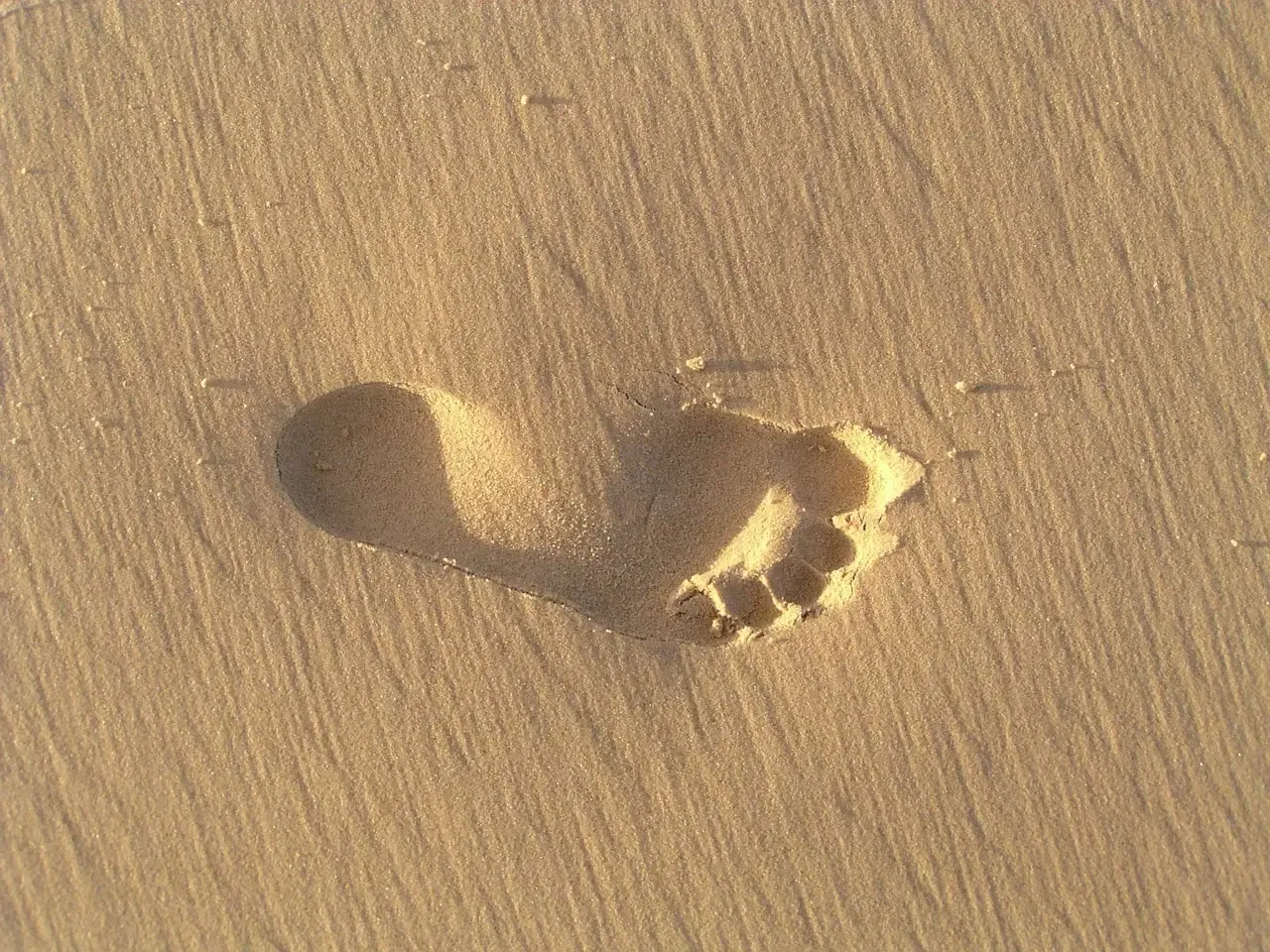
Some of the most powerful finds are long trackways where you can follow individuals over hundreds of meters, sometimes more. In these cases, scientists are not just looking at one or two prints; they are reconstructing an entire short journey. You might see the tracks of an adult accompanied by a smaller person, with the smaller prints occasionally stepping into the larger ones, as if trying to match stride. In other sites, multiple adults and children move together, suggesting a group or family traveling across open ground.
There are also trackways that look like hunting or foraging scenes frozen mid‑action. Human footprints may intersect with those of large animals, with people following closely behind or flanking from the sides. In some places, you can see people moving in one direction at a steady pace, then returning along nearly the same path with different spacing, hinting that the outgoing journey and the return trip were under different loads or emotions. When I read these studies, I always picture a ghostly overhead drone shot of the past: pale lines of steps threading across a surface, telling a story without a single word.
The Science Under the Romance: Dating and Verifying the Tracks
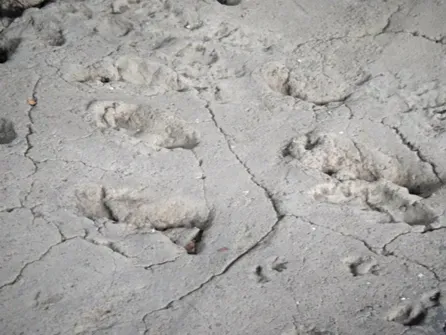
As captivating as these trails are, scientists have to be brutally careful about proving what they are, how old they are, and who made them. Footprints are usually dated indirectly, by testing the layers above and below them using methods like radiocarbon dating or other forms of radioisotope analysis. Researchers also analyze the sediments, pollen, and microscopic fossils around the tracks to build a picture of the environment and confirm that everything fits with the proposed age.
There is often lively debate about the interpretations, especially when a footprint site seems to push back the known timeline of humans in a region. Are they definitely human and not another animal with a superficially similar print? Could erosion have altered their shape? Are the dating results from the surrounding material truly representative of the moment the tracks were made? Healthy skepticism keeps the field honest. The romance of following a single person across a prehistoric landscape has to be balanced with the hard, sometimes messy work of checking every possible alternative explanation.
Traces of Children, Care, and Ordinary Life
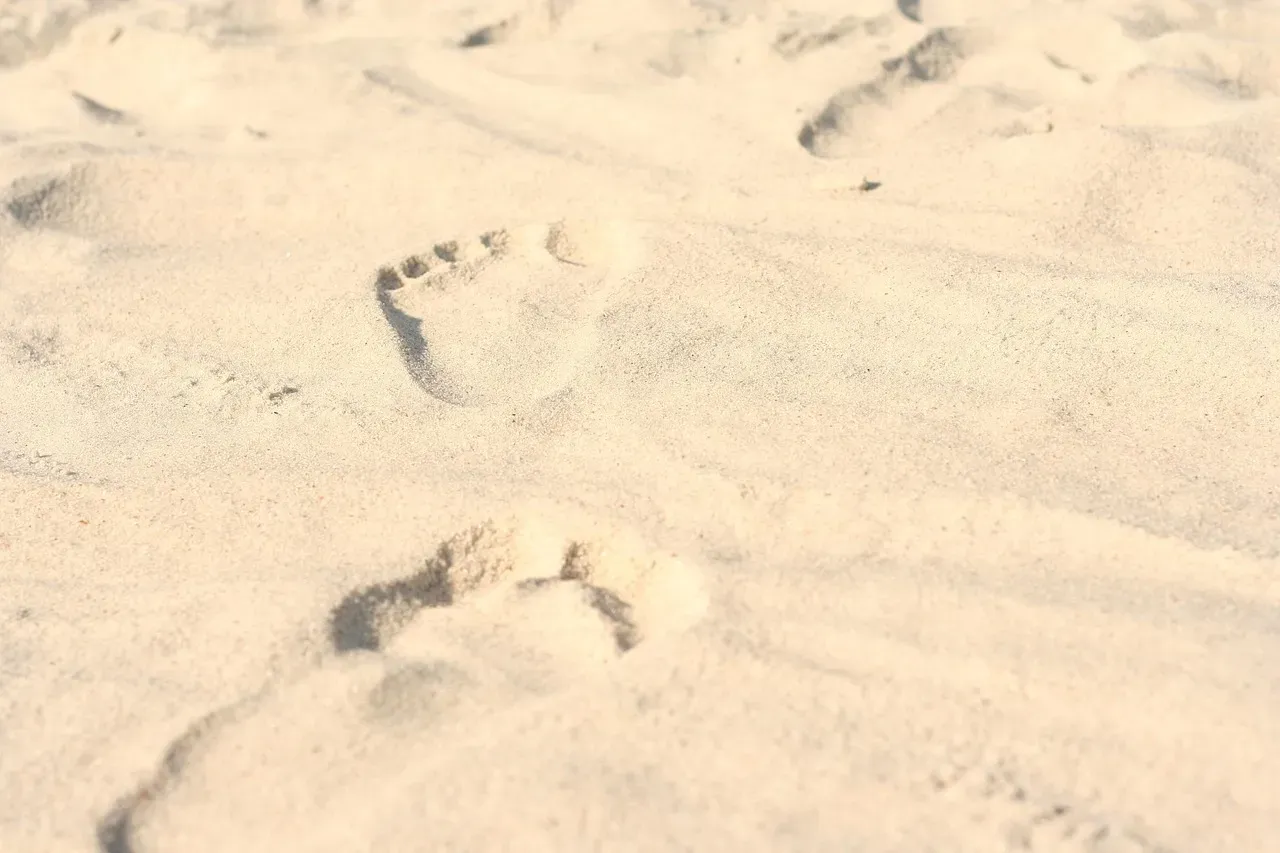
One of the most surprising threads running through many footprint sites is just how present children seem to be. Small prints run beside, around, and occasionally in front of adult tracks. Sometimes they cluster where the ground had puddles or softer mud, as if kids were stomping and playing. It is strangely moving to realize that thousands of years ago, children were doing exactly what they do now: turning the world under their feet into a playground whenever they could get away with it.
There are also hints of caregiving and vulnerability. Some prints look like they belong to individuals moving slowly or awkardly, possibly carrying infants or heavy loads. Other tracks show people with unusual foot shapes or limps still moving in step with a group. When you lay this beside evidence from bones and tools, a picture emerges that early societies were not just bands of rugged survivors, but communities in which people looked after one another. Moments like a child trailing behind a caregiver or a limping adult walking with the group are quiet, but they tell us as much about ancient life as any grand hunt or migration.
Why These Fleeting Moments Matter So Much Today
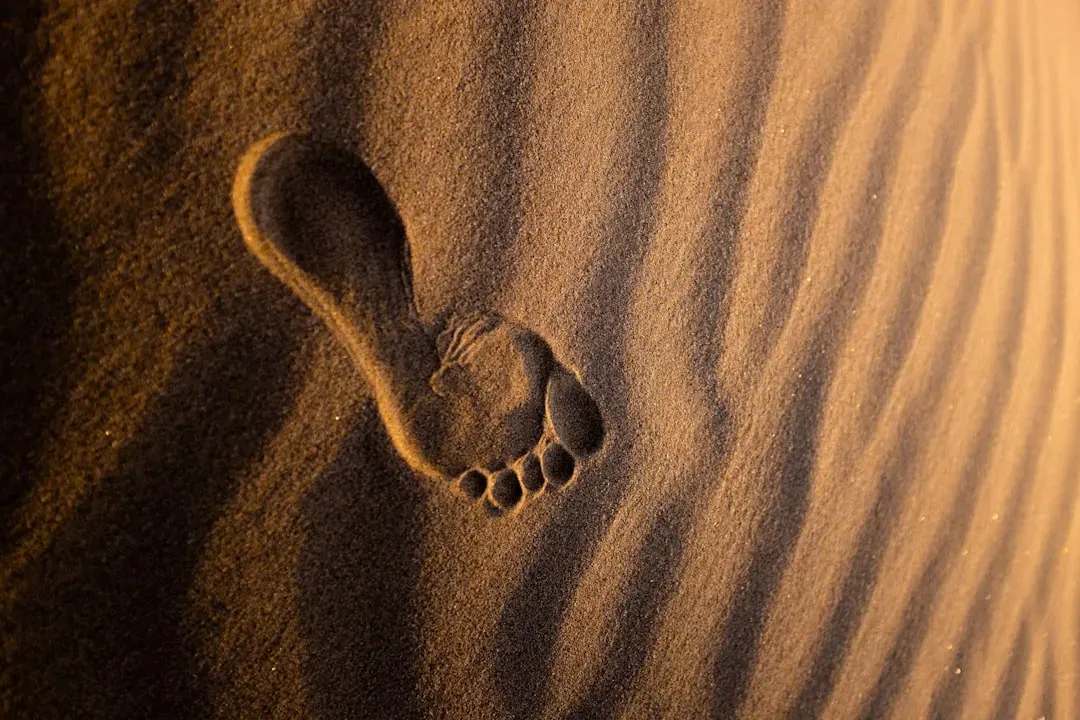
At first glance, it might seem like ancient footprints are just a neat curiosity – the prehistoric version of a photo op. But they do something other kinds of fossils rarely manage: they pull us into a single, ordinary heartbeat of the past. No ceremony, no battlefield, no monument. Just someone walking across damp ground, leaving behind proof that they were there, alive, with their own aches, fears, and private jokes. In a world where history can feel like a list of names and dates, these tracks are almost defiant in how personal they are.
In my view, that is why they stick in people’s minds and why scientists fight so hard to protect and study them. They remind us that history is not just about kings, wars, or inventions, but about unremarkable days that never made it into any story – except the one the earth accidentally recorded. Every time a new set of footprints comes to light, we gain not just data for timelines and models, but another quiet, stubborn link to humans who once stepped where no one remembers them. It makes you wonder: if your own footprints were preserved for thousands of years, what tiny slice of your day would strangers be trying to piece together from the way you walked?