Every morning, when you glance out your window and spot a sparrow perched on a branch or a hawk circling overhead, you’re not just watching a bird. You’re watching a living dinosaur. That may sound like something out of a science fiction novel, but paleontologists and evolutionary biologists have spent decades building an overwhelming case that the creatures filling our skies today are the direct descendants of some of history’s most fearsome reptiles.
The road from a lumbering theropod to a delicate hummingbird is one of the most breathtaking journeys in natural history. It is a story of feathers evolving long before flight, of bones becoming hollow, of bodies shrinking across millions of years, and of one extraordinary lineage surviving a catastrophe that wiped nearly everything else off the face of the Earth. Buckle in, because this story is wilder than you might expect. Let’s dive in.
Birds Are Dinosaurs: The Scientific Verdict You Can’t Ignore
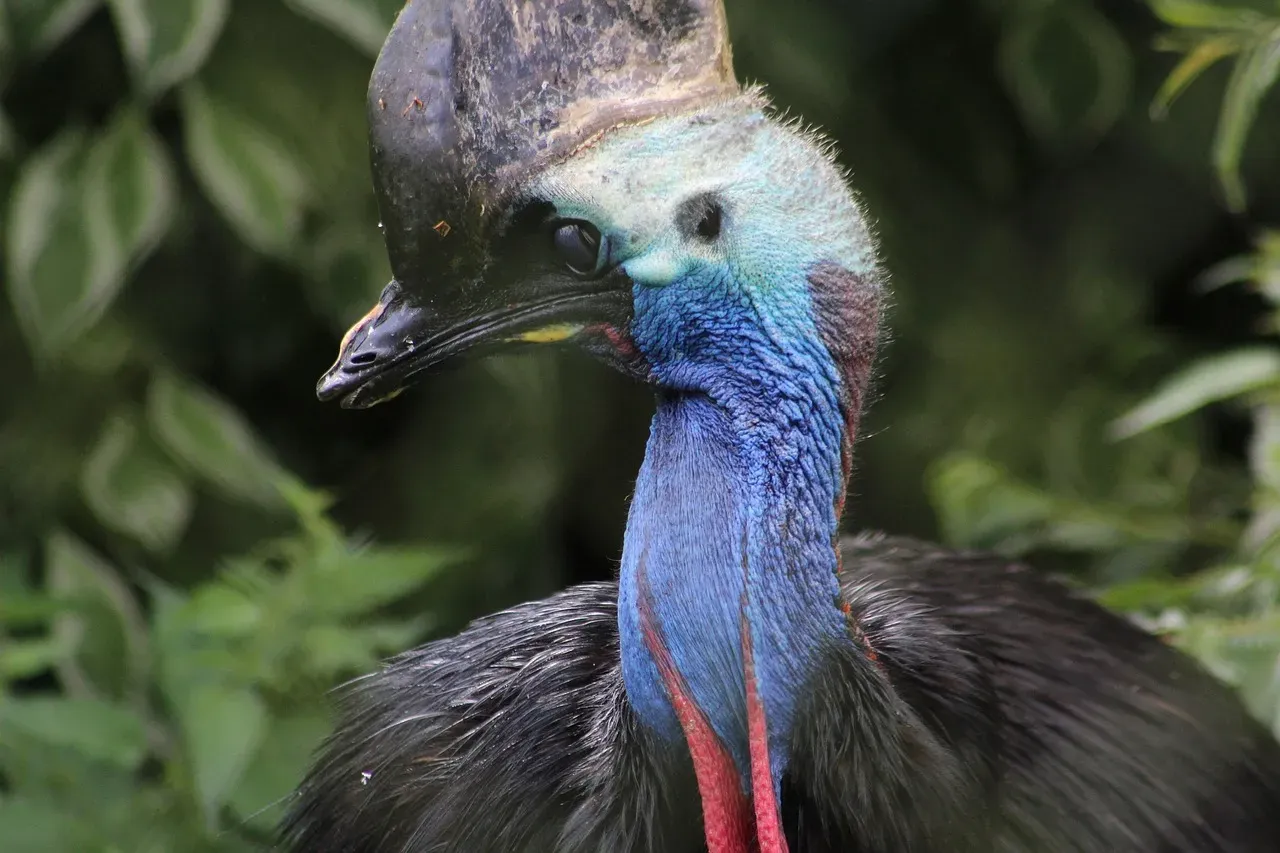
Here’s the thing about science: sometimes the most outrageous-sounding ideas turn out to be the most accurate ones. According to nearly all ornithologists, birds are not only the descendants of ancient dinosaurs, they are, in fact, dinosaurs themselves. That one sentence rewrites the way you look at every pigeon, robin, or eagle you’ve ever seen.
Modern birds descended from a group of two-legged dinosaurs known as theropods, whose members include the towering Tyrannosaurus rex and the smaller velociraptors. Honestly, the idea that you’re essentially looking at a scaled-down relative of T. rex when you watch a city pigeon strut down the sidewalk is one of science’s most delicious ironies. Birds that fill the world’s skies today are living dinosaurs, reminders of a distant and strange past, and decades of major new discoveries and studies have convinced researchers that there’s a direct link between modern bird species and theropod dinosaurs.
Theropods: The Unlikely Ancestors of Every Bird on Earth
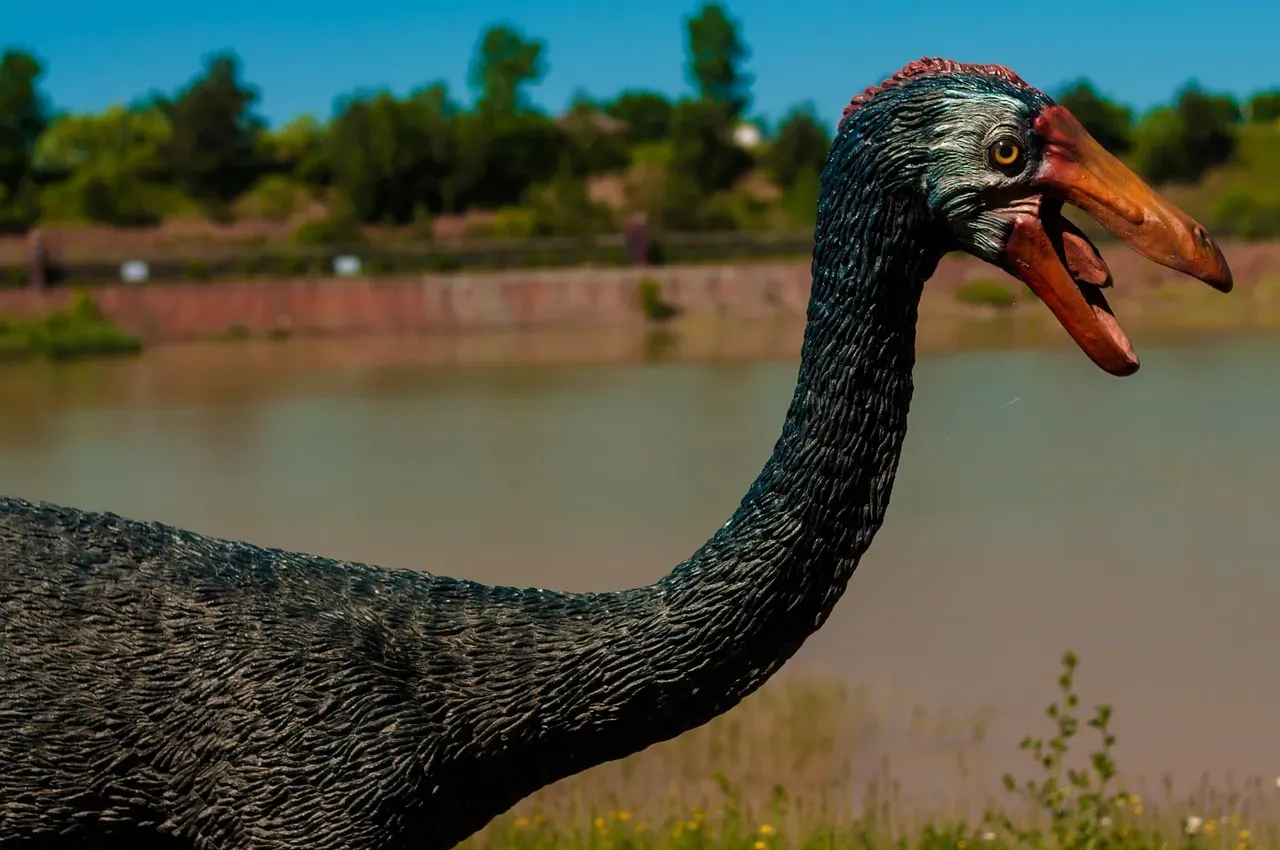
Dinosaurs are a branch of reptiles that emerged during the middle of the Triassic Period, about 252 to 201 million years ago, and thrived during the Jurassic and Cretaceous periods. Birds evolved from a group of dinosaurs called theropods, which are known for their ability to walk on their hind legs rather than on all fours. This bipedal body plan turns out to be hugely important, as you’ll see shortly.
Birds share so many features with theropods and there are no other candidate fossil groups. When you understand that birds are a type of dinosaur and that the evidence has stacked up, everything starts to make more sense. It’s a bit like finding a missing puzzle piece you didn’t even know you were looking for. The birds are simply a twig on the dinosaurs’ branch of the tree of life.
Archaeopteryx: The “Holy Grail” Fossil That Changed Everything
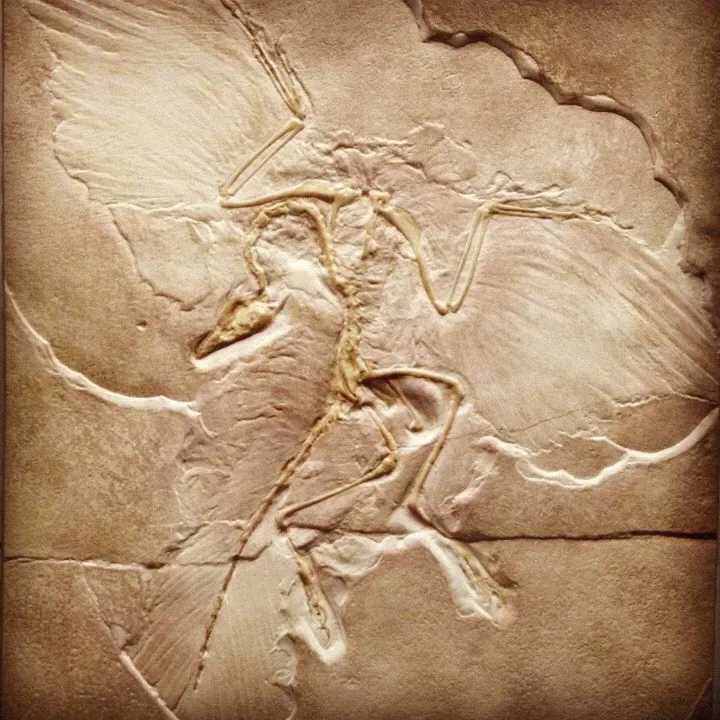
Debates about the origin of bird flight are almost as old as the idea that birds evolved from dinosaurs, which arose soon after the discovery of Archaeopteryx in 1862. That single fossil touched off more than a century and a half of scientific fascination. Archaeopteryx lived in the Late Jurassic around 150 million years ago, in what is now southern Germany, during a time when Europe was an archipelago of islands in a shallow warm tropical sea, much closer to the equator than it is now.
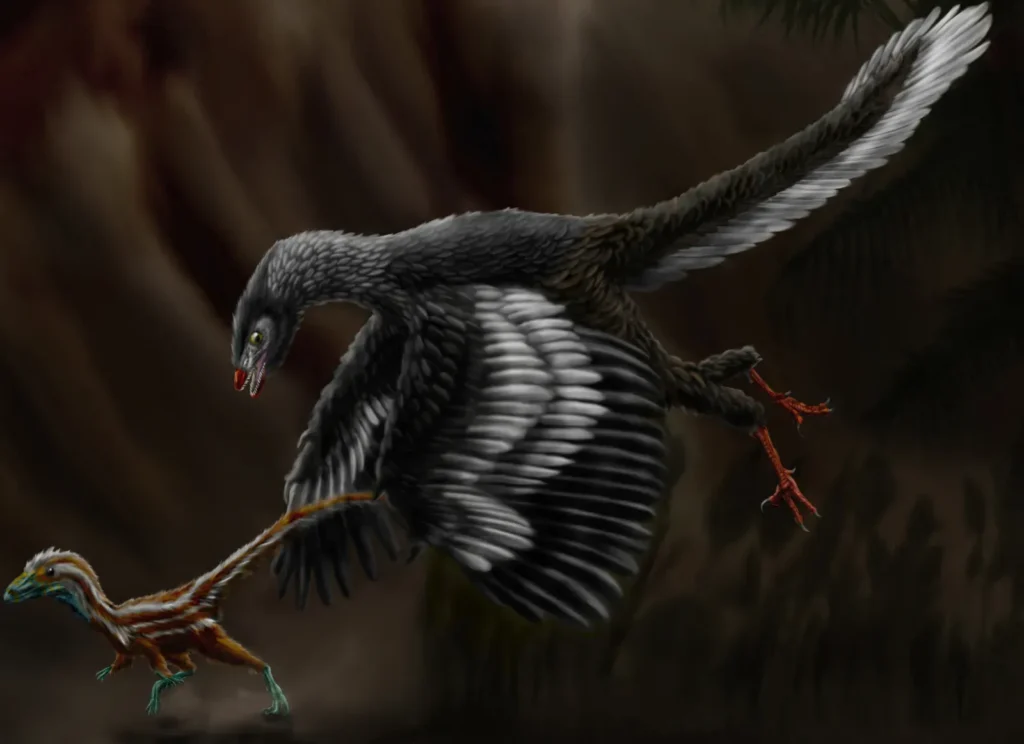
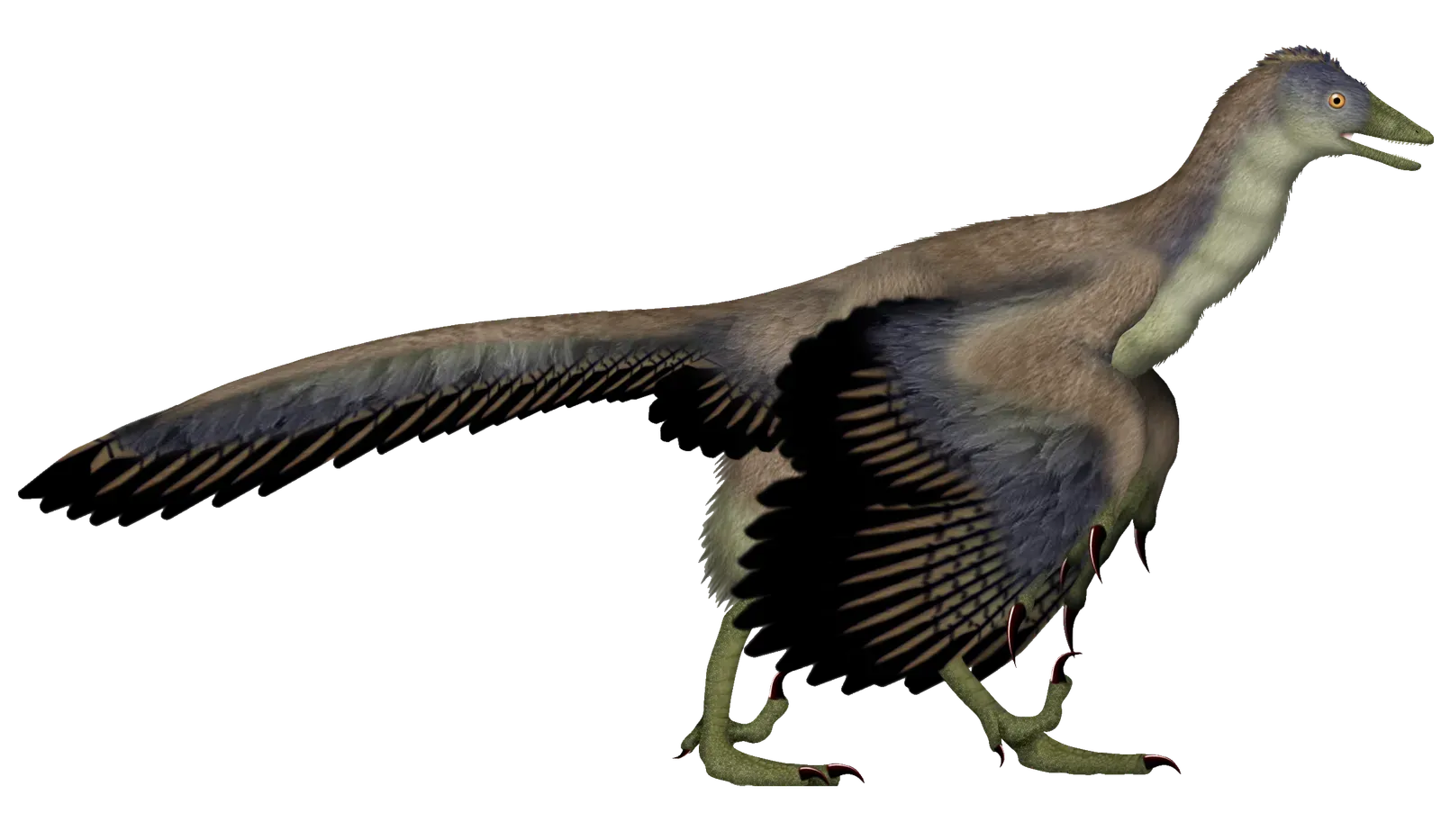
The earliest known bird, Archaeopteryx, emerged during the Late Jurassic period, around 150 million years ago, demonstrating both avian and dinosaur characteristics. This transitional species possessed feathers and the ability to fly, yet retained features like a toothed jaw and a long bony tail, linking it to its dinosaur ancestors. Think of it as the ultimate evolutionary “in-between” creature, a living bridge frozen in stone. The first Archaeopteryx fossil was a dramatic example of a transitional fossil: an animal with some bird-like traits but also some dinosaur-like traits.
Feathers Before Flight: The Surprising Truth About Dino Fuzz
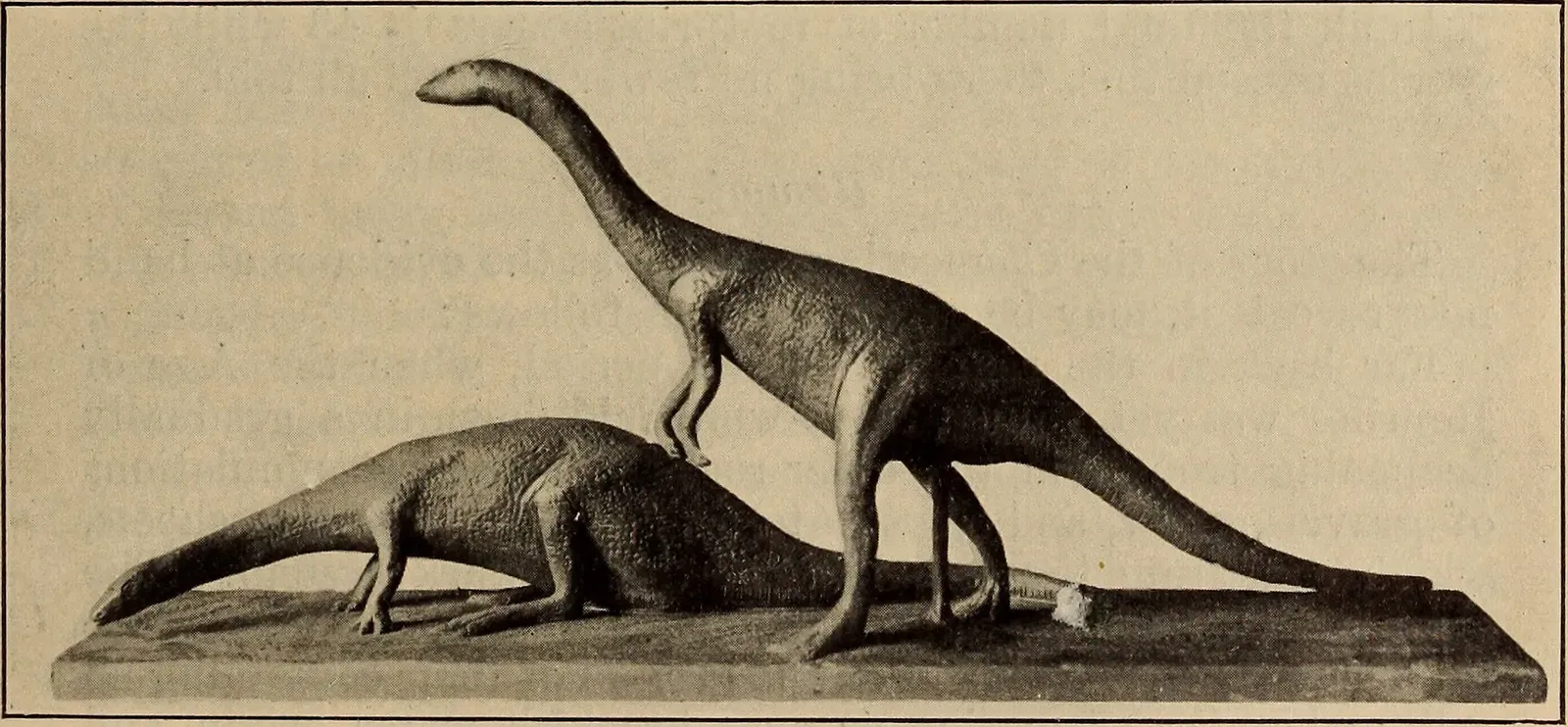
Most people assume feathers evolved for flight. It seems logical, right? Wrong. From the fossil record, we know that birds evolved from dinosaurs, some of which had feathers. Those first feathers had nothing to do with flight; they probably helped dinosaurs show off, hide, or stay warm. In other words, feathers started their evolutionary career as something closer to a fashion accessory or a winter coat than a set of wings.
Some scientists believe that feathers originated much earlier during the Middle Triassic Period, almost 100 million years before the first flying dinosaurs. However, these weren’t the complex structures we recognize as a classic feather, but much simpler structures that looked like tufts of hair. Scientists have affectionately nicknamed these early coverings “dino fuzz,” and the scientific community has dubbed these feathers “dino fuzz,” and it is likely that some ferocious tyrannosaurs were covered in fuzz, perhaps as an insulating layer. Somehow a fuzzy T. rex feels both terrifying and oddly adorable.
From Fuzz to Flight Feathers: A Step-by-Step Evolutionary Masterpiece
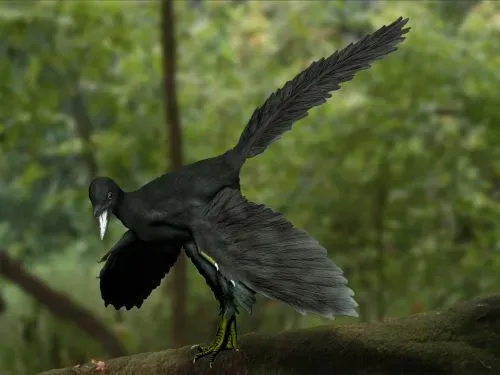
The slow transformation of part of this lineage into the forms we recognize as birds was driven largely by the emergence of feathers and their development from primitive single-stalked, hairlike designs into complex structures made up of a central stalk and elements that branch laterally from it. This gradual progression is one of the clearest examples of evolution working in slow, methodical steps. Molecular evidence from feathered dinosaur fossils reveals how the key proteins that make up feathers became lighter and more flexible over time, as flightless dinosaurs evolved into flying ones and later, birds.
Some later theropods, like dromaeosaurids and Archaeopteryx, have a vane-like feather structure in which the barbs are well-organized and locked together by barbules. This is identical to the feather structure of living birds. You have to appreciate that. The very same feather architecture that allows a modern eagle to soar was already in place in small, ground-dwelling predators tens of millions of years before true birds existed. Discoveries of spectacular dinosaur and pterosaur fossils preserving feathers demonstrate trends of increasing complexity in gross morphology and microstructure, and the acquisition of complex flight feathers before the origin of birds.
Hollow Bones: The Skeleton That Made the Sky Possible
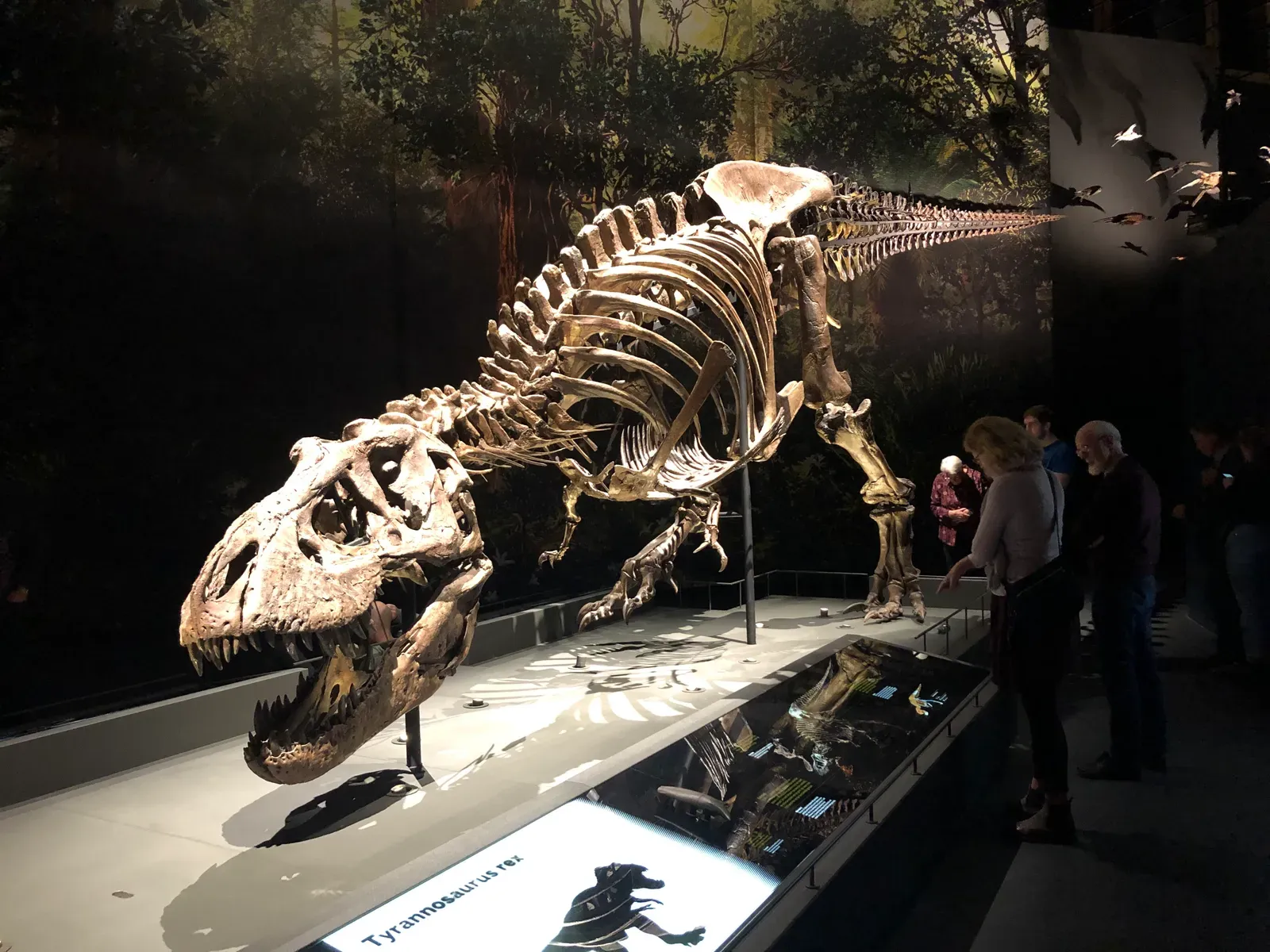
You might think hollow bones are a bird thing. But evolution got there much earlier than that. Birds have hollow bones, and most scientists assumed this trait evolved along with flight, since lighter bones should make it easier to fly. Studies have shown, however, that Allosaurus, a fairly primitive theropod, also had hollow bones. Allosaurus was a big animal with tiny arms, so it wasn’t flying anywhere, meaning that like so many other bird traits, hollow bones appear early in the dinosaur family tree.
Like present-day birds, dinosaurs had hollow bones with inner structures known as air sacs, which made their skeletons lighter and less dense. These structures were apparently so advantageous that they emerged at least three times during the evolution of dinosaurs and pterosaurs. That’s convergent evolution doing its thing, nature arriving at the same brilliant solution independently, again and again. In living birds, aerated bones reduce overall mass and volume while enhancing bone strength and stiffness, which are essential features for flight.
Microraptor and the Four-Winged Experiment That Stunned Science
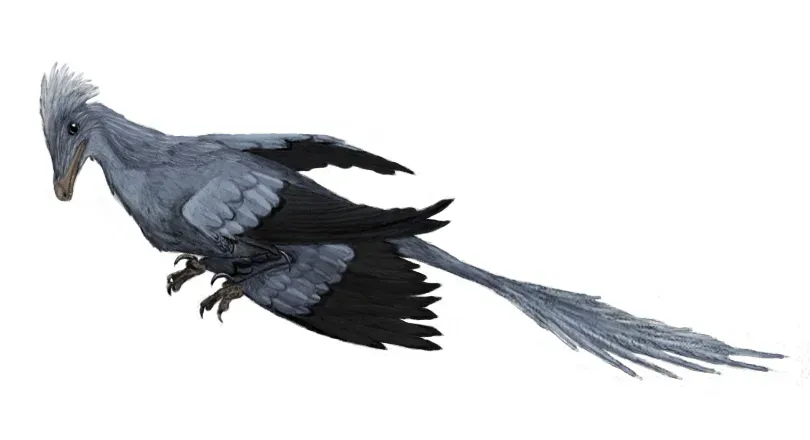
If you thought the story of flight’s origins was straightforward, Microraptor is here to rearrange your assumptions entirely. Microraptor is a genus of small, four-winged dromaeosaurid dinosaurs. Numerous well-preserved fossil specimens have been recovered from Liaoning, China, dating from the early Cretaceous Jiufotang Formation, 125 to 120 million years ago. Four wings. On a dinosaur. It sounds almost impossible.
Microraptor had long pennaceous feathers that formed aerodynamic surfaces on the arms and tail, but also on the legs. This led paleontologist Xu Xing to describe the first specimen as a “four-winged dinosaur” and to speculate that it may have glided using all four limbs for lift. Subsequent studies have suggested that Microraptor was capable of powered flight as well. Scientists tested models in wind tunnels, with results suggesting Microraptor may have adopted a position with its back legs splayed apart to form a second airfoil, like an early biplane. Some birds may have followed an evolutionary path similar to what we see in airplane design: as the primary wings improved over time, a second set became unnecessary. Nature essentially invented the biplane millions of years before the Wright Brothers.
Getting Smaller to Reach Higher: The Miniaturization of a Lineage
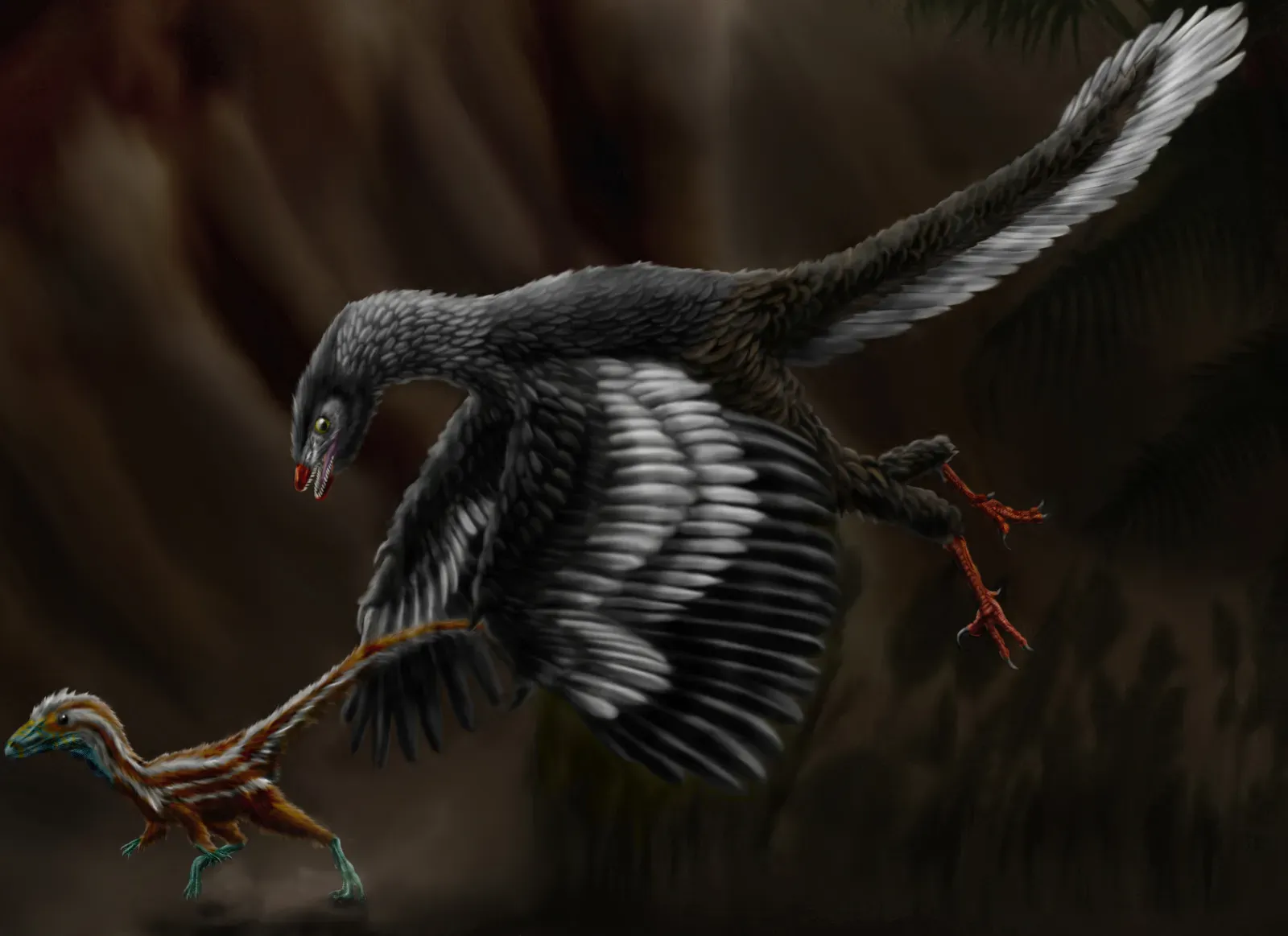
Here is a fact that surprises almost everyone. To become birds, dinosaurs had to shrink. Drastically. Though most people might name feathers or wings as a key characteristic distinguishing birds from dinosaurs, the group’s small stature is also extremely important. New research suggests that bird ancestors shrank fast, indicating that the diminutive size was an important and advantageous trait, quite possibly an essential component in bird evolution.
Some coelurosaurs started shrinking as far back as 200 million years ago, which is 50 million years before Archaeopteryx emerged. At that time, most other dinosaur lineages were growing larger. It’s a remarkable evolutionary divergence. While cousins like Brachiosaurus were growing to the size of apartment buildings, the ancestors of your backyard sparrow were quietly doing the opposite. During the course of their evolutionary history, the body size of some theropod groups gradually decreased, and this trend, together with many other changes to the skeleton, ultimately led to the appearance of birds.
Surviving the Apocalypse: How Flight Saved the Dinosaurs
Sixty-six million years ago, an asteroid slammed into Earth and ended the reign of the non-avian dinosaurs. Nearly everything perished. Yet one lineage endured. By the Cretaceous, birds filled the skies and were far more diverse than today. At the end of the Cretaceous extinction event around 66 million years ago, birds nearly became extinct with the rest of the dinosaurs. Fortunately, some members of a small group called the Neornithes survived. The Neornithes diversified into all modern birds that we see today.
Whatever it was that originally drove dinosaurs to take to the skies, flight may be the reason they still live on today as birds. Many scientists credit the ability to fly as a likely reason why they survived the mass extinction event at the end of the Cretaceous, enabling them to travel vast distances to find better conditions. It is a stunning thought: flight, which began perhaps as a way to escape predators or snag prey, ultimately became the very thing that ensured the survival of an entire lineage when the world ended. The ancestor of all living birds lived sometime in the Late Cretaceous, and in the 65 million years since the extinction of the rest of the dinosaurs, this ancestral lineage diversified into the major groups of birds alive today.
Conclusion: The Sky Is Still Full of Dinosaurs
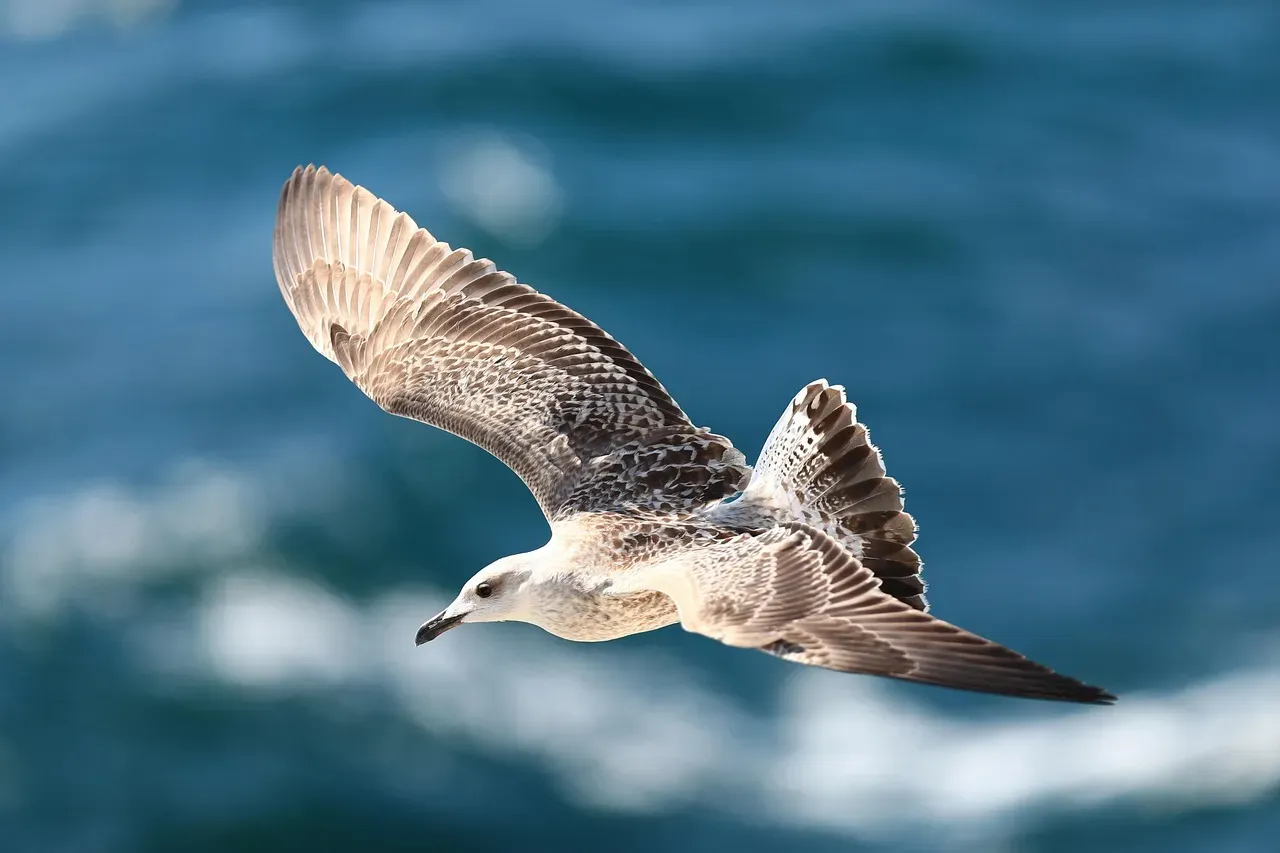
The next time you watch a bird in flight, take a moment to really absorb what you’re seeing. That creature isn’t just a bird. It is a breathing, flying summary of hundreds of millions of years of evolution, a story of feathers that started as fuzz, bones that hollowed out long before anything ever flew, and a lineage that shrank itself into the sky just in time to survive the end of the world.
We used to picture dinosaurs as slow, scaly, and stupid. Science has comprehensively overturned that image. These were warm-blooded, feathered, fast-moving, and in many cases intelligent animals. The fact that their descendants still dominate the skies today, with roughly ten thousand living species, is nothing short of extraordinary. Every birdsong you hear is an ancient echo.
So the next time someone tells you dinosaurs are extinct, you can smile and point upward. They never really left. What do you think: does knowing birds are living dinosaurs change the way you see them? Drop your thoughts in the comments.