Imagine standing on what is now California’s coastline, looking out over a landscape that seems impossible to reconcile with the state you know today. Where you see the Pacific crashing against rocky shores, there once stretched warm, shallow seas teeming with massive marine reptiles. Where mountains now rise, ancient river systems carved through volcanic highlands, carrying sediment, nutrients, and occasionally the remains of dinosaurs toward an ocean that covered much of the Golden State. It’s a story written in scattered bones, marine deposits, and geological formations that paleontologists are only beginning to piece together.
You might be surprised to learn that California’s dinosaurs are rare. Not because they didn’t exist here, but because the rivers that once sustained them also washed their remains away into ancient seas. These waterways shaped a lost world that’s simultaneously familiar and utterly alien.
When California Was an Ocean With Islands
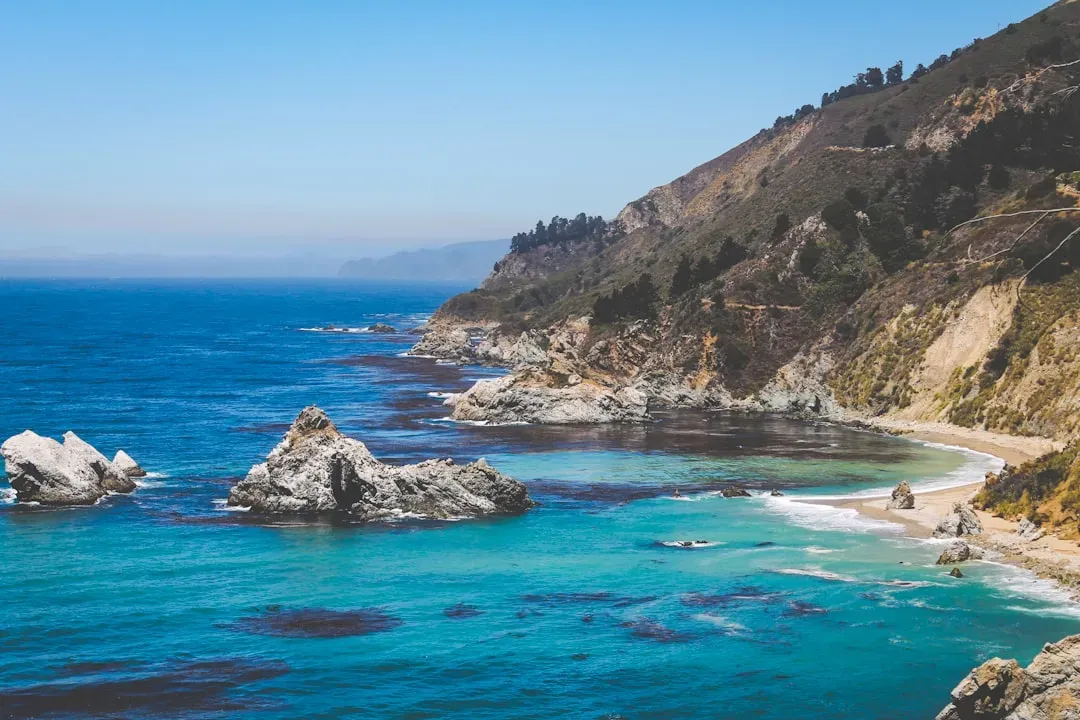
During the Age of Dinosaurs, California looked dramatically different from how it does today, with much of the state covered by warm, shallow seawater. The geography was split between marine environments and isolated patches of dry land. The landscape was divided into largely an ocean in its south and forest highlands in the north.
The Sierra Nevada began forming at this time, and Mesozoic California included areas of both marine and terrestrial environments. Think of it as a state divided, where volcanic mountains rose in the east while the west remained submerged. The few dinosaurs that did live here occupied narrow coastal plains and highland forests, always near the waterways that would ultimately become their graveyards.
The Rivers That Became Highways to the Sea
Dinosaurs may have drowned in a river and been carried out to sea by currents, as happens sometimes to large mammals today. These ancient river systems weren’t just water sources. They were powerful forces that transported dead animals, sometimes intact, sometimes in pieces, from terrestrial habitats into marine environments where they’d settle on muddy seafloors.
There is even the recorded find at the canyon of Del Puerto Creek near Patterson in 1936 of the first dinosaur bones ever found in California, the vertebrae and hindquarters of a hadrosaur, a land-dwelling dinosaur that apparently died near the coast and was subsequently washed out to sea by a river. Here’s the thing: these rivers weren’t gentle streams. They moved with enough force to carry multi-ton animals downstream, tumbling them along the way. The bones you see in museums today often bear the scars of that journey.
Coastal Plains Where Hadrosaurs Roamed
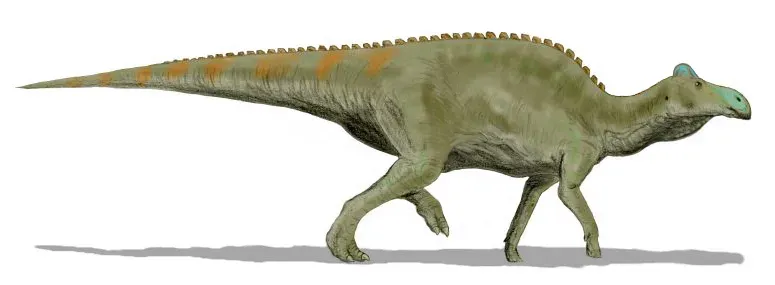
The majority of the dinosaur fossils found in California are the bones of hadrosaurs, duck-billed dinosaurs that lived during the Late Cretaceous period, and these herbivorous dinosaurs thrived in what was once a coastal plain environment. Picture vast floodplains near the ocean, crisscrossed by rivers flowing down from the volcanic Sierra Nevada. These were the feeding grounds for California’s most common dinosaurs.
Let’s be real, the coastal environment was perfect for hadrosaurs. They needed vegetation, which grew abundantly near water sources. They needed drinking water, provided by the rivers. When they died, whether from old age, disease, or predation, their bodies often ended up in those same rivers during seasonal floods. During the Cretaceous, the region was tectonically active with a narrow coastal plain backed by steep-sided mountains that provided limited habitats for dinosaurs, and subsequent erosion removed virtually all traces of Cretaceous-age terrestrial sediments.
The Forearc Basin and Sediment Accumulation
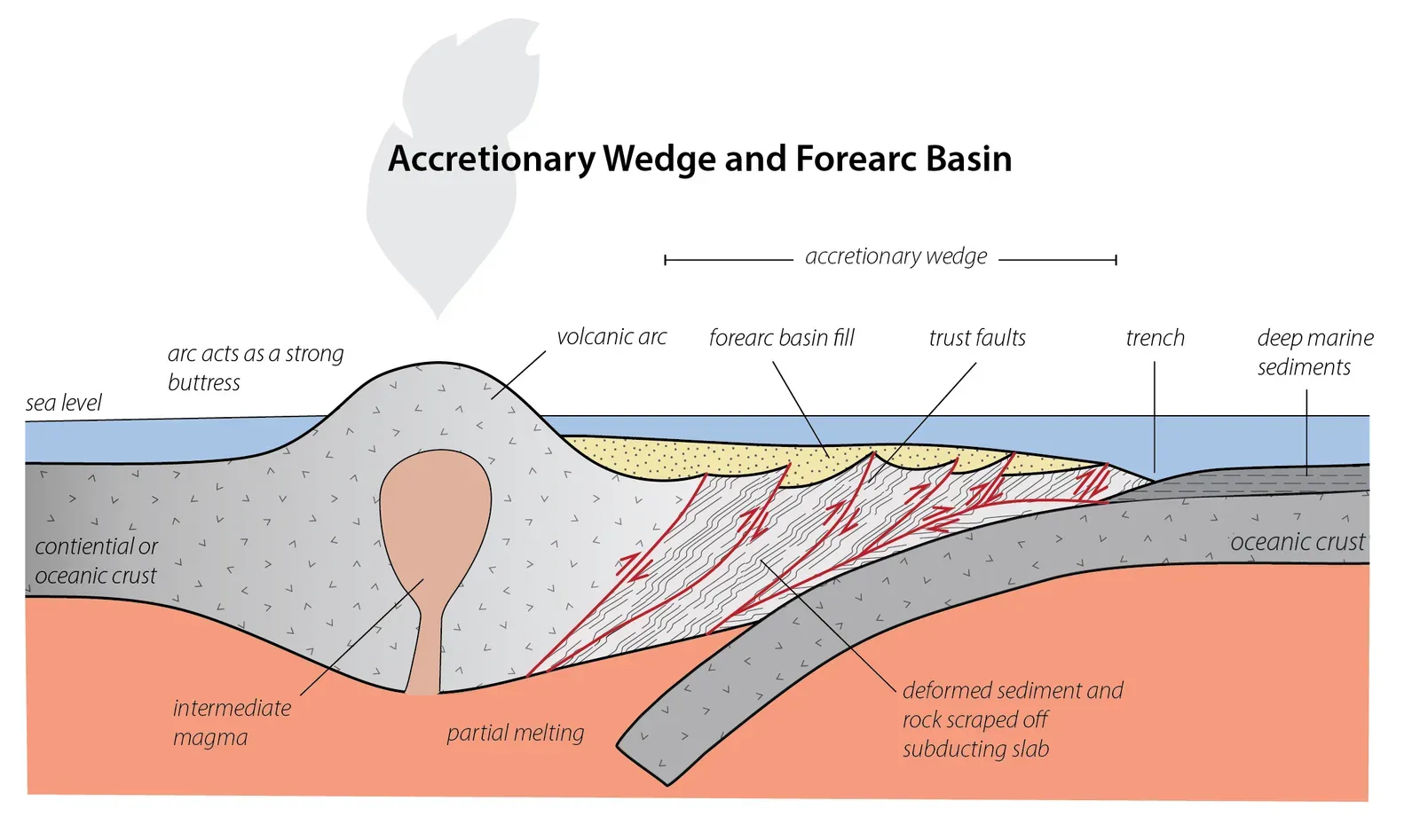
The ancient marine basin that the Great Valley Sequence was deposited in very closely approximates the combined extent of the modern Sacramento Valley and San Joaquin Valley, and geologists believe that the Great Valley Sequence represents the sedimentary fill of forearc basin formed along the convergent plate boundary that existed along the west coast of North America during the Jurassic and Cretaceous. This is where the dinosaur story gets geological.
The eastern boundary of the forearc basin was a volcanic arc, a chain of ancient volcanoes located where the Sierra Nevada is today, with batholiths and metamorphosed volcanic rocks in the Sierra Nevada being the geologic record of this volcanic arc. Rivers flowing from these volcanoes carried immense amounts of sediment westward into the basin. Sometimes that sediment included more than just volcanic ash and rocks. It contained the remains of animals that lived and died in the highlands and valleys.
From River Mouths to Ocean Floors
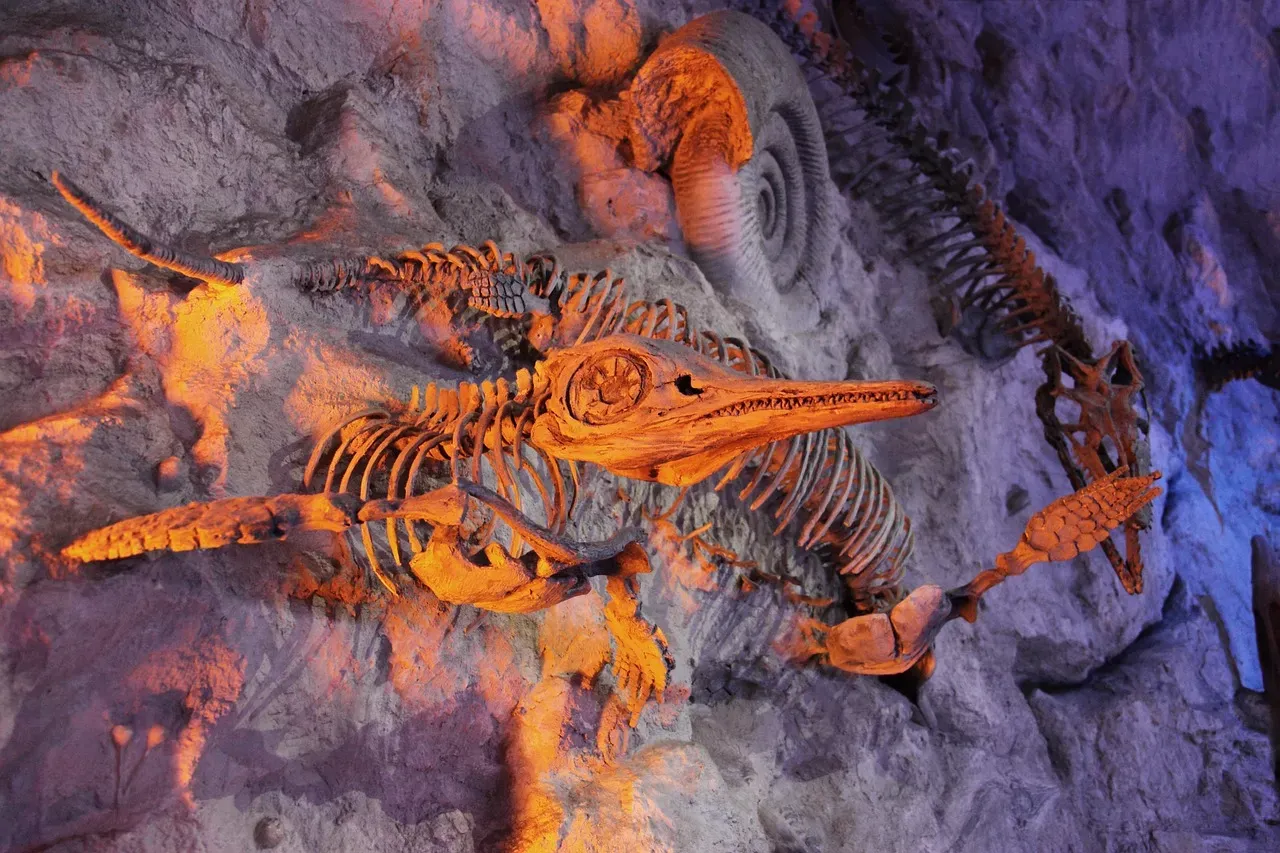
We know that the dinosaur skeletons were deposited in the ocean because we find shells of marine animals where they grew on the dinosaur bones as well as in the surrounding sediments. Honestly, it’s kind of beautiful in a morbid way. A hadrosaur dies near a river, gets washed out to sea, and settles on the muddy ocean floor. Oysters need a solid surface to attach to and live on, and on a soft, muddy seafloor, hard surfaces are scarce, with large bones that stick up out of the mud being the only place for oysters to live.
These dinosaur bones became miniature reefs. Marine invertebrates colonized them. Over millions of years, sediment buried everything. What started as a journey down a Cretaceous river ended as a fossil entombed in marine rock formations. This process explains why most California dinosaur fossils are fragmentary and show signs of both river transport and marine deposition.
The Augustynolophus: California’s State Dinosaur
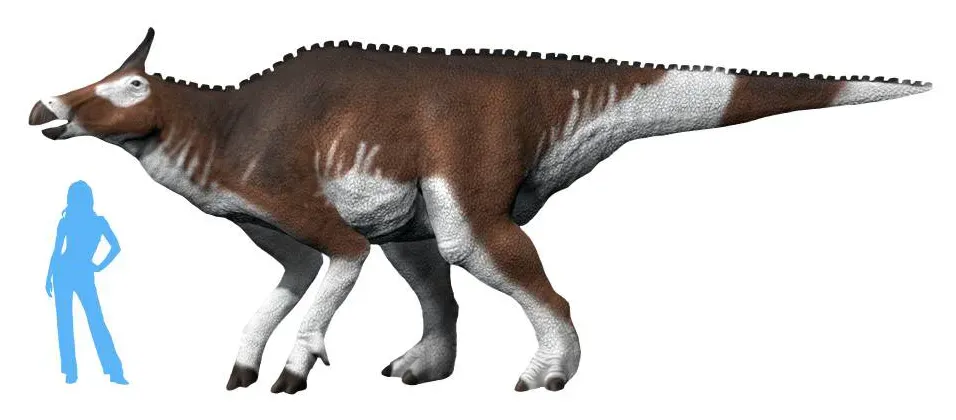
One of the most significant fossil finds in the Central Valley was Augustynolophus morrisi, which roamed California about 66 million years ago, a member of the hadrosaur family that measured about 26 feet long and weighed about 3 tons. This is the dinosaur that represents California. Only two fossil specimens of A. morrisi have ever been found, excavated from layers of rock that once lay at the bottom of the ancient Pacific Ocean, with both sets of bones discovered in the Panoche Hills west of Interstate 5.
I think there’s something poetic about this dinosaur. It lived exclusively in California, nowhere else on Earth. It died near ancient waterways, and those waterways carried it to its final resting place beneath an ocean that would eventually recede. The rivers gave it life through the vegetation they nourished, and they claimed it in death, transforming it from living animal to geological specimen.
Armored Dinosaurs and River Transport
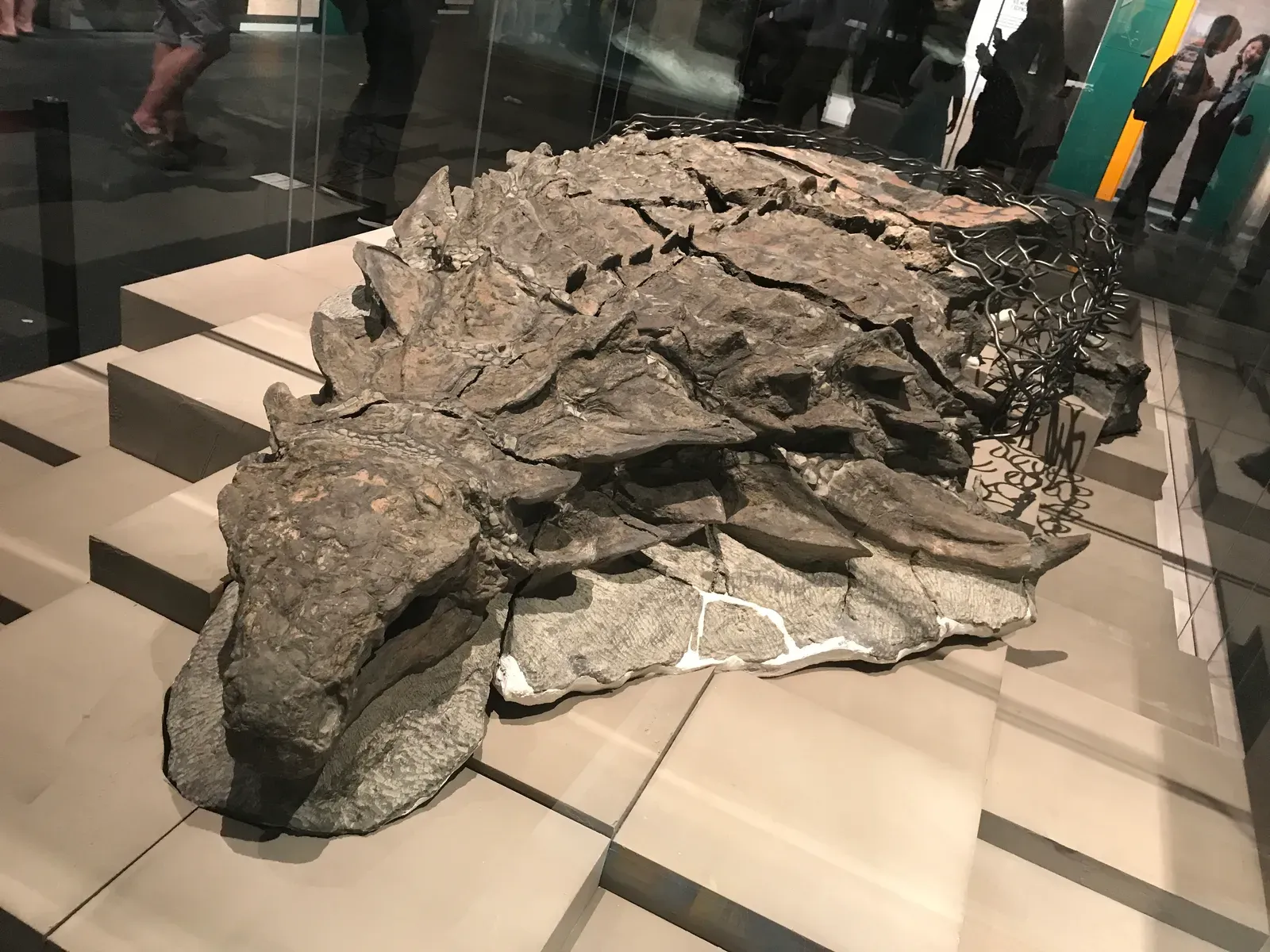
In 1987, part of the skeleton of a type of armored dinosaur called a nodosaur was found in an excavation near Carlsbad, which was the first of this type of dinosaur found west of the Rocky Mountains. A different dinosaur found in Carlsbad in 1985, which turned out to include the back legs, pelvic region, front limbs, dermal armor, and teeth of an armored dinosaur (ankylosaur), had become a natural reef on an otherwise barren mud sea floor.
The nodosaurs were built like tanks, with bony armor and spikes. That heavy armor probably made them sink quickly once they entered water, either by drowning in rivers during crossings or being washed in during floods. Their remains show the unmistakable signature of river transport followed by marine deposition, complete with oyster shells still attached to their bones after millions of years.
Physical Barriers and River Systems
Some researchers have suggested that there were physical barriers like river systems or mountain ranges that separated dinosaurs, while others have proposed that it was variations in vegetation and habitat that tied particular dinosaur species to narrow ranges. The river systems themselves may have acted as boundaries, creating isolated populations of dinosaurs on different sides of major waterways.
It’s hard to say for sure, but the evidence suggests that California’s dinosaurs were part of isolated populations rather than freely mixing with those from Montana, Wyoming, or other dinosaur-rich regions. The rivers both sustained these animals and kept them geographically separated. When sea levels rose and fell throughout the Cretaceous, these waterways changed course, potentially reconnecting populations temporarily before isolating them again. California’s dinosaurs lived in a world shaped by water in every conceivable way.
Conclusion
The ancient rivers of California tell a story that’s written in fragments. They nourished coastal plains where hadrosaurs browsed on vegetation. They carved through volcanic highlands, carrying sediment that would eventually become the rock formations paleontologists study today. They transported dinosaur remains from land to sea, creating the scattered fossil record that makes California’s prehistoric past so challenging to reconstruct.
These waterways were arteries of a lost world, connecting terrestrial environments with marine ones, volcanic mountains with ocean basins, life with death, and the Cretaceous past with the present day. Every dinosaur fossil found in California carries the signature of these ancient rivers, whether it’s the tumbled condition of the bones, the marine shells attached to them, or their position in sedimentary layers that once lay beneath a primordial Pacific. The rivers ultimately became the pathways through which their stories reached us, encoded in stone and waiting for curious minds to decipher. What other secrets might these ancient waterways still be hiding beneath California’s modern landscape?